Most people think they know how to brush their teeth, but after years working as a dental hygienist, I've seen countless patients with cavities and gum issues simply because their brushing technique was off. Proper brushing technique isn't about scrubbing hard; it's a gentle, methodical process that removes plaque without damaging your enamel or gums. Let's dive into the details that most guides miss.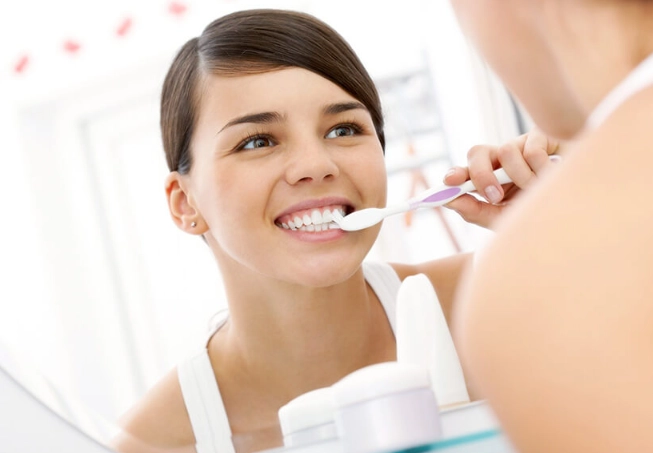
What You'll Learn in This Guide
How to Brush Your Teeth Correctly: A Detailed Step-by-Step Process
Forget the rushed morning routine. Proper brushing technique requires attention to angle, pressure, and coverage. Here's how to do it right, based on recommendations from the American Dental Association (ADA).
Step 1: Choose Your Tools Wisely
Start with a soft-bristled toothbrush. Hard bristles can erode enamel and irritate gums. I prefer manual brushes with a small head for better reach, but electric toothbrushes with oscillating heads are excellent for consistency. For toothpaste, use fluoride-based ones to strengthen enamel. Don't overthink brands; look for the ADA Seal of Acceptance.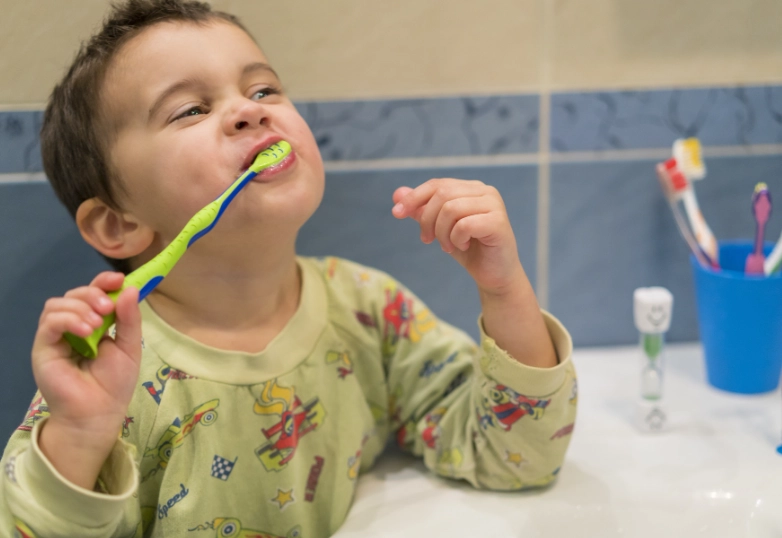
Step 2: Position Your Brush at the Right Angle
This is where most folks slip up. Hold your brush at a 45-degree angle to your gums. Not straight on, not flat. Aim the bristles toward the gumline where plaque loves to hide. If you're using an electric toothbrush, let the brush head do the work—just guide it along the angles.
Step 3: Use Gentle, Circular Motions
Apply light pressure—imagine you're polishing an eggshell, not scrubbing a dirty pan. Move the brush in small, circular motions. Cover two to three teeth at a time. Spend about 30 seconds on each quadrant of your mouth: upper right, upper left, lower right, lower left.
Here's a quick breakdown of time allocation per area:
- Outer surfaces: 30 seconds
- Inner surfaces: 30 seconds
- Chewing surfaces: 20 seconds
- Gumline and tongue: 10 seconds each
Step 4: Don't Forget the Inner Surfaces and Gumline
Inner surfaces are often neglected. Tilt your brush vertically to reach behind front teeth. For gums, use gentle sweeping motions away from the gumline to dislodge debris without causing recession. I've seen patients brush so hard their gums recede, exposing sensitive roots.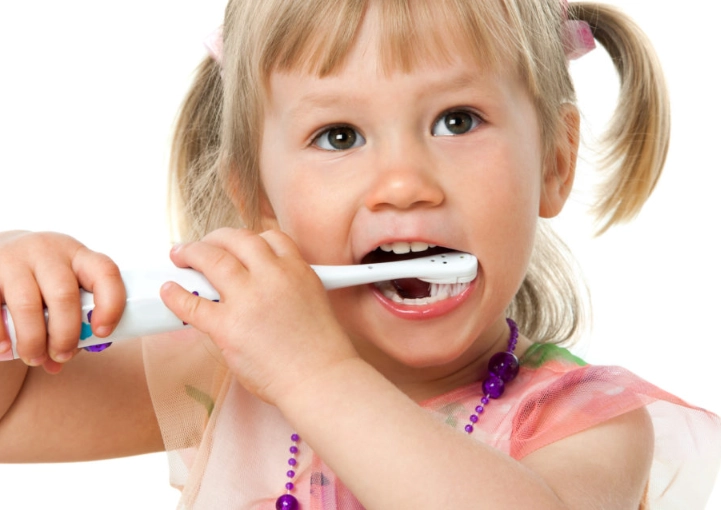
Step 5: Time Yourself—Two Minutes Minimum
Set a timer. Most people brush for less than a minute. Two minutes is the gold standard. Use a song or an app to track it. Brushing longer without proper technique won't help, though. Focus on thoroughness over duration.
Why Your Current Brushing Habit Might Be Harming Your Teeth
You might be making subtle errors that undermine your efforts. Let's unpack the common pitfalls.
Brushing too hard is the top mistake. I recall a patient who complained of sensitive teeth; turns out, he was using a hard-bristled brush with aggressive back-and-forth strokes. His enamel was thinning. Switch to soft bristles and gentle circles.
Another issue is rushing through the process. If you're done in under a minute, you're likely missing plaque on inner surfaces and molars. Plaque hardens into tartar in 24 to 72 hours, so daily thorough removal is key.
Using old toothbrushes. Bristles fray after three to four months. A worn-out brush is ineffective. Mark your calendar to replace it quarterly.
Ignoring the tongue. Bacteria on the tongue contribute to bad breath and plaque. Gently brush or scrape it daily.
Beyond the Basics: Advanced Tools and Techniques for Optimal Care
Once you've mastered the fundamentals, consider these upgrades for better oral health.
Electric Toothbrushes: Are They Worth It?
Yes, but with caveats. Studies from the Journal of Clinical Dentistry show electric toothbrushes with oscillating-rotating heads reduce plaque better than manual brushing. They're great for people with arthritis or poor technique. However, they're not magic—you still need to guide them properly. I recommend models with pressure sensors to prevent over-brushing.
Incorporating Interdental Cleaning
Brushing alone doesn't clean between teeth. Use floss or interdental brushes daily. I prefer water flossers for patients with braces or bridges, but traditional floss works fine if done correctly. Slide it gently between teeth, curve around each tooth, and move up and down.
Here's a comparison of interdental tools:
| Tool | Best For | Tips |
|---|---|---|
| Dental Floss | Tight spaces, daily use | Use about 18 inches, wrap around fingers |
| Interdental Brushes | Gaps between teeth, gum pockets | Choose the right size; don't force it |
| Water Flosser | Braces, implants, sensitive gums | Start on low pressure to avoid discomfort |
Mouthwash and Toothpaste Add-ons
Mouthwash can help reduce bacteria, but it's not a substitute for brushing. Look for alcohol-free options to avoid dryness. Toothpaste with hydroxyapatite is gaining popularity for enamel repair, though fluoride remains the standard.