Jump to Key Sections
- What Does "ADA-Approved" Actually Mean? It's More Than a Logo
- The Whitening Landscape: From Dentist's Office to Your Bathroom Counter
- Key Ingredients in ADA-Approved Whitening: What's Actually Doing the Work?
- How to Use ADA-Approved Whitening Products for Best Results (And Minimal Drama)
- Answers to Your Biggest Questions About ADA-Approved Teeth Whitening
- Making Your Choice: A Final Reality Check
Let's be honest. Scrolling through social media or walking down the pharmacy aisle, you're bombarded with promises of a "Hollywood smile" in minutes. Strips, gels, pens, lights, trays—the options are endless. But if you're like me, a little voice in the back of your head asks: "Is this stuff safe for my teeth?" or "Will this make my sensitive teeth scream in agony?" That's where the whole conversation about ADA-approved teeth whitening comes in. It's not just a marketing sticker; for many of us, it's the line between a confident smile and a dental disaster.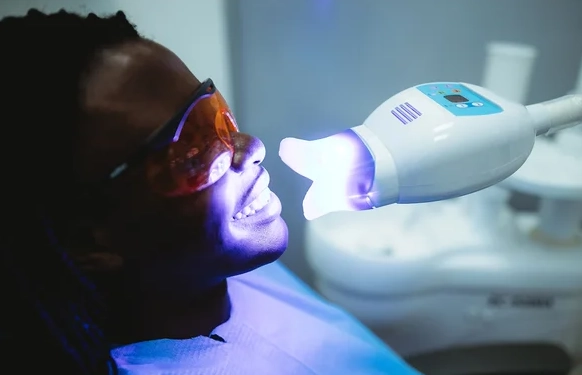
I remember trying a trendy, super-cheap whitening kit from an online ad a few years back. Big mistake. The fit was awful, the gel tasted like chemicals, and my gums felt raw for days. It was after that experience I started paying real attention to the American Dental Association (ADA) Seal of Acceptance. It became my shortcut for cutting through the noise.
What Does "ADA-Approved" Actually Mean? It's More Than a Logo
First things first, let's clear up a common mix-up. The ADA doesn't "approve" products like a government agency might. Instead, they grant a Seal of Acceptance. The difference is subtle but important. Think of it as a rigorous report card, not a simple pass/fail.
To earn that little seal on the box, a company has to submit its product to the ADA's Council on Scientific Affairs. This isn't a quick process. They don't just take the company's word for it. The council asks for proof—real, scientific evidence—in a few key areas:
- Safety: Does the product harm tooth enamel or irritate gums when used as directed? This is the non-negotiable baseline.
- Effectiveness: Does it actually whiten teeth? They need data showing it does what it claims to do.
- Ingredients: Are the active ingredients (like hydrogen peroxide or carbamide peroxide) present at levels that are both effective and within safe limits?
You can dive deep into their exact evaluation process on the ADA's official Seal of Acceptance page. It's a transparent look at what goes on behind the scenes.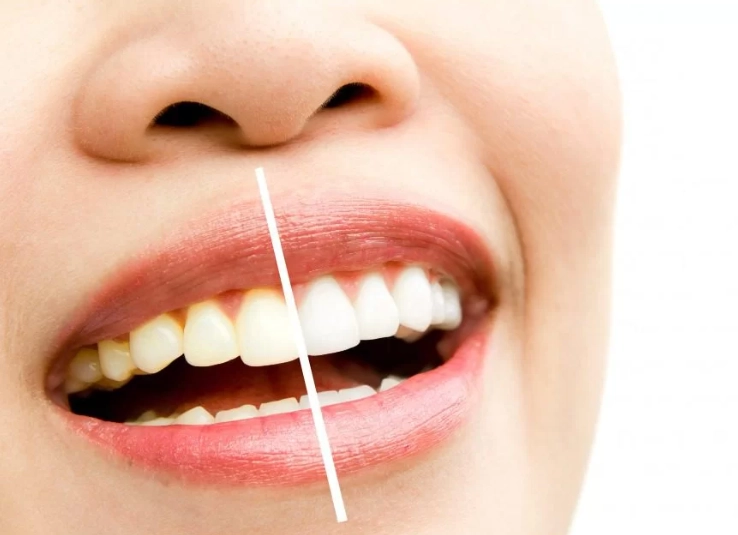
The bottom line? An ADA-approved teeth whitening product has passed an independent review for safety and efficacy. It's a signal that dentists, based on the available science, believe the product does its job without unnecessary risk when you follow the instructions. It doesn't mean it's magic or works for every single type of stain, but it does mean it's not a complete shot in the dark.
The Whitening Landscape: From Dentist's Office to Your Bathroom Counter
Not all whitening is created equal, and the ADA Seal shows up in different places. Understanding these tiers helps set realistic expectations.
Professional, In-Office Whitening
This is the powerhouse option. Done by your dentist, it uses high-concentration bleaching gels (often 25-40% hydrogen peroxide). A protective barrier is applied to your gums, and sometimes a special light or laser is used to accelerate the process. You see dramatic results—often several shades lighter—in about an hour.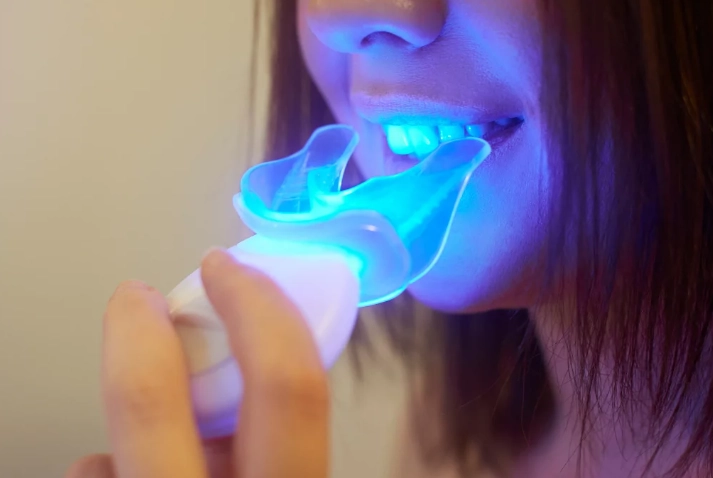
Here's the thing: the products dentists use in their offices are regulated as medical devices by the FDA. They often also carry the ADA Seal, which reinforces their safety profile. This is the gold standard for speed and dramatic change, but it's also the most expensive route.
I asked my own dentist about it once, and he said the biggest advantage is control. "We can isolate the gums perfectly, manage sensitivity in real-time, and tailor the concentration to your specific teeth," he explained. For someone with tough, intrinsic stains or who needs a big change fast, this is the way to go.
Professional-Grade Take-Home Kits
Your dentist can also provide custom-fitted trays and a professional-strength bleaching gel (usually 10-20% carbamide peroxide). You wear the trays for a specified period each day, over a couple of weeks.
These kits are a fantastic middle ground. The custom trays mean the gel stays in contact with your teeth and doesn't leak onto your gums as much as one-size-fits-all strips, which really cuts down on sensitivity. The gels provided are strong and effective, and of course, they carry the ADA Seal. The cost is higher than store-bought kits but less than in-office treatment.
Over-the-Counter (OTC) Whitening Products
This is where most of us start our whitening journey—the strips, gels, and toothpastes you find at the drugstore. The bleaching agent concentration is much lower here (typically 3-10% hydrogen peroxide).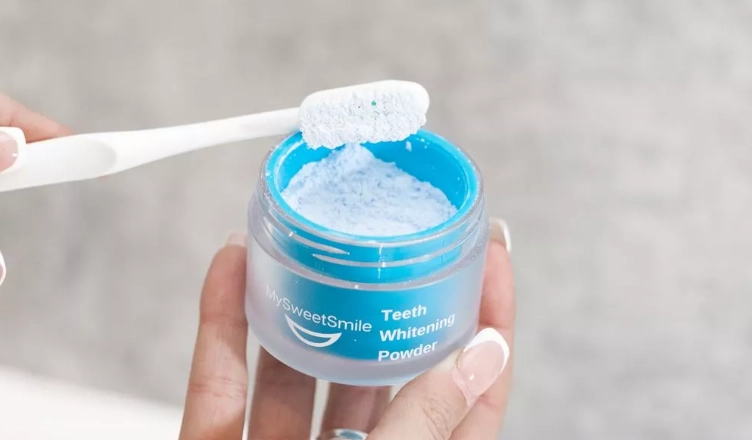
Let's break down the common OTC types that often seek the seal:
| Product Type | How It Works | Typical Active Ingredient | Pros & Cons (The Real Talk) |
|---|---|---|---|
| Whitening Strips | Flexible plastic strips coated with a peroxide gel. Adhered to teeth for 30-60 mins daily. | Hydrogen Peroxide (5-10%) | Pros: Easy to use, relatively affordable, visible results in days. Cons: Can be messy, may not fit all teeth shapes perfectly, gel can irritate gums if strips shift. |
| Whitening Toothpaste | Uses mild abrasives and/or low-dose peroxide to remove surface stains. | Low % Hydrogen Peroxide or Abrasives like silica | Pros: Easiest to integrate into routine, helps maintain whiteness. Cons: Only removes surface stains, won't change the intrinsic color of teeth. Some can be too abrasive with overuse. |
| Whitening Gels & Pens | A brush or pen applicator to paint gel directly onto tooth surfaces. | Hydrogen Peroxide (6-18%) | Pros: Targeted application, good for touch-ups. Cons: Requires a steady hand, saliva can dilute the gel quickly, easy to over-apply and irritate gums. |
| Tray-Based Systems (OTC) | Boil-and-bite or one-size-fits-all trays filled with gel, worn for hours/overnight. | Carbamide Peroxide (10-22%) | Pros: Longer contact time can mean good results. Cons: Generic trays fit poorly for many, leading to gum sensitivity. Gel consistency can be runny. |
Honestly, my experience with generic trays was terrible. The fit was so bad the gel seeped out everywhere. I switched to ADA-approved strips and had a much better (and less messy) time.
Key Ingredients in ADA-Approved Whitening: What's Actually Doing the Work?
Strip away the fancy packaging and marketing, and most whitening products rely on one of two main active ingredients:
- Hydrogen Peroxide: This is the more common and direct bleaching agent. It breaks down into water and oxygen-free radicals that penetrate the enamel to break apart the stain molecules (chromogens) inside the dentin. It works faster but can sometimes be associated with more immediate sensitivity.
- Carbamide Peroxide: This is a more stable compound that breaks down into hydrogen peroxide and urea. It releases hydrogen peroxide more slowly over time. Many dentists prefer it for take-home kits because it's gentler, and the urea component can have a slight soothing effect. It's the classic "night-time" whitening agent.
The concentration is key. A 10% carbamide peroxide gel is roughly equivalent to about 3.5% hydrogen peroxide in terms of bleaching power. The FDA and ADA monitor these levels in OTC products to ensure they're within safe limits for unsupervised use. You can read about the FDA's role in regulating peroxide levels in dental products on their consumer guidance page.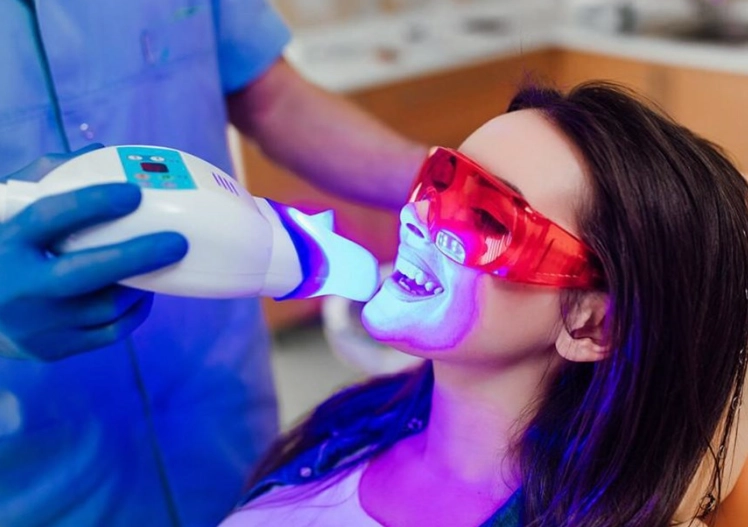
A word of caution on "natural" or "chemical-free" whitening: You'll see products boasting ingredients like activated charcoal, lemon juice, or baking soda. While baking soda is a mild, safe abrasive (and in many ADA-approved toothpastes), charcoal's abrasiveness is often too high and can scratch enamel. Lemon juice is highly acidic and can erode enamel, doing long-term damage. There's no natural ingredient that safely bleaches teeth like peroxide does. For actual bleaching, you need a bleaching agent. The ADA Seal helps you identify ones that use these agents safely.
How to Use ADA-Approved Whitening Products for Best Results (And Minimal Drama)
Getting an ADA-approved teeth whitening product is the first step. Using it correctly is the second, and it's just as important.
Step-by-Step Guide for OTC Products
- Start with a Clean Slate: Brush and floss thoroughly before applying any whitening product. This removes plaque and surface debris so the gel can make better contact with your enamel.
- Follow the Clock, Not Your Feelings: This is crucial. If the directions say "wear for 30 minutes," don't think "an hour will work twice as fast." Overexposure is the fastest way to trigger sensitivity. Set a timer.
- Mind Your Gums: When applying gels or strips, do your best to keep the product on the tooth surface. If you get gel on your gums, wipe it off immediately with a tissue or your finger.
- Consistency Over Intensity: Whitening is usually more effective with consistent, short applications over 1-2 weeks than with one marathon session. It gives your teeth a chance to rehydrate and remineralize between treatments.
- Dealing with Sensitivity: It's common to feel some zings, especially early on. Using a toothpaste for sensitive teeth (many have the ADA Seal too!) for two weeks before and during whitening can help. You can also shorten your treatment time or take a day off between sessions. If sensitivity is sharp or persistent, stop and talk to your dentist.
I have somewhat sensitive teeth, so I always use sensitivity toothpaste when I'm on a whitening cycle. It makes a world of difference and lets me get the results without the pain.
What to Avoid While Whitening
Your teeth are a bit more porous right after whitening, making them prone to restaining. For at least 1-2 hours after a treatment, avoid:
- The Dark Trio: Coffee, red wine, tea.
- Acidic Drinks: Soda, citrus juices (they can also increase sensitivity).
- Dark Sauces: Soy sauce, tomato sauce, curry.
- Smoking or vaping.
If you must have that morning coffee, use a straw. It sounds silly, but it genuinely helps bypass your front teeth.
Answers to Your Biggest Questions About ADA-Approved Teeth Whitening
Mostly, yes, when used as directed. But there are exceptions. It's not recommended for:
- Children under 15 (their tooth pulp chambers are larger).
- Pregnant or breastfeeding women (as a general precaution).
- People with untreated cavities, gum disease, cracked teeth, or extremely worn enamel. The bleaching agent can penetrate these areas and cause pain or damage.
- Those with allergies to peroxide or other product ingredients.
- People with restorations like crowns, veneers, or bonding on their front teeth. The bleach only works on natural tooth enamel. It won't change the color of these materials, potentially leading to a mismatched smile.
The universal rule: A quick check-up with your dentist before starting any whitening regimen is the wisest move. They can spot potential issues you might miss.
This isn't permanent. Your teeth are constantly exposed to staining agents. Results typically last 6 months to 2 years. It depends entirely on your habits. A heavy coffee drinker and smoker will see stains return faster than someone who drinks mostly water and avoids staining foods. Using an ADA-approved whitening toothpaste can help maintain results by tackling new surface stains daily.
This is the #1 fear. The short answer is: ADA-approved products, when used correctly, are formulated not to harm enamel. The bleaching process is oxidative, not abrasive. However, misuse (leaving on too long, using too frequently) can lead to temporary enamel softening and increased sensitivity. The real enamel damage comes from acids (like from soda or lemon juice "remedies") and physical abrasion (from harsh pastes). A great resource on enamel demineralization and safe care comes from institutions like the MouthHealthy site, run by the ADA Foundation.
The two most common are:
- Tooth Sensitivity: Temporary and usually mild. It often subsides a few days after you stop treatment.
- Gum Irritation: Usually from ill-fitting trays or gel seepage. It should resolve quickly.
If you experience severe pain, blistering, or chemical burns on your gums, stop use immediately and contact a dentist. This is rare with ADA-approved products but can happen with misuse or if you have an unexpected reaction.
It depends on your goals and situation.
Choose Professional (In-Office or Take-Home) if: You have severe staining (tetracycline, fluoride), want very fast/dramatic results, have significant sensitivity (your dentist can manage it better), have dental work on front teeth (they can advise on matching), or you've tried OTC with poor results.
An ADA-approved OTC product is a great choice if: Your staining is mild to moderate, you're on a budget, you have minimal sensitivity, and you're patient enough for gradual results over 1-2 weeks.
For me, starting with a trusted OTC ADA-approved teeth whitening strip is my go-to for maintenance. But I'd see my dentist for a big change.
Making Your Choice: A Final Reality Check
So, you're standing in the store or browsing online. Here's my practical, non-salesy advice for picking an ADA-approved teeth whitening product.
First, look for the seal. It should be on the outer packaging. Don't just trust the word "ADA" in the marketing copy; look for the actual circular seal.
Second, match the product to your lifestyle and tolerance. Hate things in your mouth for long? Strips or pens might be better. Prefer a "set it and forget it" approach at night? Maybe a tray system. Have sensitivity? Look for products that market lower peroxide percentages or include desensitizing agents like potassium nitrate.
Third, manage your expectations. No product will make your teeth "paper white" if your natural tooth shade is a light ivory. The goal is to remove stains and reach your teeth's natural brightest potential. Before-and-after photos are often professionally lit and sometimes digitally enhanced. Trust the science behind the ADA Seal more than the glamour shot.
The ultimate takeaway? The ADA Seal of Acceptance is the most reliable tool you have as a consumer to navigate the wildly unregulated-feeling world of teeth whitening. It doesn't promise miracles, but it does promise that a group of dental scientists has vetted the product for basic safety and truth in advertising. For something you put in your mouth to alter a core part of your appearance, that's a pretty good place to start. Combine that seal with a dentist's advice and realistic expectations, and you're on your way to a brighter smile without the guesswork (or the horror stories).
Whitening shouldn't be scary or painful. With the right, vetted product and a bit of patience, it can be a simple and effective confidence booster. Just remember, the goal is healthy teeth first, white teeth second. The best ADA-approved teeth whitening options understand that balance.