That little space between your front teeth. Maybe it's been there your whole life, or perhaps it showed up as you got older. You might love it as a unique feature, or maybe you find yourself hiding your smile in photos. If you're in the latter camp and thinking about closing dental gaps, you're not just thinking about looks. You're probably wondering if it's even necessary, what it involves, and how much it'll set you back.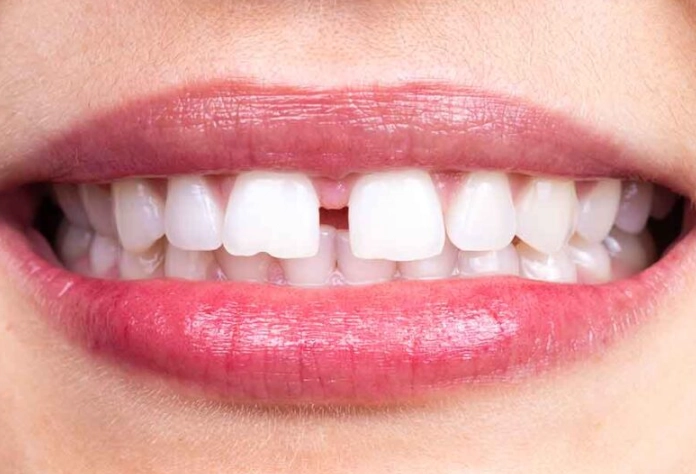
Let's cut to the chase. Closing a diastema (the technical term for a gap between teeth) is one of the most common cosmetic dentistry requests. But it's not purely cosmetic. Food gets stuck there, it can affect how you pronounce certain sounds, and for some, it's a source of real self-consciousness. The good news? You have more options today than ever before, ranging from long-term orthodontics to same-day cosmetic fixes.
What's Inside This Guide
What Are Dental Gaps and Why Do They Occur?
A gap between teeth, especially the front two, is called a midline diastema. It's incredibly common. Think of celebrities like Madonna or Michael Strahan – they've made it a trademark. But for every person who rocks it, there's another who wishes it would go away.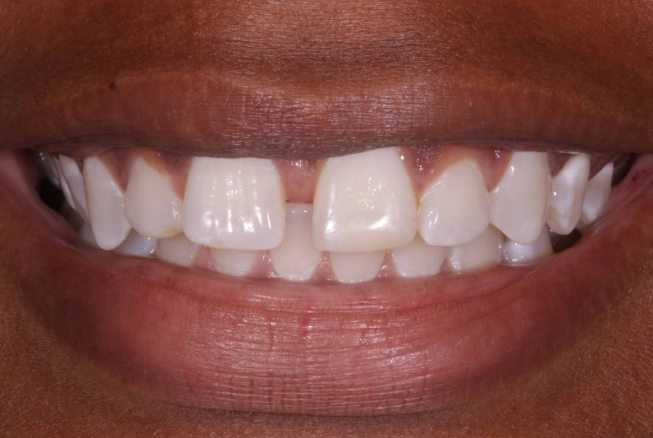
The causes are varied. Sometimes it's simple genetics – your jawbone is larger than the total width of your teeth. Other times, it's a specific habit or condition.
Here’s a breakdown of the usual suspects:
- The Frenum: This is a big one that often gets overlooked. That little band of tissue connecting your upper lip to your gums (the labial frenum) can be too large or positioned too low, physically pushing the front teeth apart. No amount of braces will fix a gap for good if this is the cause; it'll just come back. A minor surgical procedure called a frenectomy is needed first.
- Thumb Sucking or Tongue Thrusting: Persistent habits from childhood can apply constant forward pressure, splaying the front teeth.
- Gum Disease: In adults, a new or widening gap can be a red flag for periodontal disease. Inflammation and bone loss cause teeth to loosen and drift.
- Missing or Peg-Shaped Teeth: If a tooth next to the gap is missing or undersized (a "peg lateral"), the other teeth will shift to fill the space unevenly.
Key Takeaway: Before you even discuss closing the gap, see a dentist. They need to diagnose the why. Treating active gum disease or adjusting a frenum comes first. Skipping this step is the biggest mistake I see – it leads to treatment failure and wasted money.
How to Close Dental Gaps: Your Treatment Options Explained
This is where it gets practical. Your choice depends on the gap's size, cause, your budget, and how fast you want results. Let's walk through the main players.
1. Traditional and Ceramic Braces
The classic, most predictable method. Metal or tooth-colored brackets and wires apply gentle, constant pressure to move teeth into alignment. For a simple midline gap, treatment is often relatively short, maybe 6-12 months.
Best for: Larger gaps, gaps caused by overall crowding or spacing issues, or when multiple teeth need aligning. It's the gold standard for a reason – it works.
The catch: It's visible (unless you opt for ceramic), requires regular adjustments, and demands diligent cleaning around the brackets.
2. Clear Aligners (Invisalign, etc.)
These have revolutionized gap closure for adults. A series of custom, removable plastic trays gradually shift your teeth. They're nearly invisible and you can take them out to eat and brush.
Best for: Small to moderate gaps, adults who want a discreet option, and people with good discipline (you need to wear them 20-22 hours a day).
The catch: They can be more expensive than traditional braces for complex cases. They also require you to be responsible – if you don't wear them, they don't work. For very precise closure of a tight contact, some dentists still prefer the control of braces.
3. Dental Bonding
This is the "quick fix." A tooth-colored composite resin is applied directly to the sides of the teeth bordering the gap, sculpted to shape, and hardened with a light. It's done in one visit.
Best for: Small, cosmetic gaps. It's the fastest and least expensive option upfront.
The catch: The resin can stain over time (coffee, red wine) and isn't as strong as natural tooth enamel or porcelain. It may chip or need replacement every 5-8 years. I've seen poorly done bonding that looks bulky and unnatural – find an artist.
4. Porcelain Veneers or Crowns
These are thin, custom-made shells (veneers) or full caps (crowns) that cover the front surface of the teeth. They can change the shape, size, and color of teeth while closing spaces.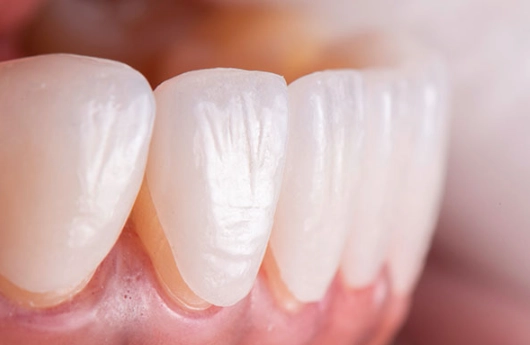
Best for: Closing gaps when the teeth are also discolored, misshapen, or have old fillings. It delivers a complete smile makeover.
The catch: It's the most expensive option and is irreversible. A small amount of tooth enamel must be removed to make room for the veneer. It's a commitment.
5. Dental Bridges or Implants
If the gap is due to a missing tooth, closing it means replacing the tooth. A bridge uses the adjacent teeth as supports for a false tooth. An implant is a titanium post surgically placed in the jawbone with a crown on top.
Best for: Gaps from missing teeth.
The catch: These are restorative, not purely cosmetic, procedures. They are complex and costly but are long-term solutions for tooth replacement.
| Treatment | Best For Gap Size | Average Timeline | Estimated Cost (USD)* | Key Consideration |
|---|---|---|---|---|
| Traditional Braces | Small to Large | 6-18 months | $3,000 - $7,000 | Most predictable; visible during treatment |
| Clear Aligners | Small to Moderate | 6-15 months | $3,500 - $8,000 | Discreet; requires high patient compliance |
| Dental Bonding | Very Small to Small | 1 visit | $300 - $600 per tooth | Fast & affordable; may need future repair/replacement |
| Porcelain Veneers | Small to Moderate | 2-3 visits over a few weeks | $925 - $2,500 per tooth | Most aesthetic & durable; irreversible tooth preparation |
*Costs vary widely by region, case complexity, and dentist expertise. This is a general range for comparison.
How to Choose the Right Treatment for Closing Your Dental Gap
Staring at that table can be overwhelming. Let's simplify the decision process. Ask yourself these questions:
How big is the gap? A 1mm space is a bonding candidate. A 4mm space likely needs orthodontics to move teeth, possibly combined with veneers for final aesthetics.
What's your budget now vs. long-term? Bonding is cheap now but may have maintenance costs later. Braces have a higher upfront cost but a permanent, natural result.
What's your timeline? Need it fixed for a wedding in a month? Bonding or temporary options might be your only choice. Willing to invest a year for an ideal result? Consider aligners or braces.
What else is going on with your teeth? Are they crooked? Stained? Worn? If the gap is just one issue, veneers or orthodontics that address the whole picture might be better value.
Here’s my blunt advice: Start with a consultation with an orthodontist and a cosmetic dentist. Get two perspectives. The orthodontist will focus on tooth movement and bite. The cosmetic dentist will focus on shape, color, and final appearance. Their recommendations might differ, and that's okay. It gives you the full picture to decide.
The Real Cost of Closing Teeth Gaps
Let's talk numbers, because no one likes surprises. The costs in the table are national averages, but here’s what that really means.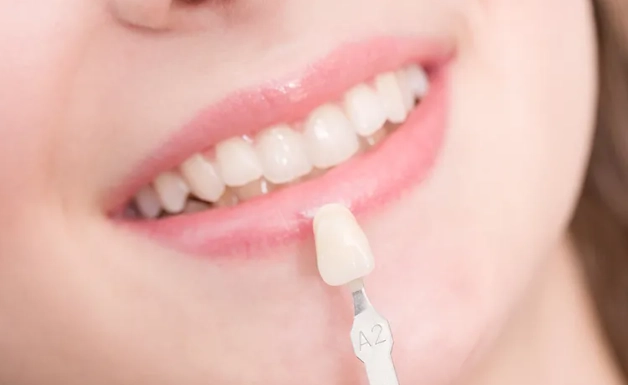
In a major city, a top cosmetic dentist might charge $2,500 per veneer, while a general dentist in a smaller town might charge $1,200. Invisalign might cost $5,500 for a simple case but $8,000 if you need refinements and additional trays.
Does insurance help? Sometimes. If the gap is causing functional problems (speech, food impaction), medical necessity might be established, and orthodontics could be partially covered. Purely cosmetic procedures like bonding or veneers are almost never covered. Always, always get a pre-treatment estimate from your insurance company.
Many dental offices offer payment plans or work with third-party financing companies like CareCredit. Don't be afraid to ask about options.
One more cost people forget: retention. After any orthodontic treatment (braces or aligners), you must wear a retainer, usually every night, forever. If you don't, your teeth will shift, and that gap will start creeping back. The retainer is non-negotiable and is part of the lifetime cost of your new smile.
Your Questions, Answered
I had braces as a kid and my gap came back. Will closing it again just lead to the same problem?
It likely will if the original cause wasn't addressed. The most common reason for relapse is not wearing your retainer. The second is an untreated large labial frenum. If your gap is back, the first step is to see why. A permanent fixed retainer (a thin wire bonded behind your teeth) or lifelong nightly wear of a removable one is the only guarantee against relapse, regardless of the treatment method.
Is closing a front teeth gap purely cosmetic, or are there health benefits?
It's often both. Cosmetically, it changes your smile. Functionally, closing a gap can make brushing and flossing more effective, reducing the risk of decay and gum inflammation in that area. For some, it improves speech clarity (like pronouncing "s" sounds). If the gap is due to gum disease, closing it after treatment stabilizes the teeth.
Can I close a small gap at home with DIY methods like rubber bands or gap bands?
Absolutely not. This is one of the most dangerous DIY trends. Using non-dental elastics or bands applies uncontrolled force. They can slide below the gum line, cut off blood supply, and cause permanent damage to the roots and bone, leading to tooth loss. The American Association of Orthodontists strongly warns against this. There is no safe, effective at-home method for moving teeth.
How painful is the process of closing a gap with braces or aligners?
It's more pressure and discomfort than sharp pain. With braces, you'll feel soreness for a few days after each adjustment. With aligners, you might feel tightness and pressure for a day or two when switching to a new tray. Over-the-counter pain relievers and soft foods help. The discomfort is a sign the teeth are moving. Cosmetic bonding and veneer prep involve local anesthesia, so you shouldn't feel pain during the procedure, just some sensitivity afterward.
Will closing my gap change my face shape or my smile?
It will change your smile line, usually for the better by creating a more uniform, harmonious appearance. It typically doesn't alter your overall face shape unless the gap closure is part of a major orthodontic correction for an underlying jaw issue. The biggest change is in your smile's aesthetics and often, your confidence when you share it.