You brush. You floss. Maybe you even use a fancy water flosser. But if your diet is missing key nutrients, you might be fighting a losing battle for your oral health. I've seen it countless times in my practice: patients with impeccable hygiene still battling cavities, sensitive teeth, or bleeding gums. The culprit? Often, it's not what they're doing wrong with a toothbrush, but what's missing from their plate.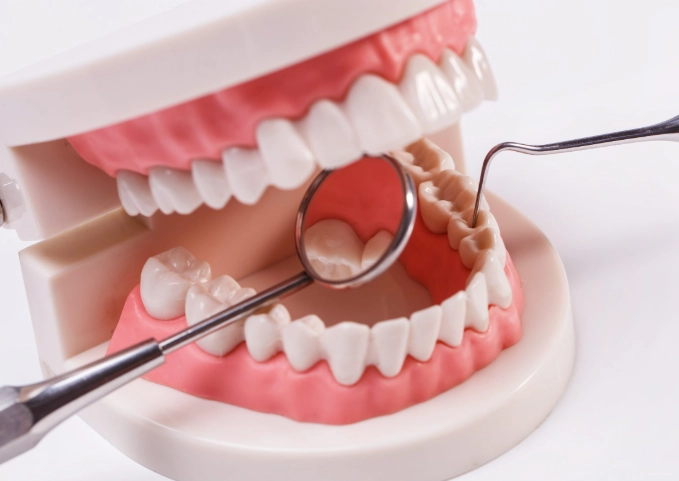
Your teeth and gums aren't isolated structures. They're living tissues that are rebuilt and maintained every day using the raw materials you consume. When those materials are in short supply, your oral health is one of the first systems to send up a flare.
What's Inside This Guide:
The 5 Key Nutrients Your Teeth Crave (And What Happens When They're Missing)
Forget the complex biochemistry for a second. Think of your mouth as a construction site. You need strong bricks (minerals), sturdy glue (connective tissue), and a skilled workforce (vitamins that regulate processes). A shortage of any of these halts the project.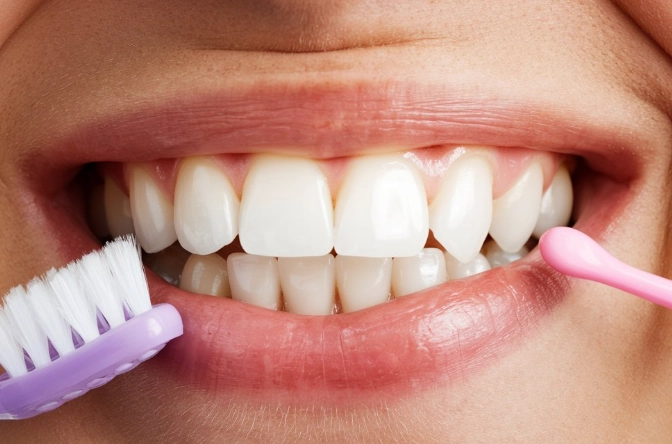
| Nutrient | Primary Role for Teeth & Gums | Best Food Sources | Deficiency Red Flags |
|---|---|---|---|
| Calcium | The main mineral in enamel and dentin. It's the literal building block of tooth structure. | Dairy (milk, cheese, yogurt), sardines with bones, leafy greens (kale, bok choy), fortified plant milks, almonds. | Tooth sensitivity, weaker enamel (more prone to chips/cracks), increased cavity risk. |
| Vitamin D | The "key" that unlocks calcium absorption. Without it, calcium just passes through your system. | Sunlight (primary source), fatty fish (salmon, mackerel), egg yolks, fortified foods. | Often goes hand-in-hand with calcium deficiency signs. Linked to higher rates of gum inflammation (gingivitis). |
| Vitamin C | Essential for producing collagen, the protein that holds your gums tight to your teeth and bones. | Citrus fruits, bell peppers (especially red), strawberries, broccoli, kiwi. | Bleeding gums (even with gentle brushing), swollen gums, loose teeth in severe cases (scurvy). |
| Vitamin K2 | The "traffic director." It guides calcium to your bones and teeth, and away from soft tissues like arteries. | Fermented foods (natto, aged cheese, sauerkraut), grass-fed animal products (liver, egg yolks). | Often overlooked. May contribute to increased tartar buildup and suboptimal bone density around teeth. |
| Phosphorus | Works with calcium to form hydroxyapatite, the crystal structure that makes enamel hard. | Meat, poultry, fish, eggs, nuts, legumes, whole grains. | Rare in isolation, but a poor diet can contribute to general mineral weakness in enamel. |
One major mistake I see? People chugging calcium supplements but seeing no improvement because their vitamin D levels are in the gutter. Or focusing on brushing harder to stop gum bleeding, not realizing it's a sign of weak collagen from low vitamin C. It's about the synergy.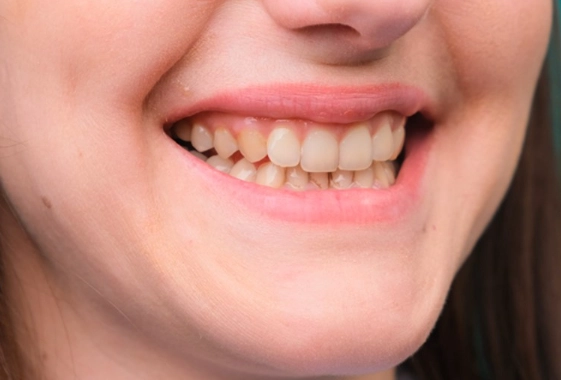
The Vitamin D and Calcium Connection: A Non-Negotiable Duo
This is where many well-intentioned diets fail. You can eat all the kale and cheese in the world, but if your vitamin D is low (and studies suggest a huge portion of the population is deficient, especially in less sunny climates), you might only absorb 10-15% of that calcium. The rest is wasted.
Get your levels checked. It's a simple blood test. Relying on diet alone for vitamin D is tough. Sensible sun exposure is the best natural source. If you're supplementing, look for D3 (cholecalciferol), which is more effective than D2 for raising blood levels.
Early Warning Signs: Is Your Diet Letting Your Smile Down?
Your mouth has a direct line to your nutritional status. Here’s how to listen.
- Bleeding gums when you brush or floss: This is NOT normal. It's not just "sensitive gums." It's often the first, most obvious sign of a vitamin C deficiency weakening your gum tissue. Gums become fragile and inflamed at the slightest provocation. Brushing harder makes it worse, not better.
- Tooth sensitivity to hot, cold, or sweet foods: When enamel weakens or gums recede, the sensitive dentin underneath is exposed. This can be a direct sign of enamel demineralization due to a lack of calcium and phosphorus, or poor absorption due to low vitamin D. It's your tooth's way of saying the protective outer shell is compromised.
- Increased cavities despite good hygiene: This is a huge red flag. If you're suddenly getting more cavities than usual, or they're appearing in unusual places, your enamel's natural remineralization process (where minerals are redeposited into the enamel daily) is likely failing. This process is entirely dependent on having enough minerals and co-factors in your saliva.
- Canker sores or mouth ulcers that won't heal: While stress can be a trigger, recurrent sores can also indicate deficiencies in B vitamins (like B12, B9-folate) or iron, which are crucial for cell repair and a healthy immune response in the mouth.
A Simple, Actionable Diet Strategy to Rebuild Your Smile
You don't need a radical diet overhaul. Think in terms of additions, not just subtractions.
Start With These Three Daily Habits
1. The Calcium-Vitamin D Power Hour: Have one meal a day that combines a calcium-rich food with a vitamin D source. Example: a breakfast of plain Greek yogurt (high in calcium) topped with a handful of vitamin D-fortified cereal or a salmon (rich in vitamin D) and kale (calcium) salad for lunch. This pairing ensures you're actually absorbing the calcium you eat.
2. The Vitamin C Rainbow: At one meal, add a colorful, raw vegetable. A quick salad of bell peppers (red, yellow, green), some cherry tomatoes, and a squeeze of lemon juice is a vitamin C powerhouse that's also great for gum health. Cooking can destroy vitamin C, so raw is best for this.
3. The Micronutrient Boost: Twice a week, incorporate a "superfood" for your teeth. A can of sardines (with bones for calcium, plus vitamin D and omega-3s) on whole-grain toast. Or a small serving of sauerkraut (fermented for vitamin K2 and probiotics, which are great for the oral microbiome).
Let me give you a concrete example from a patient, "Sarah." Sarah had persistent gum bleeding and two new cavities in a year. Her hygiene was great. We looked at her diet: lots of processed "diet" foods, little fresh produce, and she worked an office job, getting minimal sun. We didn't put her on a crazy diet. We just added: a daily vitamin D3 supplement (based on her blood test), a big spinach salad with bell peppers and a hard-boiled egg for lunch, and a snack of full-fat plain yogurt with a few berries. Within three months, her gum bleeding had completely stopped. Her next checkup, six months later, showed no new cavities, and her dentist noted her enamel "looked great." Small, consistent changes build resilient teeth.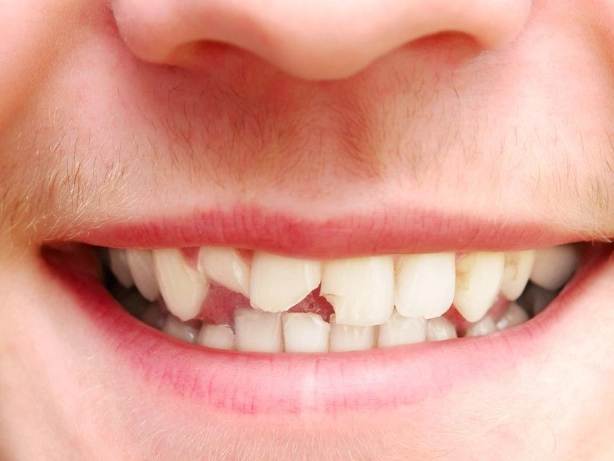
What to Watch Out For: The Modern Diet Traps
Beyond just missing nutrients, some modern habits actively strip minerals from your teeth.
- Constant Snacking and Sipping: Every time you eat or drink anything other than water, your mouth becomes acidic for 20-30 minutes as bacteria feed on the sugars. This acidic environment leaches minerals (demineralization) from your enamel. Frequent grazing means your teeth are under constant acid attack, with no time for saliva to neutralize and remineralize.
- Processed Foods and Phytic Acid: Diets high in processed grains and sugars can be low in minerals. Furthermore, whole grains, nuts, and seeds contain phytic acid, which can bind to minerals like calcium and zinc in your gut, preventing their absorption. This doesn't mean you should avoid healthy whole grains! It means soaking, sprouting, or fermenting them (think sourdough bread) can significantly reduce phytic acid and make the minerals more available.
Your Top Questions on Nutrition and Teeth
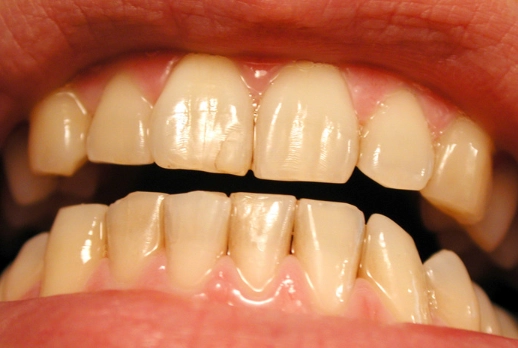
The takeaway is simple, yet profound. Your oral health is a mirror of your overall nutritional status. Investing in a nutrient-dense diet isn't just about weight or energy; it's about building teeth that are resilient from the inside out. Start with one of the three daily habits today. Pay attention to the signals your mouth is sending. It might just be the most important conversation about your health you have all day.