Quick Guide
- What Exactly Is Tooth Filing? It's Not What You Think
- So, Is It Painful to File Teeth? Let's Break It Down
- The Step-by-Step: What Happens During the Filing Appointment
- What About AFTER? The Real Test of Pain
- Who Should NOT Get Their Teeth Filed (The Pain Risk Goes Up)
- Common Questions (The Stuff You're Really Wondering)
- Final Verdict: Should You Worry About Pain?
You're probably here because you've seen those perfect smiles online or heard about a quick fix for minor imperfections. The idea of filing teeth – dentists call it enamel contouring or reshaping – sounds equal parts intriguing and, let's be honest, a bit scary. The first question that pops into anyone's head is a simple one: is it painful to file teeth?
I get it. The sound alone can make you cringe. But here's the thing – what you imagine and what actually happens in the dentist's chair are often two very different stories. I've talked to dentists, read more dental journals than I care to admit, and even know a few people who've gone through with it. The short answer? For the vast majority of people, no, it's not a painful procedure. Uncomfortable maybe, but not painful in the traditional sense.
But that's just the headline. You're here for the details, the nitty-gritty of what to expect. That's exactly what we're going to cover. We'll peel back the layers on what tooth filing actually involves, when it hurts (and when it absolutely shouldn't), and how modern dentistry makes the whole experience remarkably manageable.
The Core Truth: Enamel contouring is a superficial procedure. It works on the outermost layer of your tooth – the enamel – which contains no nerves or blood vessels. Think of it like filing a fingernail. You don't feel your nail being clipped, right? The principle is similar. Discomfort usually comes from other factors: the vibration, the sound, the water spray, or holding your mouth open, not from sharp pain in the tooth itself.
What Exactly Is Tooth Filing? It's Not What You Think
Before we dive into the pain question, let's clear up what we're even talking about. "Filing teeth" sounds medieval, but in a dental office, it's a precise, controlled cosmetic procedure with a fancy name: enameloplasty, odontoplasty, or simply recontouring.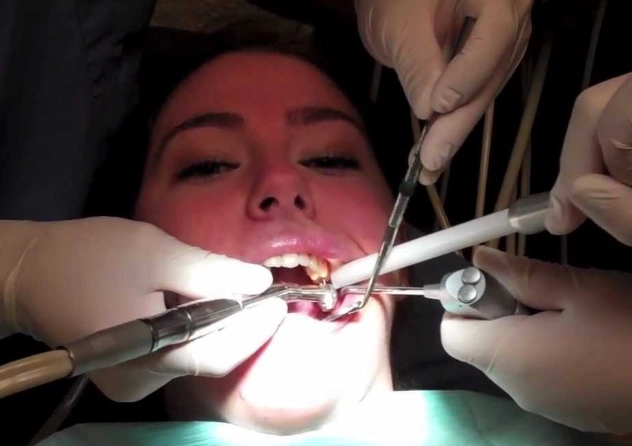
The goal isn't to take off huge chunks. It's about subtle artistry. We're talking about removing microscopic amounts of enamel – fractions of a millimeter – to change the shape, length, or surface of a tooth. It's for fixing those little things that bug you: a tooth that's slightly longer than its neighbor, a tiny chip on the edge, a rough spot, or minor overlaps that aren't severe enough for braces.
It's a one-visit, non-invasive alternative to veneers or crowns for the right candidate. But – and this is a huge but – it only works on enamel. If your issue involves the darker dentin layer underneath, filing isn't the solution, and attempting it could lead to sensitivity or worse.
Which brings me to a critical point. A good dentist will do a thorough exam first, often with X-rays, to check your enamel thickness. This isn't a procedure for everyone. If you have thin enamel or existing sensitivity, your dentist should (and a responsible one will) steer you away from it. The American Dental Association (ADA) notes that enamel contouring is considered a conservative treatment, but its success hinges on proper case selection.
So, Is It Painful to File Teeth? Let's Break It Down
Alright, the moment of truth. Let's move past the simple "yes or no" and look at the different levels of sensation you might experience. I find a table helps make sense of this.
| Sensation Type | What It Feels Like | Why It Happens | How Common Is It? |
|---|---|---|---|
| No Sensation | You feel pressure or vibration, but no pain at all. Like a gentle buzzing on the tooth. | The filing is strictly on the insensitive enamel layer. | Very common for minor adjustments on front teeth. |
| Mild Discomfort / Vibration | A buzzing, gritty feeling. Not painful, but strange and noticeable. | The tool (a fine diamond bur or disc) vibrates against the hard enamel. | The most common experience. |
| Cold Sensitivity | A quick, sharp zing from air/water spray, not from the filing itself. | The spray cools the tooth, and if a tiny bit of dentin is nearing, it can react. | Occasional, usually brief. |
| Pinching / Poking Sensation | A more pointed discomfort, usually on the gum line. | The tool or debris might irritate the gum tissue slightly. | Less common, depends on the work area. |
| Genuine Pain | A deep, aching, or sharp pain in the tooth. | A red flag. Could mean the filing is too deep, hitting dentin, or there's a pre-existing issue. | Rare. Should be communicated to the dentist immediately. |
See that last row? Genuine pain is a stop sign. A skilled dentist will use their tools with a feather-light touch and constantly check your comfort. If you feel actual pain, you should raise your hand (literally) right away. It means something needs to change – maybe more anesthetic, or a reassessment of the plan.
I remember a friend who got her slightly overlapping front teeth contoured. Her biggest complaint wasn't pain – it was the sound. She said it was like a high-pitched, distant dentist drill sound, which she found more psychologically unsettling than anything physically painful. The dentist gave her headphones with music, and that solved it. Just goes to show, the experience is more than just physical sensation.
Why You Might Feel Something: The Nerves Aren't Where You Think
People assume the whole tooth is sensitive. It's not. The living part of your tooth – the pulp with all the nerves and blood vessels – is buried deep in the center. Surrounding that is dentin, which has microscopic tubules that can transmit sensation if exposed. On the outside is your enamel, the hardest substance in your body and completely inert.
As long as the filing stays in the enamel, you're not touching any sensitive structures. It's a buffer zone. The challenge is that enamel thickness varies. According to a review in the National Center for Biotechnology Information (NCBI) database, enamel on the biting edges of front teeth can be around 2 mm thick, but on the sides near the gum line, it can be much thinner. A good dentist maps this out mentally before they even pick up a tool.
That's the science. But what about in the chair?
The Step-by-Step: What Happens During the Filing Appointment
Knowing the process takes away a lot of the anxiety. Let's walk through it.
Step 1: The Consultation & Mark-Up. This is the most important step. A responsible dentist won't start filing the moment you sit down. They'll discuss your goals, examine your teeth, and likely take photos or impressions. Then, they might use a special pencil to mark directly on your teeth exactly where they plan to remove enamel. You get to see the plan and agree to it. No surprises.
Step 2: Numbing? Usually Not, But Sometimes Yes. Here's a key point. Most of the time, anesthesia isn't needed because, as we said, enamel has no feeling. However, if the work is very close to the gum line where enamel is thin, or if you're particularly anxious, the dentist might apply a topical numbing gel or even give a local anesthetic. Don't be afraid to ask for it if you're worried. A good practice will prioritize your comfort.
Step 3: The Filing Itself. The dentist uses a slow-speed handpiece with a fine diamond-coated bur or disc. It's not the high-speed drill used for cavities. It's more of a gentle polishing or sanding tool. They use a light, brushing motion, removing tiny amounts at a time. You'll feel vibration and hear a soft, sanding sound. There's usually a water spray to keep the tooth cool and wash away debris.
Step 4: Checking and Refining. The dentist stops frequently to check progress, often having you sit up to look in a mirror. They'll feel the edges with their instruments (and often have you run your tongue over it) to ensure it's smooth. The final step is polishing the filed areas to a smooth, shiny finish that matches the rest of your tooth.
The whole thing for a few teeth can take 30 minutes to an hour. It's not a marathon.
What About AFTER? The Real Test of Pain
Sometimes the procedure is a breeze, but the aftermath is rough. So, does it hurt after they file your teeth?
Typically, recovery is a non-event. Since it's not invasive, there's no healing time, no stitches, no dietary restrictions. You walk out and go about your day. However, there are two potential post-op issues:
- Sensitivity: This is the most common "after-effect." You might experience some sensitivity to cold air, drinks, or even sweet foods for a few days or weeks. Why? Even though the dentist stayed in the enamel, they've slightly altered the tooth's structure. The enamel is a little thinner, so it may insulate the inner tooth a bit less effectively. This usually fades as the tooth naturally re-mineralizes. Using a sensitivity toothpaste (like those with potassium nitrate or stannous fluoride) can help a lot.
- Gum Irritation: If the work was near the gum line, the tissue might be a little tender or inflamed for a day or two. Warm salt water rinses can soothe this.
Significant, throbbing pain after the appointment is unusual. If that happens, it could indicate that too much enamel was removed, exposing dentin, or that there was an undetected problem with the tooth (like a small crack or cavity). In that case, you need to call your dentist back.
A Warning Worth Heeding: Enamel doesn't grow back. This is a permanent change. That's why the consultation is so critical. A less-than-scrupulous practitioner might over-promise and remove too much, leading to long-term sensitivity or weakening the tooth. Always get a second opinion if you're unsure. The Mayo Clinic lists enamel contouring as a cosmetic option but cautions that it's only for removing small amounts of enamel.
Who Should NOT Get Their Teeth Filed (The Pain Risk Goes Up)
This procedure isn't for everyone. If you fall into these categories, the answer to "is it painful to file teeth?" might very well be "yes," and it could cause problems.
- People with Thin or Worn Enamel: If your enamel is already compromised from acid erosion (diet, GERD), aggressive brushing, or bruxism (teeth grinding), you have less to give. Filing could quickly reach sensitive dentin.
- People with Active Gum Disease: Unhealthy gums are more sensitive and prone to irritation and recession. The procedure could aggravate it.
- People with Large Cavities or Deep Cracks: The structural integrity of the tooth is already in question. Filing could make it worse.
- Those with Severe Misalignment: Enamel contouring is for subtle changes. Trying to fix a major overbite or crossbite by filing is a bad idea and will not work.
- If You're Looking for a Dramatic Color Change: Filing doesn't whiten teeth. It only changes shape. For color, you'd need bleaching, veneers, or bonding.
Managing Anxiety and Pain Perception
Let's talk about the brain, because a lot of "pain" is anticipation and fear. The sound of dental tools is a huge trigger for many. Here are some practical tips if you're nervous:
Communicate. Tell your dentist you're anxious. A good one will explain each step before they do it. No surprises.
Ask for Breaks. You're in control. Need to swallow or take a breath? Raise your hand.
Distract Yourself. Wear headphones with music or a podcast. Some offices have TVs on the ceiling.
Discuss Sedation Options. For extreme anxiety, oral conscious sedation (a pill) or nitrous oxide ("laughing gas") can make the experience float by with zero stress.
Bring a Stress Ball. Squeezing something can redirect your nervous energy.
Your mindset matters. Going in expecting a horror story will make every sensation feel worse.
Common Questions (The Stuff You're Really Wondering)
Absolutely not. Do not try this. This is a terrible, dangerous idea. Online kits are a scam. Filing your own teeth will almost certainly be painful because you will damage your enamel irreparably, likely hit dentin, create rough edges that cut your tongue and cheeks, and open the door to decay and infection. It's a one-way ticket to an expensive and genuinely painful emergency dental visit. Professional tools and expertise are non-negotiable.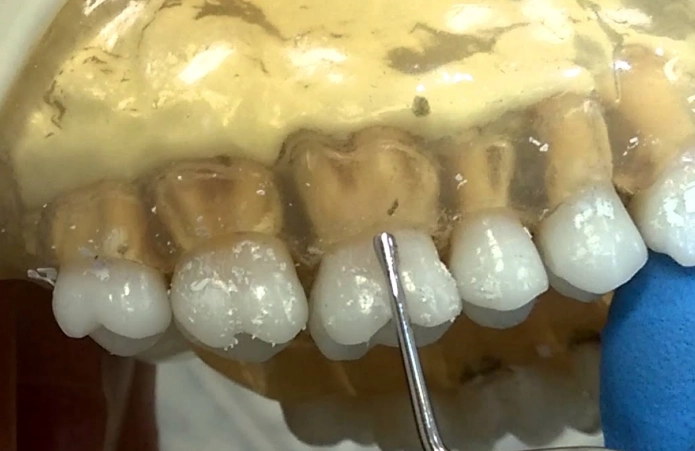
This is a different process. Filing for a cavity (to prepare the tooth for a filling) involves removing decayed enamel and dentin, which is sensitive. This does require local anesthetic to be painless. It's a restorative procedure, not a cosmetic one. Don't confuse the two.
Sometimes, orthodontists do a minimal filing between teeth (called interproximal reduction or IPR) to create a tiny bit of space for alignment. This is also done on enamel and is typically not painful, though you might feel pressure and a flossing-like sensation. Anesthetic is rarely used.
Cost varies ($50-$300 per tooth), but a higher price doesn't directly correlate with less pain. It correlates with the dentist's experience, geographic location, and the complexity of the case. A more experienced dentist might work more efficiently and precisely, which can contribute to a more comfortable experience, but the fundamental sensation of the procedure is the same.
Final Verdict: Should You Worry About Pain?
Look, if you're a good candidate – you have healthy, thick enamel and minor cosmetic issues – then the fear of pain shouldn't stop you. The overwhelming likelihood is that you'll experience vibration, pressure, and maybe some temporary sensitivity, but not sharp, distressing pain.
The real risk isn't pain during the procedure; it's choosing the wrong dentist or the wrong case. A qualified, careful dentist is your best insurance policy against a bad experience.
So, is it painful to file teeth? For the vast majority, no. Uncomfortable? Maybe for a moment. A weird sensation? Definitely. But a painful, traumatic ordeal? That's the exception, not the rule.
Do your homework, get a proper consultation, communicate your fears, and you'll likely find that achieving that little bit of symmetry or smoothing out that rough edge is far easier – and less dramatic – than you ever imagined. Your smile might just thank you for it.