Quick Guide
- Why Does My Jaw Hurt After a Filling? It's Not Just Your Imagination
- Your Action Plan: How to Relieve Jaw Pain After Filling at Home
- When "Wait and See" Is Over: Signs You Need to Call Your Dentist
- Beyond the Immediate Fix: Long-Term Jaw Care After Dental Work
- Your Jaw Pain After Filling Questions, Answered (FAQ)
Let's be honest, nobody looks forward to a dental filling. You get through the appointment, feel relieved it's over, and then... your jaw starts to ache. It's this dull, persistent soreness that makes chewing a chore and even just resting your face uncomfortable. If you're sitting there thinking, "How on earth do I relieve this jaw pain after my filling?" – you are absolutely not alone. This is incredibly common, and more importantly, it's usually temporary and manageable.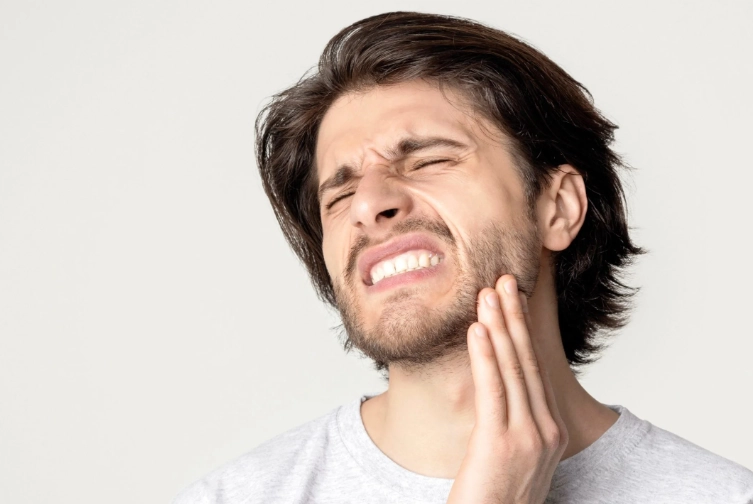
I remember after a particularly long filling session on a back molar, my jaw felt like it had run a marathon. I couldn't open my mouth wide for a day or two. It was frustrating because the tooth itself felt fine, but the surrounding muscles were in revolt. That experience sent me down a rabbit hole of research and conversations with my dentist to understand why this happens and what truly works to find relief.
This guide is the result. We're going to break down exactly why your jaw is protesting, walk you through safe and effective ways to soothe it at home, and crucially, identify the red flags that mean you need to pick up the phone and call your dentist. Knowing how to relieve jaw pain after filling is about combining smart self-care with knowing when to seek professional help.
The Bottom Line Up Front: Jaw soreness after a filling is normal for a few days. The key to relief is a combo of rest, gentle care, and over-the-counter pain relievers if needed. Severe pain, swelling, or pain that lasts more than a week is your cue to call the dentist.
Why Does My Jaw Hurt After a Filling? It's Not Just Your Imagination
Before we jump into solutions, it helps to know your enemy. Understanding the "why" makes the "how to fix it" make a lot more sense. That ache isn't coming from your filled tooth (usually), but from everything around it that had to work overtime during your appointment.
The Biggest Culprit: Pure Mechanical Strain
Think about what your jaw went through. You had to hold your mouth wide open, often at an awkward angle, for a prolonged period—anywhere from 20 minutes to over an hour. Your temporomandibular joint (TMJ) and the muscles that control it (the masseter, temporalis, and pterygoids, if you want the technical names) were under constant tension. It's like holding a weight at arm's length for a long time; eventually, those muscles fatigue and get sore. This is the most common reason for post-filling discomfort and the primary one we address when learning how to relieve jaw pain after a dental filling.
The Injection Site (The Lesser-Known Contributor)
Local anesthesia is a miracle, but the needle has to go somewhere. The anesthetic is often deposited near the nerves that serve your jaw muscles. The fluid volume from the injection itself can cause temporary tissue distension and minor trauma, leading to a deep ache in the area that can be hard to distinguish from muscle pain. This typically fades within a day or two.
Bite Alignment – The Sneaky One
This is a biggie. After your filling is placed, the dentist checks your bite by having you bite down on a special paper. The goal is to ensure the new filling isn't too high. But sometimes, a tiny high spot can be missed. If the filling is even a fraction of a millimeter too tall, it means that tooth hits first when you chew. Your jaw muscles, in an attempt to protect the tooth, can go into spasm, causing significant pain. It doesn't always feel like the tooth itself is high; the pain often manifests in the jaw joint and muscles.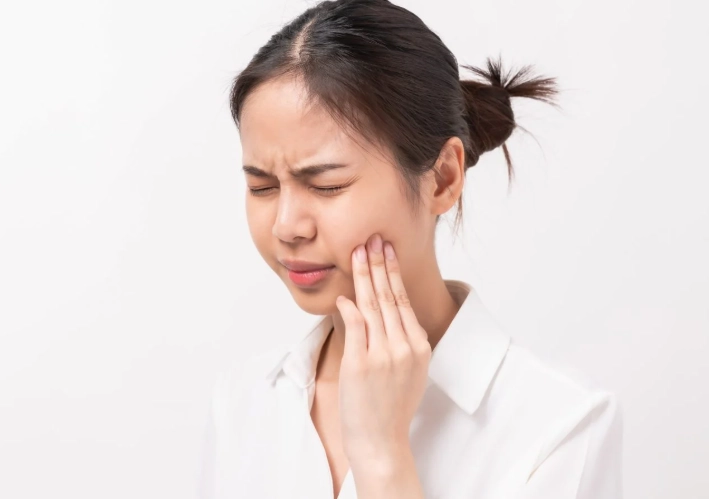
Other less common reasons include pre-existing TMJ issues that were aggravated, or simply stress and tension you held in your jaw during the procedure (we all clench a little when we hear the drill!).
Pro Tip from My Dentist: If the pain is a sharp, stabbing sensation only when you bite down hard, it's very likely a bite issue. A simple, quick adjustment at the dentist's office can make it vanish instantly.
Your Action Plan: How to Relieve Jaw Pain After Filling at Home
Okay, so your jaw is sore. What now? Here’s a practical, step-by-step approach you can start right away. I’ve ranked these in order of what I’ve found most effective and what dentists consistently recommend.
Top Tier: The Immediate Soothers
These are your first line of defense for the first 24-48 hours.
- The Gold Standard – Cold Therapy: Apply an ice pack or a bag of frozen peas wrapped in a thin towel to the sore side of your jaw. Do this for 15-20 minutes at a time, with at least 20-minute breaks in between. The cold reduces inflammation and numbs the pain receptors. It’s the single best thing you can do for acute muscle soreness.
- Smart Medication: Over-the-counter non-steroidal anti-inflammatory drugs (NSAIDs) like ibuprofen (Advil, Motrin) or naproxen (Aleve) are fantastic here. They don't just mask pain; they actually reduce the inflammation in the overworked jaw muscles. Acetaminophen (Tylenol) works for pain but doesn't tackle inflammation. Always follow the package directions and check with your doctor if you have any health conditions. The National Library of Medicine provides reliable information on medication use.
- Give It a Rest: This sounds obvious, but it's crucial. Stick to a soft diet. Think yogurt, mashed potatoes, soup, smoothies, scrambled eggs. Avoid chewing gum, bagels, nuts, steak, or anything that requires vigorous chewing. Let those muscles go on vacation for a few days.
But你知道吗? Sometimes, after the first day or two, warmth can be more comforting than ice.
The Follow-Up: Gentle Recovery Aids
After the initial inflammation calms down, these techniques promote healing.
- Warm Compresses: Switch to moist heat after 48 hours if stiffness persists. A warm (not hot) washcloth held against your jaw can increase blood flow, relax tight muscles, and ease stiffness. It feels wonderful.
- Mindful, Gentle Movement: Don't lock your jaw shut. Gently open and close your mouth, and move your jaw slowly from side to side, without forcing it or causing pain. This prevents stiffness from setting in. Avoid wide yawns or taking big bites of food.
- Sleep Position Matters: Try to sleep on your back or on the side that isn't sore. Sleeping on the sore side can add pressure and strain. If you're a stomach sleeper (like me, it's a bad habit), try propping yourself up with an extra pillow to minimize jaw twisting.
“Many patients focus on the tooth, but the musculoskeletal discomfort from keeping the mouth open is often the main source of post-operative complaint. Simple conservative measures are highly effective.” – This echoes the general advice from dental authorities like the American Dental Association, which discusses managing post-procedural sensitivity and discomfort.
What About Massage or Jaw Exercises?
You might see this advice online. Be very cautious. In the acute phase (first few days), deep massage can irritate the already-strained muscles. Light, gentle fingertip circular motions on the cheek area over the masseter muscle (you can feel it clench when you bite down) might help. But aggressive stretching or "jaw workouts" are a bad idea. If you have a history of TMJ problems, it's best to follow your dentist's or physical therapist's specific guidance.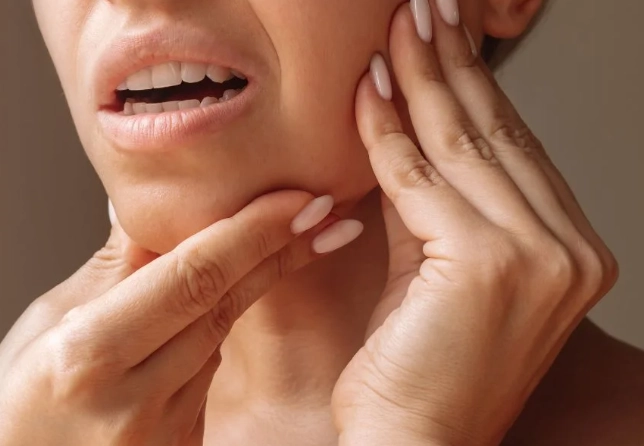
When "Wait and See" Is Over: Signs You Need to Call Your Dentist
This is the part most people are anxious about. How do you know if it's normal soreness or something wrong with the filling itself? Here’s a clear breakdown. Use this table as your cheat sheet.
| What You're Feeling | Likely Cause | What to Do |
|---|---|---|
| Dull ache or soreness in the jaw joint/muscles, especially when chewing or upon waking. Lasts 2-5 days. | Normal post-operative muscle fatigue and strain. | Follow the home care plan above. It should gradually improve. |
| Sharp, electric, or throbbing pain inside the tooth, especially with hot/cold or sweets, that lingers. | Possible pulp inflammation (pulpitis) or that the decay was very deep. | Contact your dentist. The tooth may need further evaluation or a root canal. |
| Pain only when biting down hard (like a sharp crunch). | High filling – the filling is too tall and disrupting your bite. | Call your dentist. This is usually a very quick, painless adjustment. Don't suffer through this! |
| Constant, severe, throbbing pain that isn't helped by painkillers, possibly with swelling of the gum/face or a bad taste. | Potential infection or abscess. | Call your dentist immediately. This requires urgent professional treatment, possibly antibiotics. |
| Jaw pain, clicking, popping, or locking that persists for more than 7-10 days. | Aggravated TMJ disorder or significant muscle strain. | Schedule a follow-up. Your dentist may recommend a night guard, physical therapy, or other TMJ management strategies. Resources like the Mayo Clinic outline these conditions well. |
Red Flag Alert: If you experience significant swelling in your face or cheek, difficulty breathing or swallowing, or a fever, seek medical attention immediately. These are signs of a serious infection that needs prompt care.
Look, I made the mistake of ignoring a "bite-only" pain once, thinking it would settle. It didn't. It made my whole head ache. One 2-minute adjustment at the dentist's and it was completely gone. Don't be stubborn like I was.
Beyond the Immediate Fix: Long-Term Jaw Care After Dental Work
Once the immediate pain is gone, it's smart to think about keeping your jaw happy in the long run, especially if you have more dental work in your future.
- Communication is Key: At your next cleaning or appointment, tell your hygienist and dentist if you had significant jaw soreness last time. They can offer more breaks during the procedure, provide a bite block (a small rubber piece to rest your teeth on so you don't have to actively hold your jaw open), or be more mindful of your jaw position.
- Consider a Night Guard: If you grind or clench your teeth at night (bruxism), you're already putting extra strain on your jaw muscles. A filling appointment can push them over the edge. A custom-fitted night guard from your dentist can be a game-changer for preventing daily and post-procedural soreness.
- Mind-Body Connection: Stress lives in the jaw for many of us. Simple awareness—checking if your teeth are clenched during the day and consciously letting your jaw go slack, with lips together and teeth apart—can reduce baseline tension.
Your Jaw Pain After Filling Questions, Answered (FAQ)
How long should this jaw pain last?
Typically, muscle soreness peaks around 24-48 hours after the appointment and should steadily improve over the next 3-5 days. By a week, it should be pretty much gone. If it's getting worse after day 3 or hasn't improved at all after a week, it's time to check in with your dentist.
Is it okay to use a heating pad right away?
I wouldn't. For the first 48 hours, stick with cold. Heat can increase blood flow and potentially worsen inflammation in the acute phase. After a couple of days, if the pain feels more like stiffness than acute soreness, switch to warmth.
Can I exercise after getting a filling?
Light activity is fine, but I'd skip heavy weightlifting, intense cardio, or anything that makes you clench your jaw (like heavy deadlifts) for a day or two. The increased blood pressure and involuntary clenching can aggravate the sore muscles.
What's the best over-the-counter painkiller for this type of pain?
For muscle-based jaw pain, an NSAID like ibuprofen is often more effective than acetaminophen because it targets inflammation. Always take it with food and follow the label. If you can't take NSAIDs, acetaminophen is the alternative for pain relief.
Could this pain mean my filling is cracked or failing?
It's possible but not the most common cause. Jaw pain is usually muscular. Pain specifically in the tooth—especially sensitivity or a constant ache—is a stronger indicator of a filling issue. The bite-related sharp pain on chewing is another clue something might be off with the restoration itself.
Figuring out how to relieve jaw pain after filling really boils down to listening to your body. Normal soreness responds well to rest, gentle care, and patience. Pain that breaks the pattern—severe, tooth-focused, bite-specific, or long-lasting—is your body's way of asking for a professional opinion.
The goal isn't just to get through the discomfort, but to ensure your mouth is healthy and functioning properly after the procedure. A little bit of informed self-care goes a very long way, and knowing when to call for backup is the smartest move you can make.