Quick Navigation
- The Science of a Whiter Smile (It's Not Magic)
- Your Home Whitening Toolkit: A Method-by-Method Breakdown
- Side-by-Side: How Do the Top Home Methods Compare?
- The Non-Negotiables: Safety and Realistic Expectations
- Your Action Plan: How to Actually Do This Successfully
- Answers to the Questions You're Actually Typing Into Google
- Final Thoughts: Making Your Decision
Let's be honest. We've all scrolled through social media and seen those dazzling, perfect smiles. And the first thought is often, "I wish my teeth were that white." A trip to the dentist for professional whitening can be fantastic, but it's also a significant hit to the wallet. That's why the promise of fast teeth whitening at home is so incredibly tempting. It sounds like the perfect solution: convenience, privacy, and a lower cost. But with so many options screaming for your attention—strips, gels, pens, LED lights, even weird TikTok hacks—it's hard to know what's legit and what's a total waste of money (or worse, harmful).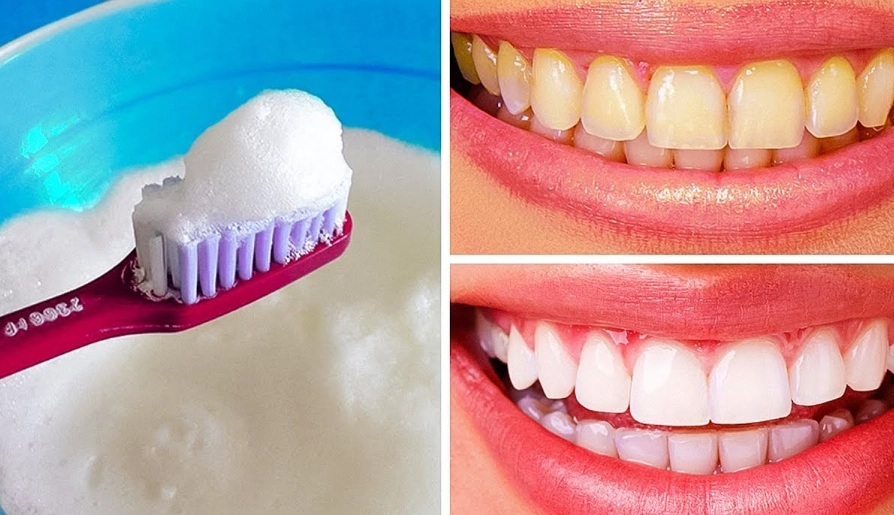
I've been down this rabbit hole myself. A few years ago, before a big wedding, I panicked about my coffee-stained smile and tried one of everything. Some things worked okay. Others were a complete disappointment and left my teeth feeling like they'd been sandpapered. It was a learning experience, to say the least.
So, I decided to dig deeper, look past the marketing hype, and combine personal trial with some actual research. This guide is meant to cut through the noise. We'll break down every popular method for achieving fast teeth whitening at home, talk about how they actually work, what you can realistically expect, and most importantly, how to do it without harming your enamel or sending your sensitivity through the roof.
The Science of a Whiter Smile (It's Not Magic)
Before we jump into the "how," it helps to understand the "why." Why are our teeth not naturally paper-white? The outer layer of your tooth, the enamel, is actually semi-translucent. The color you see comes from the next layer down, the dentin, which is naturally yellowish. Over time, the enamel gets stained by what dentists call "extrinsic stains." These are the surface-level culprits we all know and love: coffee, tea, red wine, soy sauce, berries, and tobacco.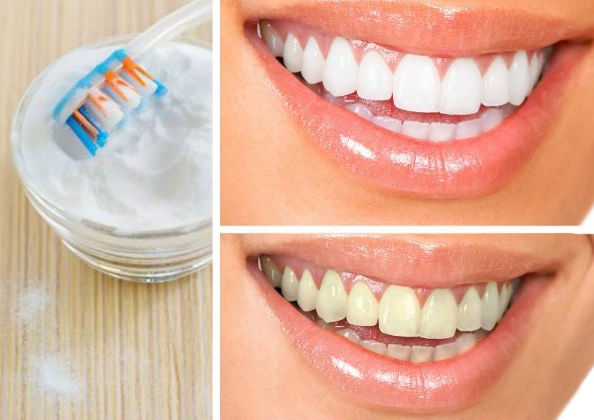
Deeper, "intrinsic stains" can come from within the tooth due to things like certain medications (tetracycline antibiotics), trauma, or too much fluoride as a child. Home methods primarily tackle the extrinsic, surface stains. That's a key point to remember—managing expectations is half the battle.
So, when you're looking for fast teeth whitening at home, you're essentially looking for a safe and effective way to help those peroxide agents do their job on the surface stains.
Your Home Whitening Toolkit: A Method-by-Method Breakdown
Okay, let's get into the meat of it. Here’s a look at the most common ways people try to brighten their smiles in their own bathrooms.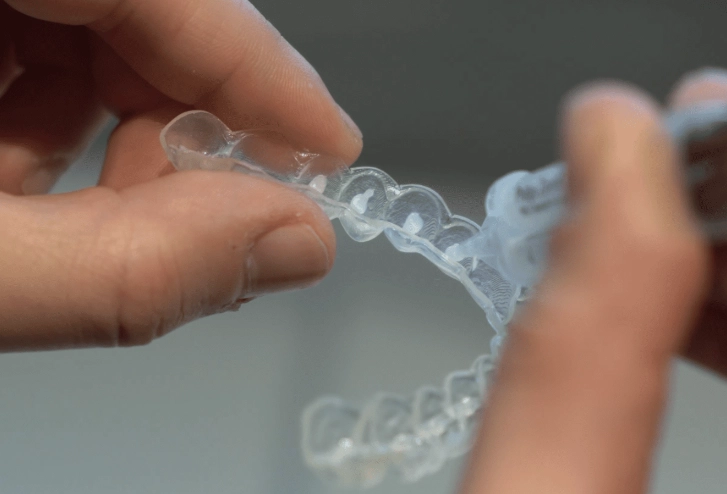
Whitening Strips: The Supermarket Staple
These are probably the first thing you think of. Thin, flexible plastic strips coated with a peroxide-based gel. You press them onto your teeth for 30 minutes to an hour a day, usually for a week or two.
The Good: They're relatively inexpensive, easy to find, and can deliver noticeable results for mild to moderate staining. The formula is usually consistent. I found that a major brand's "3-day express" kit did lighten my teeth visibly, though not as dramatically as the box showed.
The Not-So-Good: Fit can be an issue. If your teeth are uneven, the strips might not contact every surface equally, leading to patchy results. The gel can ooze onto your gums, causing irritation. And let's be real, talking or drinking with them on is a messy, awkward experience.
Are they a good option for fast teeth whitening at home? For a quick boost, yes. But for deep stains or perfectly even results, they might fall short.
Whitening Gels and Trays (The Step-Up)
This method involves filling a mouthguard-like tray with a bleaching gel and wearing it for a period each day. You can get boil-and-bite kits from the store or, for a more premium experience, get custom-fitted trays from your dentist (which is more expensive but offers the best fit and gum protection).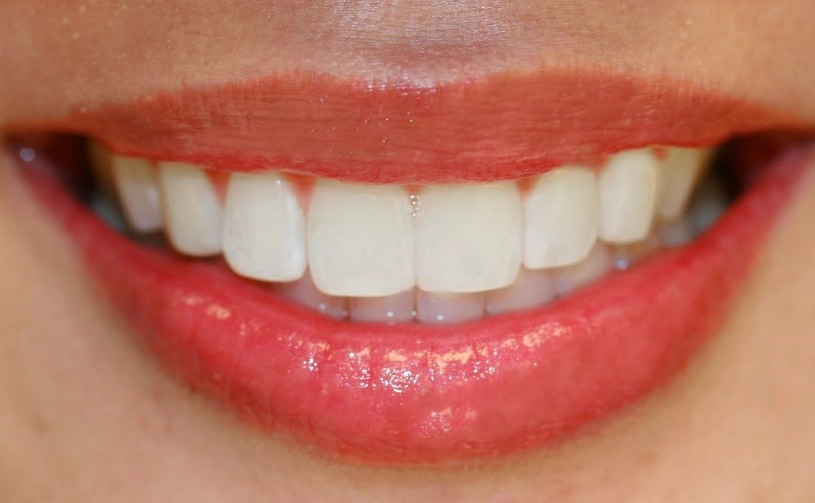
The Good: Better coverage than strips. The gel touches all surfaces of the teeth enclosed in the tray, leading to more uniform whitening. You have more control over the concentration of peroxide in the gels you use.
The Not-So-Good: The store-bought trays rarely fit perfectly. A poor fit means more gel contact with your gums, which equals sensitivity and potential irritation. The process is also more involved than slapping on a strip. If you go the dentist route, it's not really a "home" kit in the pure sense, though you do the application at home.
Whitening Toothpaste and Rinses: The Daily Drivers
These don't "bleach" in the traditional sense. They contain mild abrasives (like silica) and chemicals (like pyrophosphates) to help scrub away surface stains. Some have low concentrations of peroxide.
The Good: Fantastic for maintenance! Once you've achieved a whiter shade, using a whitening toothpaste can help slow down the re-staining process. It's a safe, integrated part of your daily routine.
The Not-So-Good: Calling this "fast" would be misleading. The effects are very gradual and subtle. They won't change the intrinsic color of your teeth or remove old, set-in stains. And some can be too abrasive if used aggressively, which can wear down enamel over time—the opposite of what you want!
The Natural Remedies Corner (A Reality Check)
This is where the internet gets creative. Baking soda, activated charcoal, lemon juice, strawberry scrubs... the list goes on. Let's be blunt here.
If you're drawn to a more natural approach, look for products that have been formulated by dental professionals to be safe, rather than mixing kitchen ingredients.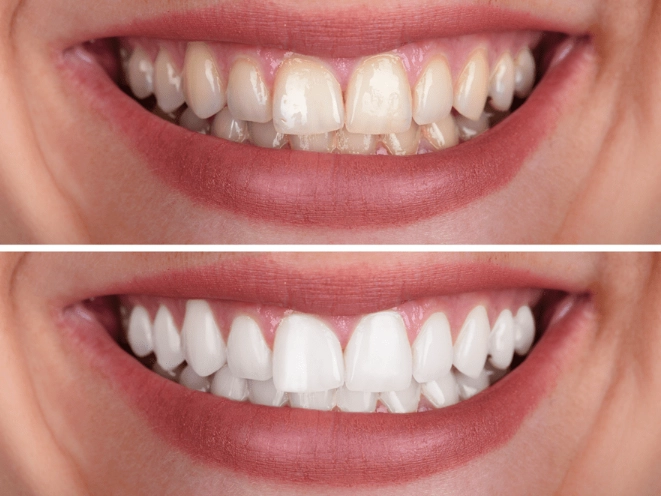
Side-by-Side: How Do the Top Home Methods Compare?
It's one thing to describe them, another to see them lined up. This table should help you compare the key features at a glance.
| Method | How It Works | Speed of Results | Best For | Potential Downsides |
|---|---|---|---|---|
| Whitening Strips | Peroxide gel on strips adheres to teeth. | Noticeable in 3-7 days. | Mild to moderate staining, beginners, budget-conscious. | Can cause gum irritation, uneven application, messy. |
| Whitening Pens | Precise gel application directly onto tooth surface. | Very gradual, for touch-ups. | Spot-treating specific teeth, maintenance on the go. | Easy to smear, results are minimal, not for full arches. |
| LED Light Kits | Peroxide gel + blue LED light claimed to accelerate process. | Marketers claim "1-hour whitening." | Those attracted to techy solutions. | ADA states light adds little to no benefit, may be a gimmick. Can be expensive for what it is. |
| Custom Tray Kits (Dentist) | Professional-grade gel in custom-fitted trays. | Significant results in 1-2 weeks. | Serious whitening, even results, minimizing sensitivity. | Higher cost, requires dentist visit for impressions. |
| Whitening Toothpaste | Abrasives & chemicals remove surface film. | Weeks to months for subtle change. | Daily maintenance, preventing new stains. | Will not "bleach" teeth, overuse can be abrasive. |
Looking at that table, it becomes clear that "fast" is relative. Strips and custom trays are your best bet for actual whitening action. The pens and toothpaste are more for upkeep. And the LED lights? I'm skeptical. The science just isn't very convincing that the light does much beyond looking cool.
The Non-Negotiables: Safety and Realistic Expectations
This is the part most blogs gloss over because it's not as sexy as before-and-after photos. But it's the most important.
Tooth Sensitivity: The Unwelcome Guest
Almost all peroxide-based whitening can cause temporary sensitivity. It's the peroxide reaching the dentin layer and irritating the nerve. For some people, it's a slight tingle. For others (like me with one particular kit), it's a sharp zing with cold air or water.
- Use products with lower peroxide concentrations for a longer period instead of high concentrations for a short time.
- Take breaks. Don't whiten every day if you feel sensitivity. Try every other day.
- Use toothpaste for sensitive teeth for two weeks before and during your whitening regimen. Brands with potassium nitrate can help calm the nerve.
- Avoid extreme temperatures in food and drink during treatment.
Gum Irritation
This happens when the bleaching gel touches your soft gum tissue. It usually goes away in a few days after you stop treatment. Custom trays from a dentist are the best defense against this, as they fit snugly to the teeth only.
What Can't Be Whitened at Home?
This is crucial for setting expectations. Home kits will not work on:
- Crowns, veneers, fillings, or dentures. These are made from materials like porcelain or composite that do not react to peroxide bleach. Attempting to whiten around them can lead to a mismatched smile.
- Intrinsic stains (like those from tetracycline). These may require professional, long-term treatments or cosmetic solutions like veneers.
- Extremely deep, dark yellow or brown stains. A dentist's stronger tools might be necessary.
If you have a lot of dental work or suspect intrinsic staining, your first step should always be a consultation with a dentist. It saves you time and money in the long run.
Your Action Plan: How to Actually Do This Successfully
Let's say you've picked a method. How do you maximize your chances of good, safe results? Think of this as your pre-whitening checklist.
- Start with a Clean Slate. Get a dental cleaning. Removing plaque and tartar allows the whitening agent to contact the tooth enamel directly and evenly. It's like washing a car before you wax it.
- Read the Instructions. Seriously. Every product is different. Don't leave strips on for 2 hours because you think "more is better." You risk chemical burns on your gums.
- Do a Patch Test. If you're worried about sensitivity, apply a tiny bit of gel to one tooth and see how it feels after the recommended time.
- Time It Right. Some people find whitening before bed works well, as saliva flow decreases during sleep, letting the gel stay in contact longer. Just make sure not to swallow excess gel.
- The "White Diet" (Sort Of). For 48 hours after whitening, your enamel pores are slightly more open and susceptible to restaining. Try to avoid dark liquids (coffee, tea, cola, red wine), dark sauces, and smoking. Drink dark beverages through a straw if you must.
It sounds like a hassle, but these steps make a huge difference in your outcome.
Answers to the Questions You're Actually Typing Into Google
I imagine you landing on this page because you had a specific worry or question. Let's tackle some of the most common ones head-on.
Is fast teeth whitening at home bad for your teeth?
Not if you do it correctly with approved, reputable products. The danger comes from overuse (whitening too often or for too long), using excessively high concentrations without guidance, or using damaging DIY methods (like acids). ADA-Accepted products are your safest bet, as they have proven to be safe and effective when used as directed. You can search for them on the ADA Seal of Acceptance product search page.
How long does home teeth whitening last?
It's not permanent. Typically, results from a good at-home kit can last from 6 months to a year. This depends entirely on your habits. If you drink two cups of black coffee daily and love red wine, you'll see stains return faster. Using a whitening toothpaste and being mindful of stain-causing foods can prolong your results.
What is the #1 rated home teeth whitening product?
There isn't one universal "best." It depends on your needs, sensitivity, and budget. However, products that carry the ADA Seal of Acceptance have undergone rigorous testing. Among over-the-counter options, certain name-brand whitening strips often top consumer reviews for balance of effectiveness and value. For a more powerful, tailored approach, a dentist-provided take-home kit is consistently rated highest by professionals.
Can I whiten my teeth in one day at home?
Significantly? Probably not safely. Any product promising dramatic one-hour results is likely exaggerating or using a very high peroxide concentration that significantly increases the risk of severe sensitivity and gum damage. A more realistic goal for "fast" is seeing a clear difference over 3-7 days of consistent use.
I have sensitive teeth. Can I still whiten them?
Yes, but you need to be extra careful. Start by talking to your dentist. They may recommend a specific product or protocol. Always choose products marketed for sensitive teeth, which have lower peroxide levels or include desensitizing agents. The "pre-treat with sensitive toothpaste" tip I mentioned earlier is critical for you.
Final Thoughts: Making Your Decision
Chasing a whiter smile at home is totally doable. The market is full of options. The key is to ditch the "overnight miracle" mindset and adopt a "smart, safe progress" mindset.
For most people looking for a balance of speed, effectiveness, and cost, quality whitening strips or a store-bought tray kit are a solid starting point. If you have the budget and want the most effective and comfortable experience with professional guidance, a take-home kit from your dentist is the gold standard.
Avoid the crazy internet hacks. Protect your enamel at all costs—it's the only set you get. And remember, the goal is a healthier, brighter smile, not necessarily the unnaturally white glow of a celebrity edit. A natural-looking shade that's a few tones lighter than your current one often looks the best and is the most achievable with fast teeth whitening at home methods.
Start slow, listen to your body (or rather, your teeth), and you'll be on your way to a more confident smile without leaving your house.