Quick Guide to Retainer Care
- First Things First: What Kind of Retainer Do You Have?
- Why Do Retainers Wear Out? It's Not Just About Breaking
- The Official Replacement Timelines: What the Pros Say
- Your Personal Checklist: 7 Signs It's Time for a New Retainer
- The Consequences of Waiting Too Long
- How to Make Your Retainer Last as Long as Possible
- Navigating the Cost and Process of Replacement
- Common Questions (The Stuff You Actually Search For)
- The Long-Term Mindset: Retention is for Life
- Wrapping It Up: Your Action Plan
Let's be honest. After years of braces, the last thing you want to think about is another dental appliance. You get your braces off, you're handed this piece of plastic or wire, and you're told to wear it forever. Forever. But here's the kicker—they rarely tell you that the retainer itself won't last forever. So you're left wondering, how often should you replace your teeth retainer anyway?
I remember my own confusion. My orthodontist said "take care of it," but what did that even mean? A friend of mine wore the same cracked, yellowed Essix retainer for nearly a decade because she had no idea it needed replacing. Her teeth shifted. It was a whole thing. So I dug into the research, talked to professionals, and learned the hard way so you don't have to.
The short, unsatisfying answer is: it depends. It depends on the type, how you treat it, and your own biology. But there are clear guidelines and red flags everyone should know. This guide will walk you through everything, from the official recommendations to the real-world signs that it's time for a new one.
Key Takeaway Up Front: Most dental professionals agree you should replace your removable retainer every 1 to 5 years. Fixed retainers can last longer but require professional check-ups. The exact timeline is a dance between material fatigue, hygiene, and fit.
First Things First: What Kind of Retainer Do You Have?
You can't figure out how often to replace something if you don't know what it's made of. It's like asking how long a car lasts without knowing if it's a Toyota or a Ferrari. The material and design are everything.
The Classic Hawley Retainer
The old-school one with the acrylic plate and metal wire that goes across your front teeth. It's durable, adjustable, and lets your teeth settle naturally. But that acrylic can absorb stains and odors, and the wire can warp if you're not careful.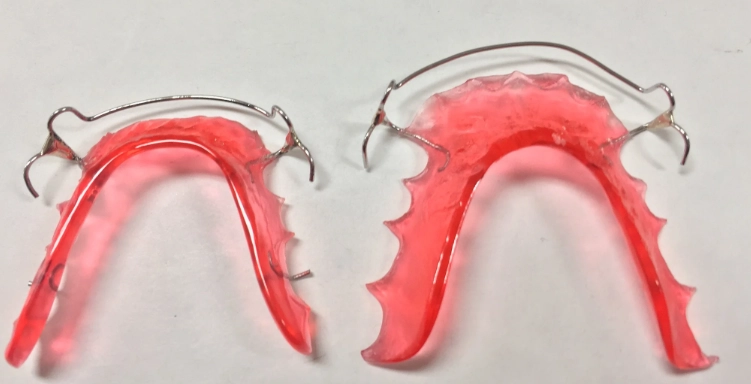
The Clear Plastic Essix Retainer
Looks like a clear mouthguard or Invisalign aligner. Super popular because it's nearly invisible. It's made from a thinner, more flexible plastic. This is the one that tends to crack, get cloudy, and lose its grip faster. If you're asking "how often should you replace your teeth retainer" and you have this type, listen up.
The Fixed or Bonded Retainer
A thin wire permanently glued to the back of your front teeth. You don't take it out. It's out of sight, out of mind—until it isn't. Food gets trapped, the glue can fail, and the wire can snap. Its lifespan is a different ball game.
Knowing your type is step one. Step two is understanding why they don't last a lifetime.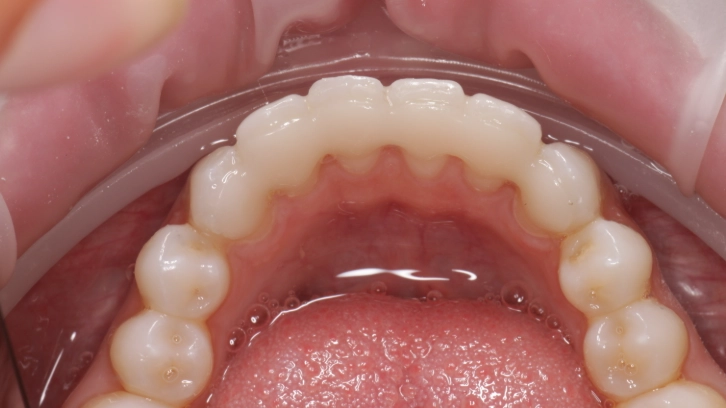
Why Do Retainers Wear Out? It's Not Just About Breaking
People think a retainer is done for only when it snaps in half. That's a crisis, but it's not the only failure mode. More often, it's a slow, sneaky decline.
The plastic in clear retainers undergoes something called stress relaxation. It's a fancy term for the material getting tired. It slowly, subtly changes shape, becoming less effective at holding your teeth in their perfect position. You won't see it happen. You might not even feel it. But over months and years, that tiny loss of tension can let your teeth creep back.
Then there's hygiene. Saliva, bacteria, and plaque create a biofilm on the surface. Even with diligent cleaning, micro-scratches from brushing can harbor bacteria. Over time, the plastic can become porous, trapping stains and smells no cleaner can touch. It's not just gross; it's a potential health issue for your gums.
And let's talk about physical damage. Biting into it to seat it, dropping it on the bathroom floor, leaving it in a hot car, pets thinking it's a toy... the list of hazards is long. I once left mine on a napkin at a restaurant and it got thrown away. A costly lesson.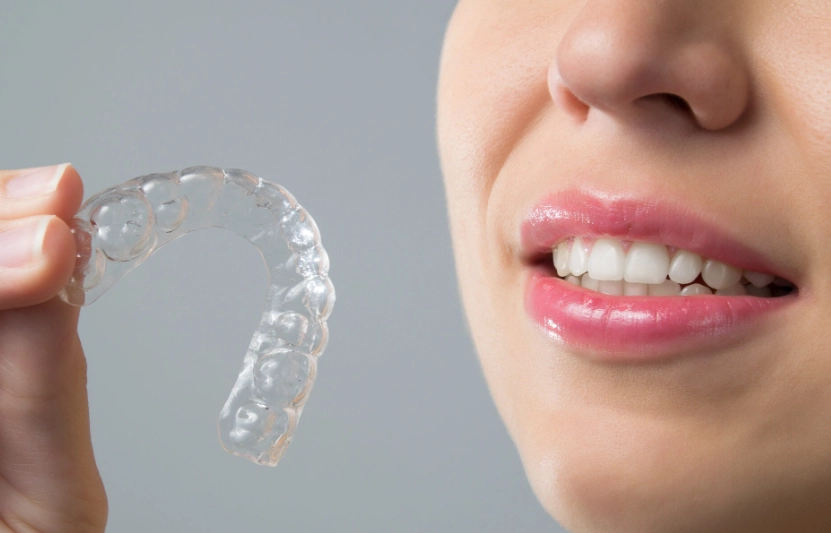
Watch Out: A warped or ill-fitting retainer is worse than no retainer at all. It can actively push your teeth into the wrong position. If it feels tight in a painful way or doesn't snap on smoothly, don't force it. That's a sign.
The Official Replacement Timelines: What the Pros Say
So, what's the actual number? I looked for a single, clear answer from authoritative sources. The American Association of Orthodontists (AAO) doesn't give a one-size-fits-all expiry date, but their patient resources emphasize regular check-ups and replacement when wear is evident. The consensus from clinical practice and materials studies points to a range.
Here’s a breakdown that synthesizes advice from orthodontic textbooks and practice guidelines:
| Retainer Type | Typical Replacement Range | Key Factors That Shorten Lifespan | Best Practice Tip |
|---|---|---|---|
| Clear Plastic (Essix/Vivera) | 1-3 years | Thin material, cracking, cloudiness, poor fit, heat exposure. | Have a backup pair. Clean with cool water, not hot. |
| Hawley (Acrylic & Wire) | 3-5+ years | Acrylic staining/wear, wire bending, clasp loosening. | Store in a sturdy case. Check wire alignment regularly. |
| Fixed/Bonded Wire | 5-10+ years (or until failure) | Wire fracture, adhesive failure, hygiene challenges. | Floss daily with special tools. Get checked 1-2 times a year by a dentist. |
See? "How often should you replace your teeth retainer" gets a different answer for a Hawley versus an Essix. The clear ones are the high-maintenance friends of the retainer world.
Some companies, like Invisalign with their Vivera retainers, recommend replacement more frequently—often annually—to ensure optimal fit and clarity. They have a financial incentive, sure, but it's not without basis in material science.
The bottom line from the pros: Regular evaluation is non-negotiable.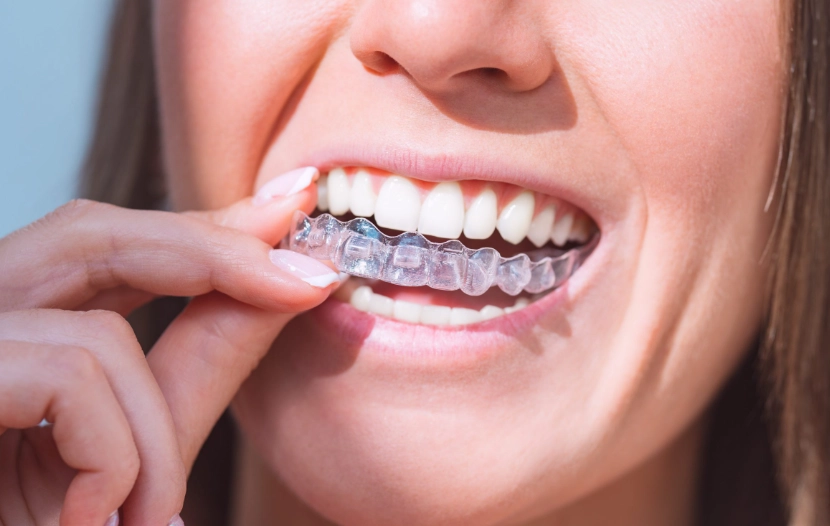
Your Personal Checklist: 7 Signs It's Time for a New Retainer
Forget the calendar for a second. Your retainer will tell you when it's retiring. You just have to know how to listen. Here are the undeniable signs that the answer to "how often should you replace your teeth retainer" is "right now."
- Visible Damage: Cracks, chips, or deep scratches. A crack is a breeding ground for bacteria and a weak point that will spread.
- It's Loose or Doesn't Fit Snugly: If it slides on and off with zero resistance, it's not applying any force. Your teeth are free to move.
- Discoloration and Odor You Can't Clean: A slight yellow tint is normal over years. A deep, murky stain or a persistent foul smell that survives soaking means the plastic is compromised.
- A Warped Shape: Lay it on a flat table. Does it rock? Look at it from the side. Is it bent? If it's not flat, it won't fit right.
- Pain or Discomfort When Worn: New pressure points, pinching, or a feeling that it's forcing your teeth mean the fit is off. Don't endure it.
- You Feel Your Teeth Shifting: This is the big one. Put the retainer in at night. Take it out in the morning. Do your teeth feel tight for a few minutes? That's the retainer working. If you feel no tightness at all for several days in a row, it's probably not working.
- It's Been Through Trauma: Dropped and stepped on? Sat on? Dog-chewed? Even if it looks okay, the internal stresses could have ruined its precise shape.
I waited too long on number 6. I thought the lack of tightness was my teeth being "settled." Nope. They were just moving a tiny bit each night, and the retainer was too tired to push them back. I needed a new impression and a new retainer to get back on track.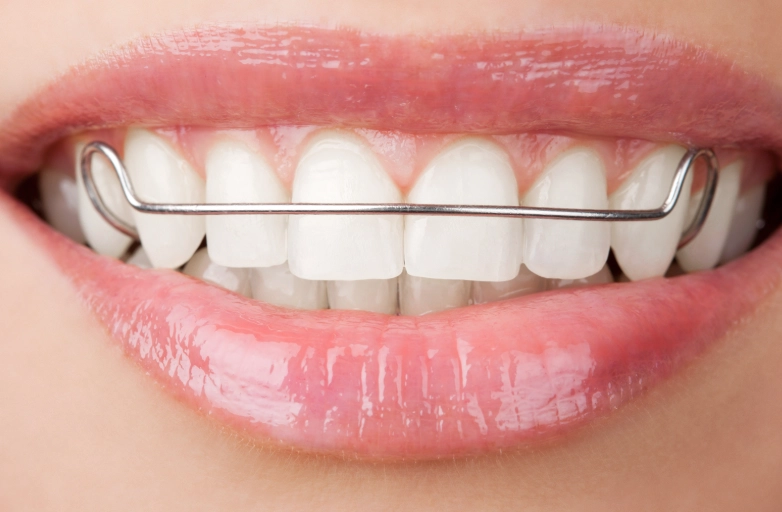
The Consequences of Waiting Too Long
This isn't just about replacing a piece of plastic. It's about protecting your investment. Braces or aligners cost thousands of dollars and years of your life. A retainer is the relatively cheap insurance policy on that investment.
If you wait until your retainer physically breaks or your teeth have visibly moved, you're in trouble. Minor shifting might be corrected with a new retainer. Significant relapse could mean another round of orthodontics. The cost and hassle of a new retainer ($100-$500) is nothing compared to the thought of going through braces again.
There's also a health component. A worn, scratched retainer is a haven for bacteria like Streptococcus mutans and Candida, which can lead to enamel demineralization, cavities on new surfaces, or even oral thrush. The American Dental Association stresses the importance of clean oral appliances for overall health.
How to Make Your Retainer Last as Long as Possible
Okay, so you want to push that replacement date as far into the future as responsibly possible. Smart. Here's how to be a retainer superstar.
Cleaning: The Daily Non-Negotiable
Brush it gently with a soft toothbrush and cool water. Use a tiny drop of mild soap or retainer cleaner. Avoid toothpaste. Most toothpaste is abrasive and will create micro-scratches that cloud the plastic and trap gunk. I learned this after ruining my first clear retainer by scrubbing it with minty paste. It looked sandblasted.
Storage: Your Retainer's Safe Haven
Always, always put it in its hard case when it's not in your mouth. Not in a napkin. Not in your pocket. The case. This prevents 90% of physical damage and pet-related tragedies.
Temperature is Key
Keep it away from extreme heat. Don't leave it on a windowsill, in a hot car, or near a heater. Heat warps plastic. Also, never boil it or use hot water to clean it, no matter what old advice you heard.
Handle with Care
When taking it out, use both hands and pull evenly from both sides. Don't pop it out with your tongue or teeth on one side, which can twist and weaken the plastic.
Following these steps can help you hit the longer end of the replacement range. But they won't make it last forever.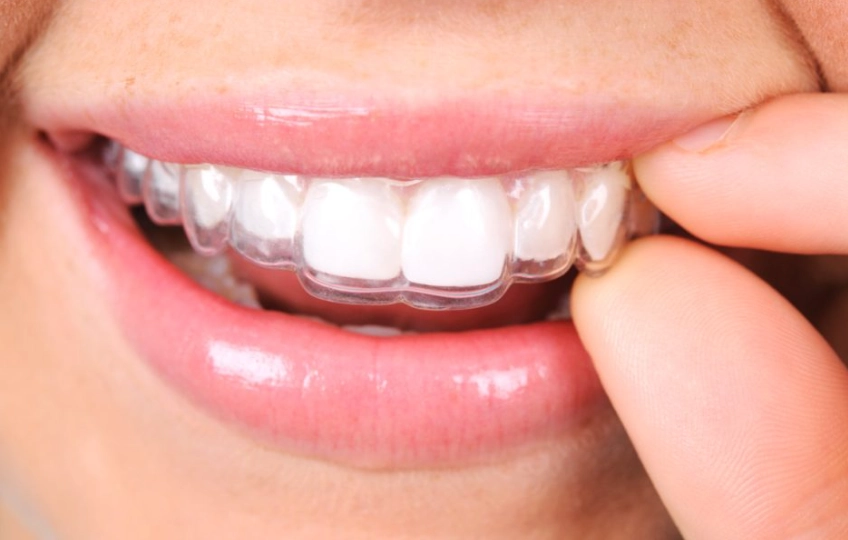
Navigating the Cost and Process of Replacement
Let's address the elephant in the room: money. The process of figuring out how often should you replace your teeth retainer is often tied to the cost of doing so.
Replacement usually requires a new dental impression or scan. Some orthodontists keep your models for years; others don't. You'll need an appointment. Costs vary wildly:
- In-office fabricated Hawley: $150 - $400
- In-office clear retainer: $200 - $500
- Lab-ordered premium retainers (like Vivera): $300 - $600+ for a set
- Re-cementing a fixed retainer: $50 - $150 (if the wire is intact)
Are online direct-to-consumer retainer companies an option? They're cheaper and convenient. But. There's a big but. Without a current professional assessment of your tooth and gum health, you risk trapping problems or creating new ones. The American Association of Orthodontists explicitly cautions against using these services for this reason. Your bite and root health need to be checked by a professional first. It's one area where the DIY route can backfire spectacularly.
Common Questions (The Stuff You Actually Search For)
These questions pop up all the time in forums and support groups. The confusion is real.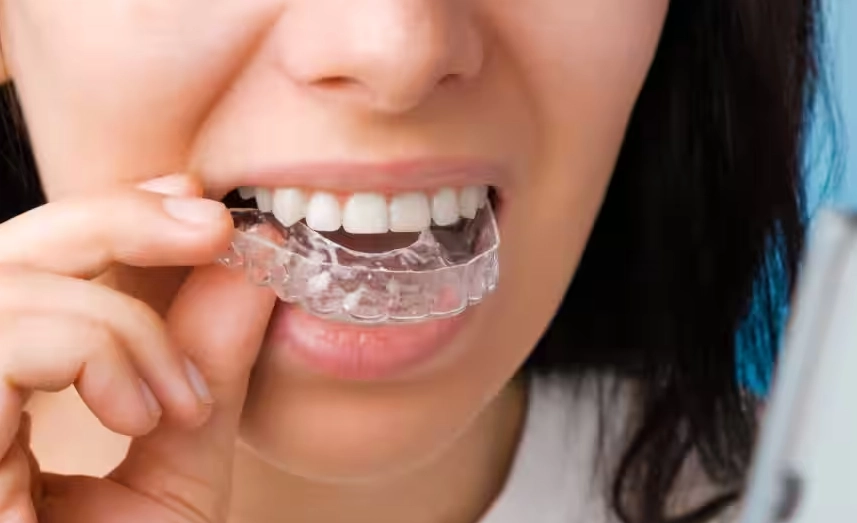
The Long-Term Mindset: Retention is for Life
This is the most important thing to internalize. The question how often should you replace your teeth retainer isn't a one-time question you ask after braces. It's a recurring question for the rest of your life, just like "when should I get my car's oil changed?"
Your teeth are not set in stone (pun intended). They exist in a dynamic environment of bone, ligaments, and pressure from your tongue, cheeks, and other teeth. They have a memory of their old, crooked positions. The retention phase is permanent. Embracing that means embracing the ongoing maintenance of the tool that makes it possible.
Schedule an annual "retainer check" with your dentist or orthodontist, even if it's just a quick look during your regular cleaning. Take it with you. Have them assess the fit and condition. This proactive approach saves you from the reactive panic of a broken appliance or shifted teeth.
Think of your retainer as a key piece of health equipment, not a relic from your orthodontic past.
Wrapping It Up: Your Action Plan
So, let's make this practical. Where do you go from here?
- Identify what type of retainer you have.
- Inspect it right now against the "7 Signs" checklist above.
- Evaluate how old it is against the general timelines for its type.
- Commit to proper daily care and storage to maximize its life.
- Plan your next dental visit and add "retainer check" to the list.
- Budget for eventual replacement as part of your long-term health expenses.
Figuring out how often should you replace your teeth retainer isn't about memorizing a single number. It's about becoming an expert on your own appliance. Pay attention to it. Listen to what it's telling you. And when in doubt, get a professional opinion. The peace of mind—and the preserved smile—is worth far more than the cost of a new one.
My old, cloudy retainer sits in a drawer as a reminder. A reminder to not take the post-braces phase for granted. Your smile is worth the vigilance.