Quick Guide
- Why Baking Soda? The Science Behind the Shine
- The Ultimate Safety Guide: Protecting Your Enamel
- Step-by-Step: How to Whiten Teeth with Baking Soda (The Right Way)
- Baking Soda vs. The World: How It Stacks Up
- Common Mistakes (And How to Avoid Them)
- Your Questions, Answered (The Real Stuff People Ask)
- When to Stop: Red Flags and Alternatives
- The Final Verdict: Is Learning How to Whiten Teeth with Baking Soda Worth It?
Let's be honest, we've all been there. Staring in the mirror, wishing our smile was just a bit brighter. Coffee, red wine, years of enjoying life – they all leave their mark. And professional whitening? It can cost a small fortune. So it's no surprise that people search for how to whiten teeth with baking soda. It's cheap, it's sitting in your kitchen cabinet, and the internet is full of claims about its magic.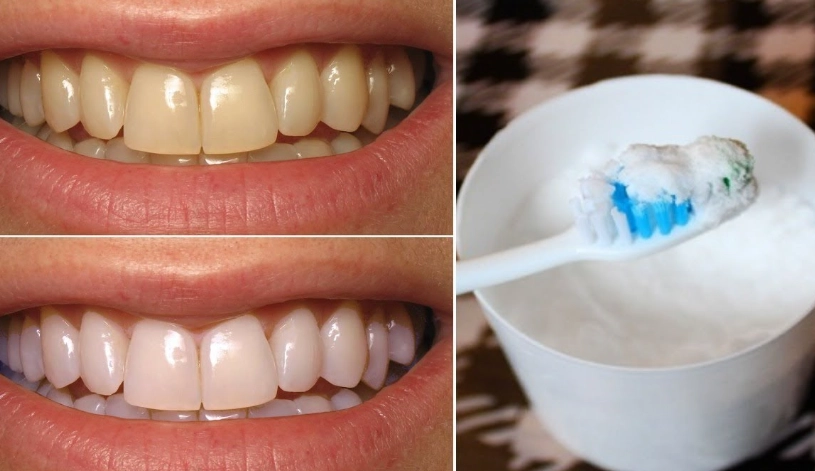
But here's the thing. As someone who's tried more than a few home remedies (with mixed results), I can tell you that using baking soda isn't as simple as just scrubbing away. There's a right way and a very wrong way to do it. This guide isn't about hype. It's about giving you the straight facts, the safe methods, and the honest pros and cons so you can decide if this is right for you.
The Core Idea: Baking soda (sodium bicarbonate) is a mild abrasive. Think of it like a very gentle polishing powder. It can help scrub away surface stains from food and drink. It's not a bleach. It won't change the intrinsic color of your teeth, but it can remove the gunk on top, revealing the whiter tooth underneath.
Why Baking Soda? The Science Behind the Shine
Before we jump into the "how," let's talk about the "why." Understanding how baking soda works is key to using it safely.
Baking soda has two main actions that contribute to teeth whitening:
- Abrasion: Its fine, gritty particles provide a mechanical scrubbing action. This physically disrupts and removes the thin film of plaque and surface stains (called the pellicle) that holds onto pigments from coffee, tea, or tobacco.
- Alkalinity: Baking soda creates an alkaline (high pH) environment in your mouth. This can help break down some acidic stain compounds and creates an environment less friendly to the bacteria that form plaque. The American Dental Association (ADA) notes that baking soda's antibacterial and plaque-disrupting properties are well-recognized in dentistry.
So, when you're learning how to whiten teeth with baking soda, you're essentially learning a controlled polishing technique. It's like using a fine-grade sandpaper on wood – effective for the surface, but disastrous if you press too hard or do it too often.
A Crucial Reality Check: Baking soda will NOT fix deep, intrinsic stains (like those caused by tetracycline antibiotics or fluorosis). It won't magically make genetically yellow teeth bright white. Its domain is external, surface-level stains. Setting realistic expectations is step one.
The Ultimate Safety Guide: Protecting Your Enamel
This is the most important section. Enamel is the hardest substance in your body, but it doesn't grow back. Once it's worn away, it's gone for good. The biggest risk in any baking soda teeth whitening routine is enamel abrasion.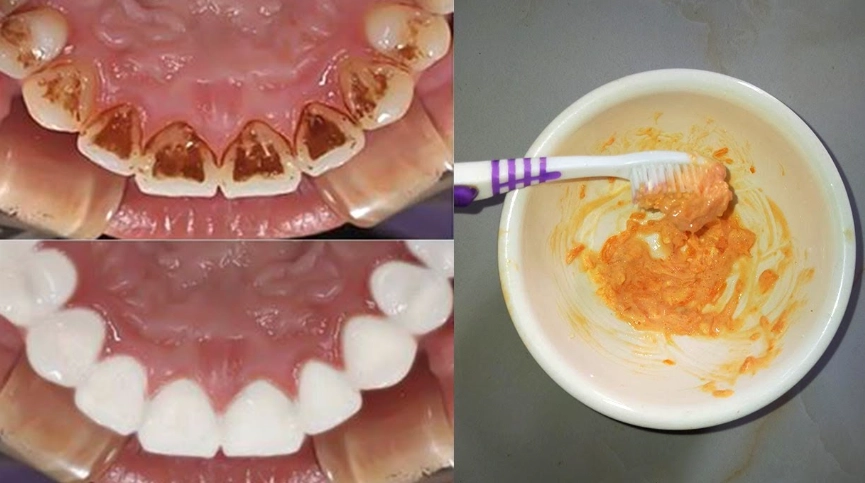
Here’s your non-negotiable safety checklist:
- Don't Use It Dry: Never, ever dip a wet toothbrush into dry baking soda and scrub. The concentrated, gritty paste is far too abrasive. Always mix it with water or another liquid first to create a proper paste.
- Gentle Pressure Only: Use the same pressure you'd use to polish an eggshell. Seriously. Scrubbing hard doesn't make it work faster; it just strips your enamel.
- Frequency is Key: This is not a daily toothpaste replacement. For most people, 1-2 times per week is the absolute maximum. Some sources suggest even less. Listen to your teeth – if they start feeling sensitive, stop immediately.
- Time Limit: Keep the brushing session short. Two minutes is plenty. Don't let the paste sit on your teeth for extended periods.
- Check Your Enamel Health: If you already have receding gums, visible notches near your gumline (abfractions), or significant sensitivity, do NOT use baking soda without talking to your dentist first. You're starting from a vulnerable position.
Your enamel is your smile's armor. Don't sacrifice it for a quick fix.
Step-by-Step: How to Whiten Teeth with Baking Soda (The Right Way)
Alright, let's get practical. Here are the most common and effective methods, ranked from what I consider the gentlest to the more potent (but still safe if done correctly).
Method 1: The Basic Paste (The Beginner's Method)
This is your starting point. Simple and low-risk.
- Wet your toothbrush with a little water.
- Sprinkle a small amount of baking soda (about half a pea-size) onto the bristles. Alternatively, mix 1 part baking soda with 2 parts water in a small dish to form a runny paste.
- Brush gently in small, circular motions for no more than 2 minutes. Pay extra attention to stain-prone areas like the front surfaces of your front teeth.
- Spit thoroughly. Do NOT swallow. Rinse your mouth and toothbrush well.
- Follow up by brushing with your regular fluoride toothpaste. This helps re-mineralize the enamel you just polished.
Method 2: Baking Soda & Hydrogen Peroxide (The Classic Combo)
This is the most famous method for how to whiten teeth with baking soda and peroxide. The peroxide adds a mild bleaching action to the abrasive cleaning. Caution: Use a low concentration (3% drugstore hydrogen peroxide only).
- Mix a small amount of baking soda with enough 3% hydrogen peroxide to form a thick paste. Start with a 1:1 ratio.
- Apply with a toothbrush or fingertip. Brush very gently for 1-2 minutes.
- Rinse thoroughly. Expect some foaming – that's normal.
- Follow with regular toothpaste. Limit this to once a week max.
I tried this method for a few weeks. While I did notice a slight brightening effect on coffee stains, it made my teeth feel... odd. Not painfully sensitive, but just a bit too smooth, almost slick. It was a clear sign to cut back. It works, but your mileage will definitely vary.
Method 3: Baking Soda & Lemon Juice or Strawberries (The Natural Approach - Use Extreme Caution)
You'll see this everywhere. The logic is that the acid in lemon or strawberries helps dissolve stains. The problem? Acid + Abrasive = Enamel Disaster Recipe.
My Strong Opinion: I generally advise against this method. The citric acid in lemon juice dramatically softens tooth enamel. Scrubbing with an abrasive on softened enamel is one of the fastest ways to cause permanent damage. The potential harm far outweighs the minimal whitening benefit. If you absolutely must try it, do it very infrequently (like once a month) and rinse with water for several minutes afterward before brushing with fluoride toothpaste.
Baking Soda vs. The World: How It Stacks Up
Is baking soda teeth whitening actually worth it? Let's put it in context. Here’s a quick comparison to see where it fits.
| Method | How It Works | Cost | Effectiveness (Surface Stains) | Key Risk / Downside |
|---|---|---|---|---|
| Baking Soda Paste | Abrasion / Polishing | Very Low ($) | Moderate | Enamel abrasion if misused |
| Whitening Toothpaste (ADA-Accepted) | Mild abrasives + chemicals (e.g., peroxide) | Low ($$) | Low to Moderate | Can cause sensitivity; slow results |
| Over-the-Counter Whitening Strips | Hydrogen Peroxide Gel | Medium ($$$) | Good | Gum irritation, tooth sensitivity |
| Professional In-Office Whitening | High-Concentration Peroxide + Light | High ($$$$) | Excellent | High cost, significant sensitivity common |
The table shows it clearly: baking soda is the budget option for moderate, surface-level results. It won't beat a professional treatment, but it can be a decent maintenance tool between other methods.
Common Mistakes (And How to Avoid Them)
I've made some of these. Learning how to whiten teeth with baking soda means learning what NOT to do.
- Mistake 1: Using it daily. This is the top error. Enamel can't handle daily abrasive action. Stick to weekly.
- Mistake 2: Brushing too hard. You're polishing, not scouring a pot. Let the paste do the work.
- Mistake 3: Expecting overnight miracles. This is a gradual process. You might see a subtle difference after a few uses, but don't expect strips-level results.
- Mistake 4: Ignoring sensitivity. A tingling or sharp sensation is a red flag. Stop for several weeks and switch to a sensitivity toothpaste.
- Mistake 5: Forgetting to follow with fluoride. That final brush with fluoride toothpaste is not optional. It's critical for helping your enamel recover.
Pro-Tip from a Dentist Friend: She told me that if someone is determined to try baking soda, she recommends using a baking soda toothpaste that has the ADA Seal of Acceptance. These formulations are tested to ensure they are not overly abrasive. It's a much safer, more controlled way to get the baking soda effect. Look for the Seal on the box.
Your Questions, Answered (The Real Stuff People Ask)
For surface stains like coffee or tea, you might notice a slight difference after 2-3 uses (spread over 2-3 weeks). It's subtle. For heavier smoking stains, it could take longer. If you see no change after a month of weekly use, the stains are likely below the surface, and baking soda won't help.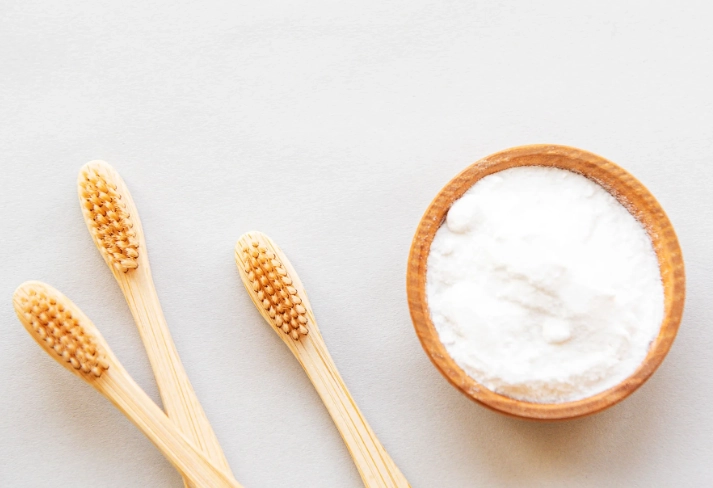
No. Baking soda will not whiten crowns, veneers, fillings, or dentures. These are made of porcelain, composite, or acrylic. The abrasive action could actually dull and scratch their surface, making them look worse. Only natural tooth enamel can be affected by the polishing action.
You can, but it's a bit redundant. Most toothpastes already contain mild abrasives (like silica). Adding baking soda just increases the abrasive load. If you want to try it, use a tiny pinch of baking soda on top of your regular pea-sized toothpaste. But honestly, using them separately (baking soda once a week, regular toothpaste daily) gives you more control.
This is where baking soda shines (pun intended). Its alkaline nature can neutralize odor-causing acids in the mouth. A quick rinse with a teaspoon of baking soda dissolved in a cup of water can be a very effective breath freshener and is much gentler than using it as an abrasive on teeth.
When to Stop: Red Flags and Alternatives
Knowing when to quit is as important as knowing how to start. Stop your baking soda teeth whitening routine immediately if you experience:
- Increased tooth sensitivity to hot, cold, or sweet things.
- Gums that look irritated, recede, or bleed easily after using it.
- A feeling of roughness or transparency along the edges of your teeth.
If baking soda isn't working or is causing issues, what's next? Here are safer, dentist-recommended paths:
- ADA-Accepted Whitening Toothpaste: This is your first stop. They are proven to be safe and effective. The ADA website has a searchable list of accepted products, which is a fantastic resource for finding legitimate options.
- Over-the-Counter Whitening Strips or Trays: These use regulated doses of peroxide and are designed for safety. Results are more predictable and significant than baking soda.
- Consult a Dentist: This is the best option for significant whitening or stubborn stains. They can assess the cause of your discoloration and recommend the most effective and safest treatment, which might include custom trays or in-office whitening. They can also rule out any underlying issues that might look like stains but are something else.
Your dentist isn't just trying to sell you something expensive. They're trying to protect your teeth.
The Final Verdict: Is Learning How to Whiten Teeth with Baking Soda Worth It?
So, after all this, where do we land?
Baking soda can be a moderately effective, extremely low-cost method for removing surface stains. If you have healthy teeth and gums, no sensitivity, and the patience to use it correctly (gently, infrequently, and followed by fluoride), it can be part of your oral care toolkit. Think of it as a occasional polishing treatment, not a primary whitening strategy.
However, the risks of enamel damage are real and permanent. For every person who has success with it, there's someone who overdid it and caused harm. The internet is full of the success stories; you rarely hear from the people who damaged their enamel.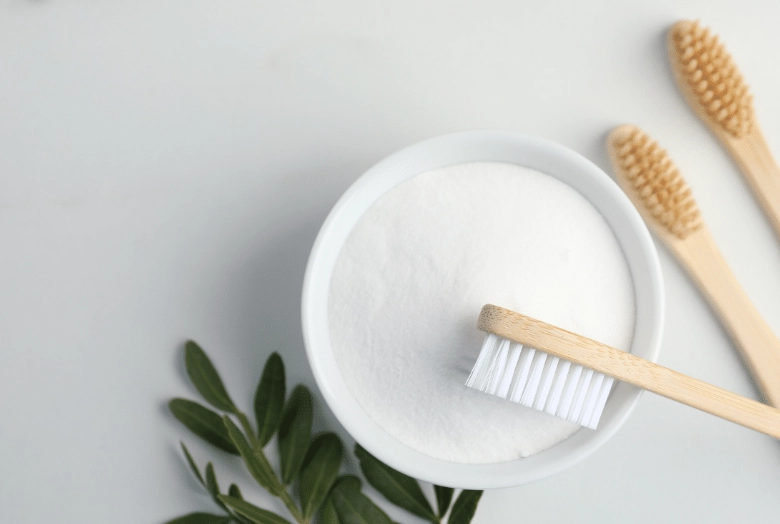
The Bottom Line: If you choose to explore how to whiten teeth with baking soda, treat it with respect. Use the gentlest method, stick to a strict once-a-week schedule, and listen to your body. But for guaranteed, safe results—especially for anything beyond light surface stains—investing in an ADA-accepted product or a dentist's advice is a wiser long-term investment for your smile's health.
Your smile is one of your greatest assets. Whether you use a kitchen staple or a professional treatment, the goal is to care for it, not just whiten it at any cost. Hope this honest, deep-dive guide helps you make a choice you feel good about.