You wake up. Your jaw feels tight, maybe even sore. There's a dull headache brewing behind your eyes. Your partner mentions you were grinding your teeth again last night—a sound like rocks scraping together. If this is your morning routine, you're dealing with sleep bruxism. And you're not alone. Estimates suggest up to 30% of people grind or clench their teeth during sleep. The internet is full of advice, but a lot of it is repetitive and misses the nuanced, practical reality of managing this condition long-term. Having worked with patients on this for years, I've seen what creates lasting relief and what just adds to the frustration.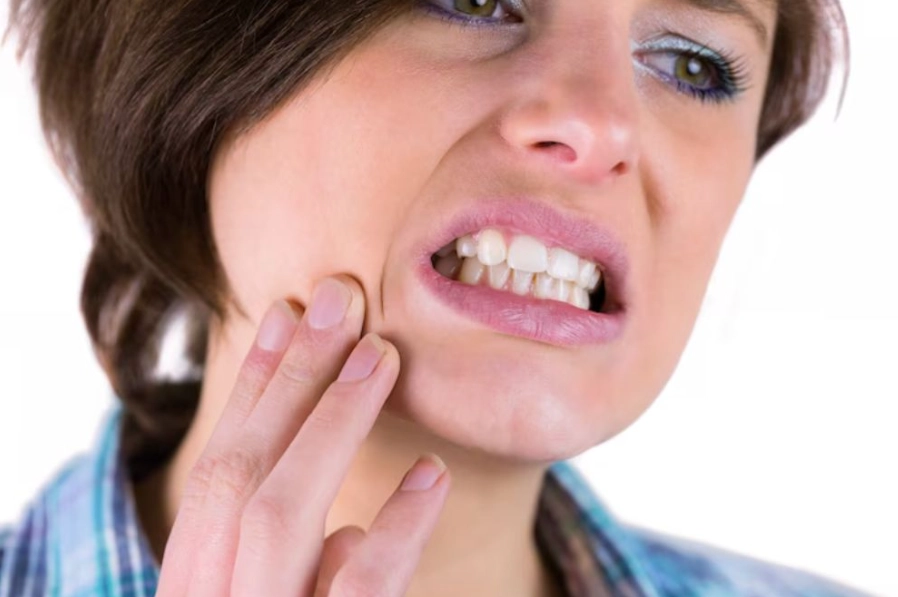
What's Inside?
Understanding the Grind: It's More Than Just Stress
Most articles blame stress and call it a day. That's a massive oversimplification. While stress and anxiety are major triggers, sleep bruxism is fundamentally a sleep-related movement disorder. Your brain's sleep arousal system is misfiring. Think of it like a faulty alarm that goes off partially, causing your jaw muscles to contract.
Other key players often get ignored:
- Sleep Disordered Breathing: This is a huge one. If you have undiagnosed sleep apnea or even just habitual snoring, your brain might be grinding your teeth as a primitive attempt to open your airway. Treat the breathing issue, and the grinding often lessens significantly. A study in the journal Chest found a strong link between the two.
- Medication Side Effects: Certain SSRIs (a common class of antidepressants) are notorious for inducing or worsening bruxism.
- Lifestyle Triggers: Heavy alcohol consumption, recreational drugs like MDMA, and even excessive caffeine can be direct triggers for some people.
- Anatomy & Habits: A misaligned bite (how your teeth fit together) can contribute, as can daytime habits like chewing pens or clenching your jaw while focused.

The Bottom Line: Effective treatment starts with identifying your triggers. If you only chase stress relief but have untreated sleep apnea, you'll be meditating yourself into continued jaw pain. A good starting point is a conversation with both your dentist and your doctor.
Professional-Grade Remedies: Your First Line of Defense
These are the interventions prescribed or administered by healthcare professionals. They're non-negotiable for protecting your teeth from physical damage.
1. The Occlusal Splint (Custom Night Guard)
This is the cornerstone. Not a flimsy sports guard, but a hard, custom-made appliance from your dentist. Its primary job is protection, not prevention. It creates a barrier between your upper and lower teeth, preventing wear, fractures, and damage to dental work.
Here's the expert nuance most don't talk about: the fit and design matter immensely. A poorly adjusted guard can actually alter your bite or encourage more grinding in a different pattern. A good dentist will design it to be passive—it shouldn't force your jaw into a new position unless specifically designed for that purpose (which is a different, more complex therapy). Expect to pay $300-$800, and it typically lasts 3-5 years with care.
2. Botox Injections (Botulinum Toxin)
This isn't just cosmetic. Small, precise injections into the masseter (your main chewing muscle) can significantly reduce the force of clenching and grinding. It doesn't stop the brain signal, but it weakens the muscle's ability to respond violently. The effect lasts 3-4 months.
It's fantastic for people with severe, painful masseter hypertrophy (enlarged jaw muscles) who get little relief from guards alone. The downside? Cost ($500-$1000 per treatment) and the need for a very skilled injector—you want a dentist or doctor who does this routinely, not a cosmetic clinic that dabbles.
3. Addressing Co-existing Conditions
This is the most impactful long-term strategy. If your dentist or doctor suspects sleep apnea, a sleep study is crucial. Using a CPAP machine can, for some, reduce grinding episodes dramatically. Similarly, reviewing medications with your doctor if you suspect a link is essential.
| Professional Remedy | Primary Benefit | Key Consideration / Cost Range |
|---|---|---|
| Custom Night Guard | Protects teeth from wear & damage | Gold standard for protection; $300 - $800 |
| Botox for Masseters | Reduces clenching force & muscle pain | Temporary relief (3-4 months); $500 - $1000 per session |
| Sleep Apnea Treatment (e.g., CPAP) | Targets a root cause, may reduce episodes | Requires sleep study diagnosis; cost varies by insurance |
Home Strategies That Move the Needle
Professional help protects you, but daily management happens at home. These are the habits that build resilience.
Jaw Awareness and Relaxation
The "lips together, teeth apart" mantra. Practice it right now. Your teeth should only touch briefly when swallowing. Set phone reminders to check your jaw posture. When stressed, we clench. Consciously unclench and let your jaw hang loose.
At night, try a few minutes of gentle jaw stretching before bed: open slowly until you feel a stretch, hold for 30 seconds, relax. Don't push to pain.
Heat and Cold Therapy
For morning soreness, a warm washcloth or heating pad on the jaw for 15 minutes increases blood flow and relaxes muscles. If there's acute inflammation or pain, use an ice pack wrapped in a towel for 10 minutes on, 10 minutes off. Heat is generally better for chronic stiffness, ice for new, sharp pain.
Mindful Stress & Sleep Hygiene
Generic advice says "reduce stress." Be specific. For bruxism, the goal is to lower physiological arousal before sleep.
- Wind-down ritual: The last 60 minutes before bed: no screens, no intense discussions, no work emails. Read a (physical) book, listen to calm music, do light stretching.
- Progressive Muscle Relaxation (PMR): This is incredibly effective. Systematically tense and then relax each muscle group, starting from your toes up to your face. When you get to your jaw, consciously let it go slack. Guides are available from sources like the American Psychological Association.
- Limit Stimulants: No caffeine after 2 PM. Be honest about alcohol—it may help you fall asleep, but it fragments sleep architecture and can worsen grinding later in the night.
A Word on Over-the-Counter Mouthguards: Boil-and-bite guards from the pharmacy are a mixed bag. For very occasional or mild grinders, they're better than nothing for short-term use. But they're bulky, can disrupt your bite if poorly fitted, and are hard to keep clean. They often lead to increased saliva production or even more clenching as your jaw fights the awkward object. View them as a temporary bridge to a custom guard, not a permanent solution.
The Common Mistakes That Undermine Your Progress
I see these constantly. Avoiding them is half the battle.
Mistake 1: Treating the night guard as a "set it and forget it" cure. You get the guard, wear it, but do nothing else. The guard is a helmet for a bike crash; you still need to learn to ride the bike (manage triggers). You might still grind fiercely on the guard, leading to jaw muscle fatigue and even TMJ issues, even though your teeth are safe.
Mistake 2: Ignoring daytime clenching. Your jaw muscles don't know it's daytime. If you clench all day at your desk, they're already fatigued and primed to continue at night. Daytime awareness is critical.
Mistake 3: Jumping to drastic dental work first. Some practitioners might suggest grinding down teeth to adjust your bite (occlusal adjustment) as a first-line treatment for bruxism. The evidence for this as a standalone cure is very weak. It's irreversible and should be a last resort after other triggers are ruled out and teeth need restoration anyway due to wear.
Mistake 4: Only using pain as your guide. Bruxism can cause significant tooth wear without any pain. You might feel fine, but your enamel is slowly disappearing. Regular dental check-ups are non-negotiable for monitoring.
Building a Sustainable, Long-Term Management Plan
You don't "beat" bruxism like a cold. You manage it like you manage fitness or a healthy diet. It's a continuum.
Your personal plan should be a hybrid:
- Protection: A well-made night guard, worn consistently.
- Root Cause Investigation: Partner with professionals to check for sleep apnea, review meds, assess bite.
- Daily Habit Stacking: Jaw posture checks, pre-sleep wind-down, PMR.
- Triggers Management: Honest assessment of caffeine, alcohol, and stress patterns.
Some weeks you'll be great. Others, stress will be high and you'll wake up sore. That's normal. The goal is to reduce the frequency and severity of those bad mornings, and to always protect your teeth from irreversible damage.
It requires patience. Behavioral changes take 6-8 weeks to become habit. Don't try everything at once. Start with the night guard and one home strategy—like a strict 60-minute screen-free bedtime. Master that, then add another layer. This is a marathon, not a sprint, but the payoff—waking up feeling rested, without that familiar ache in your jaw—is absolutely worth the effort.
 How long does it take for home remedies like jaw exercises to show results?