Waking up with a sore jaw, a dull headache, or noticing your teeth look a little flatter than they used to? You might be grinding your teeth at night, a condition called sleep bruxism. The good news is you can stop it, or at least manage it effectively. The bad news? Most advice online misses the mark, focusing on quick fixes that don't address the root cause.
I've seen patients spend hundreds on generic mouthguards that made the problem worse, or try relaxation apps without tackling the physical triggers. Let's cut through the noise.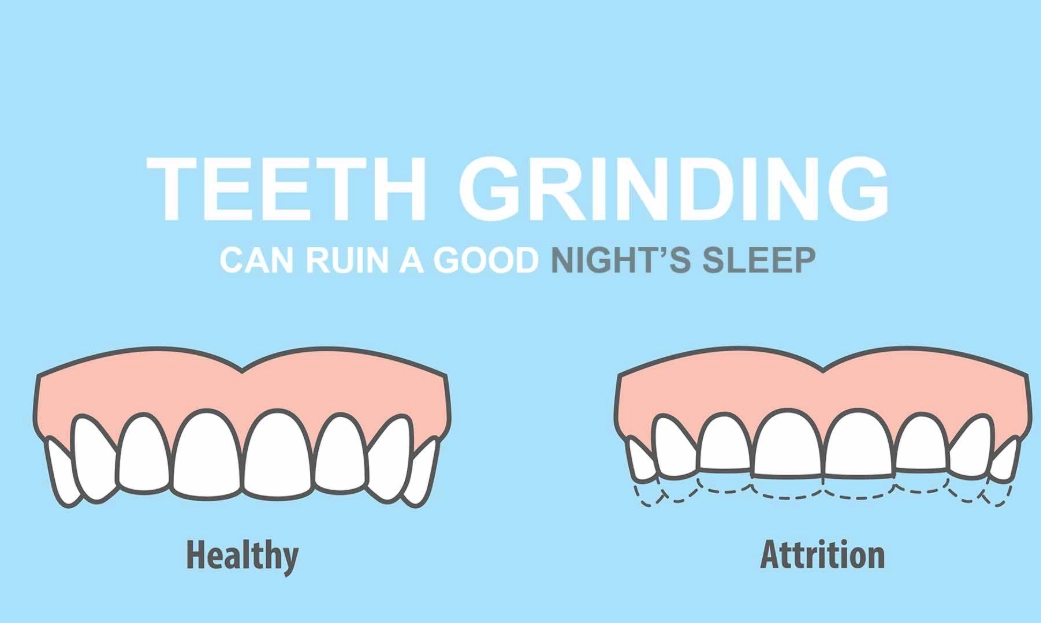
What’s Inside This Guide
- What Exactly Is Sleep Bruxism (And How Do You Know You Have It)?
- Step Zero: How to Diagnose Your Nighttime Grinding (Hint: Don't Just Guess)
- The Complete Toolkit: Solutions to Stop Grinding Teeth, Ranked by Effectiveness
- How to Choose the Right Solution for Your Specific Situation
- Long-Term Management and Prevention: Building Habits That Stick
- Your Top Questions on Stopping Teeth Grinding, Answered
What Exactly Is Sleep Bruxism (And How Do You Know You Have It)?
Sleep bruxism isn't just occasional clenching. It's a repetitive jaw-muscle activity during sleep, characterized by grinding or clenching of the teeth. It's often paired with sleep disorders like sleep apnea. You're probably not aware you're doing it until the consequences show up.
Tell-tale signs you're grinding at night:
- Morning jaw pain or stiffness that fades as the day goes on.
- A constant, dull headache centered at your temples upon waking.
- Your partner complains about grinding noises.
- Increased tooth sensitivity to hot, cold, or sweet foods.
- Teeth that look flattened, chipped, or fractured for no apparent reason.
- Indentations on the sides of your tongue.
The causes are a mix of physical, psychological, and genetic factors. Stress and anxiety are big players, but so are sleep disorders, certain antidepressants, alcohol, caffeine, and even an abnormal bite. The Mayo Clinic notes that bruxism can be associated with lifestyle and sleep-related triggers.
Step Zero: How to Diagnose Your Nighttime Grinding (Hint: Don't Just Guess)
Before you buy anything, confirm the problem. Self-diagnosis can lead you down the wrong path.
1. The Dental Check-Up: This is non-negotiable. Your dentist can spot wear patterns invisible to you. They can measure muscle tenderness and check your jaw joint (TMJ). A report from the American Dental Association emphasizes the role of dental professionals in diagnosing and managing bruxism.
2. The At-Home Audio Test (A Game-Changer): Use a voice memo app on your phone. Place it near your bed and record audio overnight for a few nights. Listen back at high speed. You might hear the distinct, grating sound of grinding. It's unsettling, but it's proof.
3. Symptom Tracking: Keep a simple log for two weeks. Rate your morning jaw pain and headache on a scale of 1-5. Note your caffeine intake, alcohol consumption, and stress levels each evening. Patterns will emerge.
The Complete Toolkit: Solutions to Stop Grinding Teeth, Ranked by Effectiveness
Think of this as a layered approach. You might need one, or a combination of several.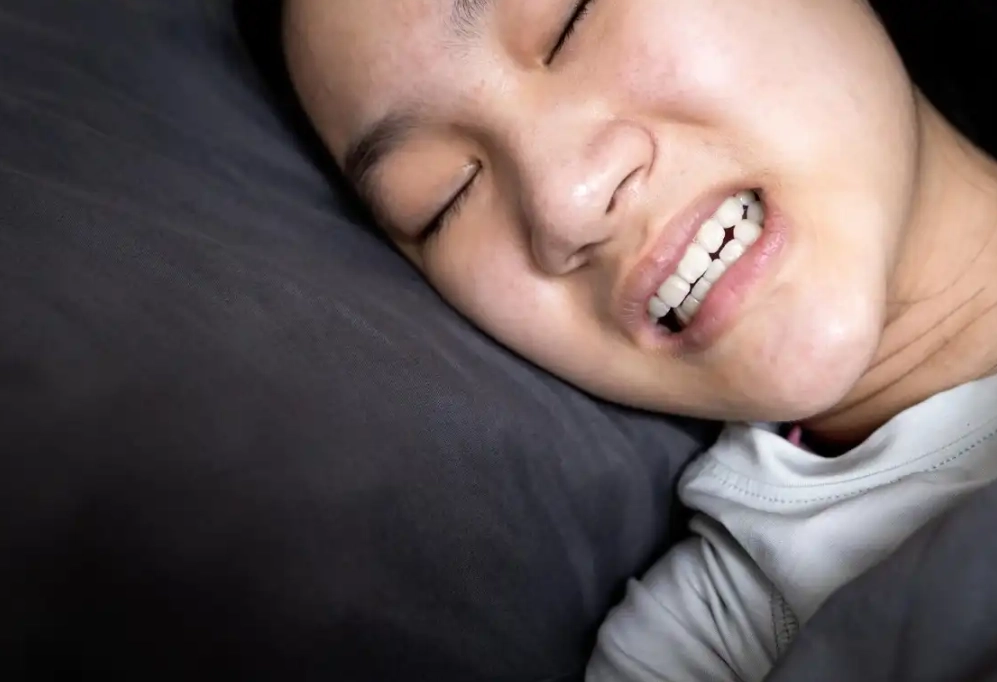
Tier 1: Immediate Relief & Protection (The Essentials)
This is about damage control while you work on the root causes.
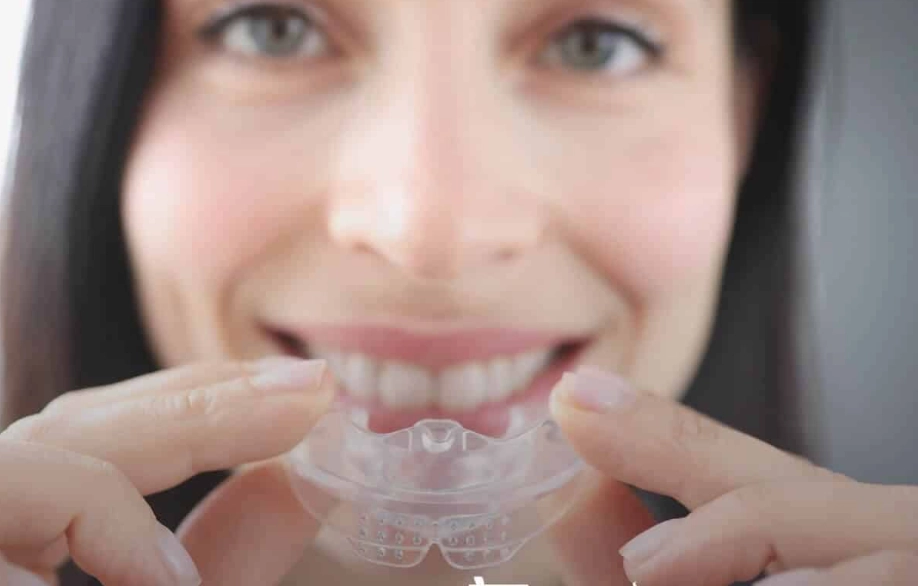
The Custom Night Guard (The Gold Standard): Not a sports mouthguard. A dentist-made, hard acrylic night guard (occlusal splint) is precisely fitted to your upper teeth. It doesn't stop the grinding muscle activity, but it creates a smooth barrier that prevents tooth-on-tooth destruction, redistributes force, and can help guide your jaw into a less stressful position.
Jaw Muscle Relaxation Before Bed: This is free and highly effective. Apply a warm washcloth to the sides of your face for 10 minutes. Then, gently massage your masseter muscles (the big chewing muscles at the back of your jaw). Open your mouth slightly and feel for tight knots, applying gentle pressure in circular motions.
Tier 2: Addressing the Physical Triggers (Dental Solutions)
If your bite is off, no amount of relaxation will fully solve it.
Orthodontic Correction: Crooked teeth or a misaligned bite (malocclusion) can create “interferences” that your jaw tries to grind down at night. Braces or clear aligners can correct this.
Bite Adjustment (Occlusal Equilibration): A precise, minimal reshaping of the biting surfaces of teeth to eliminate disruptive contact points. This is a delicate procedure and should only be done by a dentist experienced in treating TMJ and bruxism.
Tier 3: Lifestyle & Behavioral Adjustments (The Long Game)
This is where you tackle the amplifiers.
- Caffeine & Alcohol Cut-off: No caffeine after 2 PM. Avoid alcohol within 3 hours of bedtime. Both are known bruxism triggers.
- Conscious Jaw Posture: Throughout the day, practice the “lips together, teeth apart” position. Your teeth should only touch when chewing or swallowing.
- Stress Management That Works for You: Don't just download a meditation app you'll never use. It could be vigorous exercise, journaling, or even therapy. The goal is to lower your overall sympathetic nervous system arousal.

Tier 4: Medical & Alternative Therapies
For persistent cases.
Sleep Study: If sleep apnea is suspected, a sleep study is crucial. Treating apnea with a CPAP machine often dramatically reduces or eliminates bruxism.
Botox Injections: Small doses of Botox into the masseter muscles can temporarily weaken them, reducing grinding force. Effects last 3-4 months. It's a medical procedure with pros and cons to discuss with a specialist.
How to Choose the Right Solution for Your Specific Situation
Not sure where to start? This table breaks it down by your primary symptom and likely cause.
| Your Main Issue | Likely Primary Cause | First-Line Solution to Try | Next Step If That Doesn't Work |
|---|---|---|---|
| Worn/flattened teeth, chips | Physical grinding force | Custom night guard (to prevent further damage immediately) | Dental evaluation for bite issues or sleep study |
| Severe morning jaw pain & headaches | Muscle overactivity (clenching) | Evening jaw massage + stress management | Consult dentist for guard or TMJ specialist; consider Botox |
| Grinding noise + daytime sleepiness | Possible sleep apnea link | Talk to your doctor about a sleep study | Use a night guard for protection while diagnosing apnea |
| Occasional grinding during high stress | Psychological stress | Lifestyle adjustments (caffeine, alcohol, relaxation) | Soft night guard for occasional use; cognitive behavioral therapy |
Long-Term Management and Prevention: Building Habits That Stick
Stopping teeth grinding isn't a one-and-done deal. It's a habit management system.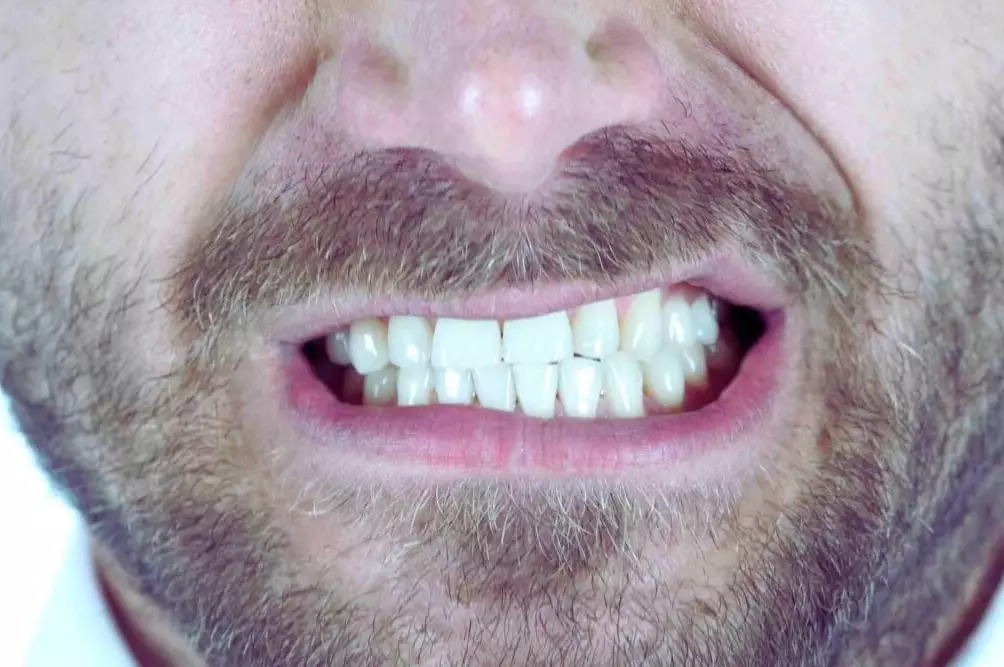
Create a 20-minute pre-sleep routine that signals to your body it's time to unwind. Mine looks like this: Warm compress on jaw, 5 minutes of light stretching (focusing on neck and shoulders), reading a physical book (no screens), and a quick check of my jaw posture.
Schedule bi-annual dental check-ups specifically to monitor wear and the condition of your night guard. A worn-out guard is useless.
Re-evaluate during life changes. New job, new baby, new medication? These can trigger a bruxism flare-up. Be ready to ramp up your management tactics.
Your Top Questions on Stopping Teeth Grinding, Answered
 What happens if I just ignore my nighttime teeth grinding?