Let's be honest. Most of us have a morning and nighttime oral care routine we follow on autopilot. But here's the thing I've learned after years of talking to patients and dentists: a lot of that autopilot programming is flawed. You might be brushing at the wrong time, using tools in the wrong order, or missing steps that matter more than you think. This isn't about shaming anyone. It's about clarity. A truly effective oral care routine is simple, but the details make all the difference between just going through the motions and actually protecting your teeth and gums for the long haul.
The biggest misconception? That morning brushing is the star of the show. It's not. Your nighttime routine is the heavyweight champion for preventing decay and gum disease. While you sleep, saliva flow drops dramatically. Saliva is your mouth's natural cleaner and acid neutralizer. Without it, bacteria throw a party, and acid attacks on your enamel go unchecked. A rushed brush before bed is like locking the doors but leaving all the windows wide open.
Your Quick Navigation
The Core Routine, Deconstructed
Think of this as your non-negotiable baseline. It has two acts: morning and night. They share similarities, but their goals are slightly different.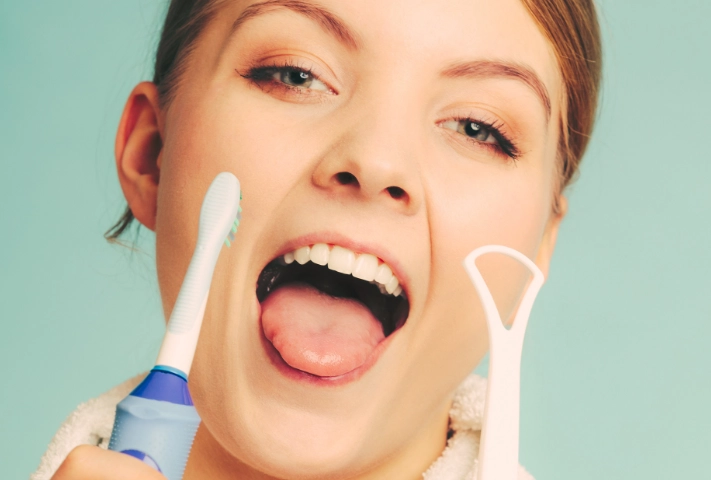
| Time | Primary Goal | Key Steps | Common Pitfall to Avoid |
|---|---|---|---|
| Morning Routine | Remove overnight bacterial film (plaque) and freshen breath. | 1. Brush with fluoride toothpaste. 2. Clean between teeth (floss/ interdental brush). 3. Rinse (optional, with alcohol-free mouthwash). |
Brushing immediately after acidic breakfast (like orange juice). This can soften enamel. Wait 30-60 minutes. |
| Nighttime Routine | Thoroughly remove all food debris and plaque from the day to protect teeth during the vulnerable sleep hours. | 1. Clean between teeth (floss/ interdental brush) FIRST. 2. Brush with fluoride toothpaste for a full 2 minutes. 3. Consider additional tools (e.g., tongue scraper). 4. Do NOT eat or drink (except water) after. |
Rushing. This is your most important cleaning session. Don't skip corners or cut time short. |
How to Brush Your Teeth Properly (You're Probably Missing Spots)
Two minutes. That's the magic number, but hardly anyone hits it. Set a timer. I use my phone. Place your toothbrush at a 45-degree angle to your gums. Use gentle, short circular motions, not aggressive back-and-forth scrubbing. You're massaging your gums and sweeping plaque off teeth, not scouring a pot.
Pay special attention to three areas people consistently miss:
- The gumline: This is where plaque loves to hide and cause gingivitis. Angle those bristles.
- The inner surfaces of your front teeth: Tilt the brush vertically and use up-and-down strokes.
- The chewing surfaces of your back molars: Use a firm back-and-forth motion to clean those grooves.
A soft-bristled brush is non-negotiable. Medium or hard bristles can wear down enamel and damage gums over time. Replace it every 3-4 months, or sooner if the bristles look frayed.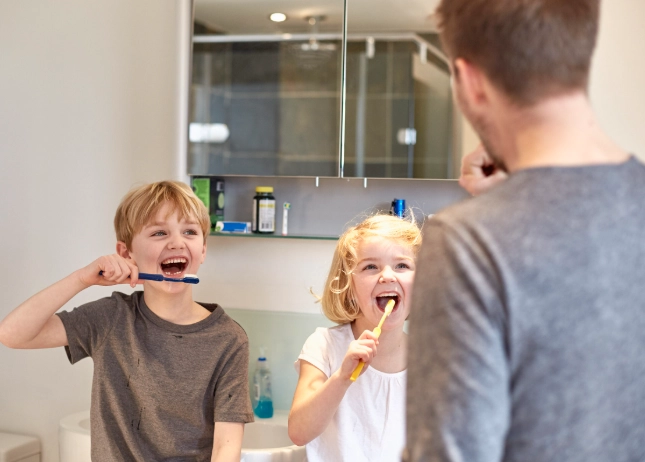
Flossing: The When and How That Actually Works
This is the step everyone loves to hate. The best time to floss is whenever you'll actually do it consistently. But from a purely mechanical standpoint, flossing before you brush at night is more effective. Here's why: flossing dislodges food and plaque from between teeth, but it leaves that debris in your mouth. Brushing immediately afterward can then sweep it away. If you brush first, you might push some of that loosened plaque back into place.
Don't just snap the floss down. Gently guide it between teeth, curve it into a C-shape against one tooth, slide it up and down under the gumline, then curve it around the neighboring tooth and repeat. Use a fresh section of floss for each gap. If traditional floss is a struggle, try floss picks, a water flosser, or interdental brushes. The American Dental Association says the best tool is the one you'll use.
Why the Order of Operations Matters
You don't mop the floor before you sweep it. The same logic applies in your mouth. The sequence—floss, then brush—is a game-changer for efficiency. Flossing first breaks up the biofilm between teeth, making the fluoride in your toothpaste more likely to reach those protected surfaces. If you use mouthwash, do it after brushing, not before. Swishing with a therapeutic rinse after brushing can help fluoride stay on your teeth longer. Using it before washes away the concentrated fluoride paste you're about to apply.
My personal tweak: I keep a pack of interdental brushes by my couch. When I'm watching TV at night, I'll clean between my teeth then and there. It takes 60 seconds and means my pre-brush flossing later is quicker. It's about fitting the habit into your life, not making your life fit the habit.
Customizing Your Routine for Personal Needs
The basic routine is a template. Your specific biology and lifestyle demand adjustments.
If You Have Sensitive Teeth
Drop that whitening toothpaste immediately. Many contain abrasives or peroxides that aggravate sensitivity. Switch to a toothpaste formulated for sensitive teeth with ingredients like potassium nitrate or stannous fluoride. Use a soft or extra-soft brush and avoid brushing too hard. Don't rinse with a ton of water after brushing—just spit out the excess paste. This leaves a little more of the desensitizing agent on your teeth.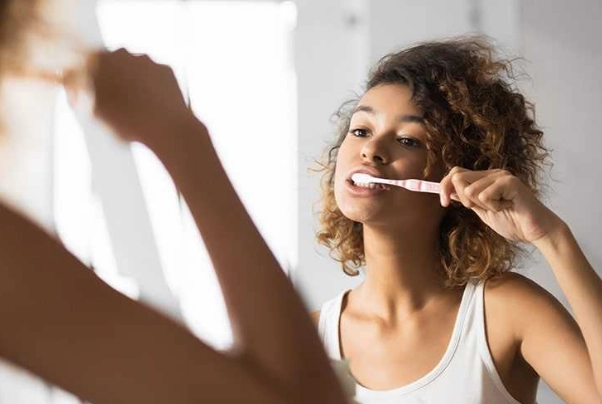
If You Wear Braces or Aligners
Your oral care routine needs to become a meticulous cleaning protocol. For braces, you'll need special tools: an orthodontic brush (with a V-shaped bristle pattern), floss threaders, or a water flosser. Clean around every bracket, above and below the wires. With clear aligners, you must brush AND floss after every meal or snack before putting them back in. Trapping food particles against your teeth under a plastic tray is a surefire way to get cavities. Clean the aligners themselves daily with a soft brush and clear, unscented soap—not toothpaste, which can scratch them.
The Travel & On-the-Go Routine
Perfection isn't possible, but prevention is. My travel kit is minimalist: a foldable toothbrush, a small tube of toothpaste, and a bag of floss picks. If you forget your brush, chewing sugar-free gum with xylitol after a meal can help stimulate saliva and clean a little. But it's not a substitute. The goal while traveling is damage control—remove the big stuff and get back to your full routine as soon as you're home.
Let me tell you about Tom, a patient I spoke to. He had "perfect" home care but got three cavities in a year. The culprit? A new habit of sipping a craft beer slowly over two hours every evening while reading, after his nighttime brush. That constant, low-level acid bath from the beer was enough to undermine his otherwise great routine. He switched to drinking water during his reading time, and the problem stopped. The routine isn't just the two minutes of brushing; it's the 23 hours and 58 minutes around it.
FAQs Answered by a Dental Hygienist
I wear braces and find flossing nearly impossible. What's a realistic alternative?
A water flosser is your best friend. Get one with an orthodontic tip. The pulsating water can get around brackets and under wires far more easily than thread floss. It's not a 100% replacement for mechanical cleaning, but it's about 80% effective and infinitely better than doing nothing. Pair it with interdental brushes for the larger gaps.
What's the absolute bare-minimum routine I can get away with on a crazy day when I'm exhausted?
If you can only do one thing, make it the nighttime brush with fluoride toothpaste. But if you're truly on the brink, at least floss and then use a fluoride mouthwash. The floss removes the physical debris, and the fluoride in the rinse offers some protection. It's an emergency patch, not a habit.
My gums bleed when I floss. Should I stop?
No, but you should change your technique. Bleeding is usually a sign of inflammation caused by existing plaque and bacteria. Gentle, consistent flossing will remove the irritant and the bleeding should stop within a week or two. If it persists, see your dentist—it could indicate gingivitis that needs professional attention.
Is an electric toothbrush really worth it?
For most people, yes. A good oscillating-rotating electric brush removes more plaque with less effort and often has a built-in timer to ensure you brush for two minutes. It's especially helpful for kids, people with dexterity issues, or anyone who tends to brush too hard. But a manual brush used with perfect technique is still excellent.
I have teeth sensitivity, but I also want them whiter. Can I use whitening toothpaste?
I advise against it. Most whitening toothpastes work through abrasion or mild bleaching agents that can worsen sensitivity. A better approach is to get your sensitivity under control first with a dedicated sensitivity toothpaste for a few months. Then, talk to your dentist about professional whitening options or use a gentle, at-home whitening system sparingly, not as your daily paste.