Quick Navigation
- How Does "Fast" Teeth Whitening Actually Work?
- Breaking Down the Major Fast Whitening Methods
- Deep Dive: Reviews of Top Contenders for Fast Results
- The Safety Side: What No One Tells You in the Ads
- Making It Last: The Follow-Through Everyone Forgets
- Your Fast Teeth Whitening Questions, Answered
- The Final Verdict
Let's be honest. You're here because you saw a photo, or maybe looked in the mirror, and thought – I want my smile brighter, and I want it now. Not in six months. Not after a dozen dental appointments. Fast. The internet is flooded with promises of overnight transformations, from strips that work while you sleep to gels that zap stains in minutes. But which ones actually deliver? I've been down this rabbit hole myself, spending more money than I'd care to admit on products that ranged from miraculous to utterly useless. This isn't just another generic listicle. This is a deep dive, based on real use, research, and a lot of trial and error, into the world of fast teeth whitening reviews.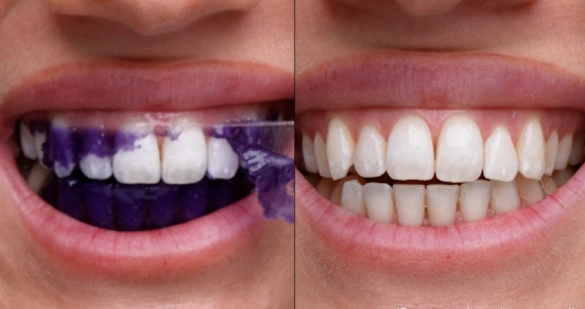
My goal is simple: to give you the clear, no-BS information you need to make a smart choice. We'll look at the different types of fast-acting products, break down how they actually work (or don't), and I'll share my personal takes on some of the biggest names out there. Forget the sponsored posts and the fake before-and-afters. Let's talk about what it's really like.
The Core Question: Is "fast" teeth whitening safe and effective, or is it just marketing? The short answer is: it can be both. The key is understanding the trade-offs between speed, safety, and sensitivity. A product that whitens drastically in one hour will almost certainly make your teeth more sensitive than one that works over two weeks. It's all about finding your personal balance.
How Does "Fast" Teeth Whitening Actually Work?
Before we jump into specific fast teeth whitening reviews, it's crucial to understand the engine under the hood. Most at-home whitening products, the ones that promise quick results, rely on one of two active ingredients: hydrogen peroxide or carbamide peroxide. Think of them as bleach for your teeth (in a controlled, safe way).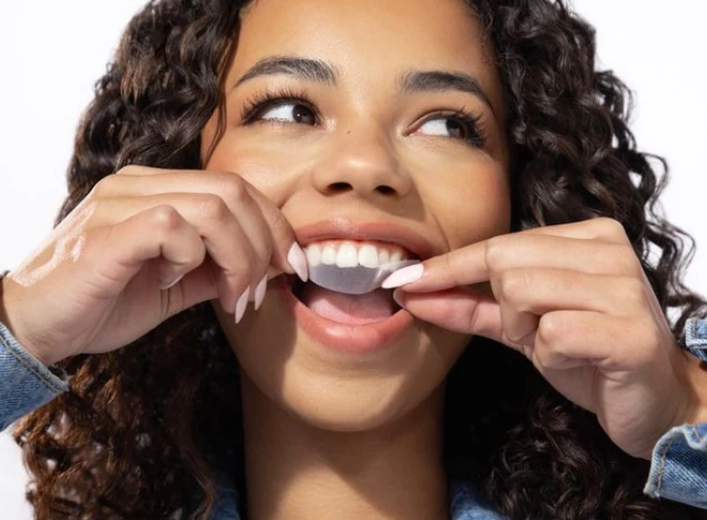
Hydrogen peroxide is the faster, more aggressive agent. It breaks down quickly, releasing oxygen molecules that penetrate the enamel and break apart the stain compounds inside the tooth. This is why you'll see it in products marketed for speed – 1-hour whitening kits, 30-minute treatments. Carbamide peroxide is slower. It breaks down into hydrogen peroxide and urea, so it works over a longer period, often with less immediate sensitivity.
The concentration is the other big factor. A 10% carbamide peroxide gel is standard for many take-home kits. But some fast-track products might use 35% or higher hydrogen peroxide for in-office-style results. Higher concentration usually means faster results, but it also means a much higher risk of gum irritation and tooth sensitivity. You have to manage that risk.
It's not just about the bleach, though. The delivery system matters massively. A well-fitted tray holds the gel against your teeth. A flimsy strip might let it ooze onto your gums. A LED light? The science is still debated, but some studies and many user teeth whitening products reviews suggest it can accelerate the peroxide's action, potentially speeding things up.
So, speed comes from a combination of strong active ingredients and an effective delivery method. But that strength is a double-edged sword.
Breaking Down the Major Fast Whitening Methods
Not all fast whiteners are created equal. They come in different shapes, prices, and commitment levels. Here’s a straightforward comparison to help you see the landscape.
| Method | How Fast? (Typical First Results) | Best For | Biggest Drawback | Approx. Cost Range |
|---|---|---|---|---|
| Whitening Strips | Visible in 3-5 days, full course in 1-2 weeks. | Convenience, affordability, mild to moderate staining. | Can be messy, may not cover all teeth evenly, gum irritation common. | $25 - $60 |
| LED Whitening Kits (with gel & light) | Claims of 1-3 sessions for noticeable change. | Those wanting a "professional-lite" experience at home. | Can cause significant sensitivity, results vary wildly by brand. | $50 - $200+ |
| Whitening Pens | Very subtle brightening over time, not truly "fast." | Touch-ups, maintaining other treatments, on-the-go use. | Very weak concentration, easy to apply unevenly, effect is minimal. | $15 - $35 |
| High-Strength Whitening Gels (in trays) | Can see shifts in a single 30-60 min application. | Fast, significant results for committed users. | High risk of sensitivity, requires precise fitting/molding. | $40 - $100 |
| Whitening Toothpaste & Mouthwash | Very slow, maintenance only. | Daily stain prevention, not active whitening. | Does not change intrinsic tooth color, only removes surface stains. | $5 - $15 |
Looking at that table, it's clear that "fast" usually means strips or LED/gel kits. The pens and toothpastes are more about upkeep. I made the mistake once of buying a whitening pen hoping for a quick fix before an event. Let's just say the photos didn't look any different. Total waste of twenty bucks.
Deep Dive: Reviews of Top Contenders for Fast Results
Alright, let's get into the nitty-gritty. I've gathered feedback from my own use, countless forums, and verified purchaser reviews to give you a rounded view. Remember, everyone's teeth are different. What sent my friend into sensitivity hell worked fine for me.
1. Crest 3D Whitestrips (Professional Effects or Supreme Flex)
The Good Stuff
- Proven Track Record: This is the OG. They have tons of clinical studies backing them up, which is more than you can say for most brands. The American Dental Association (ADA) has even granted the Seal of Acceptance to some Crest 3D Whitestrips variants, which is a big deal for safety and efficacy. You can read about the ADA's Seal program on their official website to understand what it means.
- Consistently Good Results: For mild to moderate coffee/wine staining, they just work. You'll likely see a difference after the third or fourth strip.
- Widely Available: No waiting for shipping. You can grab them at any drugstore.
The Not-So-Good
- Sensitivity is Real: The higher-end "Professional Effects" or "1 Hour Express" versions pack a punch. My teeth felt tingly and a bit achy, especially with cold drinks. Using a sensitivity toothpaste beforehand is non-negotiable for many.
- Fit Can Be Awkward: They can slide around, and saliva gets underneath. The "Supreme Flex" version is better, but it's still a strip stuck to your teeth for 30-60 minutes.
- Not for Gaps or Uneven Teeth: They only whiten what they touch. If you have spacing or crowding, you might get uneven results.
My Take: I've used these more times than I can count. They're my reliable fallback. Are they the absolute fastest? No. But they're a known quantity. The results last a decent few months if you avoid stain-causing foods. For a solid, no-surprise option, they're hard to beat. Just buy a tube of Sensodyne too.
2. SmileDirectClub Teeth Whitening Kit (with LED Light)
This one is all about the LED light hype. The kit comes with syringes of gel and a mouthpiece that lights up blue.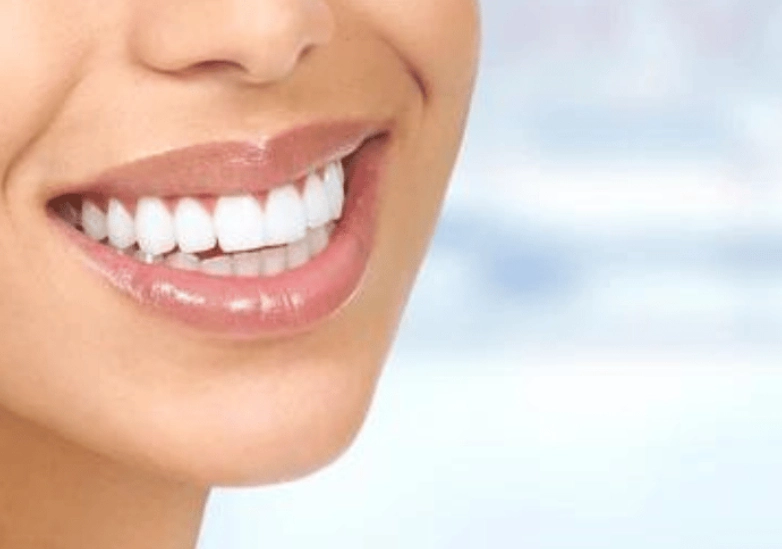
The Speed Claim: They promise results in just 9 minutes a day for 10 days. That's a very attractive pitch for the busy person.
The Good Stuff
- Very Fast Application: Nine minutes flies by compared to half an hour with strips.
- Comfortable Mouthpiece: It's a soft, flexible tray, which feels less intrusive than adhesive strips.
- Initial Pop: Many users, myself included, notice a brightness after the first few sessions. It feels like it's working fast.
The Not-So-Good
- Questionable LED Benefit: Is the light doing anything? A review of scientific literature often shows that the evidence for LED lights significantly boosting peroxide whitening is mixed at best. You might be paying a premium for a blue light.
- Gel Management: You have to apply the gel to the tray yourself. It's easy to use too much, leading to overflow and gum irritation.
- Cost vs. Results: It's pricier than strips, and some fast teeth whitening reviews argue the end result isn't necessarily better than cheaper methods.
3. Opalescence Go Prefilled Trays
This is the secret weapon a lot of dentists sell directly or recommend. Opalescence is a professional brand, and "Go" is their consumer-friendly version.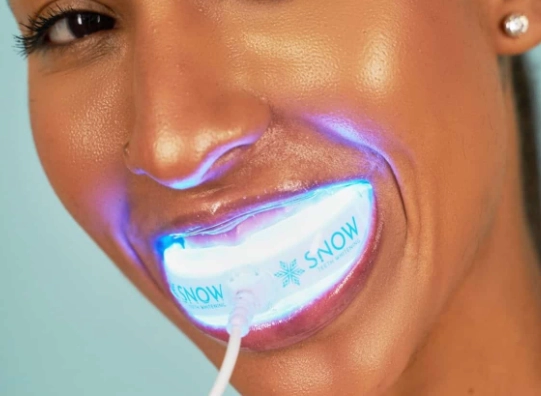
You get a box of disposable, pre-filled plastic trays in different sizes (like S, M, L). You pop one in for 15-60 minutes depending on the formula.
The Good Stuff
- Professional-Grade Formula: This is the real deal. The hydrogen peroxide gel is thick, sticky, and designed to stay put. It contains potassium nitrate and fluoride to help combat sensitivity and strengthen enamel, which is a huge plus.
- Excellent Coverage: Because it's a tray, the gel contacts your entire tooth surface evenly, leading to uniform whitening.
- Noticeable Results Quickly: The 15% or 20% hydrogen peroxide versions can deliver a visible shift in a single use. This is where you get truly fast teeth whitening.
The Not-So-Good
- Finding the Right Fit: If you choose a size too small or too large, it's uncomfortable and ineffective. It can take some trial and error.
- Higher Price Point: You're paying for professional quality. A box of 10 treatments might cost as much as a full kit from other brands.
- Not as Easy as Strips: It's still a multi-step process of selecting a tray, ensuring it's snug, and timing the session.
My Take: For balance of speed and manageability, this is my top pick. The sensitivity was far less than I expected because of the built-in desensitizers. The results were dramatic after two uses (I used the 20% for 30 minutes). It feels like you're getting a dental treatment at home. If you're serious about fast results and willing to pay a bit more, start your fast teeth whitening reviews research here.
A Word of Caution on "One-Hour" or "Instant" Kits: Be extremely skeptical of products claiming dramatic whitening in one 10-minute session. The chemistry of whitening simply doesn't work that way for deep stains. At best, they are drying out your teeth temporarily to make them look brighter (a trick that wears off in hours). At worst, they are using dangerously high concentrations of peroxide that can damage enamel and gums. If it sounds too good to be true, it almost always is.
The Safety Side: What No One Tells You in the Ads
Everyone wants fast results, but your long-term dental health is more important. Here are the unsexy but critical safety tips most teeth whitening products reviews gloss over.
- Gum Irritation is the #1 Complaint. Peroxide is an irritant. If it touches your gums, they will get white, sore, or bleed. The key is precise application. Wipe any excess gel off your gums immediately with a cotton swab or your finger.
- Tooth Sensitivity is Inevitable for Many. As the peroxide penetrates, it can temporarily inflame the nerve inside the tooth. It usually subsides 24-48 hours after treatment stops. Using a toothpaste for sensitive teeth for two weeks before starting can build up protection.
- You Cannot Whiten Caps, Crowns, or Fillings. Only natural tooth enamel whitens. If you have visible dental work on your front teeth, whitening will create a mismatch, making the natural teeth brighter and the artificial ones stand out. Talk to your dentist first.
- Over-Whitening is a Thing ("Overbleaching"). Teeth can start to look unnaturally opaque, bluish, or even translucent at the edges. There is a natural limit to how white they can go. More is not always better.
I learned the gum irritation lesson the hard way with an ill-fitting strip. Had a sore spot for two days. Not fun.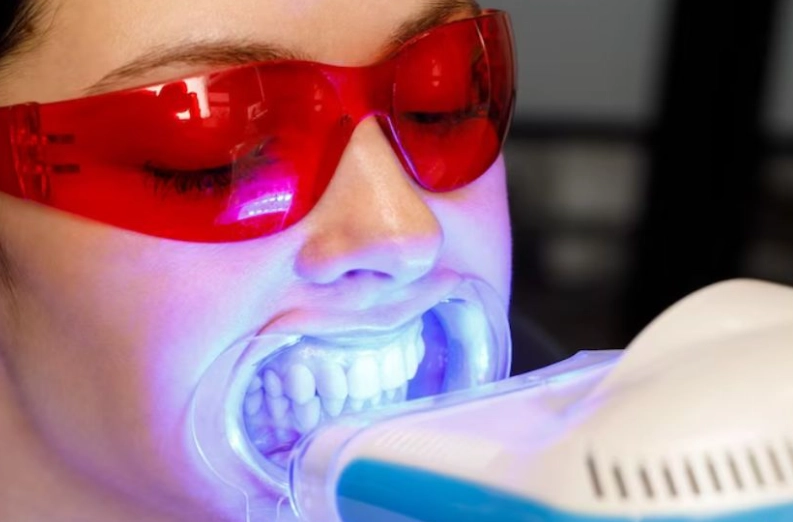
Pro Tip for Minimizing Sensitivity: Alternate your whitening days. Don't do it every single day back-to-back. Give your teeth a day to recover in between sessions. It might take slightly longer, but it's much more comfortable.
Making It Last: The Follow-Through Everyone Forgets
You got fast results. Great! Now how do you keep them? This is where most people fail, and then they blame the product when their teeth yellow again in a month.
Think of whitening as lifting a stain out of a white shirt. If you immediately spill coffee on it again, it'll stain again. Your teeth are the same.
The Stain-Causers "White Diet" (for 48 hours after whitening)
Your enamel is slightly more porous right after whitening. Avoid for at least two days:
- Coffee & Black Tea (the biggest offenders)
- Red Wine
- Cola & Dark Sodas
- Soy Sauce, Balsamic Vinegar
- Curry, Turmeric
- Berries (blueberries, raspberries)
- Smoking (obviously)
Drink stain-causing beverages through a straw when you can. It seems silly, but it genuinely bypasses your front teeth.
Maintenance Routine
- Use a Whitening Toothpaste 1-2x per week: Not daily, as many are abrasive. A couple times a week helps combat new surface stains.
- Get a Professional Cleaning: A dental hygienist removing plaque and tartar will instantly make your teeth look brighter and cleaner. The American Dental Association recommends cleanings at intervals suggested by your dentist.
- Do a "Touch-Up" Session: Every 3-6 months, use one strip or one tray of your product. This nips any new staining in the bud before it becomes deep-set.
Your Fast Teeth Whitening Questions, Answered
The Final Verdict
After sifting through all the noise and trying more products than my bathroom cabinet can hold, here's the bottom line. Fast teeth whitening is absolutely achievable at home, but it requires managing expectations and prioritizing safety.
For most people looking for a reliable, accessible option with a good balance of speed and tolerable sensitivity, Crest 3D Whitestrips (Professional Effects) remain the gold standard. They're the benchmark against which others are measured.
If you want faster, more professional-level results and are willing to pay a bit more and deal with a slightly more involved process, Opalescence Go prefilled trays are, in my opinion, the best value in the "pro-sumer" market. The results are impressive and the built-in sensitivity fighters make a difference.
The LED kits? They're fun and feel high-tech, and the speed of application is great. But I'm not fully convinced the light itself is doing much heavy lifting. You might be paying for the gadget.
Ultimately, the best product for you depends on your stain level, your budget, your sensitivity, and how much hassle you're willing to put up with. I hope this deep dive into fast teeth whitening reviews has given you the clarity to choose wisely. Don't chase the fastest possible time at the expense of your comfort. A slightly slower, more comfortable journey to a brighter smile is always better than a fast, painful one you never want to repeat.
Go forth and whiten wisely.