Plaque removal isn't just about a bright smile; it's your frontline defense against cavities, gum disease, and bad breath. If you're tired of seeing that fuzzy film on your teeth or feeling a rough texture, you're in the right place. After over a decade as a dental hygienist, I've seen countless patients struggle with plaque despite their best efforts. This guide cuts through the noise to give you actionable, expert-backed strategies for effective plaque removal. Let's get straight to it: consistent, proper technique beats fancy products every time.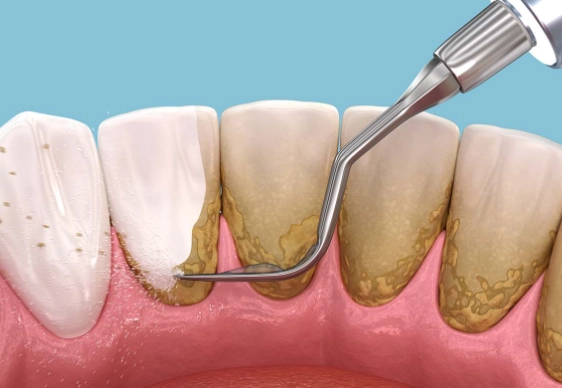
What You'll Discover in This Guide
What is Dental Plaque and Why Remove It?
Dental plaque is that sticky, colorless biofilm that forms on your teeth after eating. It's made up of bacteria, saliva, and food particles. Think of it as a bacterial party on your enamel—and if you don't break it up, it hardens into tartar, which only a dentist can remove.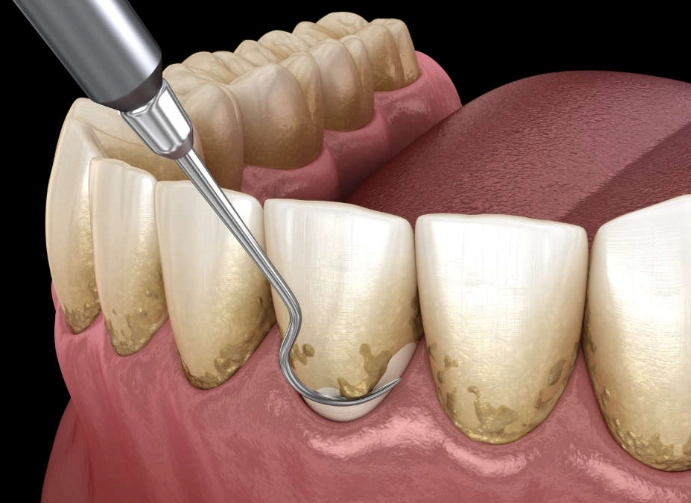
Why bother? Plaque is the main culprit behind tooth decay and gum inflammation. Left unchecked, it leads to gingivitis and periodontitis, which can cause tooth loss. The American Dental Association highlights that plaque control is foundational to oral health. But here's a nuance most miss: plaque isn't just on visible tooth surfaces. It hides under the gumline and between teeth, where brushing alone can't reach.
The Science Behind Plaque Formation
Plaque starts forming within minutes after you eat, especially sugary or starchy foods. Bacteria feed on these leftovers, producing acids that erode enamel. It's a continuous process, which is why regular removal is key. I tell my patients: plaque is like dust on furniture—wipe it daily, or it builds up into a grimy layer.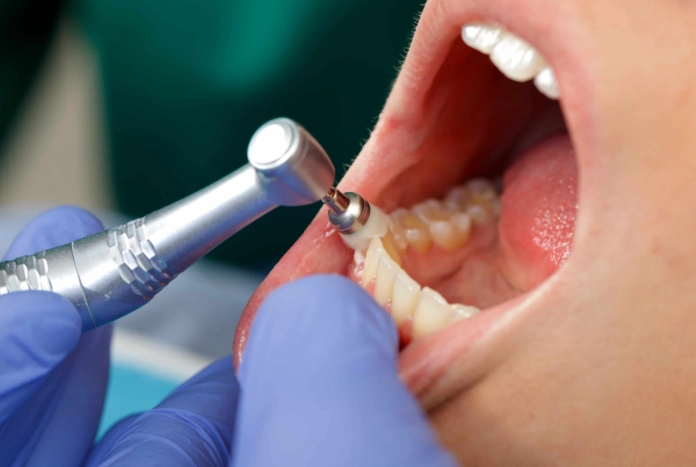
Risks of Ignoring Plaque Buildup
Beyond cavities, plaque contributes to systemic issues. Studies link poor oral hygiene to heart disease and diabetes complications. A patient of mine, Sarah, ignored mild plaque for years and ended up needing root planing for early periodontitis. It was preventable with consistent care.
How to Remove Plaque at Home: A Step-by-Step Guide
Effective plaque removal at home hinges on technique, not just frequency. Brushing twice a day is standard, but how you brush matters more. Let's break it down.
Brushing: The Foundation of Plaque Removal
Use a soft-bristled toothbrush—hard bristles can damage gums. Angle the brush at 45 degrees to the gumline and use short, gentle strokes. Cover all surfaces: outer, inner, and chewing. Spend at least two minutes. Many people rush the inner surfaces of front teeth; that's where plaque loves to accumulate.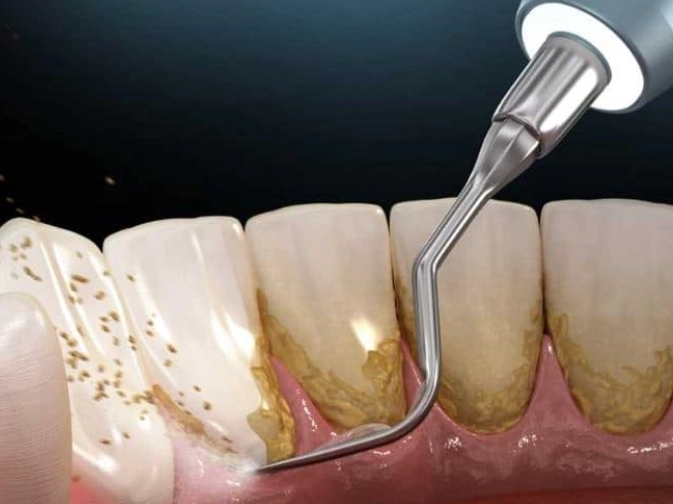
Electric vs. manual toothbrushes? Here's my take after comparing hundreds of cases: electric brushes with oscillating heads tend to remove more plaque for most people, especially those with limited dexterity. But a manual brush used correctly works fine. The key is motion—small circles or back-and-forth strokes, not scrubbing.
Flossing: Reaching Where Brushing Can't
Flossing is non-negotiable. It removes plaque from between teeth and under the gumline. If you skip it, you're leaving 40% of tooth surfaces untouched. Use about 18 inches of floss, wrap it around fingers, and glide it gently in a C-shape against each tooth. Don't snap it—that hurts gums.
Water flossers can help, but they're supplements, not replacements for string floss. For tight spaces, interdental brushes work wonders.
Mouthwash and Other Adjuncts
Antimicrobial mouthwashes with cetylpyridinium chloride or essential oils can reduce plaque bacteria. But they're not a magic solution. Rinse after brushing and flossing to dislodge loosened debris. Some products claim "plaque removal" but just mask bad breath—read labels carefully.
Consider a tongue scraper. Plaque builds on the tongue too, contributing to oral odor. A quick scrape each morning makes a difference.
| Tool | Best Use for Plaque Removal | Limitations |
|---|---|---|
| Soft Toothbrush | Daily brushing of all surfaces | Requires good technique |
| Dental Floss | Cleaning between teeth | Can be tricky for beginners |
| Water Flosser | Gum stimulation, braces | Doesn't scrape plaque like floss |
| Antimicrobial Mouthwash | Reducing bacteria post-cleaning | Not a substitute for mechanical removal |
Professional Plaque Removal: When to See a Dentist
Home care can't remove tartar. If plaque hardens, you need a dental cleaning. Dentists recommend check-ups every six months, but if you're prone to plaque buildup, every four months might be better.
Dental Cleanings: What to Expect
A hygienist uses scalers to scrape off tartar above and below the gumline. It's not painful if done regularly. Ultrasonic devices break up deposits with vibrations. I've had patients who avoided cleanings due to fear, only to require deep cleaning later—more discomfort and cost.
Scaling and Root Planing for Advanced Cases
If gum disease sets in, scaling and root planing cleans roots to prevent further damage. It's more intensive but prevents tooth loss. Early intervention saves money and pain.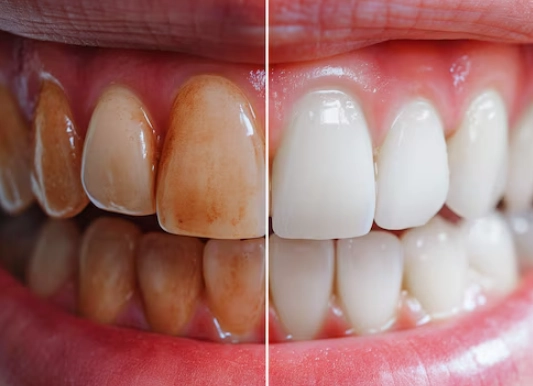
Common Mistakes and How to Avoid Them
Even diligent people slip up. Here are pitfalls I see daily.
Over-Brushing and Gum Damage
Scrubbing hard doesn't remove more plaque; it wears enamel and recedes gums. Use gentle pressure. If your brush bristles flatten quickly, you're pressing too hard.
Skipping Flossing: A Costly Error
"But my gums bleed when I floss!" That's often a sign of inflammation from existing plaque. Floss gently and consistently, and bleeding should reduce within a week. If not, see a dentist.
Misusing Mouthwash
Rinsing with mouthwash before brushing washes away fluoride from toothpaste. Do it after. Also, alcohol-based rinses can dry the mouth, reducing saliva that naturally fights plaque.
Another subtle error: focusing only on teeth. Plaque thrives on gums and tongue. Brush gums lightly and scrape your tongue.
FAQ: Your Top Plaque Removal Questions Answered
Plaque removal is a daily commitment, but with the right approach, it becomes second nature. Start with technique, be consistent, and don't hesitate to seek professional help when needed. Your smile will thank you.