Quick Navigation
- Why Do We Even Need Retainers? (The Non-Boring Science Part)
- The Lifespan Breakdown: It All Starts With the Type You Have
- How to Make Your Retainer Last as Long as Humanly Possible
- When Do You KNOW It's Time for a New One? (The Signs)
- The Cost of Replacement: What to Expect (And How to Save)
- Common Questions (The Stuff You Actually Google)
Let's be real. You just got your braces off, you're flashing that new smile everywhere, and then your orthodontist hands you this little plastic thing and says "wear this forever." Forever? Really? And the first question that pops into your head is probably, "Okay, but how long do retainers last after braces before I need a new one?"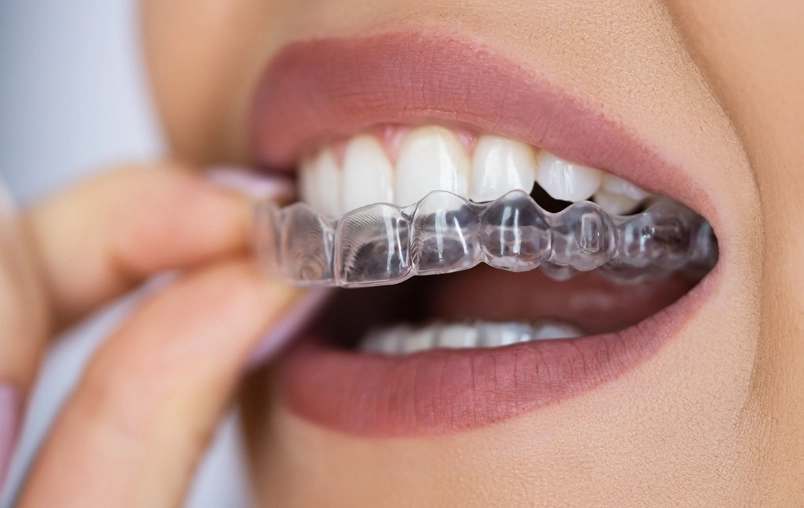
I remember my friend Sarah. She was so diligent for the first year. Then life happened. The retainer went in a napkin at a restaurant (disaster), got chewed on by the dog (double disaster), and eventually just stopped fitting right. She called me in a panic asking exactly this. The answer, frustratingly, isn't a single number. It's more of a "it depends" situation, but I can break down exactly what it depends on.
If you're looking for a quick answer, here it is: most removable retainers last between 2 to 5 years with proper care. Permanent retainers can last 10 years or more, but they're not without their own issues. But that's just the surface. Stick around, because the real story is in the details—details that can save you money, time, and a lot of orthodontic regret.
Why Do We Even Need Retainers? (The Non-Boring Science Part)
Before we dive into lifespan, it helps to know why this is so important. Your teeth aren't cemented into your jawbone. They sit in little sockets held by a network of fibers called the periodontal ligament. When braces move teeth, they remodel this bone and stretch those fibers.
After the braces come off, the bone is still soft and those fibers are like stretched-out rubber bands, trying to pull the teeth back to their old, crooked positions—a process called relapse. Your retainer fights this memory. It holds everything in place while the bone fully hardens and the fibers adapt. This stabilization period is lifelong for most people. Teeth naturally shift throughout our lives anyway, thanks to aging, wisdom teeth pressure (even if removed later), and habits like tongue thrusting.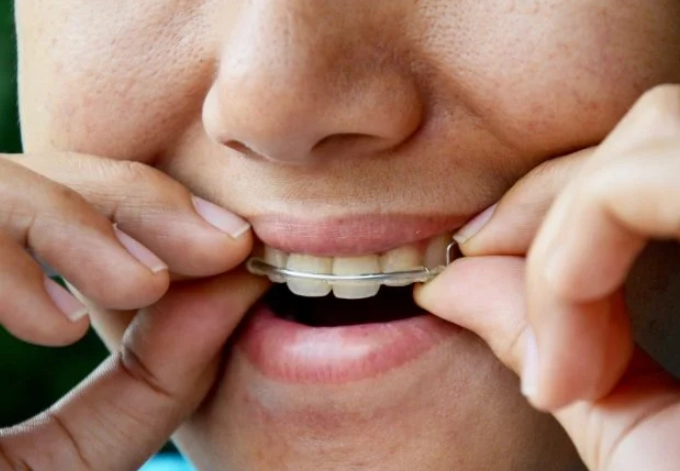
So, asking "how long do retainers last after braces" is really asking, "How long does my smile's stability need active support?" And the answer is: indefinitely, but the form of that support might change.
The Lifespan Breakdown: It All Starts With the Type You Have
This is the core of it. Your retainer's expected lifespan is dramatically different based on the material and design. Here’s a no-nonsense comparison.
| Retainer Type | Typical Lifespan | What Determines Its Life? | Biggest Pros & Cons |
|---|---|---|---|
| Hawley Retainer (Acrylic & Wire) | 5+ years (often 5-10) | Wire fatigue/breakage, acrylic wear/cracking, hygiene. | Pro: Durable, adjustable. Con: Visible, can affect speech. |
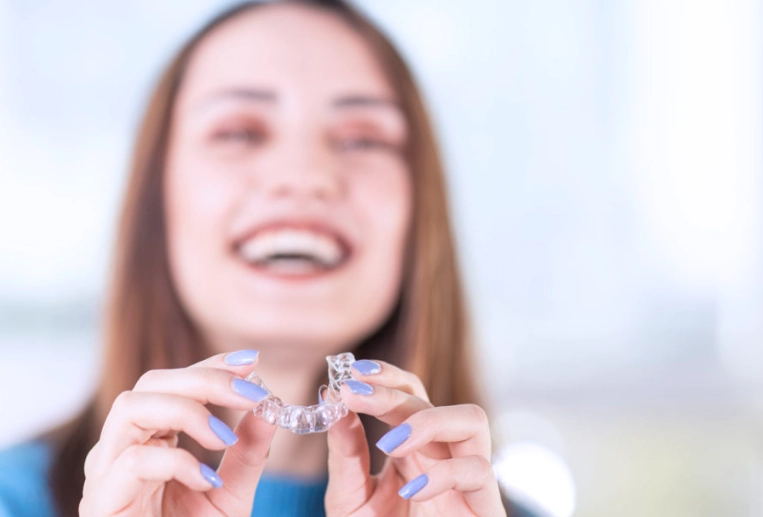
| Essix/Clear Plastic Retainer | 1-3 years (sometimes less) | Plastic becomes brittle, cracks, stains, loses its "grip." | Pro: Nearly invisible. Con: Fragile, wears out fastest. |
| Fixed/Bonded/Permanent Retainer | 5-20+ years | Wire bond failure, tartar buildup, wire fracture. | Pro: No forgetting it. Con: Hard to clean, can break unnoticed. |
| Vivera-type (Premium Clear) | 2-5 years per set (often sold in packs) | Higher-grade plastic resists wear longer than standard Essix. | Pro: Great clarity & fit. Con: More expensive upfront. |
See the range? A Hawley might outlast several sets of clear aligners. But here's a personal take: I found the Hawley bulky and it gave me a slight lisp. The clear ones were comfortable but I went through two pairs in three years because I'm a nighttime teeth grinder. They got thin and flexible. Not all clear retainers are created equal, either. The cheap, single-layer ones from some online services? They might not last a year. The thicker, multi-layered ones from your orthodontist have a fighting chance.
The Sneaky Factors That Shorten Retainer Life
Okay, so you have your type. But why does one person's clear retainer last 3 years and another's crack in 6 months? It's the daily grind (sometimes literally).
- Teeth Grinding (Bruxism): This is the #1 assassin of clear retainers. The constant pressure wears down the plastic incredibly fast, creating thin spots and cracks. If you grind, tell your orthodontist. A Hawley or a night guard over a permanent retainer might be a better long-term investment.
- Cleaning Habits: Using hot water warps plastic. Using toothpaste is abrasive and creates micro-scratches that harbor bacteria and weaken the material. Harsh chemicals or mouthwash can degrade the plastic.
- Storage: Leaving it in a napkin on your lunch tray. Enough said. But also, leaving it in a hot car can warp it. A dry, rigid case is its best friend.
- Diet & Habits: Drinking anything other than water while wearing it (coffee, red wine, soda) stains and degrades plastic. Biting it into place or chewing on it stresses the material.
- Anatomy: Some people just have stronger bite forces. There's not much you can do here but be aware you might be a "heavy chewer" on your retainer without realizing it.
Ever wondered why your orthodontist never gave you a firm expiry date? It's because your mileage will absolutely vary based on this list.
How to Make Your Retainer Last as Long as Humanly Possible
Let's get practical. You want to push that lifespan to the max. Here's a battle plan.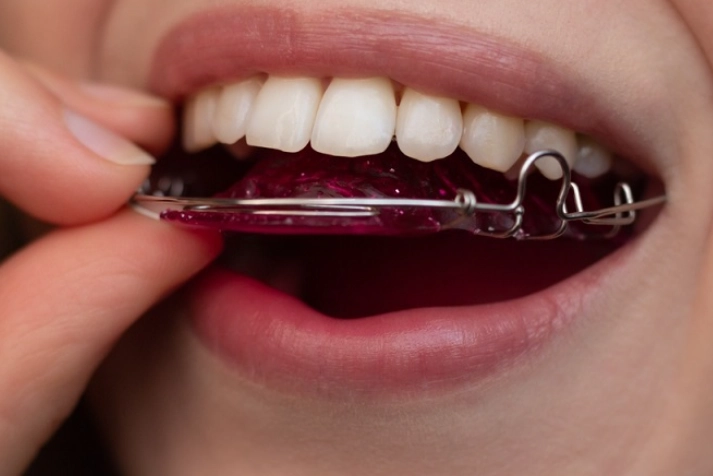
- Clean it right, every day. Use a soft-bristled brush and cool water. Use a mild soap (unscented castile soap is great) or a non-abrasive retainer cleaning tablet. The American Dental Association provides general guidance on cleaning dental appliances, which is a good starting point. Soak it, don't scrub it aggressively.
- Store it perfectly. In its case, always. Every single time you take it out. Not in your pocket, not in a paper towel, not on the bathroom counter. The case should be dry and clean itself.
- Keep it hydrated. When not in your mouth, it should be in water or a cleaning solution. Letting it dry out makes some plastics brittle.
- Handle with care. Don't bend or twist it when putting it in or taking it out. Use even pressure with both thumbs. For clear retainers, learn the "pop-off" technique from the back.
- Protect it from pets. You'd be amazed how many retainers are eaten by dogs. They smell like you. Close the case and put it somewhere high.
It sounds simple, but consistency is everything. A well-cared-for Hawley can look almost new after 5 years. A neglected one might have a broken wire in 2.
When Do You KNOW It's Time for a New One? (The Signs)
You shouldn't just wait for it to snap. Your retainer will send you signals. Ignoring them is how you get a surprise bill for a whole new set of aligners.
- It feels tight when you put it in. This is the biggest and most common sign. Your teeth have shifted, even slightly, and the retainer is now forcing them back. A little tightness after a few days of not wearing it is normal. Consistent, significant tightness means the retainer is no longer maintaining the position—it's correcting a new one. This stresses the retainer and your teeth.
- Visible damage. Cracks, chips, deep scratches, or holes. For clear retainers, check for thinning, especially on the biting surfaces of the back teeth. For Hawleys, check where the wire bends or enters the acrylic. For permanent retainers, run your tongue along the wire. Any pokey bits or gaps where the glue was?
- It doesn't sit flush. There's a gap between the retainer and your teeth, or it rocks when you bite down.
- Discoloration or odor you can't clean. This is more than aesthetics. It means the plastic has become porous and is harboring bacteria, which can degrade the material and isn't great for your oral health.
- For permanent retainers: If floss suddenly shreds or won't go through, the wire might be frayed. If you can see a gap between the glue and your tooth, the bond has failed.
The Cost of Replacement: What to Expect (And How to Save)
This is the part nobody likes. Replacement costs vary wildly.
A single replacement clear retainer might cost $150-$300. A Hawley, $200-$400. A new permanent retainer wire, $300-$600. If your teeth have shifted and you need new impressions and a new retainer made to a new position, the price goes up. Some orthodontists offer lifetime guarantee programs where you pay a one-time fee for unlimited replacements—if you got this, you're golden.
Here's a controversial opinion: some of the direct-to-consumer online impression kits for retainers worry me. They're cheaper ($100-$200), sure. But you're taking your own dental impressions. If they're off by a millimeter, the retainer will be off. And if it's off, it either won't fit or will apply pressure in the wrong places. For a simple, like-for-like replacement of a well-maintained smile, maybe it's okay. For anything else, seeing a professional who can physically check your teeth and bite is worth the extra cost. The American Association of Orthodontists strongly emphasizes the importance of professional supervision in orthodontic care, including retention, for this very reason.
A good middle ground? Ask your original orthodontist if they keep your digital scans on file. Many do now. You might be able to call and order a replacement from your original scan for a bit less than a full in-office appointment.
The Process of Getting a New Retainer
- Consultation: You'll go in, they'll check your teeth, see how much they've moved, and assess your old retainer.
- Impressions/Scans: They'll take new molds or a digital scan of your teeth as they are now. This is key. They aren't making the old retainer again; they're making a new one for your current teeth.
- Fabrication: Sent to a lab, takes 1-3 weeks.
- Fitting: You'll try it in, they'll check the fit and make adjustments (especially for Hawleys). They'll give you care instructions (again!).
If your teeth have shifted a lot, they might suggest a short course of treatment (like a few months of aligners) to get them back before making the new retainer. This is more expensive but prevents you from forcing a retainer onto teeth that have moved too far.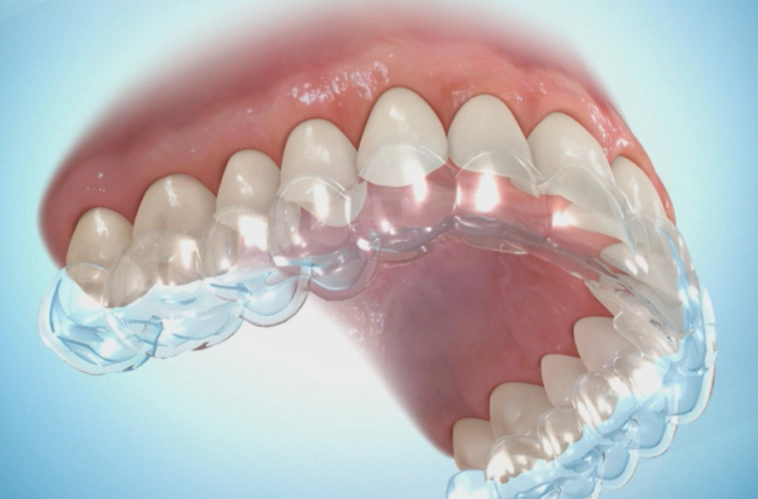
Common Questions (The Stuff You Actually Google)
Can I just wear my retainer at night forever?
Often, yes, but not initially. The standard protocol is full-time wear (22+ hours a day) for the first 3-6 months, then tapering to nights only. But this is a prescription from your orthodontist. Some cases (like severe rotations) need longer full-time wear. Never self-prescribe a reduced schedule.
My retainer is 10 years old and still fits. Do I need a new one?
Probably. The material is almost certainly degraded. Even if it slides on, plastic loses its elastic memory and clamping force over time. It's like an old rubber band—it might stretch around something, but it's not holding tightly. Get it checked.
What's the actual longest a retainer can last?
I've heard anecdotes of people with Hawley retainers from the 1980s that still function. But that's an extreme outlier, like a car with a million miles. It's not the norm or the expectation. For permanent retainers, with impeccable hygiene and no breakage, 20+ years is possible. But you should have it checked at every dental cleaning.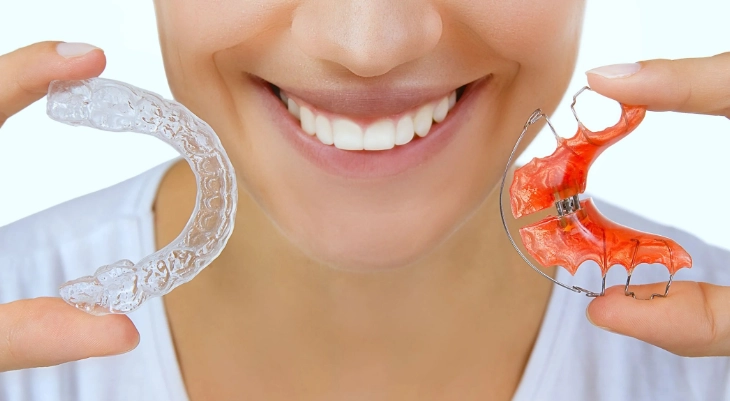
I lost my retainer. How long do I have before my teeth move?
Scarily fast. Significant movement can happen in days, especially in the first year after braces. Don't wait. Call your orthodontist immediately. If you can't get in right away, try to wear your most recent old retainer (even if it's tight) to hold some position until you get a new one.
Are permanent retainers really permanent?
They're called "fixed" or "bonded" for a reason. They are meant to stay for many years, but they are not immortal. They fail, break, or need to be removed for dental work. They also only typically hold the front 6 teeth. You may still need a removable one for the back teeth. They're a great tool, but not a set-it-and-forget-it solution.
It's a commitment, no doubt. But compared to the time, discomfort, and cost of braces, it's a small price to pay. Think of each day you wear it as another day you lock in that investment. And when you do eventually need a new one, don't see it as a failure. See it as routine maintenance, like changing the oil in your car. It's just part of the deal for a smile that lasts a lifetime.