Let's be honest. The phrase "you need a filling" ranks right up there with "root canal" on the dread scale. Your mind jumps to the drill's whine, the pinch of the needle, and that weird numbness. But here's something most articles won't tell you: the filling itself is often the easiest part. The real challenge—and where most people get it wrong—is in the choices before and the care after. I've seen fillings placed perfectly fail in three years because of a nightly soda habit, and I've seen 20-year-old silver fillings still going strong because the patient treated them right.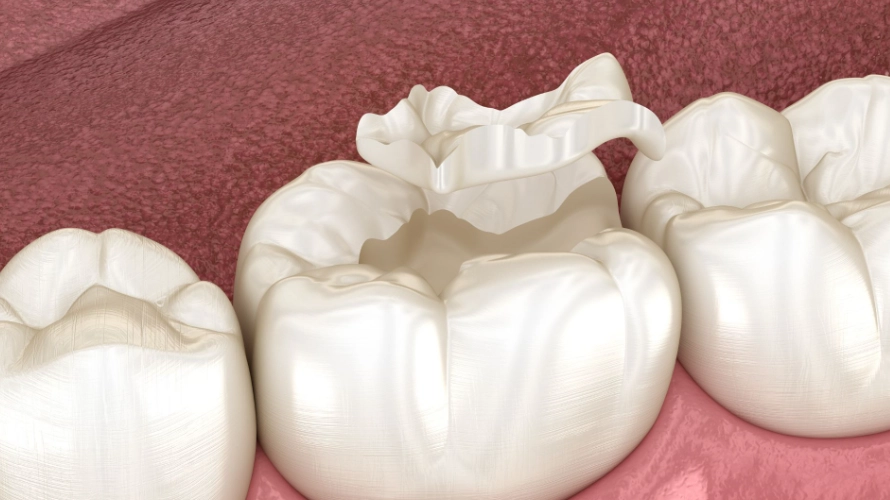
This isn't just a procedural overview. It's a survival guide for your filling, from the moment your dentist points to that dark spot on the X-ray to the day, hopefully decades later, you forget it's even there.
What's Inside This Guide
- What Are Dental Fillings and When Do You Need Them?
- Filling Materials Showdown: Picking What's Right For You
- The Filling Process: A Step-by-Step Walkthrough
- How Much Do Tooth Fillings Cost? (And Navigating Insurance)
- Making Your Fillings Last: The Post-Op Playbook
- Your Top Dental Filling Questions, Answered
What Are Dental Fillings and When Do You Need Them?
A dental filling is a restoration. It's not a cure. Think of it like patching a hole in a wooden boat. The patch (the filling) seals the leak, but the wood around it (your tooth) is still vulnerable if you don't maintain it.
You typically need one when decay has created a cavity—a physical hole—in your tooth enamel. That decay is bacteria doing its thing, and once it gets past the hard outer shell, it spreads faster in the softer dentin underneath. If you wait until it hurts, you're often looking at a root canal, not a simple filling.
The most common sign isn't pain. It's a catch with your floss, a slight roughness your tongue finds, or a shadow your dentist sees on an X-ray long before you feel anything.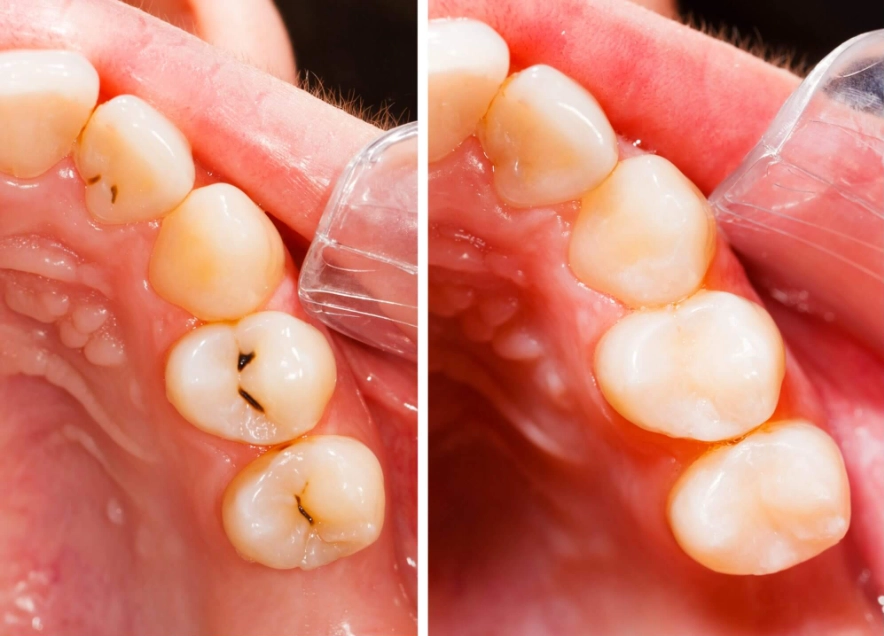
Expert Slant: Many patients are shocked when a dentist suggests a filling for a "tiny" spot. Here's the thing: the cavity opening on the surface is often just the tip of the iceberg. The decay spreads wider underneath where you can't see. Waiting to see if it gets bigger is a guaranteed way to end up with a bigger, more expensive problem.
Filling Materials Showdown: Picking What's Right For You
This is where your input matters. It's not one-size-fits-all. The best material depends on the tooth's location, the size of the cavity, your budget, and honestly, your personal habits.
Gone are the days of just silver or ugly metal. The landscape has changed.
| Material | Best For | Lifespan | Cost (Per Surface)* | The Downside Nobody Talks About |
|---|---|---|---|---|
| Composite Resin (Tooth-Colored) | Front teeth, visible areas, small to mid-sized cavities. | 5-10 years | $150 - $450 | It can stain over time from coffee, tea, red wine just like your natural teeth. Also, the bonding process is technique-sensitive—a poorly done composite fails faster. |
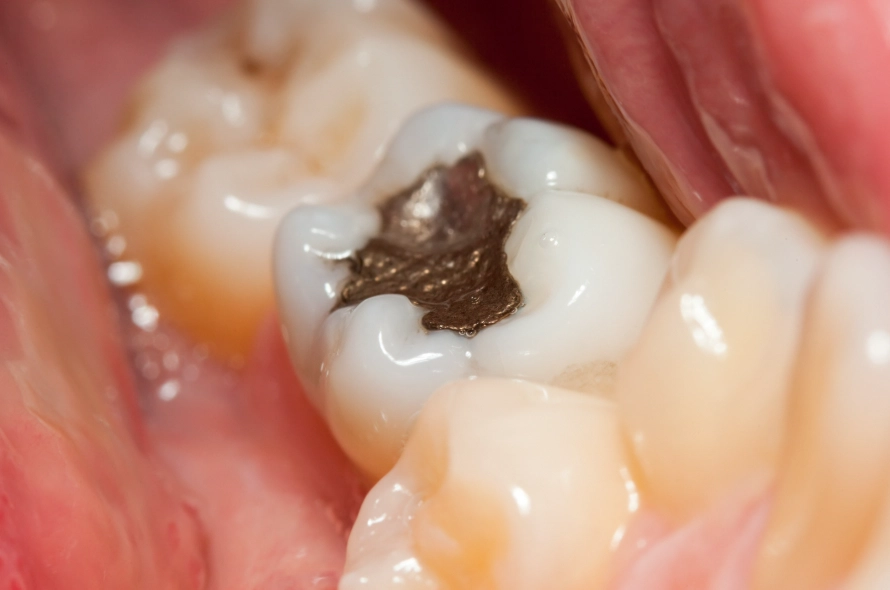
| Amalgam (Silver) | Large cavities in back molars (where chewing force is huge). | 10-15+ years | $100 - $300 | It requires more healthy tooth structure to be removed to create a mechanical lock. The metal can also cause a grayish tint to show through the tooth over decades. |
| Glass Ionomer | Small non-chewing cavities, baby teeth, "temporary" fillings. | 5 years or less | $100 - $200 | It's weak. It wears down quickly under pressure. I only use it in very specific, low-stress situations. |
| Gold & Ceramic | Large restorations where strength and longevity are top priority (often as inlays/onlays). | 15+ years | $500 - $4500+ | Cost and time. These are custom-made in a lab, requiring two visits. Gold, while incredibly durable, is visually obvious. |
*Costs are approximate and vary widely by geographic region, dental office overhead, and case complexity. This is a national average snapshot.
My non-consensus take? The hype around "mercury-free" dentistry has unfairly demonized amalgam. For a large cavity in a back tooth of a patient who grinds their teeth, a well-placed amalgam is often more durable and cost-effective than a composite that might crack under the pressure. The American Dental Association maintains that amalgam is a safe, effective material. The choice should be a clinical one, not just a marketing one.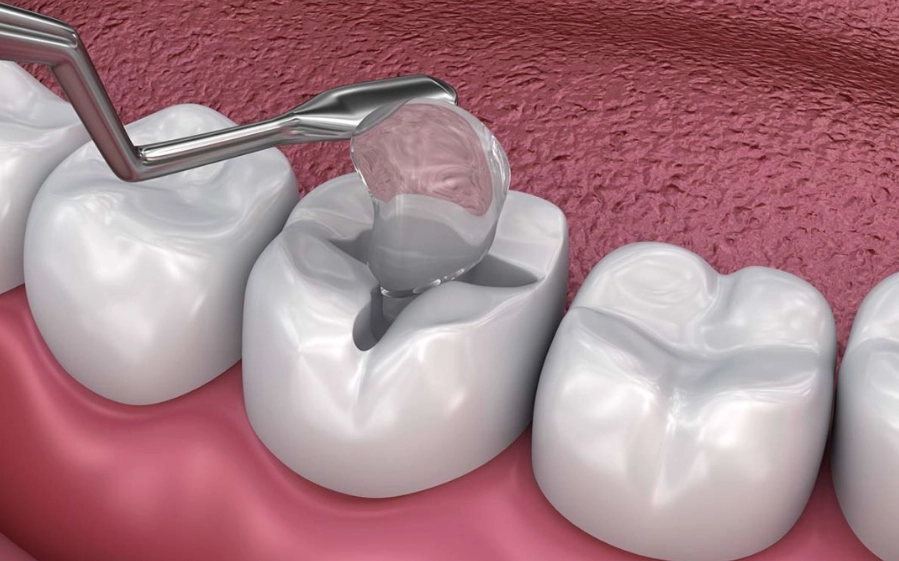
The Filling Process: A Step-by-Step Walkthrough
Knowing what to expect cuts the anxiety in half. Here's how a typical composite filling appointment unfolds:
- Numbing Up: They'll use a topical gel first (that banana or berry stuff), then the injection. The key is to go slow. A slow injection is far more comfortable. If you're anxious, just say so—many offices have sedation options.
- The Drill Down: This removes the decayed tooth structure. It sounds worse than it feels when you're numb. They'll use water spray to keep things cool.
- The Clean Slate: This is critical. The cavity is cleaned and treated with a conditioning gel. If any bacteria or moisture is left under the filling, it will fail. Guaranteed.
- Bonding & Layering: For composite, a special adhesive is painted on. Then the putty-like material is placed in thin layers, each hardened with a bright blue curing light.
- The Art of Shaping: Your dentist sculpts the material to match your tooth's natural shape. This is where skill matters—a poorly shaped filling will feel "off" when you bite.
- The Bite Check: This is the step patients most often ignore. You'll be asked to bite on a piece of carbon paper or a digital sensor. The dentist adjusts any high spots. Do not leave the office if your bite feels even slightly high. A high filling is the #1 cause of post-op pain and can lead to a cracked tooth.
- The Polish: Final smoothing so it feels like part of your tooth.
How Much Do Tooth Fillings Cost? (And Navigating Insurance)
Let's talk money, because this is where confusion reigns. The cost isn't just for the blob of material. You're paying for the dentist's expertise, the assistant's help, the sterilization, the office lights, and the years of training to do it right.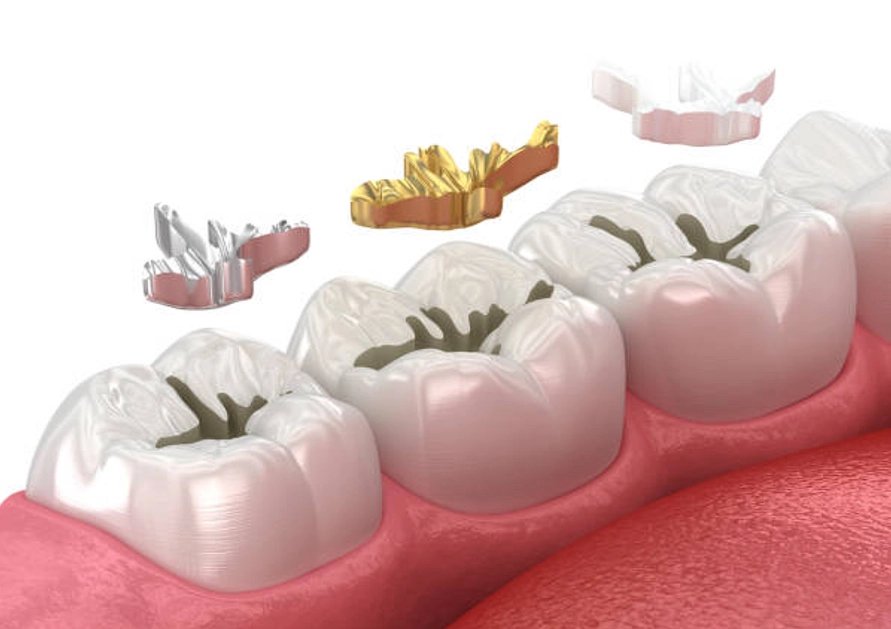
Most dental insurance plans (like Delta Dental, MetLife) categorize fillings as a "basic restorative" procedure. They often cover 80% of the cost after your deductible, but there's a catch: they pay based on their "allowable fee," which is usually lower than the dentist's actual fee. You pay the difference.
Example Scenario: Your dentist's fee for a one-surface composite filling is $250. Your insurance plan's "allowable fee" for that code is $180. They cover 80% of $180, which is $144. You owe the remaining $106 (the 20% of $180 plus the $70 difference between the two fees). Always ask for a pre-treatment estimate.
Without insurance, costs are out-of-pocket. Some offices offer in-house membership plans for uninsured patients, offering a discount on procedures like fillings.
Making Your Fillings Last: The Post-Op Playbook
The filling is done. Now what? This is the 90% of the battle that happens outside the dental chair.
First, the immediate aftercare. You're numb. Don't eat until it wears off. For composite, you can eat carefully soon after. For amalgam, give it a full 24 hours before chewing on that side.
Long-term, treat that filled tooth as the weakest link in your chain. It's the most likely spot for new decay to start, often at the margins where the filling meets the tooth.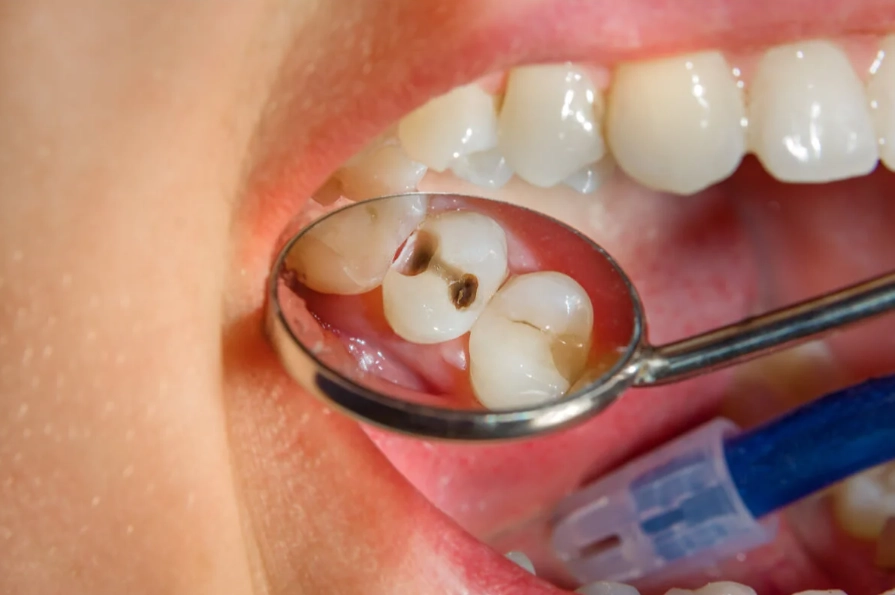
- Brushing & Flossing: Non-negotiable. Floss gently but thoroughly around the filling. Don't snap the floss down, which can dislodge a poorly bonded filling over time.
- Dietary Saboteurs: Constant sipping of coffee, soda, or sports drinks creates an acid bath that attacks the edges of the filling. Have your drink, then rinse with water.
- Night Guards: If you clench or grind (bruxism), you're a filling-cracking machine. A custom night guard from your dentist is an investment that will save you thousands in repairs.
- The 6-Month Checkup: This isn't a sales pitch. It's a monitoring session. Your dentist can spot a failing filling when it's a tiny, easy-to-fix issue, not when it's a massive crack or recurrent decay.
Your Top Dental Filling Questions, Answered
How soon can I eat after a tooth filling?
Wait until the numbness wears off completely to avoid biting your cheek or tongue. For composite (white) fillings, you can eat as soon as you feel comfortable, though it's wise to avoid very hard or sticky foods for the first 24 hours. If you had an amalgam (silver) filling, dentists typically recommend waiting at least 24 hours before chewing on that side to allow it to fully harden.
How long does a tooth filling last?
It's not a lifetime guarantee. Composite fillings average 5-10 years, while amalgam can last 10-15 years or more. But I've seen composites fail in 3 years due to poor oral hygiene and amalgams hold strong for 20+ with great care. The real determinant is you—your diet, grinding habits, and cleaning routine. Treat it like a car tire; it needs regular check-ups, not just forget-and-ignore maintenance.
Why does my tooth hurt after a filling?
Some sensitivity to hot, cold, or pressure is common for a few weeks as the nerve settles. Persistent, sharp pain when biting down, however, often means the filling is too high—a surprisingly common oversight. It takes just a minute for your dentist to adjust the bite. Don't "wait it out" for months; call and ask for a bite adjustment. Lingering sensitivity could also indicate the cavity was deep and the nerve is irritated, potentially needing further treatment.
Can I get a tooth filling while pregnant?
Generally, yes, and it's often recommended to treat active decay to prevent infection. The second trimester is considered the ideal window. Local anesthesia (like lidocaine) is considered safe. The key is to inform your dentist and OB-GYN. Many avoid elective procedures, but leaving a painful, infected tooth untreated poses a far greater risk to both you and the baby.
 The goal of a filling isn't just to fix a hole. It's to restore your tooth to full function, without you ever having to think about it again. By understanding the materials, the process, and your role in aftercare, you move from being a passive patient to an active partner in your own dental health. That's how a simple filling becomes a long-term success story.