Quick Navigation
- Why Does Bad Breath Happen? It's a Bacterial Battlefield
- How Do Probiotics Fit Into This Smelly Picture?
- The Real Timeline: How Long Does It Take for Probiotics to Help With Bad Breath?
- Choosing the Right Probiotic: It Makes a HUGE Difference
- Speeding Up the Process: What You Can Do (Besides Just Taking a Pill)
- Your Questions, Answered (The Stuff You're Really Wondering)
- The Bottom Line: Patience and the Right Approach
Let's be honest, bad breath is the worst. You're talking to someone, maybe leaning in a bit, and you see that subtle shift in their expression. Or worse, you catch a whiff of it yourself. It's embarrassing, it's frustrating, and it can make you feel super self-conscious. You've tried the usual stuff – minty gums, strong mouthwashes that burn, scraping your tongue until it's raw. They work for maybe an hour. Then it's back.
So you've started hearing about probiotics. Not just for your gut anymore, but for your mouth. The idea sounds promising: fight the smelly bacteria with good bacteria. But the million-dollar question, the one that brought you here, is the big one: How long does it take for probiotics to help with bad breath? You don't want another quick fix. You want a real solution, and you want to know when you can realistically expect to see a change.
I get it. I went down this rabbit hole myself a while back, tired of feeling like I was constantly masking a problem instead of solving it. The information out there is a mess – some sites promise results in days, others talk about months. It's confusing.
Here's the deal. The answer isn't a simple "three days" or "two weeks." It's more like a journey with different checkpoints. To understand the timeline, you first need to get why your breath smells in the first place, and how these tiny probiotics are supposed to wage war in your mouth.
Why Does Bad Breath Happen? It's a Bacterial Battlefield
Most chronic bad breath (the fancy term is halitosis) isn't about the garlic bread you ate last night. That's temporary. We're talking about the kind that sticks around. About 90% of the time, the source is right in your mouth, not your stomach.
Your mouth is a thriving ecosystem, home to billions of bacteria. Think of it like a tiny city. You've got good citizens and you've got troublemakers. The troublemakers are anaerobic bacteria – they thrive in places without much oxygen, like the deep crevices of your tongue, under gum lines, and in the pockets between your teeth. These guys feast on leftover food particles, dead cells, and proteins. Their waste products? Volatile sulfur compounds (VSCs). These VSCs smell like rotten eggs, cabbage, or something just generally foul. That's the primary scent of bad breath.
So, the traditional approach is to nuke everything. Alcohol-based mouthwashes, harsh toothpaste – they try to kill all bacteria. The problem is, they're not very discriminating. They wipe out the good guys along with the bad. And since the bad, smelly bacteria often reproduce faster and recolonize quicker, you're back to square one in no time. It's a never-ending, losing battle.
The Core Problem: An imbalance in your oral microbiome (that's the community of bacteria in your mouth). The odor-producing bacteria have gained the upper hand.
How Do Probiotics Fit Into This Smelly Picture?
This is where the strategy shifts from "scorched earth" to "smart diplomacy." Probiotics are live, beneficial bacteria. The idea behind using them for bad breath isn't to kill everything, but to change the environment.
Specific strains of probiotics are thought to help in a few clever ways:
- Competitive Exclusion: They move into the neighborhood. They compete with the smelly bacteria for space and food (those leftover proteins and sugars). If the good bacteria are taking up all the prime real estate and eating all the groceries, the bad bacteria can't thrive.
- Direct Action: Some probiotic strains produce substances like hydrogen peroxide or bacteriocins (natural antibiotics) that specifically inhibit the growth of the odor-causing troublemakers.
- Neutralizing the Smell: Certain probiotics can actually break down the existing volatile sulfur compounds, turning them into odorless substances. It's like having a tiny cleanup crew.
- Boosting Your Defenses: They can help support a healthier oral environment overall, which might improve gum health—another common contributor to bad breath.
So, you're not just killing; you're replenishing and rebalancing. You're trying to tip the scales back in favor of a fresher-smelling microbiome. This is a more sustainable approach, but it's also one that takes time. You're changing an ecosystem, and ecosystems don't change overnight.
The Real Timeline: How Long Does It Take for Probiotics to Help With Bad Breath?
Okay, let's get to the heart of it. Based on the science and a lot of anecdotal reports (including my own experience and digging through forums), here's a realistic stage-by-stage breakdown. Think of it as a roadmap, not a countdown clock.
Phase 1: The Initial Adjustment (First 1-3 Days)
Honestly, don't expect miracles here. This is the "settling in" period. You're introducing a new population into a complex environment. Some people report feeling a slightly "cleaner" mouth sensation early on, but it's subtle. The main goal here is consistency. You're building a habit and giving the probiotics a chance to start colonizing.
A lot of supplements or lozenges suggest taking them on an empty stomach or letting them dissolve slowly in the mouth to maximize contact with your oral tissues. Follow those instructions.
Phase 2: First Noticeable Changes (1-4 Weeks)
This is where most people start to notice a real difference, and it's the most common answer you'll find for how long does it take for probiotics to help with bad breath. The key word is "start."
You might notice your morning breath isn't as potent. The feeling of freshness after brushing or using a probiotic lozenge lasts longer. You might get through a work meeting or a date without constantly worrying. The improvements can be intermittent at first—good days and not-so-good days—as the bacterial communities fight for dominance.
The speed here depends heavily on a few things:
- The Severity of Your Imbalance: If your oral microbiome is really out of whack, it might take longer to see a shift.
- The Probiotic Strain: Not all probiotics are equal for oral health. Strains like Lactobacillus salivarius, Lactobacillus reuteri, Streptococcus salivarius K12, and BLIS K12 have more research behind them for oral benefits. Using a product with these can lead to faster, more targeted results.
- Your Overall Oral Hygiene: Probiotics are a teammate, not a replacement. If you're still not brushing, flossing, or cleaning your tongue, you're just feeding the bad guys more than the good guys.
Phase 3: Consistent, Stable Improvement (1-3 Months)
This is where the magic really solidifies. The good bacteria have established stronger colonies. The reduction in bad breath becomes more consistent and reliable. You're not just managing the symptom; you're addressing the root cause.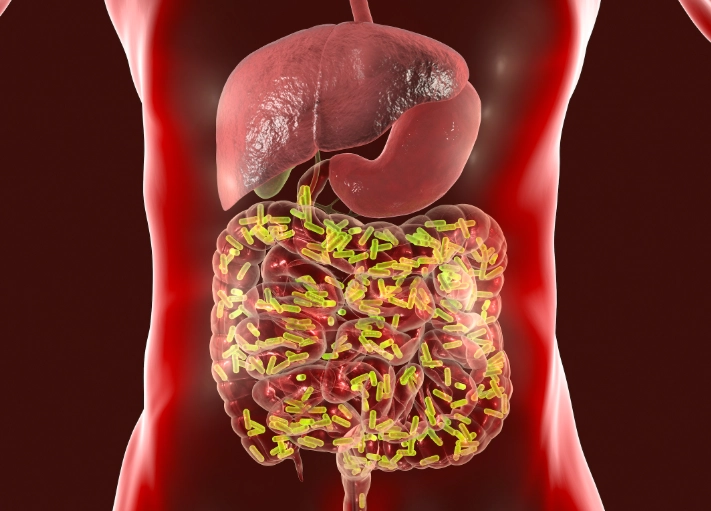
Many experts and studies suggest that a 30 to 90-day course is necessary to see significant, lasting changes in your oral microbiome. You're essentially retraining your mouth's bacterial environment. Stopping after two weeks is like planting a seed and expecting a full-grown tree.
This is also the phase where you might be able to reduce the frequency of your probiotic dose (following product guidelines, of course) as your oral microbiome maintains better balance on its own.
Phase 4: Long-Term Maintenance (3 Months+)
After the initial 3-month period, many people switch to a maintenance mode. This could mean taking a probiotic every other day, or using a probiotic toothpaste/mouthwash regularly while stopping the supplements. The goal is to provide ongoing support to maintain the healthy balance you've worked to achieve.
Think of it like maintaining a garden. After you've cleared the weeds and planted new flowers (the first 3 months), you still need to water it occasionally to keep it thriving.
A Crucial Reality Check: If your bad breath is caused by an underlying medical condition like untreated gum disease (periodontitis), severe dry mouth (xerostomia), sinus issues, or gastrointestinal problems, probiotics alone will likely be insufficient. They can be a great supportive tool, but you must see a dentist or doctor to address the primary issue. The American Dental Association has a great resource on the causes of halitosis that's worth checking. Ignoring a serious dental problem while hoping probiotics will fix it is a bad idea.
Choosing the Right Probiotic: It Makes a HUGE Difference
If you grab a random gut probiotic off the shelf, you might be disappointed with the results and timeline. The strain matters enormously. Here’s a quick look at some of the top-researched strains for oral health:
| Probiotic Strain | Known Benefits for Oral Health | What to Look For |
|---|---|---|
| Lactobacillus salivarius | One of the most studied. Competes directly with odor-causing bacteria, reduces volatile sulfur compounds. | Often found in specific oral probiotic lozenges or supplements. |
| Streptococcus salivarius K12 (BLIS K12) | Extensively researched. Produces bacteriocins that target smelly bacteria. Also linked to supporting throat and ear health. | Sold specifically as BLIS K12. A premium, targeted option. |
| Lactobacillus reuteri | Shown to reduce gum inflammation and plaque, which are contributors to bad breath. | Available in some general and specific oral probiotics. |
| Lactobacillus paracasei | Helps break down biofilm (plaque) where bad bacteria hide. | Less common as a solo act, often in blends. |
My advice? Look for a product that specifies the strains on the label and is designed for oral health (like lozenges or minty tablets that dissolve in the mouth) rather than a capsule meant only for your gut. The delivery method matters to get the bacteria where they need to be.
Speeding Up the Process: What You Can Do (Besides Just Taking a Pill)
Want to see results faster? Don't just rely on the probiotic. Be its best ally. Here's your action list:
- Don't Skip the Basics: Brush twice a day, floss daily. This physically removes the food source for the bad bacteria. It's non-negotiable.
- Scrape Your Tongue: This is a game-changer. The back of your tongue is prime real estate for odor-producing bacteria. A tongue scraper is more effective than brushing your tongue with a toothbrush.
- Stay Hydrated: A dry mouth is a stinky mouth. Saliva is your body's natural mouthwash; it contains oxygen that bad bacteria hate and helps wash away debris. Drink water throughout the day.
- Watch Your Diet (A Little): Reducing excess sugar and refined carbs starves the bad bacteria. It's not about a strict diet, just being mindful.
- Avoid Alcohol-Based Mouthwash: Seriously, throw it out. It dries out your mouth and kills the good bacteria you're trying to cultivate with probiotics. If you need a rinse, use an alcohol-free, oxygenating, or probiotic-containing one.
Doing these things doesn't just help the probiotics work; it can shorten the time it takes to feel a real difference.
Your Questions, Answered (The Stuff You're Really Wondering)
Let's tackle some of the specific questions buzzing in your head right now.
Can probiotics make bad breath worse at first?
It's rare, but some people report a temporary increase in symptoms (like slight bloating if swallowed, or a weird taste) as their microbiome adjusts. This "die-off" reaction is more common with gut probiotics. For oral-specific ones, it's less likely. If you experience anything unpleasant that lasts more than a few days, stop and consult a professional.
Are probiotic drinks or yogurts enough for bad breath?
Probably not. While they contain beneficial bacteria, the strains are usually for gut health (like Lactobacillus bulgaricus or Streptococcus thermophilus). They also contain sugars that can feed the bad oral bacteria. They're great for your gut, but don't count on them as your primary weapon against halitosis.
How long should I take probiotics for bad breath?
Aim for a minimum commitment of 30 days, with 90 days being the ideal target to truly reset your oral environment. After that, you can assess. You might find you only need them occasionally for maintenance, or you might switch to a probiotic toothpaste.
What if I stop taking them? Will the bad breath come back?
This is the big fear. If you stop and go back to your old habits (poor hygiene, dry mouth, etc.), then yes, the imbalance will likely return. The goal of the 3-month period is to establish a resilient, healthier microbiome. If you maintain good oral hygiene and a healthy lifestyle afterwards, the benefits should persist. Think of it as putting in the work to get to a stable, fresher state.
Are there any side effects?
For most people, oral probiotics are very safe. Since they're species of bacteria already found in or friendly to the human body, side effects are minimal. Always follow the dosage on the product.
The Bottom Line: Patience and the Right Approach
So, to circle back to the burning question one last time: How long does it take for probiotics to help with bad breath?
You might feel some initial changes in 1-4 weeks. But for lasting, reliable results that tackle the root cause, you need to think in terms of 1 to 3 months. It's not an overnight miracle, but it's a fundamentally different strategy that has the potential to provide a real solution, not just a mask.
The journey to fresher breath with probiotics is about consistency, choosing the right strain, and being a good partner to those good bacteria by maintaining solid oral hygiene. It requires more patience than a shot of mouthwash, but the payoff—freedom from constant worry and a genuinely healthier mouth—is worth it.
Start with a 90-day commitment to a quality oral probiotic, pair it with impeccable brushing, flossing, and tongue cleaning, and see where it takes you. That's the most honest, effective path forward I've found.