Here’s the truth upfront: if you want the easiest path to cleaner teeth, go electric. But if you’re on a budget or prefer simplicity, a manual brush can work just fine—if you use it right. I’ve used both for years, and the difference isn’t as huge as ads claim. Let’s cut through the hype.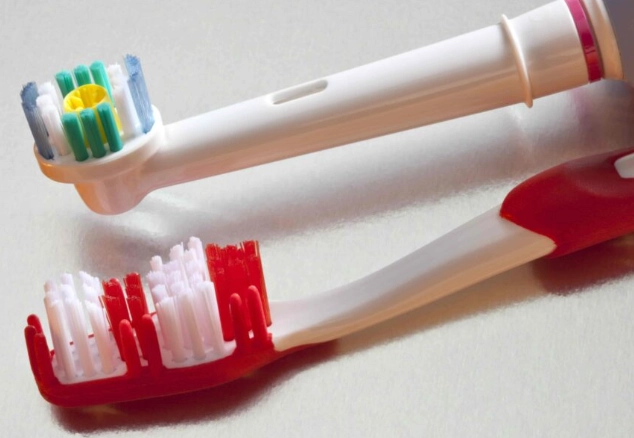
What You'll Learn in This Guide
How Electric and Manual Toothbrushes Actually Work
It sounds basic, but most people don’t realize how different these brushes are under the hood. A manual toothbrush relies entirely on your wrist action. You move it back and forth, and that’s it. Simple, but it puts the burden on you to get the technique right.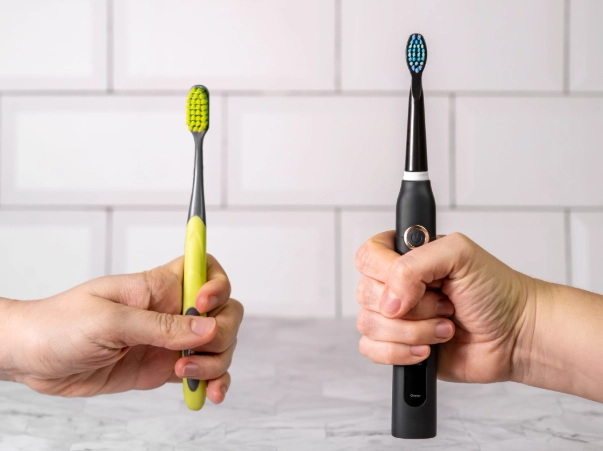
The Technology Behind Electric Toothbrushes
Electric toothbrushes come in two main types: oscillating-rotating (like Oral-B) and sonic (like Philips Sonicare). Oscillating brushes spin and pulsate, while sonic ones vibrate at high frequencies. I tried a sonic model last year, and the first time I used it, my gums tingled—it felt like a mini-massage. But here’s the kicker: the vibration does most of the work, so you don’t need to scrub hard. That’s a game-changer for people who brush too aggressively.
Manual Toothbrush: Simple but Effective
With a manual brush, you’re the engine. The bristles don’t move unless you do. This means your technique matters a lot. Dentists often recommend the Bass method (angling the brush at 45 degrees to the gums), but let’s be honest, few of us do that consistently. I didn’t, and I ended up with mild gingivitis until I switched things up.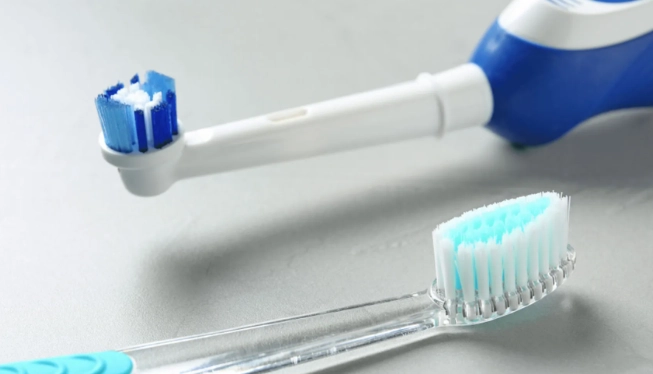
Cleaning Performance: What Science Says
Research from the American Dental Association shows electric toothbrushes reduce plaque by about 21% more than manual brushes over three months. But that stat is misleading if you don’t brush properly. A study in the Journal of Clinical Periodontology found that for people with good technique, the difference shrinks to almost nothing.
Here’s a quick comparison based on key studies:
| Aspect | Electric Toothbrush | Manual Toothbrush |
|---|---|---|
| Plaque Removal | High (especially for hard-to-reach areas) | Moderate (depends on user skill) |
| Gum Health | Can reduce gingivitis by up to 11% more | Effective with proper technique |
| Ease of Use | Very easy—less effort required | Requires more attention to detail |
| Consistency | Built-in timers help ensure 2-minute brushing | User-dependent, often rushed |
I’ve seen friends who switched to electric and suddenly started brushing longer because of the timer. That alone can make a difference. But if you’re diligent, a manual brush can match up. The problem is, most of us aren’t diligent.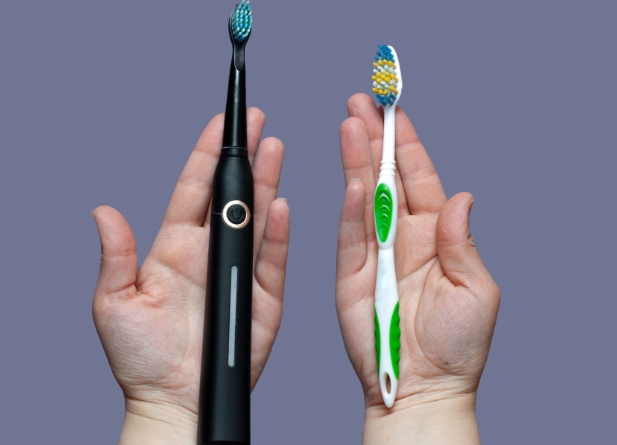
Cost Analysis: Upfront and Long-Term
Money talks. A decent manual toothbrush costs $3 to $10, while electric ones start at $30 and can go over $200 for fancy models. But the real cost is in the long run.
- Electric toothbrush: You need replacement heads every 3 months, which run $5 to $15 each. Plus, battery replacement or charging. Over a year, you might spend $50 to $100 total.
- Manual toothbrush: Replace every 3-4 months, so about $10 to $30 per year. Much cheaper.
I calculated my own expenses: with an electric brush, I spent around $80 last year. With manual, it was under $20. But here’s a non-consensus point: if an electric brush prevents even one cavity, it pays for itself. Dental fillings can cost hundreds. So, think of it as insurance.
Who Should Use Which Type?
This isn’t one-size-fits-all. Based on my experience and dentist chats, here’s who benefits most.
Go Electric If:
- You have arthritis or limited mobility—the brush does the work for you.
- You tend to brush too hard and damage gums. Electric brushes often have pressure sensors.
- Kids who find brushing boring. The timers and fun designs can help.
- Anyone with braces. Electric brushes can clean around brackets better.
Stick with Manual If:
- You’re on a tight budget. No shame in that.
- You travel a lot and don’t want to carry chargers.
- You already have excellent brushing habits. My uncle is a dentist, and he uses a manual brush because he’s perfected his technique over decades.
- You dislike the vibration sensation. Some people find it annoying, and that’s okay.
I recommended an electric brush to my mom after her wrist surgery, and she loved it. But my brother, who’s a backpacker, swears by manual—less to pack.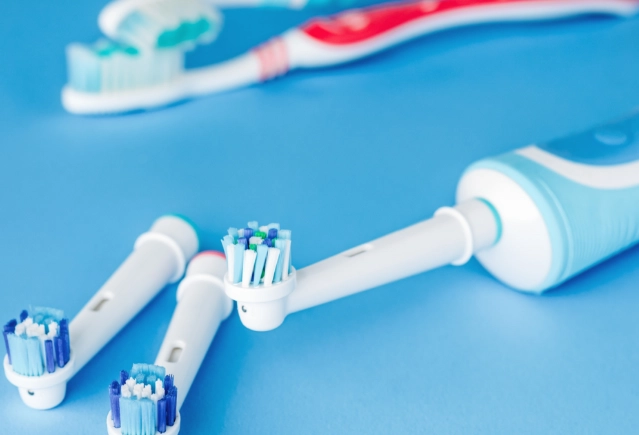
Common Myths and Expert Insights
Let’s bust some myths. First, electric toothbrushes aren’t “too harsh” if used correctly. The issue is people press too hard, thinking more pressure equals cleaner teeth. It doesn’t. It just wears down enamel.
Second, manual brushes aren’t “outdated.” They’ve evolved with softer bristles and ergonomic handles. The ADA says both types are effective when used properly.
Here’s an insight from a dentist friend: many patients buy expensive electric brushes but forget to change the heads regularly. A worn-out electric brush head is worse than a new manual one. I made that mistake once—my gums bled, and I thought it was the brush’s fault. Nope, it was a six-month-old head.
FAQ: Your Burning Questions Answered
At the end of the day, the best toothbrush is the one you’ll use consistently. Whether electric or manual, focus on technique and regularity. Don’t get swayed by flashy ads. Your smile will thank you.