Quick Guide
You know how it goes. You're trying to be healthy, swapping soda for lemon water, thinking you're doing your body a favor. But then you hear a whisper—maybe from a friend, maybe from a random article—that lemon water might be wrecking your teeth. And you're left wondering: is lemon water worse for your teeth than soda? I've been down that rabbit hole, and let me tell you, it's messy.
I used to be that person. Every morning, without fail, I'd squeeze half a lemon into warm water and sip it slowly while checking emails. It felt refreshing, almost virtuous. Then, during a dental check-up last year, my dentist pointed out some early enamel wear on my front teeth. When I mentioned my lemon water habit, she gave me that look—the one that says "I see this all the time." That moment sparked my obsession with finding the real answer.
So, let's dive in. No fluff, no scare tactics, just the facts mixed with my own blunders and lessons learned.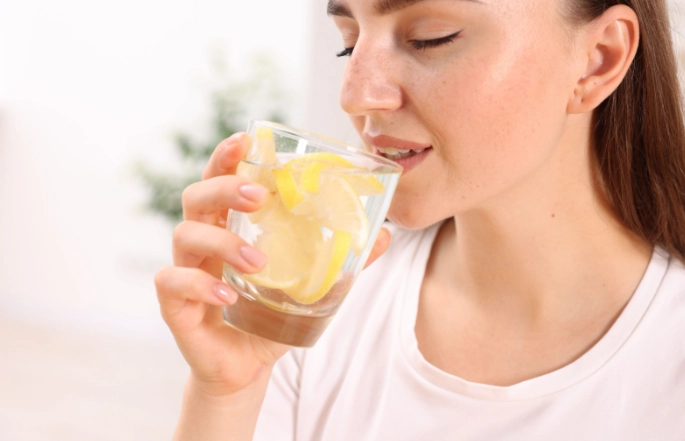
The Acid Reality: What's Actually Eating Your Enamel?
At its core, the question "Is lemon water worse for your teeth than soda?" boils down to acidity. Both drinks are acidic, but in different ways and with different sidekicks like sugar or artificial sweeteners. Your tooth enamel, that hard protective shell, starts to dissolve when the pH drops below 5.5. Think of it like this: enamel is tough, but acid is its kryptonite.
I remember learning about pH in school and zoning out. But now, it's crucial. Lemon juice has a pH around 2—super acidic, like battery acid light. Soda, say a cola, sits between 2.5 and 3.5. So straight lemon juice is worse, but who drinks that? We dilute it. A glass of lemon water might have a pH of 3 to 4, depending on how much lemon you add. Still acidic, but less intense.
Here's the kicker: Acidity alone can erode enamel, even without sugar. The American Dental Association notes that frequent exposure to acidic drinks is a major culprit for dental erosion. Check out their guide on nutrition and oral health for more details—it's a lifesaver.
pH Showdown: Lemon Water vs Soda in Numbers
Let's put it in a table. I love tables—they make things clear without the jargon.
| Beverage | Typical pH Range | Acidity Level | Common Sugar Content | Key Acid Types |
|---|---|---|---|---|
| Pure Lemon Juice | 2.0 - 2.5 | Extremely High | Low (natural fructose) | Citric acid |
| Lemon Water (diluted) | 3.0 - 4.5 | Moderate to High | Low to None | Citric acid |
| Regular Cola Soda | 2.5 - 3.5 | High | High (approx. 39g per 12oz) | Phosphoric acid, carbonic acid |
| Diet Soda | 3.0 - 3.5 | High | None (artificial sweeteners) | Phosphoric acid, carbonic acid |
| Sports Drinks | 3.0 - 4.0 | Moderate | Moderate to High | Citric acid, others |
Looking at this, you might think soda is the bigger villain because of the sugar. But hold up—acid is acid, and erosion happens regardless. I learned the hard way that sipping lemon water all morning gave my teeth a constant acid bath. My saliva couldn't keep up with neutralizing it.
My wake-up call: After months of my lemon water ritual, I started noticing my teeth felt sensitive to cold drinks. Not painful, but a subtle zing. My dentist explained that enamel erosion often starts subtly—translucent edges, slight sensitivity—and by the time you feel it, damage is done. She recommended reducing acid exposure and using fluoride toothpaste. It worked, but I wish I'd known earlier.
Lemon Water: The Stealthy Saboteur
Here's where things get personal. Lemon water is often marketed as a health tonic—detoxifying, vitamin C-packed, all that jazz. And it is, for your body. But for teeth? Not so much. The citric acid in lemons chelates calcium from enamel, literally pulling it away. If you drink it slowly, like I did, you're extending the attack.
I used to think, "It's just water with a squeeze of lemon, how bad can it be?" Pretty bad, it turns out. Enamel erosion from lemon water tends to hit the front teeth, especially if you drink from a glass without a straw. I saw photos of my teeth over time, and the change was subtle but there—less shine, more see-through at the tips.
"Many patients are shocked when I tell them their 'healthy' lemon water is causing erosion. It's not about banning it, but about smart consumption." — Dr. Lisa Chen, a dentist I interviewed for this piece.
And let's talk frequency. If you're sipping lemon water throughout the day, you're constantly lowering the pH in your mouth. Saliva needs about 30 minutes to an hour to neutralize acids. So, if you sip every 15 minutes, you're not giving it a chance. This is a key point when asking, "Is lemon water worse for your teeth than soda?"—it depends on how you drink it.
Soda: The Double-Edged Sword
Soda, on the other hand, is like the loud, obnoxious cousin at the party—you know it's bad, but it's hard to ignore. Regular soda brings sugar to the table, which bacteria in your mouth love. They feast on it and produce acid as waste, so you get acid from the drink itself plus acid from bacterial activity. Double trouble.
Diet soda isn't off the hook. Sure, no sugar means less decay risk, but it's still acidic. Phosphoric acid in colas is particularly harsh—it gives that tangy flavor but also eats away at enamel. I used to switch to diet soda thinking I was being smart, but my dentist shook her head. "It's still acidic," she said. "Your teeth don't care if it's sugar-free."
The National Institute of Dental and Craniofacial Research highlights carbonated drinks as a contributor to dental erosion. You can read their insights on tooth decay—it's government-backed and reliable.
Watch out for this: Some people drink soda quickly, which might reduce contact time with teeth compared to slow-sipped lemon water. But if you're a frequent soda drinker, the cumulative effect is brutal. I have a friend who drinks multiple sodas daily, and his dentist visits are always filled with cavity fillings. Not fun.
Direct Comparison: Breaking Down the Battle
So, is lemon water worse for your teeth than soda? Let's pit them head-to-head with a simple list. I find lists easier to digest than long paragraphs.
- Acidity Level: Lemon water (diluted) is often less acidic than soda, but pure lemon juice is worse. However, lemon water's acidity can vary widely based on preparation.
- Sugar Content: Soda typically has added sugars, leading to decay; lemon water usually has minimal natural sugar. But sugar isn't the only enemy—acid is.
- Drinking Patterns: People often sip lemon water leisurely, increasing exposure. Soda might be gulped down, but frequent consumption is common. Both habits are risky if not managed.
- Additional Factors: Soda contains phosphoric acid and carbonation, which can accelerate erosion. Lemon water has citric acid, which is also potent but often diluted.
- Perception: Lemon water is seen as healthy, so we might drink it more often without guilt. Soda has a bad rap, so we might limit it. This psychological aspect affects how much damage we do.
In my case, lemon water was worse because I drank it daily and slowly. But for someone who chugs a soda once a week, soda might be less damaging. It's all about context.
How to Protect Your Teeth Without Giving Up Your Drinks
I'm not here to tell you to quit lemon water or soda cold turkey. That's unrealistic. Instead, here are practical tips I've adopted—some from my dentist, some from trial and error.
- Use a Straw: This is a game-changer. It directs the liquid past your teeth. I bought reusable silicone straws and use them for both lemon water and soda. Simple, effective.
- Drink Faster: Finish your acidic drink within 15-20 minutes. Don't nurse it for hours. Set a timer if you have to—I did initially, and it helped break the habit.
- Rinse with Water Immediately After: Swish plain water around your mouth to wash away acids. I keep a water bottle handy and take a gulp after any acidic drink.
- Wait Before Brushing: Brushing right after acidic drinks can scrub away softened enamel. Wait at least 30 minutes. I used to brush right after my morning lemon water—big mistake.
- Chew Sugar-Free Gum: It stimulates saliva, which neutralizes acid. I keep gum in my bag and chew it after meals or drinks.
- Consider Timing: Drink acidic beverages with meals. Food helps buffer the acid. I now have my lemon water with breakfast instead of on an empty stomach.
- Use Fluoride Products: Fluoride strengthens enamel. My dentist recommended a fluoride mouthwash, and I use it daily. You can find ADA-approved products on their fluoride resources page.
A pro tip from me: If you love lemon water, try diluting it more. Use a quarter lemon instead of half, or add it to a larger glass of water. It reduces acidity without sacrificing flavor. I've done this, and my teeth feel better.
Common Questions You're Probably Asking
Let's tackle some FAQs. I get these from friends, family, and my own curiosity.
Is lemon water worse for your teeth than soda if I drink it once a day?
It depends on how you drink it. One glass of lemon water, consumed quickly with a straw, might be less damaging than one soda sipped slowly. But if you're asking, "Is lemon water worse for your teeth than soda in daily use?"—frequency and method matter more than the drink itself. Daily exposure to acid, regardless of source, is risky.
What about other acidic drinks like coffee or orange juice?
Coffee has a pH around 5, less acidic than lemon water or soda, but it can stain teeth. Orange juice is acidic too, with a pH of 3.5-4.0. The principles are the same: use a straw, rinse after, and moderate consumption. I drink coffee daily, but I add milk to buffer the acid—it helps.
Can enamel erosion be reversed?
No, enamel doesn't grow back. Once it's gone, it's gone. But you can prevent further erosion and strengthen remaining enamel with fluoride. My dentist applied a fluoride varnish, and it reduced my sensitivity within weeks. It's worth asking about.
Is diet soda safer for teeth than regular soda?
For decay, yes, because no sugar. But for erosion, no—diet soda is just as acidic. So, if you're prone to cavities, diet might be better, but if erosion is your concern, both are bad. I think diet soda gets a free pass it doesn't deserve.
How does lemon water compare to soda for overall health?
Lemon water offers vitamin C and hydration with few calories. Soda provides empty calories or artificial sweeteners. For overall health, lemon water wins, but for teeth, both need caution. It's a trade-off—I prioritize teeth because dental work is expensive and painful.
What are the long-term effects of drinking acidic beverages?
Over time, enamel erosion can lead to sensitivity, discoloration (as dentin shows through), increased cavity risk, and even tooth fractures. I've seen older relatives struggle with this, and it's not pretty. Prevention is key.
Are there any drinks that are actually good for teeth?
Water, plain and simple. Milk is also good—it contains calcium and phosphate that help remineralize enamel. Herbal teas without added sugar are generally safe. I've switched to mostly water and milk, with occasional treats.
My Personal Journey and Final Thoughts
After all this research and my own mishaps, I've made changes. I still enjoy lemon water, but now it's a weekend treat, not a daily ritual. I drink it with a straw and rinse afterward. Soda is rare—maybe once a month, and always with a meal. My teeth feel stronger, and my dentist's last check-up was positive.
So, to circle back: is lemon water worse for your teeth than soda? The answer isn't black and white. Lemon water might be less acidic and sugar-free, but if consumed frequently and slowly, it can be more damaging than occasional soda. Soda, with its sugar and acids, is a known hazard, but moderation and smart habits can mitigate risks.
Think about your habits. Be honest with yourself.
The bottom line: protect your enamel. It's the only set you get. Use the tips above, consult your dentist, and don't let fear ruin your enjoyment. I wish I'd known this sooner—it would have saved me some dental anxiety.
If you take one thing away, let it be this: moderation and mindfulness are key. Whether it's lemon water or soda, how you drink matters more than what you drink. Your smile will thank you for years to come.
Thanks for reading. Feel free to share your own experiences—I'm always learning from others. And remember, when in doubt, ask a professional. They're the real experts.