You know the drill: brush twice, floss daily, see your dentist. But here's something they might not tell you in the chair—your toothbrush is fighting a battle that's already been decided by your fork and your glass. Every bite and sip sends a message to your mouth. Is it a message of repair and strength, or one of slow, steady decay?
Think about your last snack. A handful of almonds? A glass of orange juice? A granola bar? Each choice sets off a 20-to-40-minute chemical reaction in your mouth. The goal isn't to live on celery sticks and water. It's to understand the rules of the game so you can make smart swaps and protect your smile without giving up on flavor.
I've seen patients meticulously care for their teeth but struggle with constant cavities. The culprit is almost always hiding in their pantry or their daily coffee ritual.
What You’ll Find in This Guide
The Building Blocks: Nutrients Your Teeth Crave
Your teeth are living structures. The enamel is the hardest substance in your body, but it's not inert. Beneath it, dentin and pulp are constantly interacting with your bloodstream. What's in that blood matters.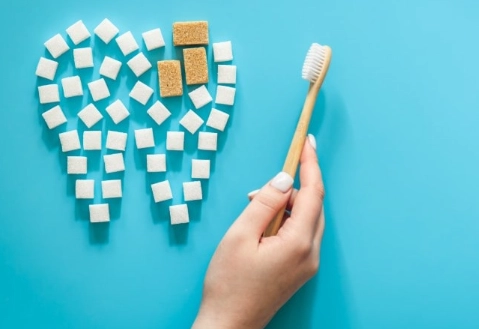
Calcium and Phosphorus: This is the dynamic duo for remineralization—the process of repairing microscopic holes in enamel before they turn into cavities. Dairy is the classic source (cheese, milk, plain yogurt), but don't overlook sardines with bones, almonds, and leafy greens like kale and collard greens.
Vitamin D: You can eat all the calcium in the world, but without Vitamin D, your body struggles to absorb it. Sunlight is one source, but fatty fish (salmon, mackerel), egg yolks, and fortified foods are key dietary players. The National Institutes of Health notes its critical role in bone and tooth mineralization.
Vitamin C: This is the glue for your gums. Severe deficiency causes scurvy, where gums bleed and teeth loosen. But even mild, chronic low intake weakens the collagen that holds your gums tightly to your teeth, opening the door for periodontal disease. Get it from bell peppers (the red ones have way more than oranges), strawberries, broccoli, and kiwifruit.
Vitamin K2: This is the traffic director. Emerging research, including studies highlighted by the International Food Information Council, suggests K2 (found in fermented foods like natto, aged cheese, and egg yolks) helps direct calcium to your bones and teeth where it belongs, and away from your arteries where it doesn't.
Pro Tip: A breakfast of plain Greek yogurt with a handful of berries and some sliced almonds covers calcium, phosphorus, Vitamin C, and healthy fats in one go. Sprinkle some chia seeds on top for an extra boost.
Friend or Foe? A Real-World Look at Common Foods
Let's move past theory. Here’s how everyday foods stack up. The surprise for most people isn't the obvious villain (sugar), but the stealthy ones masquerading as health foods.
| Food/Drink | Dental Impact | Expert Verdict & Smarter Swap |
|---|---|---|
| Dried Fruit (e.g., raisins, apricots) | High sugar concentration, sticky texture cements to grooves. | Foe. It's candy from nature. Swap for fresh fruit. The water content and fiber help clean teeth. |
| Citrus Water / Lemon Juice | Prolonged acid exposure directly dissolves enamel. | Major Foe. Sipping this all day is like bathing teeth in acid. Use a straw, drink quickly, or infuse with herbs like mint instead. |
| Potato Chips & Crackers | Refined carbs break down into sugar quickly; gummy paste gets stuck. | Stealth Foe. Often worse than candy because they stick. Follow with cheese or raw veggies to clear debris. |
| Cheese (Aged Cheddar, Swiss) | Neutralizes plaque acid, provides calcium/phosphate. | Strong Friend. A perfect post-meal or post-snack "dessert" to raise mouth pH. |
| Black & Green Tea (unsweetened) | Contains polyphenols that suppress cavity-causing bacteria; often has fluoride. | Friend. A great alternative to acidic drinks. Just skip the sugar or honey. |
| Sports & Energy Drinks | Extremely acidic, often with added sugar. Erosion risk is very high. | Major Foe. Hydrate with water. If you must, chug it with a meal, don't sip. |
See the pattern? It's not just about sugar grams on a label. Texture, acidity, and how long the food lingers are the real deciding factors.
Why When You Eat Matters More Than You Think
This is the most overlooked rule in dental nutrition. Your mouth needs recovery time.
Every eating episode (yes, even a handful of grapes or a latte) drops your mouth's pH into an acidic zone. Saliva needs 20 to 40 minutes of no food to neutralize that acid and start the repair process. If you're a grazer—a coffee sip here, a cracker there, a diet soda over two hours—your teeth are in a constant state of acid attack. There's no window for repair.
The single most effective change you can make? Consolidate eating into defined meals and snacks. Instead of six mini-acid attacks, aim for three meals and one planned snack. Give your saliva the uninterrupted time it needs to work. The British Dental Journal has published research supporting that reducing eating frequency is a key strategy in preventing tooth decay.
Watch Out: That "healthy" habit of putting lemon in your water and nursing it all morning or afternoon is creating one long, slow acid bath. If you love it, drink it through a straw positioned toward the back of your mouth, and finish it in one sitting, not over hours.
The Silent Threat: Acid Erosion from "Healthy" Foods
Cavities get all the attention, but acid erosion is the silent, irreversible thief of enamel. And it often comes from things we think are good for us.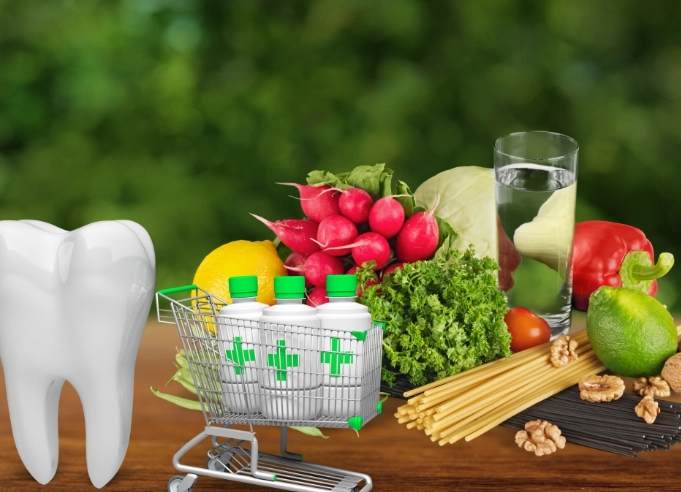
The Usual Suspects: Citrus fruits and juices, sparkling water (even unsweetened), wine, vinegar-based dressings, and most sodas (diet included). The acid doesn't feed bacteria; it directly dissolves the calcium and phosphate crystals in your enamel.
How to spot it: Teeth may look thinner, slightly translucent at the edges, or become extremely sensitive to cold. Once enamel is gone, it's gone for good.
The Critical Mistake: Brushing Too Soon
Here's the expert insight most people miss. Never brush your teeth immediately after consuming something acidic. The acid softens the enamel surface. Brushing then acts like sandpaper on softened stone, accelerating wear. Rinse with water or a fluoride mouthwash to neutralize, then wait at least 30 minutes before brushing.
Your Practical 7-Day Dental Nutrition Mindset
Forget a restrictive diet. Think about adding protective habits and making smarter swaps.
- Monday - The Hydration Reset: Carry a water bottle. Sip all day. Finish every meal with a few big gulps to rinse.
- Tuesday - The Fibre Focus: Add one extra crunchy, raw vegetable to your day (carrot sticks, bell pepper slices). Chew thoroughly.
- Wednesday - The Dairy Defense: End a meal with a small piece of aged cheese instead of a sweet treat.
- Thursday - The Acid Audit: Notice your acidic intake (coffee, soda, fruit, dressing). Resolve to consume it only at meal times, not alone.
- Friday - The Sugar Swap: If you crave something sweet, have it right after dinner, then brush 30+ minutes later. Don't let it be a standalone snack.
- Weekend - The Meal Consolidation: Practice having three square meals without grazing in between. Notice if it changes cravings.
This isn't about perfection. It's about shifting the balance in your mouth from constant attack to having more periods of defense and repair.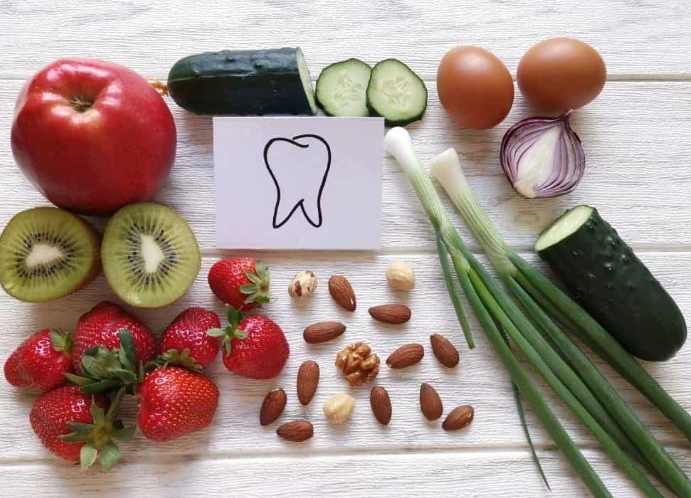
Your Top Questions, Answered
Your diet is a powerful tool for dental health. It works alongside your toothbrush, not against it. Start by picking one insight from this guide—maybe it's ending a meal with cheese, or finally ditching that all-day lemon water habit. Small, consistent shifts in what and when you eat build a foundation for a stronger, healthier smile that lasts a lifetime.