Quick Navigation
- What's Actually in Your Glass? The Lime Water Breakdown
- The Potential Benefits: It's Not All Doom and Gloom
- The Real Risk: Acid Erosion and Your Tooth Enamel
- How to Drink Lime Water Without Hurting Your Teeth: A Practical Guide
- Lime Water vs. Lemon Water: Is There a Dental Difference?
- Who Should Be Extra Cautious?
- The Final Verdict: A Balanced Approach
So you've started squeezing fresh lime into your water. Maybe it's for the vitamin C boost, maybe you're trying to ditch sugary sodas, or perhaps you just love that zing. It feels healthy, right? Refreshing. But then, a nagging thought pops into your head in the middle of a sip: wait, is lime water bad for your teeth?
You're not alone. I had the same panic a few years back. I was drinking it daily, proud of my healthy habit, until a routine dental check-up revealed slightly more wear on my enamel than expected. My dentist didn't blame the lime water outright, but she asked about my diet. That's when the connection clicked. It sent me down a rabbit hole of research, talking to dentists, reading studies, and figuring out how to balance the benefits with the risks.
Let's cut through the confusion. The short, unsatisfying answer is: it's complicated. Lime water isn't a villain plotting to destroy your smile, but it's not a completely innocent health elixir either. Its effect on your teeth sits in a frustrating gray area, heavily dependent on how you drink it. This guide is the deep dive I wish I'd had back then.
What's Actually in Your Glass? The Lime Water Breakdown
Before we dive into enamel and erosion, let's understand what we're dealing with. When you make lime water, you're primarily introducing two things from the lime juice into plain water:
- Citric Acid: This is the big one. It's the primary acid in citrus fruits, responsible for the sour taste. It's a weak organic acid, but it's potent enough to interact with the minerals in your tooth enamel.
- Ascorbic Acid (Vitamin C): Also acidic, but this is where a lot of the health hype comes from. Vitamin C is crucial for gum health and collagen production.
- Trace minerals and flavonoids, which are generally good for you, but don't play a major role in the dental equation.
The pH scale runs from 0 (very acidic) to 14 (very alkaline), with 7 being neutral. Pure water sits at 7. Your mouth's saliva likes to hang around a slightly acidic to neutral pH of 6.2 to 7.6. Tooth enamel, the hardest substance in your body, starts to demineralize (lose its mineral structure) when the pH in your mouth drops below a critical threshold of about 5.5.
Where does lime juice land? Fresh lime juice has a pH between 2.0 and 2.4—very acidic. Diluting it in a large glass of water raises that pH, but it often still remains in an acidic range, especially if you like a strong flavor. That's the core of the problem.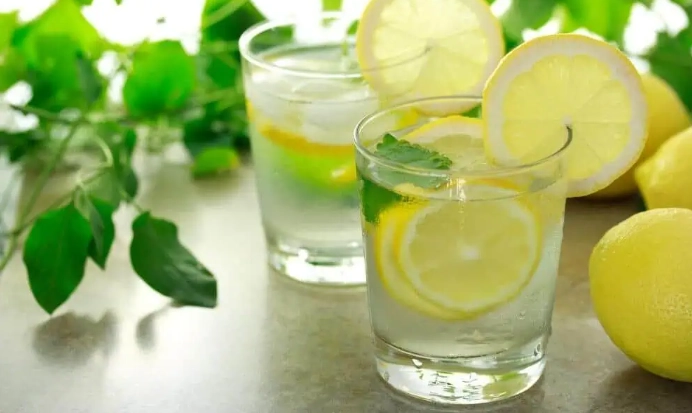
The Potential Benefits: It's Not All Doom and Gloom
Let's start with the good news, because lime water does have some positives for oral health, albeit indirect ones.
Promoting Hydration (The Biggest Win)
This is the most significant benefit, and it's often overlooked in the dental acid debate. Plain water is the best drink for your teeth, full stop. It helps wash away food particles, dilutes acids produced by plaque bacteria, and promotes saliva flow. If adding a squeeze of lime makes you drink more water throughout the day, that's a massive net positive for your oral health. A well-hydrated mouth produces more saliva, which is nature's best defense against acid and cavities.
Vitamin C for Gum Health
Ascorbic acid is essential for healthy gums. A deficiency in vitamin C can lead to bleeding gums and is linked to gingivitis. By providing a source of vitamin C, lime water can contribute to the foundation of a healthy mouth—your gum tissue. The American Dental Association notes the importance of vitamin C for maintaining the soft tissues in your mouth.
A Healthier Alternative to Sugary Drinks
If your choice is between a can of soda (packed with sugar and acid) and a glass of unsweetened lime water, the lime water wins for your teeth every single time. Sugar feeds the harmful bacteria in plaque, which then produce acid as a waste product. This creates a double assault of acid. Lime water, without added sugar, removes that bacterial fuel source.
So, there are legitimate reasons to enjoy it. But we can't ignore the other side of the coin.
The Real Risk: Acid Erosion and Your Tooth Enamel
Here's the crux of the matter. Enamel erosion is the irreversible loss of your tooth's protective outer layer. Unlike a cavity, which is a localized hole caused by bacteria, erosion is a more general wearing away of the surface. Once enamel is gone, it doesn't grow back.
Citric acid causes erosion through a process called chelation. This means it binds to calcium—the main mineral in enamel—and literally pulls it out of the tooth structure, softening the surface. This softened enamel is then more vulnerable to being worn away by brushing or even just by your tongue and food.
How bad is lime water compared to other common culprits? Let's put it in perspective. I've found this comparison helpful.
| Beverage | Typical pH Range | Relative Erosion Potential | Notes |
|---|---|---|---|
| Pure Lime Juice | 2.0 - 2.4 | Very High | Extremely acidic; never drink straight. |
| Lime Water (strong) | 3.0 - 4.0 (estimated) | Moderate to High | Depends heavily on dilution. A key focus when asking is lime water bad for your teeth. |
| Regular Cola | 2.5 - 2.7 | Very High | Acidic AND high in sugar (double threat). |
| Orange Juice | 3.3 - 4.2 | Moderate to High | Also contains citric acid, often with natural sugars. |
| Sparkling Water (Plain) | 4.0 - 5.0 | Low to Very Low | Carbonic acid is weak; studies like one cited by the ADA suggest minimal risk to enamel. |
| Tap Water | 6.5 - 8.5 | None | The gold standard for dental safety. |
Looking at that table, lime water isn't the worst offender, but it's certainly in the danger zone, especially if you sip it slowly over hours. That's a habit I used to have—keeping a giant bottle of lime water on my desk and nursing it all morning. My dentist called this "acid bathing" my teeth, and it's the perfect way to maximize erosion risk.
How to Drink Lime Water Without Hurting Your Teeth: A Practical Guide
Okay, so you want the flavor and the hydration boost, but you also want to keep your enamel. It's all about damage control. Here are the strategies that made a difference for me.
Dilution is Your Best Friend
The more water, the better. Use a large glass (16 oz or more) and just a thin wedge or a small squeeze of lime. You want a hint of flavor, not a mouth-puckering sour bomb. The goal is to raise the pH as close to neutral as possible.
Drink It, Don't Sip It
This was the hardest habit to break. Instead of taking small sips over 60 minutes, try to drink your lime water with a meal or finish it within a 15-20 minute window. This limits the amount of time your teeth are exposed to an acidic environment. A quick gulp is better than a slow savor for your enamel's sake.
The Magic of the Straw
Using a reusable straw is a game-changer. It directs the liquid past your front teeth and toward the back of your mouth, minimizing contact with the surfaces most visible and often most vulnerable to erosion. It's a simple trick with a huge impact.
The Waiting Game: When to Brush
This is crucial. Do not brush your teeth immediately after drinking lime water. Remember that 30-60 minute softening window. Rinse your mouth with plain water right after you finish your drink to help neutralize the acid and wash it away. Then, wait at least 30 minutes before brushing with a fluoride toothpaste. This allows your saliva to naturally remineralize and harden the enamel surface again.
Timing is Everything
Drinking lime water with a meal is smarter than drinking it alone. The increased saliva production during eating helps buffer the acids and speeds up the clearing process. Having it with breakfast is generally safer than sipping it as a standalone afternoon snack.
Lime Water vs. Lemon Water: Is There a Dental Difference?
You might be wondering if switching to lemon changes anything. Honestly, from a dental health perspective, the difference is minimal. Both lemons and limes are high in citric acid and have very similar pH levels. Lemon juice might be very slightly less acidic on average, but we're talking tiny margins. All the same risks and precautions apply. So if you're searching "is lime water bad for your teeth," know that the answer is essentially the same for its citrus cousin.
Some people claim lemon water is more alkalizing in the body. That's a whole different debate about systemic pH, but it has no bearing on the direct, local acidic effect the juice has on the surface of your teeth. The acid hits your enamel first, regardless of any purported long-term metabolic effects.
Who Should Be Extra Cautious?
While anyone should consider these tips, some people are at a higher risk for enamel erosion and should think twice or be extremely diligent:
- People with existing enamel wear or sensitivity: If your teeth are already sensitive to hot, cold, or sweet things, adding regular acid exposure is like pouring salt on a wound.
- Those with dry mouth (Xerostomia): Saliva is your natural acid neutralizer. If you have reduced saliva flow due to medication, medical conditions, or other reasons, your teeth have less protection.
- People with acid reflux (GERD): This brings stomach acid (which is extremely strong) into the mouth, already putting your enamel under stress. Adding dietary acid on top of that is compounding the problem.
- Anyone with braces or permanent retainers: Acid can pool around the brackets and wires, leading to localized areas of severe erosion that are hard to see until the braces come off.
Answering Your Burning Questions (FAQ)
Let's tackle some specific questions that pop up around this topic. These are the things I kept searching for after my initial dentist visit.
Can lime water cause cavities?
Not directly. Cavities are caused by bacteria feeding on sugar and producing acid. Plain, unsweetened lime water has no sugar, so it doesn't feed the cavity-causing bacteria. However, the acid can weaken enamel, making it easier for bacteria to cause decay if sugar is present from other foods. And if you add sugar or honey to your lime water, then yes, you're absolutely creating a cavity-causing drink.
Will lime water whiten teeth?
This is a dangerous myth. The acid can etch and roughen the enamel surface, which might temporarily remove some surface stains, making teeth appear slightly brighter. But this is damaging erosion, not true whitening. Over time, as the thinner enamel reveals the darker dentin layer underneath, your teeth can actually look more yellow. For safe whitening, stick to dentist-recommended methods.
Is it worse than coffee or tea for teeth?
In terms of acid erosion, yes, typically it is. Black coffee and tea are generally less acidic (pH around 5). Their main dental downside is staining, not erosion. However, if you add lemon or lime to your tea, you've just made it more erosive.
What about bottled lime-flavored water?
Be very careful here. Read the label. Many "natural" lime-flavored waters use citric acid as a flavoring agent and preservative. They can be just as acidic as homemade versions. Some also add sugar. Your safest bet is to check the ingredients and choose ones with no added sugars or acids, or better yet, make your own so you control the dilution.
Are there any signs that lime water is affecting my teeth?
Watch for increased sensitivity (a sharp zing with hot/cold drinks), teeth looking more translucent or thinner at the edges, a change in texture (teeth feeling less smooth), or a yellowish tint (showing the dentin). If you notice any of these, it's time to reassess and talk to your dentist.
The Final Verdict: A Balanced Approach
So, circling back to the big question: is lime water bad for your teeth?
It can be.
But it doesn't have to be. The risk is manageable. It's not an inherent poison, but it's also not a harmless health tonic. It's a drink with pros and cons that need to be weighed.
My personal stance now? I didn't give it up completely. The habit of drinking more water was too valuable for my overall health. But I changed how I drink it dramatically. I use one small wedge in a huge insulated bottle, I drink it through a straw, and I never, ever brush right after. Some days I skip it altogether and just drink plain water. Moderation and method are everything.
The goal of this guide isn't to scare you away from lime water forever. It's to give you the information you need to make an intelligent choice and protect your smile if you choose to enjoy it. Your teeth have to last a lifetime. A little strategic thinking about your daily lime water habit can go a long way in making sure they do.
Talk to your dentist at your next cleaning. Mention your diet and drinking habits. They can look for early signs of erosion and give you personalized advice. After all, they're the only one who can see what's really happening with your unique smile.