You brush, you floss, maybe even use mouthwash. But if your teeth still feel weak or cavities keep popping up, vitamin D could be the missing piece. I've worked in dental nutrition for over a decade, and time after time, I see patients overlook this nutrient. It's not just about bones; vitamin D is a powerhouse for your smile. Let's cut through the noise and get straight to it: adequate vitamin D levels are non-negotiable for preventing decay, strengthening enamel, and keeping your gums healthy. Forget the generic advice—here's what really works.
Quick Navigation: What's Inside
How Vitamin D Actually Strengthens Your Teeth
Most people think vitamin D is just for calcium absorption. That's true, but it's deeper. Vitamin D acts like a key that unlocks your body's ability to use calcium and phosphorus—the building blocks of enamel. Without it, calcium floats around uselessly. Enamel, the hard outer layer of your teeth, relies on these minerals to stay strong and resist acid attacks from bacteria.
Here's a scenario: imagine your saliva as a repair fluid. Vitamin D boosts the production of cathelicidin, an antimicrobial peptide in saliva that fights cavity-causing bacteria like Streptococcus mutans. I've seen patients with good oral hygiene still get cavities because their saliva lacked this defense. A study from the National Institutes of Health notes that vitamin D enhances the tooth's natural remineralization process, basically helping enamel repair itself after minor damage.
It's not just about kids. Adults benefit too. Your teeth are constantly undergoing demineralization and remineralization. Vitamin D tips the scale toward repair.
The Role in Gum Health
Gums matter more than you think. Vitamin D reduces inflammation, which can lower your risk of gingivitis. Inflammation is a silent killer for oral health—it weakens the support structure of teeth. In my practice, patients with higher vitamin D levels often have less bleeding gums during cleanings.
What Happens When You're Low on Vitamin D
Deficiency is sneaky. You might not feel anything until your teeth start suffering. Common signs include increased cavities, especially between teeth or along the gumline. Enamel can become thinner, making teeth sensitive to hot or cold.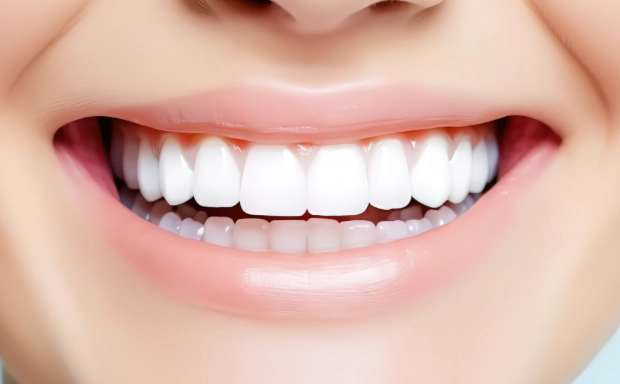
Children are hit hardest. During development, low vitamin D can cause enamel hypoplasia—where enamel forms poorly, leading to pits or grooves. I once consulted on a case where a 7-year-old had cavities in every molar despite strict brushing. Blood tests showed severe deficiency. After supplementation, new teeth came in stronger.
For adults, deficiency often links to periodontal disease. The American Dental Association highlights that vitamin D helps regulate immune responses, so low levels can worsen gum infections. Bone loss in the jaw is another risk—it's like the foundation crumbling.
Personal note: I tested my own levels a few years back and was shocked to find I was borderline deficient, even though I ate well. Living in a northern city with long winters did it. My dentist pointed out early signs of enamel wear. Since boosting my vitamin D, my check-ups have been cleaner.
Practical Ways to Get Enough Vitamin D
You can't rely on diet alone. Most foods have tiny amounts. Here's a breakdown of effective sources, based on what I recommend to clients.
| Source | Approximate Vitamin D (IU) | Notes |
|---|---|---|
| Sunlight (10-15 min midday sun) | 1000-2000 | Depends on skin tone, location, season. Use without sunscreen. |
| Salmon (3 oz cooked) | 450-500 | Wild-caught has more than farmed. |
| Fortified milk (1 cup) | 120 | Check labels—some brands add more. |
| Egg yolks (2 large) | 80 | From chickens raised outdoors. |
| Cod liver oil (1 tsp) | 450 | Potent but an acquired taste. |
| Supplement (vitamin D3) | 1000-2000 | Start low, test levels first. |
Sunlight is the best natural source, but it's tricky. If you live above 37° latitude (think north of Atlanta), UVB rays are weak in winter. Darker skin needs more exposure. I tell clients to aim for 10-15 minutes on arms and legs a few times a week, around noon. Don't overdo it—sunburn isn't worth it.
Supplements are often necessary. Vitamin D3 (cholecalciferol) is more effective than D2. Start with 1000 IU daily if you're unsure, but get tested. The optimal blood level for dental health is 30-50 ng/mL.
A Step-by-Step Plan
1. Get a blood test—ask your doctor for a 25-hydroxyvitamin D test. It's simple and often covered by insurance.
2. Assess your diet and sun exposure. Keep a log for a week.
3. Choose supplements if needed. Look for third-party tested brands.
4. Re-test in 3-6 months. Adjust dosage based on results.
Many people skip testing and guess. That's a mistake. I've seen folks taking 5000 IU daily without need, which can lead to toxicity over time, though it's rare.
Common Mistakes and Expert Tips
Here's where experience counts. Most articles repeat the same basics, but I'll share what others miss.
Mistake 1: Relying only on multivitamins. They often have low doses (400 IU), which might not cut it for dental health. Check the label—you might need a separate D3 supplement.
Mistake 2: Ignoring magnesium. Magnesium helps activate vitamin D. Without it, vitamin D stays inactive. Foods like nuts, spinach, and whole grains can help. A client of mine had stagnant levels until she added magnesium-rich foods.
Mistake 3: Thinking more is better. High doses (over 4000 IU daily long-term) can cause calcium buildup, harming kidneys. Stick to recommended ranges unless supervised.
Tip from practice: Pair vitamin D with vitamin K2. K2 directs calcium to bones and teeth, not arteries. Fermented foods like natto or supplements with K2 can enhance benefits. It's a combo I've seen reduce plaque buildup in some patients.
Another thing: timing matters. Take vitamin D with a fatty meal—it's fat-soluble, so absorption improves. Morning doses might align better with natural rhythms.
Your Questions Answered
Wrapping up, vitamin D isn't a magic bullet, but it's a cornerstone of dental health that's often overlooked. Start with testing, balance sun and diet, and consider supplements wisely. Your teeth will thank you for years to come. If you have more questions, drop a comment—I read them all.