The day your braces come off is a big one. Your teeth look amazing. You can't stop smiling. But here's the part your orthodontist might have rushed through in the excitement: the next phase is arguably more important. I'm talking about retainers. This isn't a temporary step; it's the foundation for keeping that perfect smile for life. Forget the vague "wear them at night" instruction. Let's get into what you really need to know, based on what actually works and where most people slip up.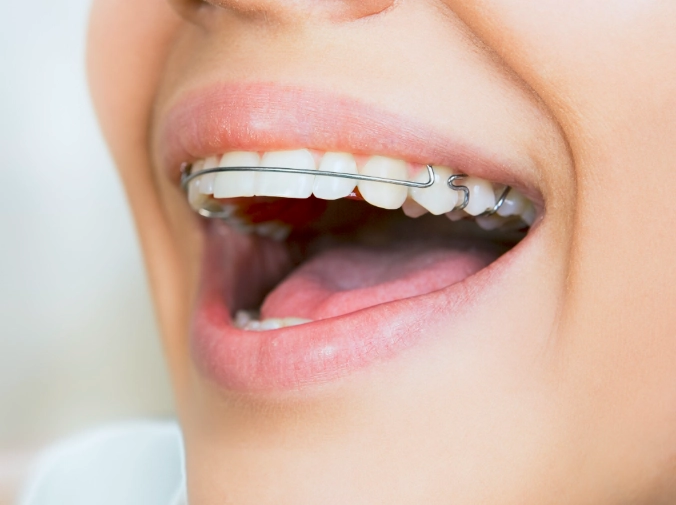
What's Inside This Guide
Why Your Retainer Isn't Optional (The Science Bit, Simplified)
Think of your teeth like trees in soft soil. Braces move the trees into a beautiful, straight line. But the soil—your gums and jawbone—needs time to harden and solidify around the new positions. That process is called remodeling, and it takes months, even years. According to research in the American Journal of Orthodontics and Dentofacial Orthopedics, teeth have a "memory" and want to drift back toward their original, crooked positions—a tendency called relapse.
Your retainer is the guardrail that holds everything in place while the foundation sets. Skip it, and those trees start leaning again. I've seen it happen to friends who were diligent with braces but got lazy with the retainer. Within six months, they had noticeable gaps or crowding. It's a heartbreaking waste of time and money.
The Three Main Types of Retainers: A Side-by-Side Look
Your orthodontist will recommend one based on your specific case. Here’s the real-world lowdown on each.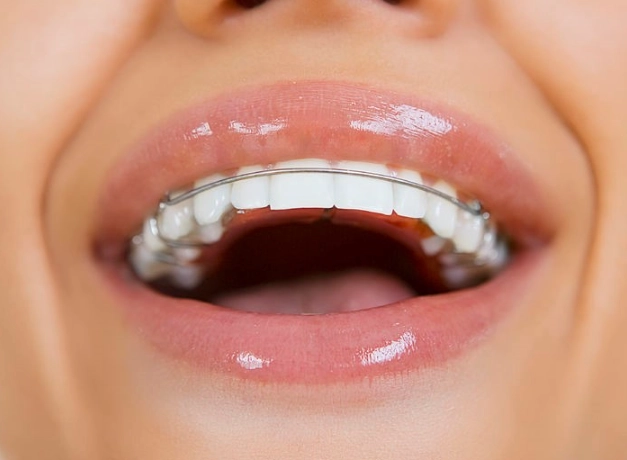
| Type | How It Looks & Feels | The Good | The Not-So-Good | Best For... |
|---|---|---|---|---|
| Hawley Retainer | The classic. Acrylic plate with a metal wire across the front teeth. | Durable, easy to adjust if minor tooth movement is needed. Allows slight natural settling of teeth. | Visible. The wire can affect speech initially. Bulkier feel. | Patients who need adjustability or have a mix of stable and less-stable teeth. |
| Clear Plastic (Essix) Retainer | Like a thin, clear Invisalign aligner. Covers all teeth. | Nearly invisible. Minimal impact on speech. Snug fit prevents any movement. | Can wear out, crack, or become discolored. Traps plaque against teeth if not cleaned perfectly. Doesn't allow for any settling. | Most adults and teens concerned with aesthetics. Great for predictable, stable cases. |
| Permanent/Bonded Retainer | A thin wire bonded to the back of your front 6 teeth. You don't take it out. | Zero compliance needed—it's just there, working 24/7. Completely invisible from the front. | Makes flossing those teeth a chore (requires special tools like floss threaders). Can break without you noticing. Needs professional removal. | Primarily for the lower front teeth, which are notoriously prone to re-crowding. Often paired with a removable one for upper teeth. |
My personal take? I had a permanent retainer on my bottom teeth and a clear one for the top. The permanent one gave me peace of mind, but flossing was a hassle I had to build into my routine. The clear one I almost lost down a sink drain twice. You learn to be careful.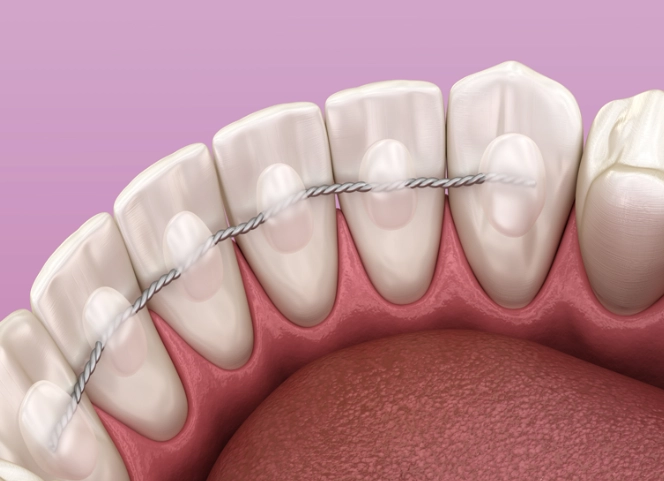
A Realistic Retainer Wear Schedule (Beyond "Wear It Forever")
Here’s a timeline that balances orthodontic ideals with real life. This is more detailed than the handout you probably got.
Phase 1: The Critical First 6-12 Months
Months 1-3: Full-time wear. 22+ hours a day, just like the final stages of Invisalign. Take out only to eat and brush. This is non-negotiable. The bone is at its softest.
Months 4-12: Transition to nighttime. Start by trying 12 hours on, 12 hours off. If the retainer feels tight when you put it in at night, your teeth are still actively trying to shift. Go back to more hours. The goal is to reach a point where slipping it in feels snug but not painfully tight.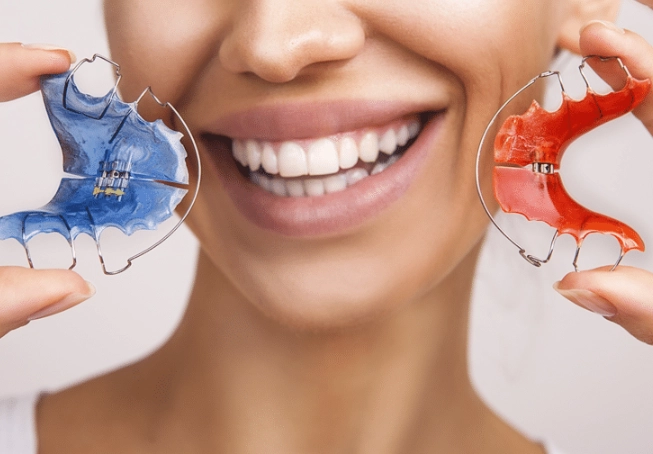
Phase 2: The Long Haul (Year 2 and Beyond)
Nightly wear for life. This is the standard advice, and it's correct. But here's a nuance: as you get further out (5+ years), you might find you can skip occasionally—like one night off a week—if the retainer still fits comfortably. But this is a gamble. I stick to every night. It's just part of my routine, like charging my phone.
Some orthodontists are now suggesting a "wear every other night" protocol for very stable cases after a few years, as some studies suggest it can be equally effective. Always check with your own orthodontist before changing your schedule.
Cleaning & Maintenance: Keeping It Gross-Free
A dirty retainer is a smelly retainer and a breeding ground for bacteria. Here’s how to handle each type.
For Clear Plastic Retainers:
- Daily: Gently brush with a soft toothbrush and clear, unscented soap (like Castile soap) or non-abrasive toothpaste. Avoid colored or gritty toothpaste—it will scratch and cloud the plastic.
- Weekly Deep Clean: Soak in a denture cleaner tablet (e.g., Polident) or a 50/50 mix of white vinegar and water for 15-20 minutes. Rinse well.
- Never: Use hot water! It will warp the plastic irreversibly.
For Hawley Retainers:
- Same daily brushing routine. Pay attention to the wire-acrylic junction where gunk collects.
- You can use a bit more elbow grease on the acrylic.
For Permanent Retainers:
- This is about oral hygiene. You must use a floss threader, superfloss, or a water flosser to clean under the wire every day. Plaque buildup here leads to cavities and gum inflammation fast.
- An interdental brush can help clean around the bonding points.
Common Problems & Quick Fixes
Problem: Retainer feels tight after a missed night.
Solution: Wear it as much as you can (day and night) until the tightness subsides. It might take a few days. This is your teeth shifting back.
Problem: Retainer doesn't fit at all.
Solution: Do not force it. Stop. This usually means your teeth have moved too far. You need to see your orthodontist ASAP. They may be able to adjust the retainer, or you might need a new impression and a new one made.
Problem: Lisping with a new retainer.
Solution: Read aloud for 15-20 minutes a day. Your tongue will adapt within a week or two.
Problem: Lost or broken retainer.
Solution: Call your orthodontist immediately. If you have a recent model or scan, they can make a new one. If not, you might need a new impression. Time is critical—teeth can move in just days.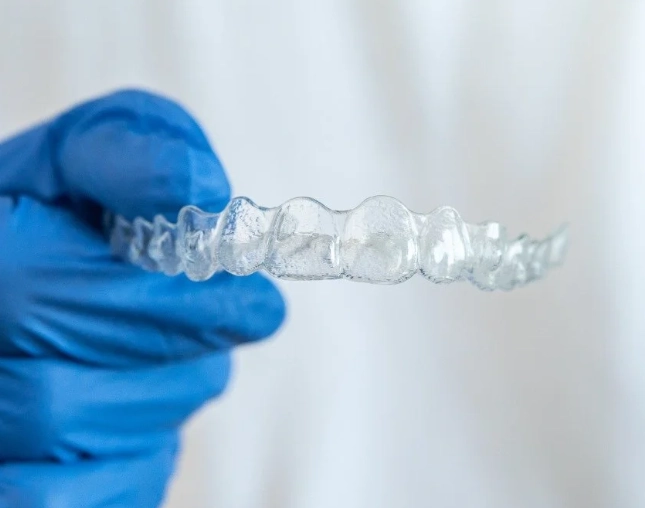
Your Retainer Questions, Answered
I accidentally left my clear retainer in a napkin at a restaurant and it got thrown out. What do I do now?
First, call your orthodontist's office right away. Explain the situation. If you had braces removed within the last year or two, they likely still have your digital scan or physical model on file and can fabricate a new one without a new appointment. If it's been years, you'll probably need to go in for a new impression or scan. In the meantime, if you have an old retainer that sort of fits, wear it gently to hold some position until the new one is ready.
Can I drink coffee or red wine with my clear retainer in?
I wouldn't. It's not about damaging the plastic, but about staining it. The retainer is porous. Coffee, tea, red wine, and curry will turn it a nasty yellow-brown tint, making it more visible. The heat from coffee could also slightly warp it. Take it out for any drink besides cool water. It's a 20-minute break—your teeth will be fine.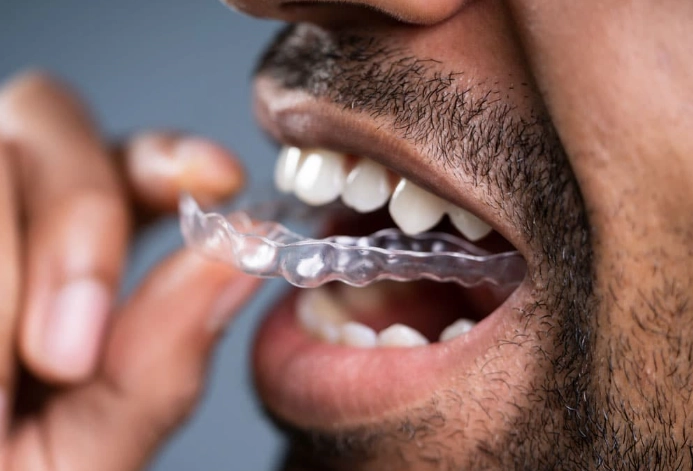
My permanent retainer wire came unglued from one tooth. Is it an emergency?
It's urgent, but not a midnight emergency. Call your orthodontist within a day or two. That loose wire can swing around and irritate your cheek or tongue, and it's no longer doing its job on that tooth. Don't try to re-glue it yourself. They'll clean the area and re-bond it in a quick appointment.
How often should I get my retainer checked by a professional?
Most orthodontists recommend a quick check-up once a year, often at the same time as your regular dental cleaning. They'll check the fit, look for wear and tear (cracks in plastic, bent wires), and assess your overall retention. For permanent retainers, your dentist should check the bonding during every cleaning.
Is it normal for my teeth to feel slightly loose when I first start wearing a retainer?
A very slight feeling of mobility can be normal in the first few weeks as the periodontal ligament adjusts to the new, final position. It should not be painful or obvious when you push on a tooth with your finger. If you have significant looseness or discomfort, contact your orthodontist to rule out other issues.
The retainer phase isn't glamorous, but it's what protects your investment. Think of it as the insurance policy on your smile. Find a routine, keep it clean, and wear it consistently. That straight smile you worked so hard for is worth the nightly 30 seconds it takes to pop it in.