In This Article
- Why Even Consider Coconut Oil for Your Teeth?
- How to Use Coconut Oil for Teeth: The Step-by-Step Method
- What Can You Realistically Expect? The Benefits & The Limits
- Coconut Oil vs. Other Oils & Mouthwashes
- Answering Your Burning Questions (FAQs)
- Putting It All Together: A Simple Starter Routine
- Final Thoughts: Is It Worth Trying?
Let's be real. The first time you heard about swishing oil around in your mouth for twenty minutes, you probably thought it was some weird internet fad. I know I did. But after my dentist mentioned offhand that some patients reported less plaque, I figured I had nothing to lose but a spoonful of coconut oil. Fast forward a few years, and it's a weirdly comforting part of my morning routine. But there's a ton of conflicting advice out there. How do you use coconut oil for teeth correctly? Does it actually do anything, or is it just placebo? And what about the taste?
This guide isn't about selling you a miracle cure. It's about breaking down exactly what the practice (called oil pulling) is, what science says it might do, and giving you a clear, step-by-step method so you can try it for yourself. We'll cut through the hype and get to the practical stuff.
Why Even Consider Coconut Oil for Your Teeth?
Before we get into the how-to of using coconut oil for teeth, it's fair to ask why bother. You've got a toothbrush and floss, right? For me, it started as a curiosity about natural ways to support oral health between brushings. Modern dentistry is amazing, but there's room for complementary practices.
The main draw of coconut oil is lauric acid. When lauric acid breaks down in your mouth, it forms a substance called monolaurin. Both are pretty good at messing with the cell walls of certain bacteria and fungi. The most talked-about bad guy in oral health is Streptococcus mutans, a primary bacteria behind plaque and tooth decay. A few lab studies have shown coconut oil can inhibit its growth. The American Dental Association (ADA) states that while oil pulling shouldn't replace brushing and flossing, some small studies suggest it can reduce plaque and gingivitis. They call for more research, which is a fair and scientific stance.
So, it's not a magic eraser for cavities. Think of it more like a supplementary cleaning agent. People who try it regularly often report a cleaner, smoother feeling on their teeth (that's the reduced plaque film), fresher breath that lasts, and some notice a gradual brightening of surface stains from coffee or tea. The whitening effect isn't dramatic like bleach—it's more of a gentle polish.
The bottom line? It's a low-cost, low-risk experiment with some promising, if preliminary, science behind it.
How to Use Coconut Oil for Teeth: The Step-by-Step Method
Okay, let's get practical. Here’s exactly how I do it, refined after a lot of trial and error (and a few messy moments).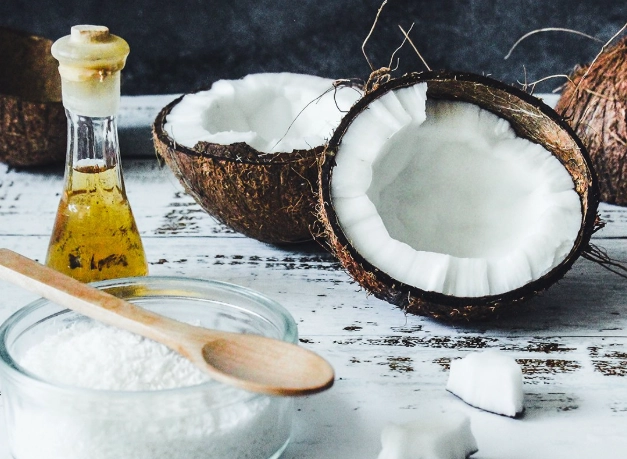
What You'll Need
- High-quality, organic, virgin (or extra-virgin) coconut oil: This is non-negotiable. Refined oil loses some of the beneficial compounds. Virgin coconut oil has the natural properties intact.
- A quiet 15-20 minutes in the morning.
- A trash can or compost bin (not your sink!).
The Process, Minute by Minute
- Do it first thing. The key is to do this on an empty stomach, before you drink or eat anything, even water. This allows the oil to interact with the bacteria in your mouth without competing with food particles.
- Scoop about a tablespoon. Start with a teaspoon if a full tablespoon feels like too much. It will melt quickly in your mouth.
- Swish gently. Don't gargle aggressively. The goal is to push, pull, and suck the oil through your teeth and around all the crevices in your mouth—gums, cheeks, tongue. Be gentle; you're not trying to work out your jaw muscles. A soft, swooshing motion is perfect.
- Set a timer. Aim for 15-20 minutes. This seems long, but it goes by if you do it while showering, getting dressed, or checking emails. The first few times, even 5-10 minutes is a good start. You'll build up tolerance.
- Spit it out. This is crucial: Do NOT swallow the oil. It's now full of bacteria and toxins you've pulled from your mouth. Spit it into a trash can or paper towel. Spitting it down the sink can clog your pipes over time as the oil solidifies.
- Rinse and brush. Rinse your mouth thoroughly with warm water. Then, brush your teeth as you normally would. This removes any residual oil and bacteria.
Making It Tolerable (The Taste Factor)
Let's address the elephant in the room. Plain coconut oil can get... well, oily and bland after a few minutes. The texture takes getting used to. Here are a few tricks I've picked up:
- Add a drop or two of food-grade peppermint or clove essential oil. Clove is fantastic for its own antimicrobial properties.
- Mix in a tiny pinch of baking soda once the oil is melted in your mouth. This can help with the texture and adds a cleansing boost.
- Just stick with it. After a week, your brain sort of tunes out the initial weirdness.
What Can You Realistically Expect? The Benefits & The Limits
Managing expectations is key. This isn't a one-time fix. Consistency matters. Here’s a realistic breakdown of what using coconut oil for teeth might do for you, based on both research and tons of anecdotal reports (including my own).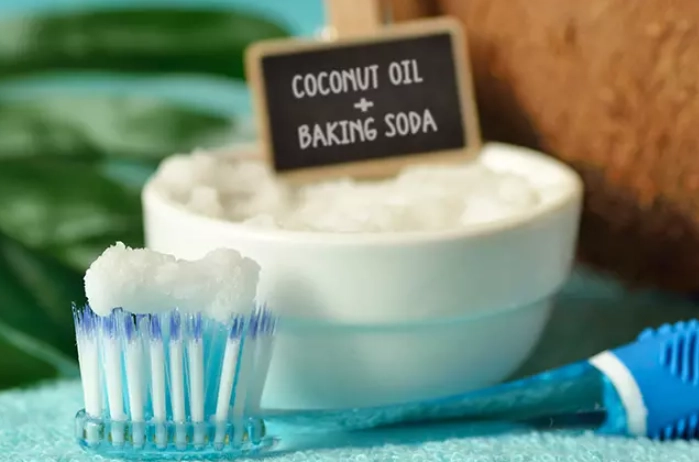
| Potential Benefit | What It Means / The Evidence | Timeframe to Notice |
|---|---|---|
| Reduced Plaque & Gingivitis | Several small-scale studies, like one published in the Journal of Traditional and Complementary Medicine, found oil pulling with coconut oil was as effective as a chlorhexidine mouthwash in reducing plaque and symptoms of gingivitis over a short period. The mechanical action of swishing likely plays a big role. | 1-2 weeks of daily use |
| Fresher Breath (Halitosis) | By reducing bacterial load and cleaning the tongue, breath often stays fresher longer. This is one of the most commonly reported and quickest benefits. | A few days |
| Surface Stain Reduction | The mild abrasive action of swishing can gently polish away some surface stains from coffee, tea, or wine. Don't expect laser whitening results—it's a subtle brightening. | 3-4 weeks |
| "Cleaner" Mouth Feel | That smooth, squeaky-clean feeling on your teeth after a dental cleaning? Many report a milder version of this sensation throughout the day. | Immediate after session |
Now, the limits. It's vital to be clear about what oil pulling won't do:
- It will NOT cure cavities or reverse tooth decay. Once a cavity has formed, you need a dentist to treat it. Full stop.
- It is NOT a replacement for brushing twice a day with fluoride toothpaste and flossing. The ADA and every sane dental professional will tell you this. Consider it an add-on, not a substitute.
- It may not work for everyone. Some people try it and notice zero difference. That's okay. Oral microbiomes are unique.
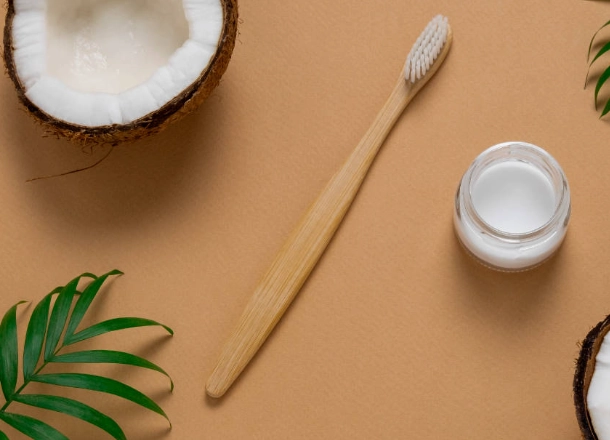
Coconut Oil vs. Other Oils & Mouthwashes
You might wonder why coconut oil gets all the attention. Traditionally, sesame or sunflower oil was used. So what's the difference?
Coconut oil has a higher concentration of lauric acid (about 50%) compared to other oils. Sesame oil has antioxidants, but lauric acid's specific antimicrobial punch seems to give coconut oil an edge in the limited research we have. Taste is a huge factor too—sesame oil has a strong, savory flavor that many find less pleasant to swish for 20 minutes.
Compared to commercial mouthwash? It's a different ballgame. Antiseptic mouthwashes like those containing chlorhexidine are potent, prescription-grade treatments for specific conditions. They can disrupt the entire oral microbiome, good and bad bacteria alike, and can cause staining or taste alteration with long-term use. Learning how to use coconut oil for teeth offers a gentler, more mechanical cleaning that may be less disruptive to the overall balance of your mouth. The National Center for Complementary and Integrative Health (NCCIH) notes that while evidence is limited, oil pulling appears safe for most adults as a complementary practice.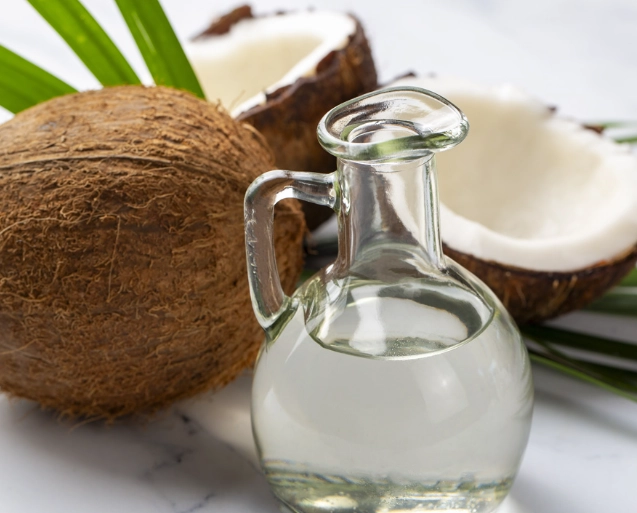
Think of it as the difference between power-washing your driveway (mouthwash) and using a gentle, natural cleaner and a brush (oil pulling) regularly.
Answering Your Burning Questions (FAQs)
I've scoured forums, Reddit threads, and talked to friends. Here are the most common questions people have before they start.
Can I swallow a little by accident?
Don't panic. A tiny bit won't hurt you. But try not to make a habit of it. The whole point is to remove the gunk from your mouth, not digest it. If you feel the urge to swallow, your mouth might be too full of oil—use a bit less next time.
Is it safe for kids?
There's no major research saying it's harmful, but the 15-20 minute requirement is a big ask for a child who might accidentally swallow it. I wouldn't recommend it for young kids. For older teens interested in oral care, supervision and a much shorter duration (like 5 minutes) could be a starting point, but consult their dentist first.
Can I do it more than once a day?
Once a day, first thing in the morning, is the standard and sufficient recommendation. Doing it more often isn't likely to provide extra benefits and could potentially irritate your oral tissues. More is not better here.
What if I have fillings, crowns, or braces?
Generally safe. The oil is a liquid and the action is gentle. It shouldn't loosen well-fitted dental work. In fact, some people find it helpful for cleaning around braces. However, if you have temporary crowns or recent extensive work, it's wise to wait until your dentist gives the all-clear for normal oral hygiene.
I hate the texture. Any alternatives to swishing?
You can try applying a small amount of coconut oil directly to your teeth and gums with your finger or a soft toothbrush, let it sit for a minute, then brush normally. It's not "oil pulling" in the traditional sense, but you'll still get some topical contact with the lauric acid. The effectiveness will be different, though.
Does the type of coconut oil matter?
Yes. Go for virgin or extra-virgin, cold-pressed, organic if possible. Refined, bleached, and deodorized (RBD) coconut oil has been processed, which may reduce the lauric acid content and remove other beneficial compounds. The virgin stuff has the natural goodness you're after.
Putting It All Together: A Simple Starter Routine
If you're feeling overwhelmed, just follow this simple checklist for your first week. The goal is to make how to use coconut oil for teeth feel effortless.
- Day 1-3: Scoop 1 teaspoon of virgin coconut oil. Swish for just 5-10 minutes. Get used to the sensation. Spit, rinse, brush.
- Day 4-7: Increase to 1 tablespoon and aim for 15 minutes. Try doing it in the shower.
- End of Week 1: Check in. How does your mouth feel? Is your breath any different? Do you notice a smoother texture on your teeth?
- Going Forward: Aim for 5-7 times a week. Don't stress if you miss a day. It's a habit, not a strict mandate.
The most important thing is to listen to your body. If it causes any discomfort, stop. It's supposed to be a supportive practice, not a chore.
Final Thoughts: Is It Worth Trying?
Look, I'm not here to evangelize. Oil pulling with coconut oil is a simple, ancient practice that has found a modern audience for a reason. The science, while not overwhelming, is intriguing enough to suggest it's not pure pseudoscience. The anecdotal reports from countless people (myself included) about fresher breath and a cleaner mouth are hard to ignore.
But it requires a bit of patience and a tolerance for initial weirdness. You have to be consistent to see any potential benefits. And you absolutely cannot skip your normal brushing and flossing. Think of it as adding a pre-wash cycle to your oral care routine.
If you're curious about natural ways to boost your oral health, a jar of good-quality coconut oil is a cheap ticket to experimentation. You might find it becomes a cherished part of your morning, or you might decide it's not for you. Either way, you'll have firsthand knowledge of exactly how to use coconut oil for teeth and what it can—and can't—do. And in the world of health trends, that's a win.
Just remember to spit it in the trash.