In This Guide
- Why Your Mouth is a Bacterial Battlefield (And That's Okay)
- How Probiotics Might Actually Help with Bad Breath
- The Evidence: What Does the Science Say?
- Not All Probiotics Are Created Equal: The Strain is Everything
- How to Use Probiotics for Halitosis: A Practical Guide
- Potential Pitfalls and When Probiotics Might Not Be Enough
- Beyond the Pill: Feeding Your Oral Probiotics (Prebiotics)
- Putting It All Together: A Holistic Action Plan
Let's be honest, bad breath is the worst. You're chatting with someone, maybe leaning in a bit, and you see that subtle shift in their expression. Or worse, you catch a whiff of your own breath and think, "Yikes, is that me?" It's embarrassing, it knocks your confidence, and it makes you wonder what's going on inside your mouth. You brush, you floss, you mouthwash like there's no tomorrow, but sometimes that metallic, minty freshness fades way too fast, leaving you back at square one.
So you start digging around for solutions. You stumble upon this idea of taking probiotics for your mouth. Probiotics? Aren't those for gut health and yogurt? The concept seems a bit out there at first. Swallowing billions of "good" bacteria to fix the smell coming from your mouth? It sounds almost too simple, like another wellness trend. But then you read a few testimonials, see some products on the shelf, and the question solidifies in your mind: does probiotic help with halitosis, or is it just a clever marketing angle?
I had the same skeptical thought. I've dealt with occasional morning breath that felt like it could strip paint, and no amount of scraping seemed to make a lasting difference. The promise of balancing my mouth's ecosystem was intriguing enough to dive into the research. What I found wasn't just marketing fluff; there's a growing body of science that makes a compelling case. But it's also not a magic bullet. It's more nuanced, and understanding that nuance is the key to making it work for you.
The Core Idea: Halitosis, in about 90% of cases, originates in the mouth. It's not usually your stomach. The primary culprits are volatile sulfur compounds (VSCs)—things like hydrogen sulfide (think rotten eggs) and methyl mercaptan (think cabbage)—produced by certain types of bacteria feasting on proteins in your saliva, food debris, and dead cells. The traditional approach is to nuke everything with antibacterial mouthwashes. Probiotics propose a different strategy: instead of killing all bacteria (good and bad), why not add more of the friendly ones to crowd out the odor-producing troublemakers?
Why Your Mouth is a Bacterial Battlefield (And That's Okay)
First, we need to get comfortable with the fact that our mouths are teeming with life. Hundreds of different bacterial species call it home, forming a complex community known as the oral microbiome. This isn't gross; it's normal and essential for health. Some of these microbes help with initial digestion, others protect our gums, and they generally keep each other in check.
The problem, what we call dysbiosis, happens when the balance tips. The "bad" bacteria, often anaerobic (they hate oxygen), get the upper hand. They hide in places where oxygen is scarce: deep in the crevices of your tongue coating, under gumlines if you have mild gingivitis, in the pockets of tonsil stones, or between teeth. There, they break down proteins containing sulfur amino acids (cysteine and methionine) and release those foul-smelling VSCs as a waste product.
Common culprits include bacteria like Porphyromonas gingivalis, Treponema denticola, and Fusobacterium nucleatum. Your standard alcohol-based mouthwash might temporarily reduce their numbers, but it's a scorched-earth policy. It also wipes out beneficial bacteria, and the bad guys often rebound quickly, sometimes even stronger. This cycle can leave you dependent on the mouthwash.
How Probiotics Might Actually Help with Bad Breath
The theory behind using oral probiotics is built on a few clever mechanisms. They're not just passive residents; they're active participants in restoring order.
1. Competitive Exclusion (The Neighborhood Watch)
This is the main event. By introducing large numbers of beneficial bacteria, you're essentially crowding out the real estate. These good bugs compete for the same attachment sites on your tongue and gums and for the same food sources (those proteins and peptides). If the good guys are hogging the space and food, the odor-producing bacteria have less opportunity to settle in and throw their smelly party. It's a classic case of biological competition.
2. Direct Antimicrobial Action (The Bouncers)
Some probiotic strains don't just compete; they actively fight. They can produce substances like bacteriocins (natural antibacterial compounds), hydrogen peroxide, or organic acids that directly inhibit the growth or kill the problematic bacteria. It's like having a friendly bouncer in your mouth that only lets the right crowd in.
3. Neutralizing the Smelly Compounds (The Air Fresheners)
A few clever probiotics can actually break down the volatile sulfur compounds themselves. For instance, some strains have enzymes that can convert smelly hydrogen sulfide into odorless or less-odorous substances. They're not just preventing the smell; they're cleaning it up after the fact.
4. Modulating the Immune Response (The Diplomats)
Chronic bad breath can sometimes be linked to low-grade inflammation in the gums. Certain probiotics can help calm the local immune response in your oral tissues, reducing inflammation. Healthier gums mean fewer deep pockets for anaerobic bacteria to hide in, indirectly tackling one of the root causes.
When I first read about these mechanisms, it clicked. It moved probiotics from the realm of "vague wellness supplement" to a targeted biological tool. It's not about adding a random bug; it's about deploying specific strains with specific jobs. That's why the type of probiotic matters immensely when you're asking, "Does probiotic help with halitosis?"
The Evidence: What Does the Science Say?
Okay, theory is great, but does it hold up in real life? I'm naturally skeptical, so I looked at the clinical trials. The research is promising, though it's still a growing field. You won't find thousands of studies, but the ones that exist are pretty convincing for a specific subset of probiotics.
Several systematic reviews and meta-analyses have tried to make sense of the data. A key review published in the journal Clinical Oral Investigations analyzed multiple randomized controlled trials. The conclusion was that probiotics, particularly those containing certain Lactobacillus and Streptococcus strains, showed a significant reduction in the levels of volatile sulfur compounds (the objective measure of bad breath) and improved organoleptic scores (the subjective sniff test by a clinician) compared to placebos.
Another review pointed out that the effects aren't always permanent after stopping supplementation, suggesting that for some people, maintaining a balanced oral microbiome might require ongoing attention, much like taking care of your gut.
Reference: For a deeper dive into the systematic reviews of clinical trials, you can explore resources from the American Dental Association, which often summarizes evidence-based approaches to oral care, or the National Institutes of Health's National Center for Complementary and Integrative Health (NCCIH) for information on probiotics.
The studies aren't perfect—some are small, some use different strains—but the consistent trend is positive. The effect isn't as instantaneous as a breath mint; it often takes a few weeks of consistent use to see measurable changes, which aligns with the idea of gradually shifting a microbial community.
Not All Probiotics Are Created Equal: The Strain is Everything
This is the most critical part that most people miss. Saying "I take a probiotic for my breath" is like saying "I take a pill for pain." Is it aspirin, ibuprofen, or something else? The specific strain of bacteria determines its function. A probiotic proven to help with vaginal health or irritable bowel syndrome likely won't do much for your oral microbiome. They're specialists.
Based on the clinical research, here are some of the top-performing strains that have shown promise in targeting halitosis:
| Probiotic Strain | What It Does | Evidence Level |
|---|---|---|
| Lactobacillus salivarius (e.g., strain WB21) | Highly studied for oral health. Competes directly with odor-causing bacteria, reduces VSCs, and some strains produce bacteriocins. | Strong clinical support for halitosis. |
| Streptococcus salivarius (e.g., strain K12, M18) | These are pioneers—some of the first bacteria to colonize a baby's mouth. K12 is famous for throat health but also crowds out bad bugs. M18 is linked more to tooth and gum support, which indirectly helps breath. | Very strong, especially K12 for overall oral microbiome balance. |
| Lactobacillus reuteri | Shown to reduce gum inflammation (gingivitis), which is a common source of chronic bad breath. Healthier gums = fewer anaerobic pockets. | Good evidence for gingivitis-related halitosis. |
| Lactobacillus casei | Some strains have shown ability to reduce oral levels of odor-producing compounds. | Moderate, often found in blends. |
| Weissella cibaria | An emerging star. Research shows it can effectively inhibit the growth of F. nucleatum, a key bridge organism in oral biofilms, and reduce VSC production. | Promising new evidence. |
When you're shopping, turn that bottle over and look for these names. A product saying "for oral health" should list specific strains, not just "Lactobacillus blend." The dose (Colony Forming Units or CFUs) matters too, but I've found that a quality product with the right strain at 1-3 billion CFUs is often more effective than a generic one with 50 billion CFUs of gut-focused bacteria.
How to Use Probiotics for Halitosis: A Practical Guide
If you want to test whether a probiotic helps with your halitosis, you need a strategy. Swallowing a capsule with water like a vitamin might help your gut, but it's a missed opportunity for your mouth. Here's what seems to work best based on the research and anecdotal reports (including my own trial).
1. Choose an Oral-Specific Product: Look for lozenges, chewable tablets, or fast-melting powders designed to dissolve in the mouth. This allows the bacteria to directly colonize oral surfaces. Some toothpaste and mouthwashes now include probiotics too, though their effectiveness is still being studied.
2. Timing is Key: Take it after brushing and flossing at night. Your mouth is cleaner, there's less food competition, and saliva flow decreases during sleep, which is when odor-causing bacteria thrive. Giving the probiotics a head start overnight makes sense.
3. Let Them Work: After the lozenge dissolves or you take the powder, try not to eat or drink for at least 30 minutes. Give the little guys time to adhere.
4. Be Patient and Consistent: This isn't an overnight fix. Most studies ran for 2 to 4 weeks before showing significant results. Commit to a month-long trial. I didn't notice anything dramatic in the first week, but by the third week, my tongue felt cleaner for longer, and that persistent morning "fuzz" was noticeably reduced.
5. Don't Abandon Basic Hygiene: Probiotics are a supplement, not a replacement. They work best on a clean slate. Keep brushing twice a day, flossing, and cleaning your tongue. In fact, tongue scraping is one of the most effective immediate interventions for halitosis because it removes the bacterial biofilm and food debris right from their main hideout.
My routine became: brush, floss, scrape tongue, then let an oral probiotic lozenge dissolve. It felt like I was seeding a clean garden with good plants. The combination was far more effective than any single step alone.
Potential Pitfalls and When Probiotics Might Not Be Enough
Let's temper the optimism. Probiotics aren't a cure-all. If your halitosis is caused by factors outside the oral bacterial balance, probiotics will have limited effect. It's crucial to rule these out, preferably with a dentist or doctor.
- Underlying Dental Issues: Cavities, deep periodontal pockets, ill-fitting crowns, or abscesses are bacterial strongholds that probiotics can't reach. These need professional treatment.
- Systemic Conditions: Diabetes, liver or kidney problems, acid reflux (GERD), and sinus infections can all cause bad breath. The odor is coming from a different source.
- Diet and Lifestyle: Garlic, coffee, smoking, and alcohol create odors that probiotics won't mask. Low-carb diets (ketosis) produce acetone breath. Dry mouth (xerostomia) from medications or mouth breathing is a huge contributor—saliva is nature's mouthwash and probiotic delivery system.
- Tonsil Stones (Tonsilloliths): These calcified bacterial lumps in the tonsil crypts are a direct source of horrendous odor. Probiotics might help prevent their formation over time by balancing throat flora, but existing stones need to be removed.
So, before you invest in probiotics, do a quick audit. Is your oral hygiene solid? Have you seen a dentist recently? If the answer is no, start there. Probiotics are for optimizing an already-managed situation, not for masking neglect or untreated disease.
Beyond the Pill: Feeding Your Oral Probiotics (Prebiotics)
This is an advanced tip that most articles don't mention. You can take the best probiotic in the world, but if you don't feed it, it won't stick around. Prebiotics are fibers that act as food for beneficial bacteria.
For your oral probiotics, this might mean a diet rich in fibrous fruits and vegetables (apples, carrots, celery) that physically clean teeth and may provide nutrients. Some emerging research looks at specific prebiotics like xylitol and certain fibers that can selectively support good oral bacteria. Xylitol, a common sugar alcohol in "sugar-free" gum, is famous for inhibiting S. mutans (the cavity bug), but it might also create a better environment for other beneficial strains. Chewing xylitol gum between meals can stimulate saliva and potentially support your probiotic efforts.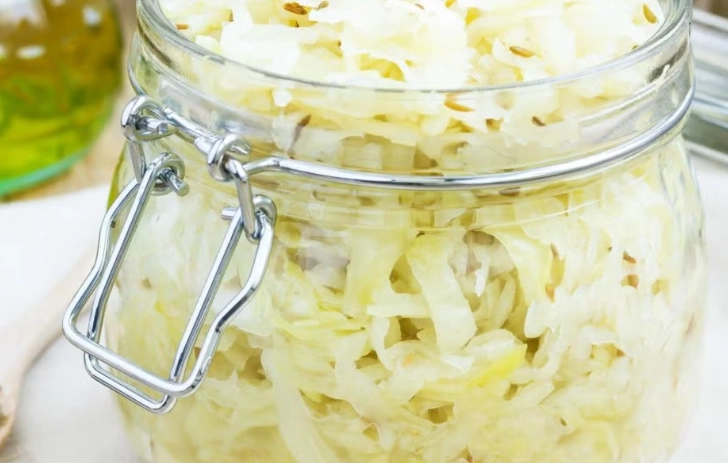
Common Questions About Probiotics and Halitosis
Putting It All Together: A Holistic Action Plan
So, circling back to our burning question: does probiotic help with halitosis? The evidence says yes, it can be a very effective tool, but with major caveats. It's not a standalone miracle.
Think of tackling bad breath like building a healthy garden:
- Clear the Weeds: That's your daily brushing, flossing, and tongue scraping. Non-negotiable foundation.
- Fix the Soil: See your dentist to treat any cavities, gum disease, or other underlying issues. Ensure the basic environment is healthy.
- Plant the Right Seeds: Introduce a high-quality, oral-specific probiotic strain (like L. salivarius or S. salivarius K12) consistently for at least a month.
- Water and Feed: Stay hydrated to avoid dry mouth, consider xylitol gum, and eat a balanced diet. Manage lifestyle factors like smoking and alcohol.
- Be Patient and Observe: Give the ecosystem time to rebalance. Monitor your progress.
My own experience mirrored this. Probiotics didn't magically cure my halitosis on day one. But when combined with meticulous cleaning, they helped me achieve a level of freshness that felt more stable and intrinsic, less dependent on constant mints and sprays. The morning breath was less aggressive, and my mouth simply felt healthier throughout the day.
It's a more sophisticated approach than just killing everything in sight. It's about fostering a peaceful, balanced community in your mouth where the good guys naturally keep the smelly ones in check. And in the long run, that's a strategy that makes a lot of biological sense. Is it worth trying? If you've handled the basics and are still searching for answers, the science suggests it absolutely is.
Just remember to manage your expectations, pick the right tool for the job, and give it time to work. Your breath—and the people you talk to—will likely thank you.