Let's be honest. Flossing is a chore. You know you should do it, but that awkward string dance between your teeth feels more like a punishment than part of your health routine. I was the same. For years, I'd floss inconsistently, my gums would bleed occasionally, and I just accepted it as normal. Then my hygienist pointed out some persistent inflammation in a hard-to-reach spot behind my molar. "Ever tried a water flosser?" she asked, almost offhandedly. That question changed my entire oral care game.
Oral irrigation, or water flossing, isn't just a fancy gadget for people who hate string floss. It's a targeted tool with specific, science-backed advantages that address gaps in traditional cleaning. Think of it less as a replacement for flossing and more as a power washer for your mouth—it tackles jobs that string floss and brushing simply can't reach effectively.
What You'll Learn in This Guide
The 5 Science-Backed Benefits You Can Actually Feel
Forget the vague marketing claims. Here’s what consistent oral irrigation actually does, based on research and clinical observation.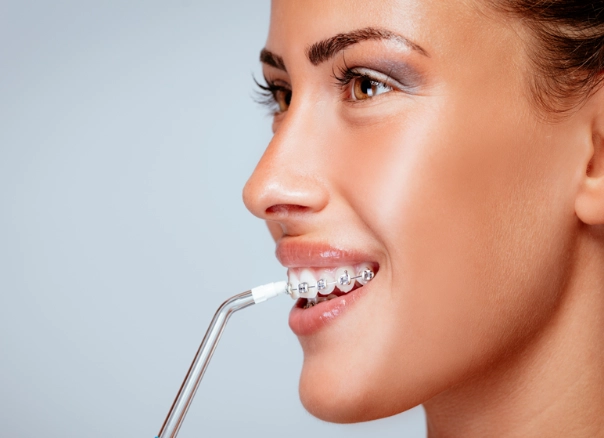
1. It Reduces Gingivitis and Bleeding Gums (The Proof is in the Pulsation)
This is the big one. Multiple studies, including a meta-analysis published in the Journal of Clinical Periodontology, have shown that adding a water flosser to your routine is significantly more effective than string floss alone at reducing gingivitis and bleeding. Why? The pulsating stream of water doesn't just dislodge food; it disrupts and flushes out the bacterial biofilm (plaque) from below the gumline and from the sulcus—the tiny groove where your gum attaches to the tooth. String floss can scrape plaque off tooth surfaces, but that hydrodynamic action of water getting into the pocket is uniquely powerful for gum health.
I noticed the difference within two weeks. The slight tenderness when I brushed was gone.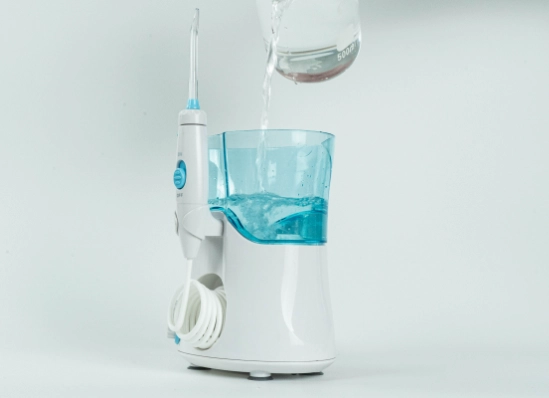
2. It’s a Game-Changer for Dental Work and Appliances
If you have braces, bridges, implants, or permanent retainers, this tool is non-negotiable. Food and plaque love to hide in the nooks and crannies around brackets, wires, and under false teeth. String floss is nearly useless here. A water flosser with an orthodontic tip can blast debris out from under wires and around brackets effortlessly. For implants and bridges, specialized tips allow you to clean around the abutments, which is critical for preventing peri-implantitis, a major cause of implant failure.
3. It Reaches Where Brushing and Flossing Can't
Deep periodontal pockets, crowded teeth, and the very back of your wisdom teeth (if you still have them) are notoriously difficult to clean. The water stream can access these areas much more effectively than physical tools. It’s also brilliant for cleaning around exposed tooth roots due to gum recession—areas that are often sensitive to the scraping of string floss.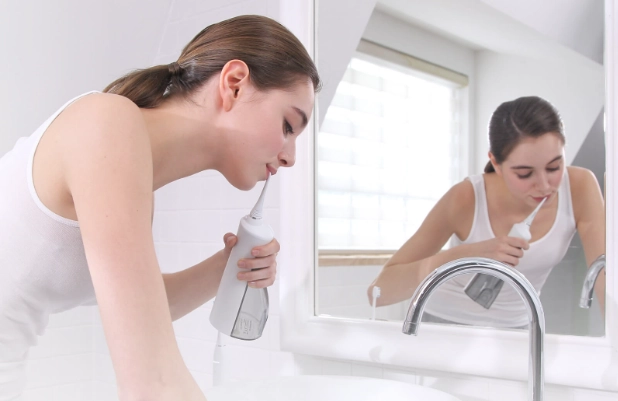
4. It Can Improve Bad Breath (Halitosis) at the Source
Bad breath often originates from the back of the tongue and from rotting food particles trapped in periodontal pockets. While a tongue scraper handles the tongue, an oral irrigator is excellent at flushing out those anaerobic bacteria from deep gum pockets that cause sulfurous odors. It's a more complete clean.
5. It Makes the Process Easier and More Consistent
This is the psychological benefit. Because it's faster, less fiddly, and gives you that satisfying "clean" feeling, you're more likely to do it every day. Consistency is 90% of the battle in oral hygiene. If a tool gets you to clean interdentally daily when you used to skip it, that’s a massive win.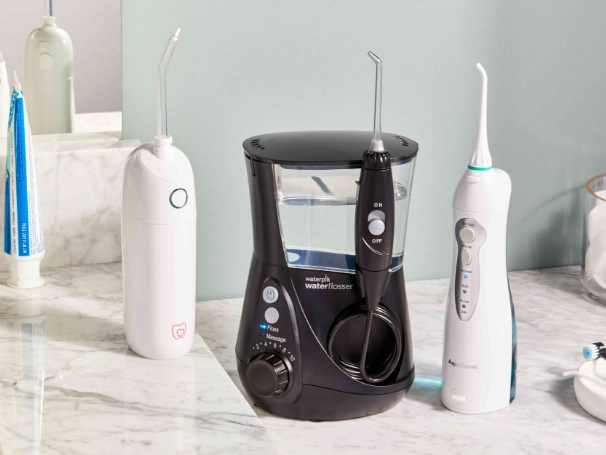
Who Needs an Oral Irrigator Most? (Spoiler: It Might Be You)
While anyone can benefit, certain groups will see a dramatic return on investment.
- Brace Face Warriors: As mentioned, it's essential. It cuts cleaning time in half and prevents white spots (decalcification) around brackets.
- People with Bridges, Implants, or Crowns: Protects your expensive dental work.
- Those with Chronic Gum Issues: If your hygienist is always lecturing you about bleeding or inflammation, this is your best home-care ally.
- Individuals with Arthritis or Dexterity Issues: Holding string floss can be painful or impossible. Gripping a water flosser handle is much easier.
- Anyone Who Just Hates Flossing: If the barrier is psychological or practical, remove it. A tool you'll use is infinitely better than a perfect tool you avoid.
How to Choose the Right Oral Irrigator: Countertop vs. Cordless
This isn't just about brand loyalty. The type you choose should fit your lifestyle and primary need.
Countertop Models (like Waterpik Classic): These are the powerhouses. They have larger reservoirs (so you don't need to refill mid-clean), more consistent and adjustable pressure settings (often 10+), and typically come with a wider array of specialized tips. They're ideal for home use, especially if your primary goal is therapeutic (managing gum disease, cleaning extensive dental work). The downside? They take up counter space.
Cordless/Rechargeable Models (like Waterpik Cordless Advanced): Portability is king here. They're smaller, easier to travel with, and great for smaller bathrooms. The pressure is usually very good, though the reservoir is smaller (you'll often need to refill it once during a session). This is my personal pick because I travel frequently. The convenience means I never skip a day.
The Biggest Mistake People Make (And How to Avoid It)
Here's that "10 years of experience" insight: Most people use the pressure setting all wrong.
New users often think, "Higher pressure = cleaner." They crank it to max and blast their gums into submission. This is painful, can cause tissue damage, and even drive bacteria deeper into pockets if you're not careful. It's like using a firehose to wash your car—you'll do more harm than good.
The Right Way: Start on the lowest setting. Place the tip in your mouth, then turn the unit on. Aim the tip at a 90-degree angle to the gumline, starting with the back teeth and moving forward. Let the water flow along the gumline, pausing briefly between teeth. You should feel a gentle flushing sensation, not pain. Gradually increase the pressure over days or weeks as your gums become healthier and less sensitive. The goal is effective cleaning, not punishment.
Another subtle error? Not replacing the tips. They wear out and can harbor bacteria. Change them every 3-6 months, just like your toothbrush.
Your Top Water Flosser Questions, Answered
The bottom line on oral irrigation benefits isn't about choosing sides in a flossing war. It's about adding a powerful, targeted tool to your arsenal. It solves specific problems that brushing and flossing alone struggle with, particularly for gum health and cleaning around dental work. It turns a chore into a quick, effective, and almost satisfying part of your day. For me, that clean, massaged feeling my gums have after using it is something I never got from a piece of string. And sometimes, that little bit of positive feedback is all it takes to build a habit that actually lasts.