- The Core of the Controversy: Why Do People Think Lemons Are Bad?
- The Real Culprit: It's Not the Lemon, It's the Acid (and the How)
- How Your Mouth Fights Back: The Saliva Superpower
- Lemon Consumption: A Risk Spectrum (From Safe to Seriously Risky)
- Protecting Your Teeth: A Practical, No-Nonsense Guide
- Top Strategies to Neutralize the Acidic Impact
- Beyond the Myth: Other Acids Hiding in Plain Sight
- Answers to Your Burning Questions (The Stuff You're Actually Searching For)
- The Expert Angle: What Do Dentists Really Say?
- Final Verdict: Myth, Truth, or Somewhere in Between?
So, you've probably heard it a thousand times. Maybe from a friend, a family member, or even scrolled past a scary headline online: "Lemons are terrible for your teeth!" "The acid will melt your enamel!" It's one of those pieces of health advice that gets passed around so often it starts to feel like an undeniable truth. I used to believe it myself. I'd look at a glass of lemon water with a sense of guilt, wondering if my quest for hydration and a vitamin C boost was secretly destroying my smile.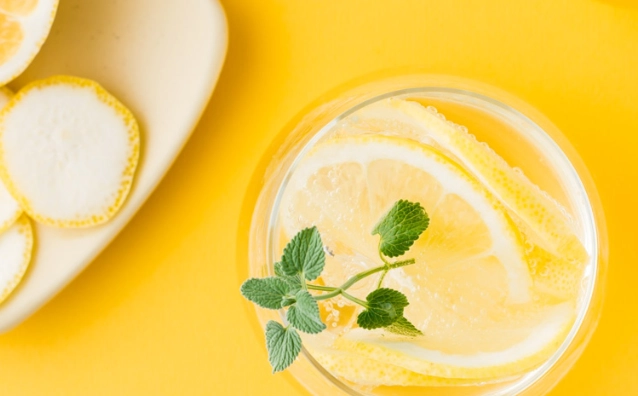
But here's the thing. After digging into the actual science and talking to dental professionals (and changing my own habits), I realized the whole "lemons bad for teeth" narrative is, well, mostly a myth. Or at least, a massive oversimplification. It's not that lemons are innocent angels for your enamel—they're acidic, that's a fact—but labeling them as public enemy number one for dental health misses the bigger, more important picture.
Let's peel back the layers on this pervasive lemons bad for teeth myth and get to the juicy truth.
The Core of the Controversy: Why Do People Think Lemons Are Bad?
It all starts with pH. You might remember this from school science class. The pH scale measures how acidic or alkaline something is, from 0 (super acidic, like battery acid) to 14 (very alkaline, like bleach). Pure water sits right in the middle at 7, which is neutral.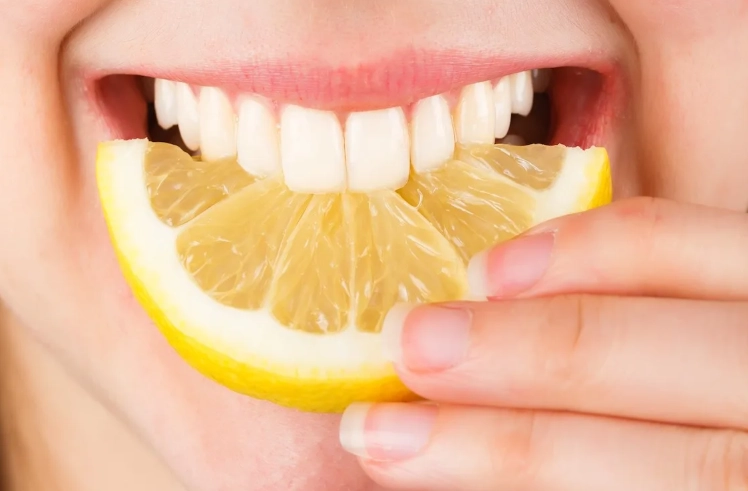
Lemon juice is acidic. Very acidic. Its pH can be as low as 2, thanks primarily to citric acid. Tooth enamel, the hard, shiny outer layer of your teeth, is the hardest substance in the human body—even harder than bone. But it has a key weakness: it begins to demineralize, or soften and dissolve, when exposed to a pH level below 5.5. This process is called acid erosion.
See the connection? Lemon juice at pH 2 is way below that critical 5.5 threshold. So, logically, if you bathe your teeth in pure lemon juice, you're asking for trouble. This is the simple, scary logic that fuels the lemons bad for teeth myth. It's not completely baseless, but it's like saying "driving is dangerous" and therefore you should never get in a car. It ignores context, frequency, and most crucially, behavior.
The Real Culprit: It's Not the Lemon, It's the Acid (and the How)
This is where we need to shift our thinking. Citric acid isn't exclusive to lemons. It's in oranges, grapefruits, limes, berries, pineapples, and even tomatoes and wine. If we were to ban every acidic food, our diets would be incredibly boring and we'd miss out on tons of nutrients.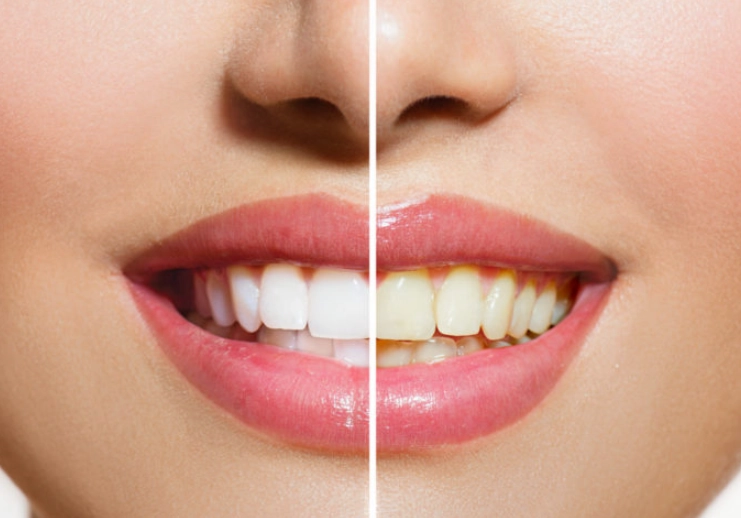
The problem isn't the presence of acid alone. The real villains are:
- Frequency and Duration of Exposure: Sipping on lemon water all day long is far more harmful than quickly eating a lemon slice. It's a constant acid bath that doesn't give your saliva—nature's amazing neutralizer—a chance to do its job and remineralize your enamel.
- Form and Concentration: Drinking diluted lemon juice in a large glass of water is vastly different from holding undiluted juice in your mouth or sucking on a candy with lemon powder.
- Combination with Abrasion: The single worst thing you can do? Brush your teeth immediately after consuming something acidic. The acid temporarily softens the enamel, and brushing then acts like sandpaper on that softened surface, accelerating wear. This is a critical point most people miss.
So, when you hear the blanket statement in the lemons bad for teeth myth, it's failing to account for these crucial behavioral factors. A squeeze of lemon in your morning water, consumed with a meal, followed by proper oral hygiene? That's a world apart from the doom scenario the myth often paints.
How Your Mouth Fights Back: The Saliva Superpower
Your saliva is your mouth's built-in defense system, and it's brilliant. It does three key things:
- Dilutes and Washes Away acids and food particles.
- Neutralizes Acids thanks to its bicarbonate content, helping to bring the pH in your mouth back to a safe level.
- Remineralizes Enamel by depositing calcium and phosphate ions back onto the tooth surface.
When you give your saliva time to work—by not constantly sipping acidic drinks—it can effectively protect your teeth.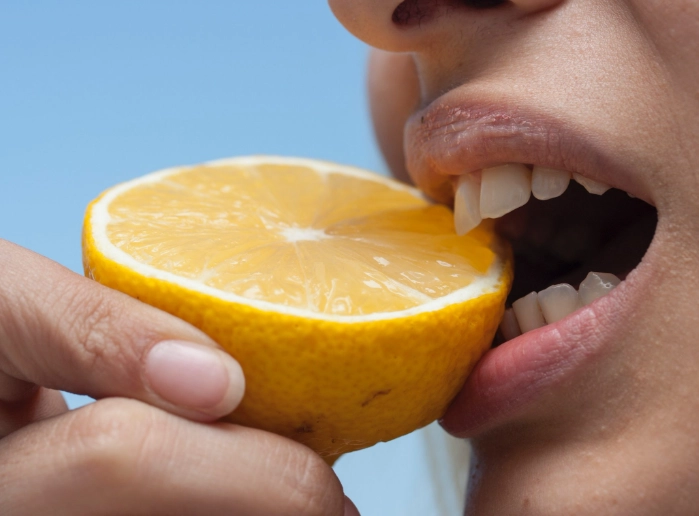
Lemon Consumption: A Risk Spectrum (From Safe to Seriously Risky)
Not all ways of consuming lemons are created equal. Let's break it down visually. This table shows how the risk changes based on your habits—it was a real eye-opener for me when I mapped it out.
| Activity | Risk Level for Enamel | Why? | Smart Alternative |
|---|---|---|---|
| Sucking on a lemon wedge or candy | Very High | Prolonged, concentrated acid contact in one spot. Saliva can't circulate effectively. | Avoid this habit entirely. If you want lemon flavor, use a diluted drink and swallow promptly. |
| Drinking pure, undiluted lemon juice as a "shot" | High | High acid concentration bathing all teeth, though contact time is shorter. | Always dilute significantly with water. Drink it quickly, not as a slow sip. |
| Using lemon juice as a DIY teeth whitener (rubbing it on teeth) | Extremely High | This is one of the worst ideas. It combines acid with direct, forceful abrasion. It doesn't whiten; it erodes. | Never do this. For whitening, consult a dentist for safe options like professional treatments or dentist-recommended kits. |
| Sipping diluted lemon water all day long | Moderate to High | Creates a persistently acidic oral environment. Saliva never gets a chance to neutralize. | Drink it within a 15-20 minute window, preferably with a meal. Use a straw to bypass teeth. |
| Having a glass of lemon water with breakfast (diluted, drunk in one sitting) | Low | Acid is diluted, contact time is limited, and food helps buffer the acid. Saliva has time to recover afterward. | This is generally safe. Follow with a water rinse. Wait 30+ mins before brushing. |
| Using lemon zest in cooking | Very Low | The zest contains the flavorful oils, not the concentrated juice. Minimal acid contact. | A great way to get lemon flavor without the acid bath! |
The main takeaway? It's all about how you do it. The myth makes it sound like any contact is catastrophic, but as you can see, context is everything.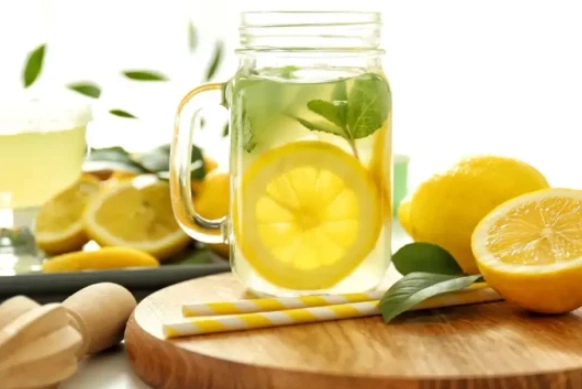
Protecting Your Teeth: A Practical, No-Nonsense Guide
Okay, so you want to enjoy lemons without fretting over the lemons bad for teeth myth. Here's your actionable plan. Think of these as your dental defense commandments.
Top Strategies to Neutralize the Acidic Impact
- Dilute, Dilute, Dilute. This is rule number one. A squeeze in a large glass of water or a pitcher is fine. The more diluted, the better.
- Use a Straw. Seriously, it's a game-changer. A reusable straw directs the liquid past your front teeth (which are often most affected by erosion) and toward the back of your mouth.
- Drink It With Meals. Eating stimulates saliva flow, which is your natural acid neutralizer. The food itself also helps buffer the acid. Having your lemon water alongside your breakfast or lunch is much smarter than nursing it alone as a mid-morning snack.
- Don't Swish or Hold It. Drink it. Don't let it linger in your mouth. The longer the contact time, the greater the potential for demineralization.
- Follow with Plain Water. After you finish your lemon drink, take a few good swigs of plain water. This helps rinse away residual acid and speeds up the pH recovery in your mouth.
- Wait Before Brushing. I can't stress this enough. Wait at least 30 minutes, ideally 60, after any acidic food or drink before you brush your teeth. Let your saliva do its remineralizing magic first. The American Dental Association (ADA) clearly advises this waiting period to protect enamel.
- Chew Sugar-Free Gum. If you can't rinse with water, pop in a piece of sugar-free gum (especially one with xylitol). It stimulates saliva flow like nothing else, helping to wash away acid and neutralize your mouth faster.
Beyond the Myth: Other Acids Hiding in Plain Sight
If we're going to worry about lemons, we should be aware of the other common dietary acids that pose a similar—and sometimes greater—risk because we consume them more frequently or in sneakier ways.
- Carbonated Drinks (Even Diet/Sugar-Free): The carbonation process creates carbonic acid. Colas and many other sodas also contain phosphoric acid and/or citric acid. They are a triple threat. Sipping soda all day is arguably worse than lemon water.
- Sports Drinks & Energy Drinks: These are often highly acidic and designed to be consumed slowly during activity, leading to prolonged exposure. They're a dentist's nightmare.
- Fruit Juices: Apple juice, orange juice, grapefruit juice. They're all acidic. Their "healthy" aura often makes people overlook their erosive potential.
- Vinegar-based Foods: Salad dressings, pickles, ketchup. Vinegar is acetic acid.
- Wine: Both red and white wine are acidic. White wine tends to have a lower pH.
Focusing solely on lemons while ignoring these is like fixing a leaky faucet while a pipe is bursting in the basement.
Answers to Your Burning Questions (The Stuff You're Actually Searching For)
Not necessarily, if done smartly. A glass of well-diluted lemon water drunk relatively quickly with your breakfast is low risk. The problems start if it's highly concentrated, or if you sip it slowly for an hour while working. The key is to not make it a prolonged event. Rinse with plain water afterward and wait before brushing.
This is a dangerous misconception. Lemon juice does not whiten teeth. The acid can etch away the surface enamel, which might temporarily remove some surface stains, making teeth appear slightly brighter. But this is erosion, not whitening. As the thinner enamel reveals more of the yellowish dentin underneath, your teeth can actually become more yellow over time. It's a terrible, damaging practice. For safe whitening, talk to your dentist.
Watch for increased sensitivity to hot, cold, or sweet things. Visually, teeth may appear more translucent at the biting edges, or they might look slightly yellower (as thinner enamel shows more dentin). You might also notice that fillings seem to start "sticking out" as the enamel around them wears away. If you see or feel any of this, it's time to visit your dentist.
Absolutely. People with conditions that reduce saliva flow (like Sjögren's syndrome, or as a side effect of many medications), those with acid reflux (GERD), or individuals with habits like teeth grinding (bruxism) have enamel that's more vulnerable to acid attack. If you fall into any of these categories, you need to be extra vigilant with acidic foods and drinks.
The Expert Angle: What Do Dentists Really Say?
To move beyond the lemons bad for teeth myth, it helps to see what authoritative sources recommend. I'm not a dentist, but I trust the consensus of major dental organizations.
For instance, the American Dental Association (ADA) doesn't have a page titled "Ban Lemons!" Instead, they offer balanced guidance on acidic foods and drinks in general. Their advice centers on moderation, using a straw, rinsing with water, and waiting to brush. You can find their general advice on diet and oral health on their public-facing MouthHealthy website.
Similarly, reputable health information providers like the Mayo Clinic discuss dental erosion in the context of dietary acids and medical conditions like GERD, not singling out lemons as a unique villain. Their focus is on the mechanism of erosion and protective behaviors.
The consistent message from experts isn't fear-mongering about specific foods; it's about educating on the science of acid and promoting smart habits that allow for a balanced diet. That's a much more helpful approach than the simplistic myth.
Final Verdict: Myth, Truth, or Somewhere in Between?
Let's wrap this up.
MYTH BUSTED: The blanket statement "lemons are bad for your teeth" is a myth. It's an oversimplification that causes unnecessary fear and ignores the critical role of behavior.
TRUTH UNCOVERED: The citric acid in lemons can contribute to enamel erosion if teeth are exposed to it frequently, for long durations, or in concentrated forms, especially when combined with bad habits like immediate brushing.
The real answer lies in the middle ground. Lemons aren't a health food for your teeth, but they aren't a poison either. They are a normal part of a varied diet that contains many acidic items. The goal isn't elimination; it's smart management.
So, go ahead. Enjoy that lemon in your tea, your water, or your salad dressing. Be mindful. Dilute it. Drink it with food. Use a straw. Rinse with water. And for the love of your enamel, wait before you brush.
By understanding the science behind the scare, you can finally put the tired old lemons bad for teeth myth to rest and smile confidently, citrus and all.