Quick Guide
- What Exactly Is a Sleep Apnea Mouth Device and How Does It Work?
- Who's a Good Candidate (And Who Should Steer Clear)?
- The Top 3 Types of Sleep Apnea Mouth Devices: A Detailed Comparison
- The Step-by-Step Process: From Snoring to Treatment
- Real Talk: Benefits, Side Effects, and What to Expect
- Critical Questions You Need to Ask Your Dentist
- Maintenance and Care: Making Your Device Last
- FAQs: Answering Your Burning Questions
- Final Thoughts: Is It Worth Exploring?
Let's be honest. The CPAP machine, that gold standard for sleep apnea, can feel like sleeping with a leaf blower strapped to your face. The noise, the mask marks, the feeling of being tethered to a bedside spaceship – it's enough to make anyone want to throw the whole thing out the window. I've talked to so many people who have a $1000 paperweight in their closet because they just couldn't stick with it.
That's where the idea of a sleep apnea mouth device starts to look pretty appealing. It's small, it's quiet, and it doesn't involve a hose. But is it just a fancy, expensive boondoggle, or can it actually help you breathe better at night? The answer isn't simple, and that's exactly why we need to dig deep.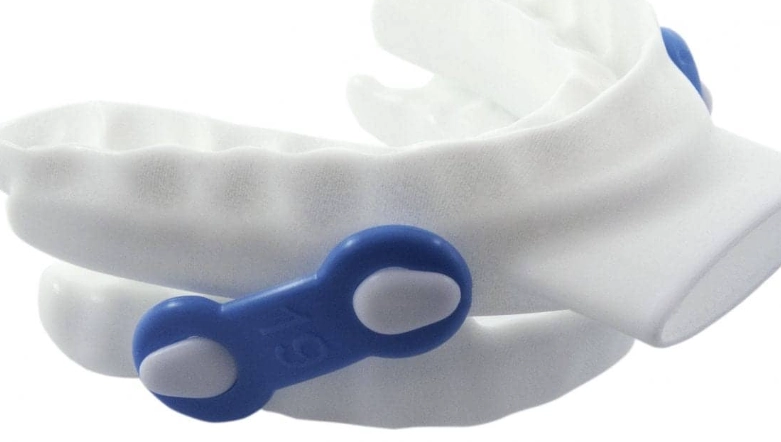
This isn't about a quick sales pitch. We're going to walk through everything – the good, the bad, the slightly weird feeling of having a piece of plastic in your mouth all night. By the end, you'll know exactly what these devices are, who they might help (and who they won't), and how to navigate the process of getting one that actually fits and works.
What Exactly Is a Sleep Apnea Mouth Device and How Does It Work?
At its core, a mouth device for sleep apnea is a custom-fit or adjustable oral appliance you wear while you sleep. Its job is to physically keep your airway open. Think of it like this: when you fall asleep, the muscles in your throat and tongue relax. For some people, they relax so much that they collapse backward, blocking the airway. That blockage is what causes the choking, snoring, and breathing pauses of obstructive sleep apnea (OSA).
These devices work on two main principles, which is why you'll hear about two main types.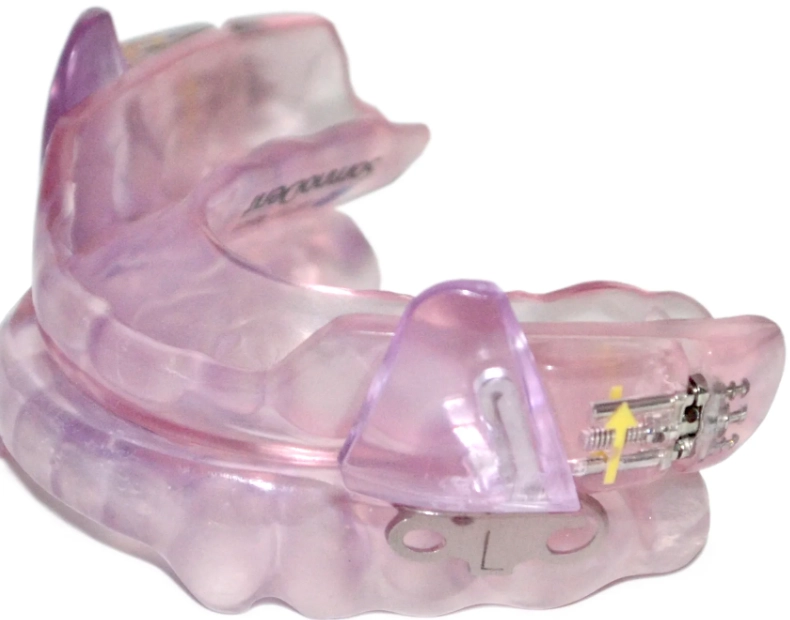
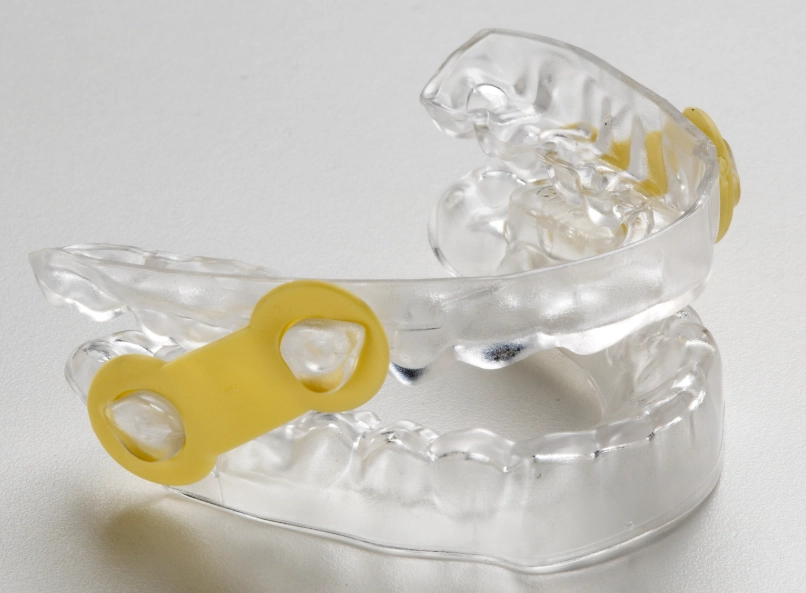
Mandibular Advancement Devices (MADs) are the most common. They look a bit like a sports mouthguard but with a clever hinge. They fit over your upper and lower teeth and gently, but firmly, hold your lower jaw (the mandible) forward. By pulling the jaw forward, you also pull the base of the tongue and the soft tissues in the throat forward, which opens up the space in the back of your throat. More space means less collapse, less snoring, and fewer apnea events. It's a mechanical solution to a mechanical problem.
Tongue Retaining Devices (TRDs) take a different approach. Instead of moving the jaw, they use a small suction bulb to hold the tip of your tongue forward. This keeps the tongue from falling back into the airway. They can be a great option for people who can't use a MAD – maybe because they have no teeth, poor dental health, or jaw problems. Honestly, the idea of a suction bulb on your tongue sounds a bit strange, and some people find it harder to get used to than a MAD, but for the right person, it's a game-changer.
Now, you might see a ton of over-the-counter "anti-snoring" mouthpieces online for $50. Are those the same thing? Not really. A professionally-fitted oral appliance for sleep apnea is a medical device. The fitting process, the adjustability, and the follow-up care are what make it an actual treatment, not just a snore reducer. The American Academy of Dental Sleep Medicine (AADSM) is clear on this – effective treatment requires professional oversight. You can check out their patient resources for more on why that professional guidance matters so much.
Who's a Good Candidate (And Who Should Steer Clear)?
This is the million-dollar question. These devices aren't magic, and they're not for everyone. Based on clinical guidelines and a lot of patient stories, here's the breakdown.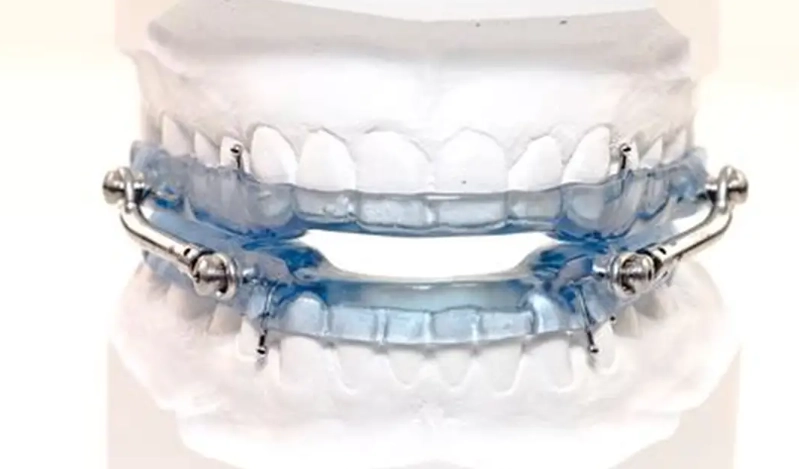
You might be an excellent candidate for a sleep apnea mouthpiece if:
- You have mild to moderate obstructive sleep apnea. For severe cases, CPAP is usually still the first-line recommendation because it's more predictably powerful at delivering air pressure.
- You are a primary snorer (without significant apnea) looking for relief.
- You've tried CPAP and failed or refuse to use it. This is called "CPAP intolerance," and it's a very common, valid reason to explore alternatives.
- You need a portable, travel-friendly solution. Tossing a small case in your bag is a lot easier than lugging a CPAP machine through airport security.
- You have healthy teeth and gums. These devices put pressure on your teeth, so you need a solid foundation.
You should probably look at other options if:
- You have severe sleep apnea (AHI >30). While oral devices can sometimes be used, it requires very close monitoring. The American Academy of Sleep Medicine (AASM) notes that CPAP is the recommended first-line treatment for severe OSA for a reason.
- You have central sleep apnea (where your brain doesn't signal your muscles to breathe). Mouth devices don't help with this neurological issue.
- You have poor dental health, severe gum disease, many missing teeth, or TMJ (jaw joint) disorders. A dentist specializing in sleep apnea needs to evaluate this first.
- You have limited jaw mobility or a very small jaw that can't be advanced enough.
See a pattern? It all comes down to a proper diagnosis and a professional evaluation. You can't guess your way into this.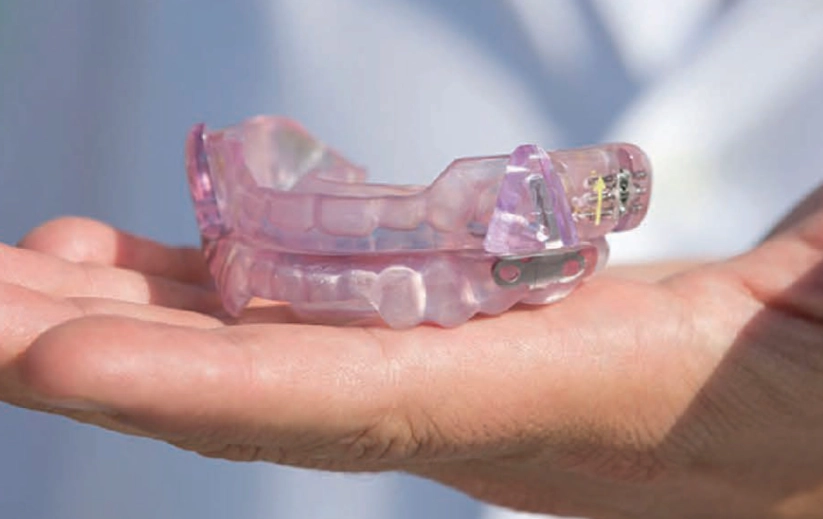
The Top 3 Types of Sleep Apnea Mouth Devices: A Detailed Comparison
Not all devices are created equal. Some are fully custom-made from dental impressions. Others are "boil-and-bite" adjustable models you get from a dentist. Let's break down the main categories you'll encounter.
| Type | How It's Made & Fitted | Pros | Cons | Best For Whom? |
|---|---|---|---|---|
| Custom, Laboratory-Made MADs | Your dentist takes precise impressions or digital scans of your teeth. These are sent to a specialized dental lab to craft a one-of-a-kind device. | Superior comfort and fit. More durable materials. Allows for precise, incremental adjustment. Often considered the most effective. | Most expensive option (can range from $1,500 - $2,500+). Takes a few weeks to produce. Requires multiple dental visits. | People committed to long-term therapy who want maximum comfort, precision, and effectiveness. |
| Dentist-Dispensed, Adjustable MADs | Your dentist provides a high-quality, pre-fabricated device that is then customized in the office using a "boil-and-bite" or thermo-adjustable process. | Significantly lower cost than custom lab devices. Can be fitted in a single visit. Still allows for professional titration (adjustment). | Fit may not be as perfect as a lab-made device. Materials may be less durable over many years. | Great entry point for someone wanting to try oral appliance therapy without the full custom investment upfront. |
| Tongue Retaining Devices (TRDs) | Usually a standard design with a suction bulb. Sized and sometimes slightly customized for the user. | Works without engaging the teeth or jaw. Good option for people with no teeth, TMJ issues, or dental problems. | Can feel very foreign. May cause excessive salivation or tongue discomfort initially. Suction can weaken over time. | A specific niche: patients who cannot tolerate or use a MAD due to dental limitations. |
My personal view? If you can afford it and you're serious about treating your apnea, the investment in a custom, lab-made device from a qualified dentist is often worth it. The fit is just night-and-day better. I've heard from people who tried a cheaper online option first, hated the discomfort, and then were amazed at the difference a properly made one made. That said, the dentist-dispensed adjustable ones are a fantastic middle ground and have helped countless people.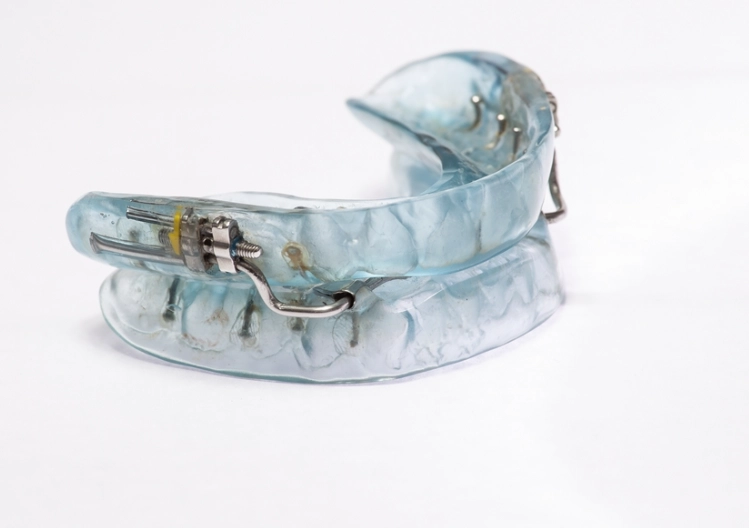
The Step-by-Step Process: From Snoring to Treatment
So, how do you actually get one of these things? It's not like buying a pillow. Here's the typical journey, which emphasizes why professional care is non-negotiable.
Step 1: Get a Proper Sleep Study
You can't treat what you haven't diagnosed. You need a sleep study (polysomnogram) or a home sleep apnea test to confirm you have obstructive sleep apnea and determine its severity (your AHI, or Apnea-Hypopnea Index). This is usually ordered by your primary care doctor or a sleep medicine physician.
Step 2: Consultation with a Sleep Dentist or Qualified Dentist
Not every dentist does this. You want one with training in dental sleep medicine. They'll examine your mouth, jaw, airway, and teeth. They'll review your sleep study and discuss your symptoms. This is where they'll tell you if you're a candidate or if there are red flags (like that loose molar in the back).
Step 3: Taking Impressions and Fitting
If you move forward, they'll take molds of your teeth. For a lab-made device, these impressions are sent off. A few weeks later, you come back for the fitting. They'll show you how to insert, remove, and clean it. They'll also set the initial jaw advancement position – usually starting very conservatively to help you adapt.
Step 4: The Titration Phase (This is Crucial!)
This is the most important part that DIY kits completely miss. You don't just get the device and that's it. You start by wearing it for short periods, then all night. You go back for follow-up visits (often after 1 week, 1 month, and 3 months). The dentist will gradually, millimeter by millimeter, adjust the device to advance your jaw further to the optimal therapeutic position. This minimizes side effects and finds the spot where your apnea is controlled. Sometimes, a follow-up sleep study with the device in place is needed to confirm it's working.
Skipping titration is like getting glasses without the optometrist fine-tuning the prescription. You might see better, but not clearly, and you'll probably get a headache.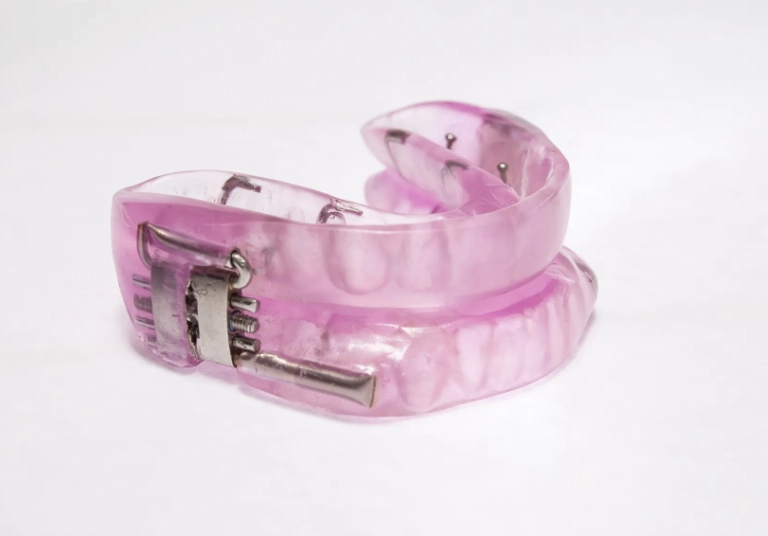
Real Talk: Benefits, Side Effects, and What to Expect
Let's get into the nitty-gritty of daily life with one of these devices.
The Good Stuff (The Benefits):
- High Efficacy for Mild/Moderate Cases: When properly fitted and titrated, studies show these devices can be highly effective, normalizing breathing in a large percentage of patients.
- Compliance is Higher: People are simply more likely to use a mandibular advancement device every night compared to CPAP. It's less intrusive.
- Quiet and Portable: The only sound is maybe a bit of extra saliva at first. Travel is a breeze.
- Snoring Reduction: Often, snoring is drastically reduced or eliminated, which is a huge relief for bed partners.
- Improved Energy & Focus: Like any effective apnea treatment, you get real sleep back, which means less daytime fatigue.
The Not-So-Good Stuff (Side Effects & Drawbacks):
- Temporary Discomfort: Jaw soreness, tooth tenderness, and excessive salivation are very common for the first few weeks. It usually fades as your muscles adapt.
- Permanent Bite Changes: This is the big one. After wearing it all night, you might wake up and feel like your teeth don't fit together perfectly for 10-30 minutes. For most people, this is temporary. For some, minor, permanent shifts in tooth alignment can occur over years of use. A well-designed device and regular dental check-ups help manage this.
- Dry Mouth or Lip Discomfort: Your mouth is open a bit, which can lead to dryness. Some devices have a lip shield to help.
- TMJ Flare-Ups: If you have a history of jaw joint problems, the forward pressure can aggravate it. This is why the screening is so important.
- Cost and Insurance Hassles: It's expensive, and while more insurance plans are covering it, it can be a battle. Medicare, for example, now covers oral appliance therapy for OSA under certain conditions, but the rules are specific. You'll need to check the Centers for Medicare & Medicaid Services (CMS) guidelines or your own insurer's policy.
Critical Questions You Need to Ask Your Dentist
Walking into a consultation informed is power. Don't be shy – ask these questions.
- What is your specific training and experience in dental sleep medicine? (Look for affiliations with the AADSM).
- Based on my sleep study and examination, what is your estimated success rate for a device like this for my specific case?
- What type of device do you recommend for me and why? (Custom lab vs. adjustable).
- Can you walk me through your titration and follow-up schedule? How do you determine when the position is correct?
- What are the most common side effects you see in your practice, and how do you help patients manage them?
- Do you coordinate with my sleep physician? Will you recommend a follow-up sleep test to verify efficacy?
- What is the total cost, including all visits, fittings, adjustments, and the device itself? What is your experience with my insurance?
- What is the warranty on the device? What happens if it breaks or needs repair?
Maintenance and Care: Making Your Device Last
Treat this thing like the medical device it is. Good care prevents problems and keeps it hygienic.
- Daily Cleaning: Brush it gently with a soft toothbrush and cool water. You can use a bit of mild soap. Never use toothpaste, as it's abrasive and will scratch the plastic, creating places for bacteria to hide.
- Weekly Soaking: Use a denture cleaner or a specific appliance cleaning tablet in a glass of cool water.
- Storage: Keep it in its ventilated hard case when not in use. Don't leave it on a nightstand or wrap it in a tissue (easy to throw away!).
- Heat is the Enemy: Never use hot water to clean or rinse it. Heat can warp the plastic and ruin the fit.
- Regular Check-ups: See your dentist every 6 months to a year to check the device's condition, your oral health, and your bite.
FAQs: Answering Your Burning Questions
Final Thoughts: Is It Worth Exploring?
If the hum of a CPAP is the soundtrack to your dread, then yes, absolutely, a sleep apnea mouth device is worth a serious look. It represents a legitimate, clinically-proven alternative for the right person.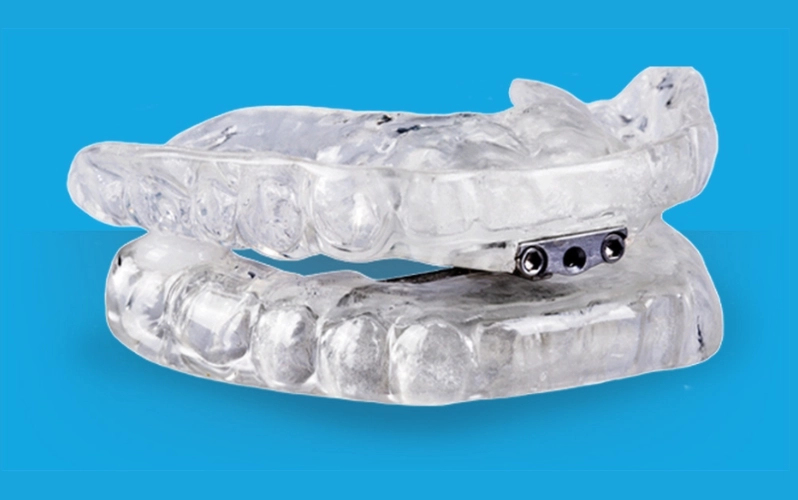
But go in with your eyes open. This isn't a quick online purchase. It's a medical treatment that requires a diagnosis, a skilled professional, a careful fitting process, and patience during the adjustment period. The cost is real, and the potential for side effects exists.
The payoff, though, can be enormous. Waking up feeling truly rested, without the mask and the noise, is a reality for thousands of people who found CPAP impossible. It's about finding a workable solution that fits into your life, so you can finally get the sleep your body desperately needs. Start with a conversation with your doctor and a search for a qualified dental sleep practitioner in your area. That first step might just lead you to quieter nights and more energetic days.
Remember, the goal isn't to use a specific device. The goal is to breathe freely and sleep soundly. Whatever tool safely gets you there is the right one.