That sudden, sharp zing when you sip ice water or bite into something sweet isn't just annoying—it's your teeth sending a distress signal. Tooth sensitivity, or dentin hypersensitivity, happens when the protective layers of your tooth wear down, exposing the microscopic tubes (dentinal tubules) that lead straight to the nerve. The good news? It's often manageable and sometimes completely reversible. I've seen patients transform their daily comfort with a few consistent changes. Let's get straight to what works.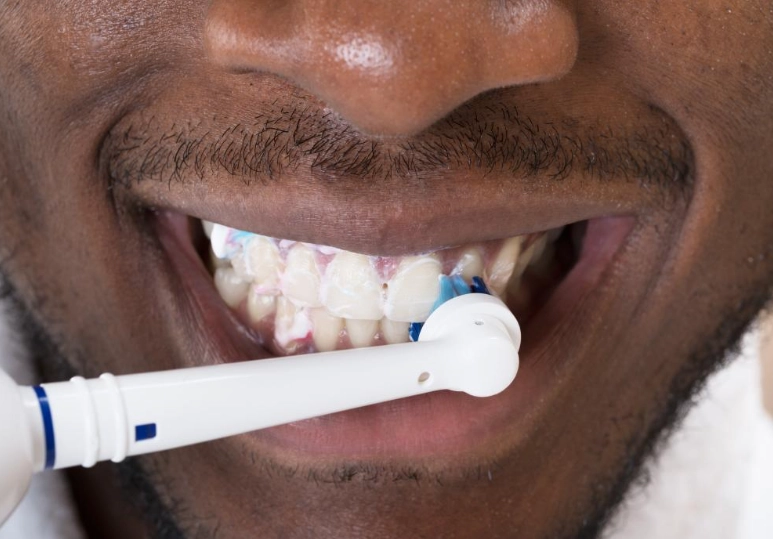
Your Quick Guide to Beating Tooth Sensitivity
What Causes Tooth Sensitivity?
You can't fix a problem without knowing what's causing it. Sensitivity isn't a diagnosis; it's a symptom. Think of your tooth like an onion. The outer layer is enamel, incredibly hard. Underneath is dentin, which is full of those tiny tubes. At the center is the pulp, with nerves and blood vessels. When dentin gets exposed, stimuli travel fast to the nerve.
Here’s what strips away your defenses:
- Overzealous Brushing: This is the big one. Scrubbing sideways with a hard-bristled brush is like using sandpaper on your enamel and gumline. I've measured gum recession in patients who swore they had a "gentle touch." It creeps up on you.
- Acidic Foods and Drinks: Soda, citrus, wine, sports drinks. Acid softens enamel, making it easier to wear away. Sipping on acidic drinks throughout the day is a constant attack.
- Gum Recession: Often from brushing too hard or gum disease. It exposes the tooth root, which is covered by a much softer material called cementum.
- Teeth Grinding (Bruxism): You might not even know you're doing it. This wears down enamel, often flattening the biting surfaces.
- Recent Dental Work: A new filling, crown, or even a professional cleaning can cause temporary sensitivity. It should fade in a few weeks.
- Whitening Products: Most peroxide-based whiteners cause temporary sensitivity by allowing fluids to move more easily in those dentin tubules. It's usually reversible.
A subtle mistake I see all the time: People switch to a "sensitive" toothpaste but continue using a whitening toothpaste in the morning. The abrasives and chemicals in whitening pastes often undermine the desensitizing work. Pick one goal at a time.
How to Reduce Tooth Sensitivity at Home
This is your action plan. Consistency is more important than any magic bullet.
1. Master Your Brushing Technique
Forget everything about "scrubbing." Your goal is plaque removal, not force.
- Tool Upgrade: Get a soft-bristled or extra-soft-bristled toothbrush. Manual or electric is fine, but if you use electric, let the brush do the work—don't press.
- The Motion: Use gentle, circular motions at a 45-degree angle to the gumline. Think "massaging" rather than "scrubbing." Spend a full two minutes.
- Timing is Everything: Don't brush immediately after eating or drinking something acidic (like orange juice). Wait at least 30-60 minutes for your saliva to remineralize and re-harden the enamel.
2. Choose and Use Desensitizing Toothpaste Correctly
Not all sensitive toothpastes are equal, and how you use them matters.

| Key Active Ingredient | How It Works | What to Look For |
|---|---|---|
| Potassium Nitrate | Calms the nerve inside the tooth, reducing its ability to send pain signals. | Great for general, all-over sensitivity. Takes 2-4 weeks of regular use. |
| Stannous Fluoride | Forms a protective layer over exposed dentin tubules and has anti-bacterial properties. | Good if you have sensitivity AND gum issues. Can sometimes cause minor staining. |
| Arginine + Calcium Carbonate | Seals the dentin tubules physically at the surface with a plug-like complex. | Can provide faster relief, sometimes claimed to work within minutes. |
| NovaMin (Calcium Sodium Phosphosilicate) | Reacts with saliva to form a hydroxyapatite-like layer, mimicking tooth structure. | Often found in dentist-prescribed pastes. Excellent for rebuilding protection. |
Pro Tip: Don't rinse immediately after brushing with a desensitizing paste. Spit out the excess, but let the paste residue sit on your teeth. This gives the active ingredients more contact time. Using a fingertip to rub a little paste directly onto a sensitive spot before bed can also help.
3. Manage Your Diet Strategically
It's not just about avoiding things.
- Limit Acid Attacks: Have acidic drinks with meals, not as standalone snacks. Use a straw to bypass your teeth.
- Rinse with Water: After anything acidic or sugary, swish plain water around your mouth to neutralize and wash away residues.
- Cheese & Milk: These are alkaline and rich in calcium. Having a piece of cheese after a meal can help counteract acids.
- Watch for Hidden Acids: Salad dressings (vinaigrettes), some fruits (pineapple, berries), and even sparkling water are acidic.
4. Address Nighttime Grinding
If you wake up with jaw soreness or your partner hears grinding, this is a major culprit. An over-the-counter night guard from the pharmacy is a decent start, but a custom-fit guard from your dentist is far more comfortable and protective. It's an investment that saves your teeth.
Professional Treatments for Sensitive Teeth
When home care isn't enough, or the cause is structural, it's time to see a dentist. These aren't last resorts—they're often the most direct solutions.
- High-Strength Fluoride Varnish or Gel: Applied in-office, this creates a potent barrier. It's a simple, painless procedure that can offer relief for several months.
- Dental Bonding: If you have significant gum recession exposing a sensitive root surface, a dentist can apply a tooth-colored resin to cover it. This instantly blocks the stimuli.
- Gum Grafting: For severe recession, a periodontist can take a small piece of tissue (usually from the roof of your mouth) and attach it to the receded area. It protects the root and improves aesthetics.
- Root Canal Therapy: This sounds extreme, but if one specific tooth is unbearably sensitive and other treatments fail, a root canal removes the nerve entirely. It's a definitive solution for that tooth. The American Association of Endodontists notes it's a highly effective treatment for persistent hypersensitivity.
One case that stuck with me: a patient with a "wedge-shaped" defect at the gumline from decades of hard brushing. Bonding material filled the defect, and teaching her a soft brushing technique stopped it from getting worse. The relief was immediate.
Your Sensitive Teeth Questions, Answered
Can sensitive toothpaste really fix my problem, or is it just masking pain?
It depends on the ingredient. Potassium nitrate works on the nerve, so it's more like managing the symptom. Ingredients like stannous fluoride, arginine, or NovaMin actively work to seal the tubules or build a new protective layer—they're addressing the structural cause. For lasting results, you need the latter type, combined with correcting the habits that caused the exposure in the first place.
I started using whitening strips, and now my teeth are sensitive. What should I do?
Stop the whitening immediately. This is a classic reaction. Switch to a desensitizing toothpaste (look for potassium nitrate or stannous fluoride) exclusively for at least 4-6 weeks. You can also apply a tiny dab of the paste to sensitive areas for 5-10 minutes before brushing. The sensitivity should subside. When you restart whitening, do it less frequently (e.g., every other day) and consider products with lower peroxide concentrations or built-in desensitizing agents.
My sensitivity comes and goes. Why isn't it constant?
That's actually very common and points to a few things. Your dentin tubules have a natural ability to plug themselves up with minerals from your saliva over time. An acid attack (like a soda) can dissolve those plugs, reopening the channels and causing a flare-up. Hydration also plays a role—dry mouth can increase sensitivity. Tracking when it happens (after specific foods, when you're stressed and grinding, during allergy season with mouth breathing) can help pinpoint your personal triggers.
Is there a link between sensitive teeth and cavities?
They can feel similar, but they're different processes. A cavity is a localized bacterial infection that destroys tooth structure. Sensitivity is often broader, affecting areas of exposed dentin. However, a cavity can certainly cause sensitivity as it gets closer to the nerve. And poor habits that cause sensitivity (like a high-sugar, acidic diet) also promote cavities. A dentist needs to examine you to tell the difference. Don't assume sensitivity is "just sensitivity"—get it checked to rule out decay.
Are natural remedies like coconut oil pulling or clove oil effective for sensitivity?
Temper your expectations. Oil pulling (swishing coconut oil) may reduce overall plaque and bacteria, which is good for gum health, but there's no strong evidence it seals dentin tubules. Clove oil contains eugenol, a natural anesthetic. Applying a diluted drop on a cotton ball to a specific, painful spot can offer temporary numbing relief in a pinch—it's the old-school version of topical oral gel. But it doesn't treat the underlying cause and can irritate gums if overused. It's a band-aid, not a cure.
The path to reducing tooth sensitivity is part detective work and part consistent, gentle care. Identify what's stripping your enamel or gums, switch your tools and technique, and give proven desensitizing agents time to work. If the zing persists after a month of diligent home care, that's your cue to see a professional. It's not a life sentence—with the right approach, you can enjoy your ice cream again.