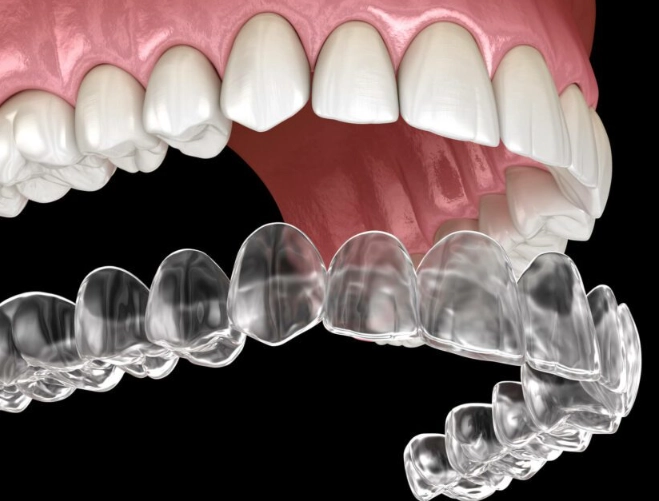
Let's cut to the chase. You're thinking about straightening your teeth, but the idea of metal braces makes you cringe. Maybe you're an adult who doesn't want a "teenage" look, or perhaps you're a professional worried about appearances in meetings. That's where clear aligners come in. They're those nearly invisible plastic trays you swap out every week or two to gently shift your teeth into place. But beyond the marketing, how do they actually work in real life? And more importantly, are they the right choice for you? We're going beyond the basics here, diving into the nitty-gritty details, costs, and even some of the less-talked-about realities that only become clear after you've been through the process.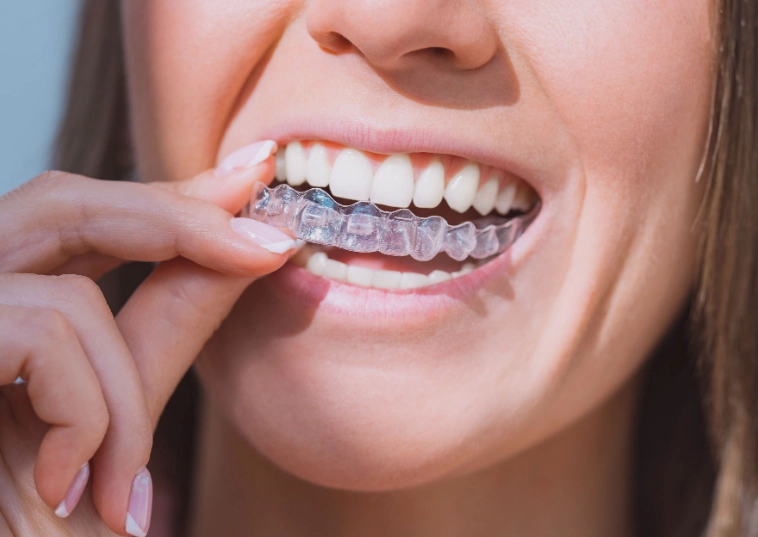
What's Inside This Guide
How Clear Aligners Actually Move Your Teeth (The Science, Simplified)
It's easy to think of them as just fancy plastic mouthguards. The magic—and the engineering—is far more precise. Unlike traditional braces that pull teeth, clear aligners work by applying controlled, calculated pressure to specific points on a tooth's surface. Your orthodontist or dentist uses 3D digital scans of your mouth to map out the entire treatment from start to finish. This digital treatment plan shows the micro-movements for each tooth in each stage.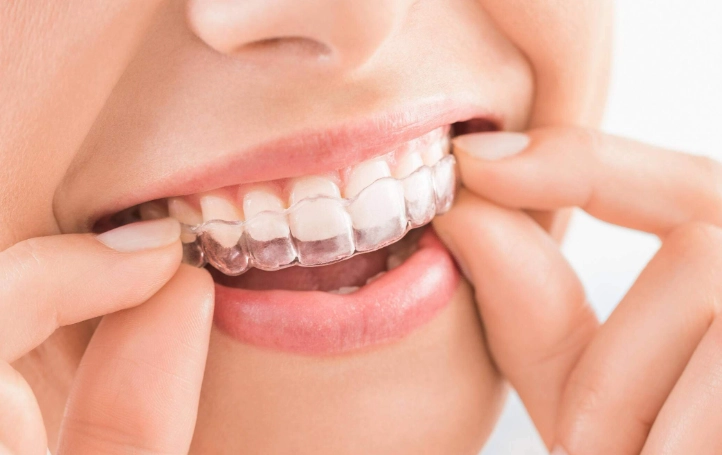
Each set of aligners is manufactured to be slightly different from the last. You wear a set for about 20-22 hours a day, for one to two weeks. During that time, the aligner's shape encourages the bone around your tooth's root to remodel. The bone on the pressure side dissolves a tiny bit (a process called resorption), and new bone fills in on the other side (deposition). This is how the tooth moves. It's slow, steady, and when done correctly, safe for the tooth's root.
Key Insight: The biggest misconception? That clear aligners are "faster" than braces. Speed depends entirely on case complexity, not the appliance type. A simple case might be quicker with aligners due to fewer appointments, but a complex bite issue often requires the precise force control of braces, which might be more efficient in the long run. The American Association of Orthodontists states that successful treatment depends more on the orthodontist's plan and your compliance than the tool itself.
The Honest Pros and Cons: It's Not All Perfect
Let's balance the hype with reality. Here’s a straightforward look at what you’re signing up for.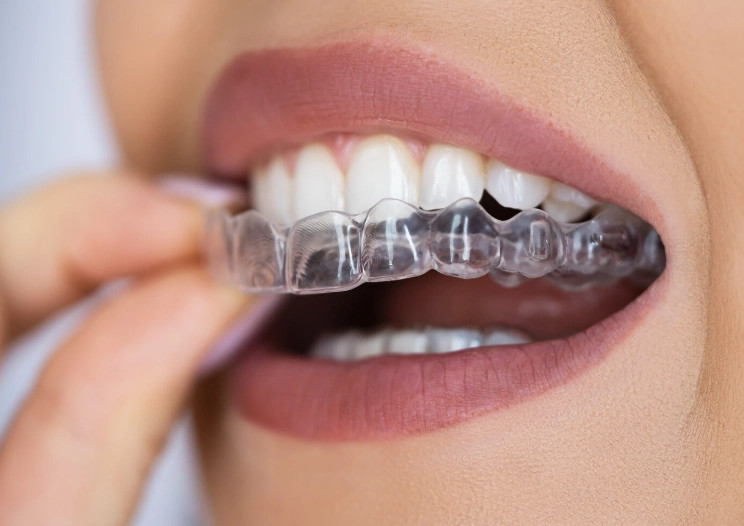
| Advantages | Considerations & Challenges |
|---|---|
| Near Invisibility: The most obvious win. Most people won't notice you're wearing them unless they're inches from your face. | Discipline is Non-Negotiable: You must wear them 20+ hours daily. Skipping hours delays treatment and can cause aligners to not fit. |
| Removable for Eating & Cleaning: No food restrictions! You can eat popcorn, apples, nuts—whatever you like. Brushing and flossing are also much easier. | You Have to Keep Track of Them: Losing or throwing away an aligner (it happens, especially wrapped in a napkin) can set you back and incur replacement fees. |
| Generally More Comfortable: No metal wires poking your cheeks. There's initial pressure with each new set, but it's a dull ache, not sharp pain. | Speech Can Be Temporarily Affected: Some people have a slight lisp for the first few days of a new set as their tongue adjusts. |
| Fewer Emergency Visits: No broken brackets or wires means fewer unplanned trips to the orthodontist. | Not for Every Case: Severe rotations, large vertical movements, or significant jaw discrepancies often still need braces or other appliances. |
| Digital Preview: Seeing the 3D simulation of your final smile (the "clincheck") is a massive motivator. | Cost Can Be Comparable: Don't assume they're cheaper. They often cost a similar amount to traditional braces, typically between $3,000 and $8,000. |
Your Step-by-Step Treatment Journey
Knowing the roadmap helps manage expectations. Here's what typically happens, from consultation to retention.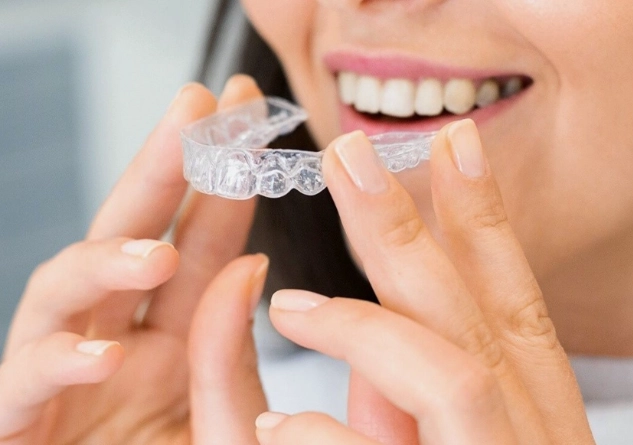
Phase 1: The Consultation and Planning
This isn't just a quick chat. A good provider will take digital scans (way better than goopy impressions), photos, and possibly an X-ray. They'll discuss your goals, explain if you're a good candidate, and show you the digital treatment plan. Ask to see the simulation—watch how your teeth are supposed to move. If the movement looks unrealistic or too fast, that's a red flag.
Phase 2: The Active Treatment Phase
Once your custom aligners arrive, you'll get your first set and attachments. Attachments are small, tooth-colored bumps bonded to your teeth that give the aligners something to grip onto for more complex movements. You'll change to a new set of aligners every 1-2 weeks as instructed. You'll have check-ups every 6-12 weeks to monitor progress.
Here's a pro-tip many don't mention: always switch to your new set at night before bed. You sleep through the initial tightness, and by morning, it's much more manageable.
Phase 3: Retention (The Most Important Phase)
Your teeth have memory and want to shift back. When your aligners are done, you're not done. You'll get a retainer. This is non-negotiable. Usually, it's a clear, full-time retainer worn similarly to aligners for several months, then transitioning to night-only wear, likely for life. Budget for this—sometimes it's included, sometimes it's an additional cost.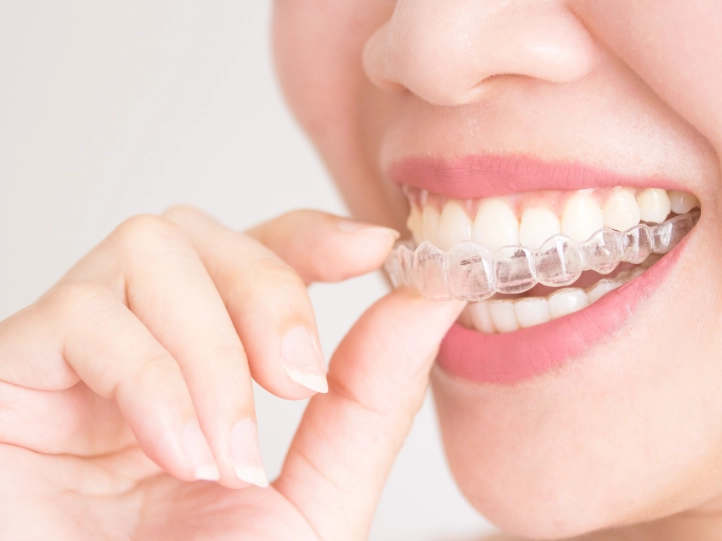
How to Choose a Provider (This is Critical)
Not all clear aligner providers are equal. You have a spectrum from fully dentist-supervised at-home kits to in-office treatment with an orthodontist. The choice drastically affects your experience, safety, and results.
- Orthodontist vs. General Dentist: An orthodontist has 2-3 years of specialized training beyond dental school in moving teeth and managing bites. For complex cases, this expertise is crucial. A general dentist can be excellent for straightforward cases, but always ask about their experience and number of cases completed.
- The "At-Home" or Direct-to-Consumer Model: These are typically for very mild cases with no bite issues. You get impressions sent to a lab, with remote monitoring. The major drawback? There's no in-person professional monitoring of your gum health, root positions, or bite function. The American Dental Association and American Association of Orthodontists have expressed concerns about the lack of direct supervision in these models.
- Questions to Ask Any Provider:
- How many clear aligner cases have you completed?
- Can I see before/after photos of cases similar to mine?
- What happens if my teeth aren't tracking with the plan? ("Tracking" means following the predicted movement).
- Is the total cost all-inclusive? (Covers all aligners, refinements, retainers).
- What is your policy on refinements (extra sets of aligners at the end if teeth aren't perfect)?
Daily Life & Maintenance: The Unspoken Rules
Living with aligners is easy, but there are tricks they don't always tell you.
Cleaning: Don't use toothpaste on them—it's abrasive and can cloud the plastic. Use a soft toothbrush and clear, antibacterial soap or the brand's cleaning crystals. Soaking them in a denture cleaner like Polident once a day works wonders.
Eating & Drinking: The rule is simple: take them out to eat or drink anything besides cool water. Coffee, tea, red wine—they will stain the aligners. Hot liquids can warp the plastic, ruining that set's effectiveness.
The Container: Always use the case. Every single time. The number one cause of lost or damaged aligners is being wrapped in a napkin on a lunch table.
Discomfort: The pressure when switching is normal. If you have a sharp edge rubbing your tongue or cheek, a nail file can gently smooth the plastic edge. Don't go overboard.
Your Top Questions, Answered Honestly
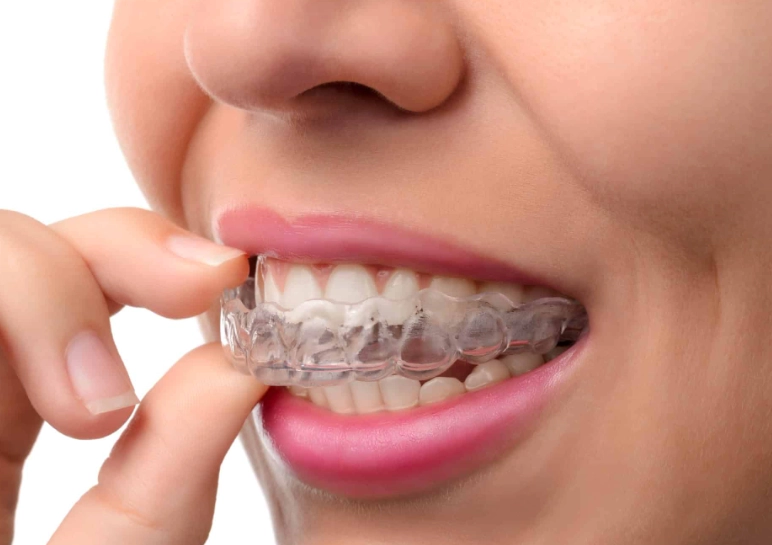
I remember a patient, Sarah, a graphic designer in her 30s. She was diligent but terrified of the attachments, thinking they'd be obvious. After they were on, she texted me, "I stood two feet from my mirror and can barely see them. My coworker didn't notice until I pointed them out after a week." It's that kind of real-world discretion that makes this process work for adults. Clear aligners are a powerful tool, but they're not magic. They require a partnership between you and a skilled professional. Do your homework, ask the hard questions, and if it feels right, you might just unlock a smile you've been thinking about for years.