You know the feeling. You're standing at the sink, toothbrush in hand, and a random thought pops into your head. Wait, what's the correct order for brushing teeth? Should I floss first or brush first? Do I rinse with mouthwash at the beginning or the end? For something we do (hopefully) twice a day, it's surprising how much confusion there is. I used to think it didn't matter much, as long as everything got done. Boy, was I wrong.
Your Oral Hygiene Roadmap
- The Core Principle: It's a Process, Not a Checklist
- The Dentist-Approved, Step-by-Step Correct Order for Brushing Teeth
- Visualizing the Routine: The Correct Order for Brushing Teeth at a Glance
- Debunking Myths: What's NOT the Correct Order for Brushing Teeth?
- Addressing Your Specific Questions (FAQ)
- Tailoring the Routine: It's Not One-Size-Fits-All
- The Tools That Make the Correct Order Easier
- Putting It All Together: Your New Nightly Routine
The Core Principle: It's a Process, Not a Checklist
Before we jump into the step-by-step, let's get one thing straight. The goal isn't just to move a brush around your mouth. The goal is to disrupt and remove plaque—that sticky film of bacteria—without damaging your gums or enamel, and to allow any beneficial ingredients from your toothpaste (like fluoride) time to work. The order of operations directly impacts how well you achieve this.
Think of it like cleaning a dirty pan. You wouldn't apply polish first, then try to scrub off the burnt food. You'd loosen the grime, scrub it off, rinse, and then apply a protective layer. Your mouth deserves the same logical approach.
The Dentist-Approved, Step-by-Step Correct Order for Brushing Teeth
Here is the sequence that aligns with guidance from major dental associations like the American Dental Association (ADA). It's designed for maximum efficacy.
Step 1: Start with Floss (or an Interdental Cleaner)
Yes, floss first. I know this goes against what many of us were taught. The old logic was "brush, then floss out what you missed." The new, better logic is "floss, then brush away the debris."
When you floss first, you're dislodging food particles and plaque from between your teeth and under the gumline. This stuff is now loose and sitting in the crevices. If you brush first, you might clean the surfaces but push some of this inter-tooth gunk deeper or just leave it there. Flossing first opens up the tight spaces, making the brushing that follows more comprehensive. It’s the single biggest shift you can make in answering "what's the correct order for brushing teeth?" correctly.
I'll be honest, switching to flossing first felt weird for a solid two weeks. But once I got used to it, the difference was noticeable. My mouth felt cleaner overall, not just on the surface.
Step 2: Now, Brush Your Teeth (The Right Way)
This is your main event. With the between-teeth plaque loosened, your toothbrush can now sweep it away.
The Brushing Technique Breakdown:
- Wet or Dry? Controversial topic! Some dentists say a dry brush creates more friction against plaque. Others say wetting it is fine for comfort. I've tried both. For me, a slightly damp brush feels better and still does the job. The ADA doesn't specify, so it's personal preference. The key is the technique, not the dampness.
- Toothpaste Amount: A pea-sized amount is plenty. That whole "cover the bristles" strip you see in ads is overkill and can make you foam up too quickly, causing you to spit and rinse too soon.
- The Angle: Tilt your brush at a 45-degree angle to your gums. This lets the bristles get under the gumline where plaque loves to hide.
- The Motion: Use gentle, short, back-and-forth or circular strokes. Don't scrub like you're cleaning tile grout. I used to be a guilty scrubber, and it led to gum recession. Gentle pressure is effective pressure.
- Time: Two minutes, minimum. Divide your mouth into quadrants (upper right, upper left, lower right, lower left) and spend 30 seconds on each. An electric toothbrush with a timer is a game-changer here.
- Don't Forget: The chewing surfaces, the backs of your teeth, and your tongue. Bacteria on the tongue is a major cause of bad breath.
Step 3: Spit, Don't Rinse (The Most Important Habit Change)
This is the step most people get wrong. After brushing, spit out the excess toothpaste foam. Then, resist the urge to swish with a giant mouthful of water! Just stop.
Why? Your toothpaste contains active ingredients, primarily fluoride. Fluoride needs time on your teeth to remineralize enamel and strengthen it against decay. If you immediately rinse with water, you're washing away most of the fluoride before it can do its job. You've just diluted the benefits of brushing.
Let the fluoride sit.
You can rinse the brush and wipe your mouth, but try to avoid a full rinse for at least 30 minutes. This one change dramatically increases the protective effect of your toothpaste. The National Institute of Dental and Craniofacial Research emphasizes fluoride's role in preventing cavities, and this is how you maximize it.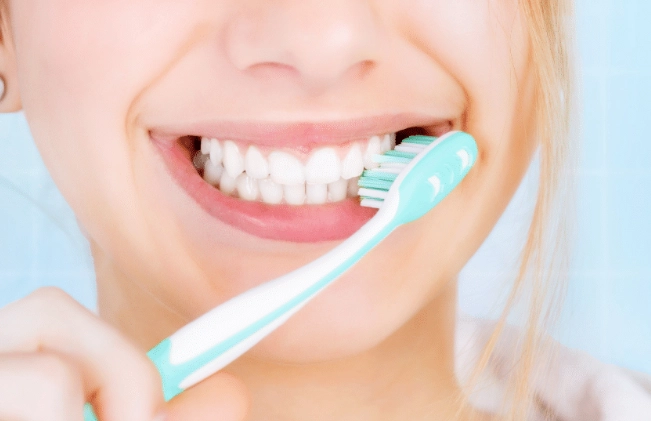
Step 4: Use Mouthwash (If You Use It) – At the Right Time
Mouthwash is optional, but if you use it, timing is crucial. Never use it immediately after brushing. You'll just rinse away the fluoride you're trying to keep on your teeth.
The best time to use an antibacterial or fluoride mouthwash is at a different time of day. For example, use it after lunch. If you must use it as part of your morning/night routine, use it before you floss and brush, or wait at least 30 minutes after brushing. If your mouthwash contains fluoride, using it before bed (after the 30-minute wait) gives it all night to work.
Visualizing the Routine: The Correct Order for Brushing Teeth at a Glance
| Step | Action | Why This Order? | Common Mistake to Avoid |
|---|---|---|---|
| 1. Floss First | Use floss, floss picks, or an interdental brush to clean between all teeth. | Loosens plaque and debris from tight spaces so brushing can remove it. | Saving flossing for last or skipping it because brushing "feels" enough. |
| 2. Brush Second | Brush for 2 mins with fluoride toothpaste at a 45-degree angle. | Sweeps away the plaque loosened by flossing and coats teeth with fluoride. | Scrubbing too hard, not brushing long enough, rinsing immediately after. |
| 3. Spit, Don't Rinse | Spit out excess paste. Avoid rinsing with water. | Allows fluoride to remain on teeth and continue strengthening enamel. | Immediately swishing and gargling with water, washing fluoride away. |
| 4. Mouthwash (Optional & Timed) | Use at a separate time or wait 30+ mins after brushing. | Prevents washing away fluoride. Can add extra antibacterial or fluoride protection. | Using mouthwash right after brushing, negating the benefit of fluoride toothpaste. |
Debunking Myths: What's NOT the Correct Order for Brushing Teeth?
Myth 1: "Brush first, then floss." As we covered, this is backwards. Flossing first is more effective.
Myth 2: "A quick rinse after brushing gets my mouth extra clean." It actually makes your brushing less effective by removing fluoride.
Myth 3: "If I use mouthwash, I don't need to floss." Mouthwash cannot physically remove plaque biofilm from between teeth. Only mechanical cleaning (floss, interdental brushes) can do that. The ADA is clear on this.
Myth 4: "The order doesn't matter as long as I do all the steps." The order matters a great deal for the reasons we've outlined. It's about synergy.
Addressing Your Specific Questions (FAQ)
Let's tackle some of the specific questions that pop up when people are figuring out what's the correct order for brushing teeth.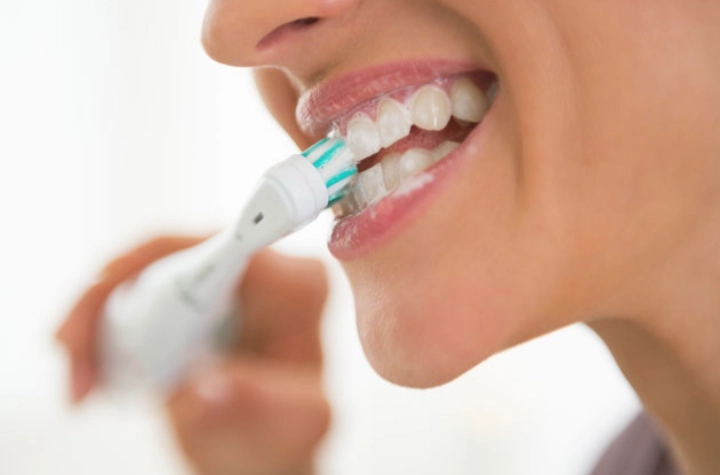
Tailoring the Routine: It's Not One-Size-Fits-All
While the floss-brush-spit order is the gold standard, some adjustments exist.
If you have specific conditions like severe dry mouth (xerostomia), your dentist might recommend a high-fluoride toothpaste and instruct you to rub a tiny bit into your teeth after brushing instead of rinsing at all. If you wear braces, the order might be: rinse with water to loosen debris, use special tools (like a Waterpik or interdental brushes), then brush meticulously around brackets, then spit-don't-rinse. The core logic—clean between teeth, clean surfaces, preserve fluoride—remains.
Honestly, some expensive "whitening" or "charcoal" toothpastes are more marketing than substance and can be abrasive. I've found a simple, ADA-accepted fluoride toothpaste works best. The magic is in the routine, not the fancy packaging.
The Tools That Make the Correct Order Easier
- Floss: Waxed, unwaxed, tape—find one you like. If you hate string floss, try floss picks or a water flosser. A water flosser is great for braces, bridges, or deep pockets, but most dentists still recommend string floss as it provides the necessary scraping action.
- Toothbrush: A soft-bristled brush is non-negotiable. Medium or hard bristles can damage gums and enamel. An electric toothbrush with a pressure sensor is a fantastic investment.
- Toothpaste: Look for the ADA Seal of Acceptance and fluoride. That's it.
- Timer: Use your phone, a small hourglass, or a brush with a built-in timer. Two minutes is longer than you think.
Putting It All Together: Your New Nightly Routine
So, let's walk through a real-life scenario. It's time for bed.
You grab your floss. Spend a minute or two going between every tooth. Feel that little pop as you dislodge something? That's the point.
Now, pick up your toothbrush. Apply a pea of fluoride paste. Set a timer for two minutes. Brush methodically, gently, covering all surfaces and your tongue. The foam will have the debris from flossing mixed in.
Timer beeps. Spit into the sink. Look at the foam. That's the plaque you just removed. Rinse your brush. Wipe your mouth with a towel if needed.
And then you're done.
Walk away. Let the fluoride do its overnight shift. That's the complete, correct order for brushing teeth. It feels different, cleaner, more intentional.
Adopting this order—floss, brush, spit—was the single most impactful change I made for my oral health. My dental checkups improved, my breath felt fresher longer, and that nagging question was finally answered. It's not about complexity; it's about working with the science of how your mouth gets clean. Give it a solid try for two weeks. I think you'll feel the difference too.