In This Guide
You know that feeling when you look in the mirror and something just seems... off? Maybe your lower teeth sit a tiny bit in front of your upper teeth when you bite down. Or perhaps your jawline has a more pronounced look than you'd like. If that sounds familiar, you might be dealing with what dentists call a mild underbite.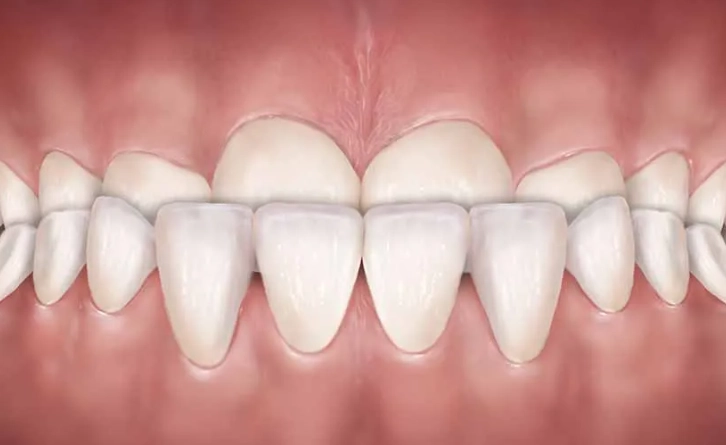
It's not the dramatic, movie-villain kind of jaw misalignment. It's subtle. Sometimes you're the only one who notices it. But it's there, and it can nag at you. I remember a friend in college who had this. He hated smiling in photos, always tilting his head or doing a closed-mouth grin. He called it his "stubborn jaw." It wasn't until years later he found out it was a mild dental underbite, and more importantly, that he had options.
That's what this guide is for. We're going to strip away the medical jargon and talk plainly about what a mild underbite is, why it happens, and what you can actually do about it. No scare tactics, just clear information.
Is It Just Cosmetic, or Is There More to It?
This is the first big question everyone asks. Is fixing a mild underbite just about vanity? The short answer is no, not really. While the appearance is a huge factor for most people—let's be honest, we all care how we look—there are functional bits to consider that can sneak up on you over time.
Think about your teeth like gears in a machine. When they don't mesh right, even just a little, things wear down unevenly. You might not feel it now, but a decade or two down the line? That's a different story.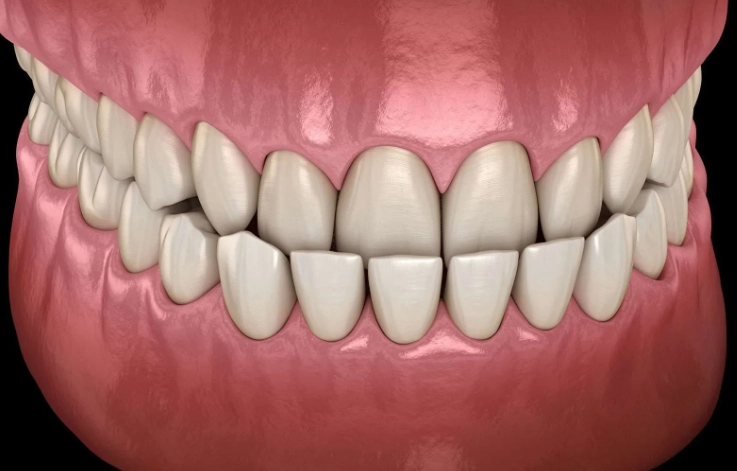
The Sneaky Symptoms You Might Not Connect
A mild underbite doesn't always announce itself with pain. Sometimes the signs are quiet. Do you find yourself chewing more on one side of your mouth? That's a common workaround your jaw develops. What about occasional jaw clicking or popping when you yawn? Yep, that can be related. Some people with a slight underbite experience more frequent headaches or neck tension, especially after long periods of talking or chewing tough foods. The muscles are working overtime to compensate for the misalignment.
Then there's the wear and tear. Take a really good look at your front teeth. Do the edges look flat, chipped, or more translucent than they used to? That's enamel erosion from the incorrect bite force. It happens slowly, so you might not notice until your dentist points it out during a cleaning.
And speech. Ever feel like you have to work a little harder to pronounce certain sounds like "f" or "v"? The position of your teeth and jaws directly affects how air flows for speech.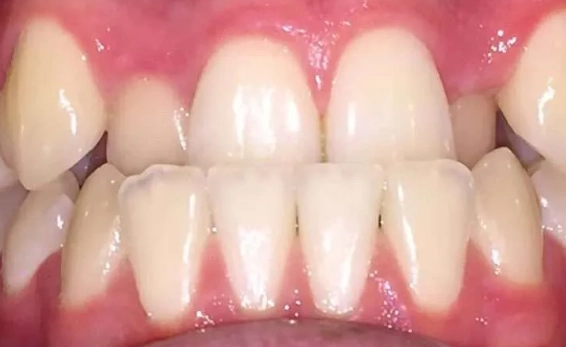
What Actually Causes a Mild Underbite?
People often blame themselves. "Did I suck my thumb too long?" "Was it that pacifier?" Sometimes, yes, childhood habits can play a role. Prolonged thumb-sucking, extended pacifier use beyond toddler years, or constantly pushing on teeth with the tongue (a habit called tongue thrust) can encourage the lower jaw to grow forward.
But here's the thing you shouldn't blame yourself for: genetics. This is the big one. If your parents or grandparents had a prominent jawline or an underbite, there's a good chance you inherited the bone structure for it. It's just how your facial blueprint was drawn. According to research, the development of Class III malocclusion (the technical term) has a strong hereditary component. You can check out studies on the genetic factors of malocclusion through resources like the National Institute of Dental and Craniofacial Research (NIDCR) to learn more about the science behind it.
Other causes are more about circumstance. An injury to the jaw as a child, certain birth defects, or even tumors (though very rare) can affect jaw growth. For most adults reading this, the cause is usually a mix of genetics and maybe an old habit that set the direction of growth during childhood.
The bottom line? Don't waste energy on guilt. Understanding the "why" is useful only so you can understand the "how to fix it."
Your Treatment Roadmap: From Simple to Involved
Okay, so let's say you've decided to look into correction. What's on the menu? The path for fixing a mild underbite is vastly different from a severe one. Surgery is often off the table, which is a huge relief for most people. Instead, we're talking about orthodontics—moving teeth and subtly influencing jaw position.
Here’s a breakdown of the most common options. I've put it in a table because it's easier to compare side-by-side.
| Treatment Option | How It Works for Mild Underbite | Best For | Real Talk on Pros & Cons |
|---|---|---|---|
| Traditional Metal Braces | Uses brackets and wires to apply precise pressure, moving teeth into alignment. Can be combined with elastics (rubber bands) worn from upper to lower braces to correct the bite relationship. | All ages, complex tooth movements, non-compliant patients (you don't have to remember to wear them). | Pro: Most powerful and predictable tool. Handles everything. Con: Most noticeable. Can irritate cheeks. |
| Ceramic ("Clear") Braces | Same mechanics as metal braces, but the brackets are tooth-colored or clear for a less obvious look. | Adults and teens concerned about aesthetics but needing the power of braces. | Pro: Less visible than metal. Con: More fragile and slightly more expensive than metal. Can stain if you're not careful. |
| Clear Aligners (e.g., Invisalign) | A series of custom-made, removable plastic trays that gradually shift teeth. Modern systems have special features like "attachments" (tooth-colored bumps) and precision cuts for elastics to help correct the underbite. | Adults and disciplined teens with mild to moderate cases. Those who prioritize discretion. | Pro: Nearly invisible, removable for eating/cleaning. Con: Requires high discipline (22+ hrs/day). Treatment success hinges on you wearing them. Not for every case. |
| Palatal Expander (for younger patients) | A device fitted to the upper palate that is gradually widened to expand the upper dental arch, creating more room and helping the upper teeth fit slightly ahead of the lower. | Growing children and adolescents where the upper jaw is narrow, contributing to the underbite. | Pro: Can address skeletal cause early. Con: Only effective during growth phases. Uncomfortable initially. |
Looking at that table, you might think clear aligners are the obvious winner. I get it. They're marketed everywhere. But I have to give a personal opinion here: for some specific mild underbite correction cases, they can be fantastic. For others, they might not get the root of the problem as effectively as braces with elastics. A good orthodontist will tell you straight which tool is the right wrench for your particular nut.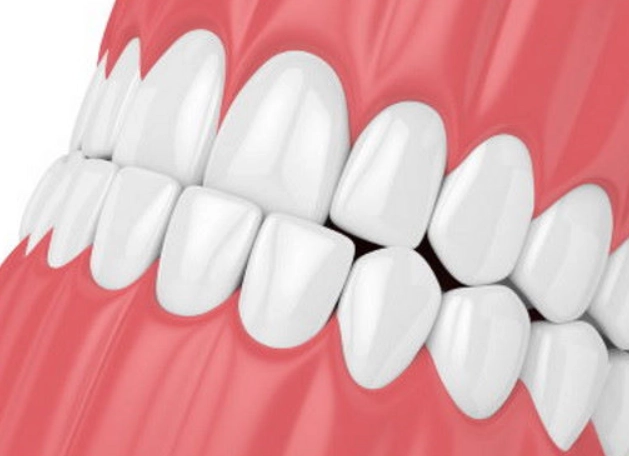
My friend, the one from college? He went with clear aligners as an adult. It worked, but his orthodontist was very clear that his case was at the very edge of what aligners could handle. They used a lot of those little tooth attachments and he had to be religious about his wear time and his elastics. He said the elastics were the most annoying part, like little rubber bands hooked onto the aligners.
The Elastic Factor
Whether you choose braces or aligners, correcting the bite relationship in a mild dental underbite often involves interarch elastics. These are the rubber bands you hook from hooks on your upper braces/aligners to hooks on the lower. Their job is to gently pull the jaws into a better position relative to each other. They're crucial. And yes, you have to change them daily. No way around it if you want the bite fixed properly.
What About Surgery for a Mild Case?
Jaw surgery (orthognathic surgery) is a major procedure. For a truly mild skeletal underbite—where the mismatch is almost entirely in the tooth position, not the jawbone—surgery is almost always overkill. The risks, cost, and recovery time don't justify the small gain.
An ethical oral surgeon or orthodontist will steer you away from it if your case can be handled with orthodontics alone. Surgery is reserved for moderate to severe skeletal discrepancies where moving teeth alone won't create a stable bite, proper function, or facial balance.
So, breathe easy on that front.
The Questions You're Actually Asking (But Might Not Be Typing)

Life During and After Treatment
Let's talk reality. The first week with any appliance is awkward. Your teeth will be sore, talking might feel funny, and eating is a chore. It passes. You adapt. You learn to cut apples into slices and rediscover the joy of yogurt.
The real hero of the story is the retainer. This is non-negotiable. Teeth have memory and want to drift back to their old positions. After your braces come off or you finish your last aligner, you will get a retainer. You might wear it full-time for a few months, then transition to nightly wear for... well, potentially forever. Think of it as the gym membership for your new smile. Skip it, and your investment in fixing that mild underbite can unravel. It's the most common regret orthodontists hear.
Is it a hassle? Sure. But most people find a nightly routine—pop it in before bed—that becomes as automatic as brushing their teeth.
Finding the Right Professional
This is the most critical step. You want an orthodontist, not just a general dentist doing ortho on the side for a mild underbite case. Why? Orthodontists are dentists who then complete 2-3 additional years of specialized residency training in tooth movement and facial growth. They see the nuances.
Look for a member of the American Association of Orthodontists (AAO). You can use their "Find an Orthodontist" tool. In your consultation, ask: "How many cases like mine (adult mild Class III) have you treated?" "What is your preferred method for this, and why?" "Can you show me before/after photos of similar cases?"
Trust your gut. You'll be seeing this person every 6-8 weeks for a couple of years. You need to feel comfortable and confident.
It's a relationship.
Wrapping It Up: Your Next Step
Having a mild underbite isn't a flaw; it's a dental condition with a spectrum of solutions. For some, it's a non-issue. For others, addressing it can be a game-changer for their smile, their oral health, and how they feel in their own skin.
The journey starts with a consultation. Not a commitment, just information. Get the facts specific to your mouth. Understand the pros, cons, costs, and timeline. Then you can make a decision that's right for you, not based on fear or marketing, but on clear-eyed understanding.
Remember my college friend? He finally got his treatment in his late 20s. The other day he sent a picture of himself laughing, full teeth. No head tilt, no hiding. He just looked like himself, but more relaxed. Sometimes, that's what fixing a mild underbite is really about—not chasing perfection, but removing a little obstacle that was in your way.
You can learn more about malocclusions and treatment standards from authoritative sources like the American Dental Association. Their resources are patient-focused and reliable.
Hope this deep dive helped clear things up. Good luck.