Quick Navigation
- How Salt Water Actually Works on a Troubled Tooth
- Why It Can't "Draw Out" a True Dental Abscess
- The Right Way to Use a Salt Water Rinse (And Common Mistakes)
- The Real Risks of Relying Solely on Home Remedies
- When a Salt Water Rinse is Perfect (And When to Sprint to the Dentist)
- What the Dentist Will Actually Do: The Real "Drawing Out" Process
- Your Questions, Answered Honestly
Let's cut right to the chase, because that toothache isn't waiting. You're searching for an answer, maybe in the middle of the night, hoping a simple kitchen ingredient can solve a world of pain. So, does salt draw out an infection in a tooth? The short, honest answer is no, not in the way you might be hoping. It won't magically pull the infection from the roots of your tooth like a poultice. But—and this is a crucial but—a warm salt water rinse is one of the most effective, scientifically-supported home remedies you can use for managing the symptoms and creating a better environment for healing. It's a helper, not a cure. Relying on it to solve a deep dental abscess is like using a bucket to bail out a flooding basement while ignoring the burst pipe.
I've been there myself. A nagging pain near a molar that flared up over the weekend when the dentist's office was closed. The salt water rinse was my first line of defense. It didn't make the core problem vanish, but it made the gum around it feel less angry and swollen, buying me time until I could get professional help. That's the real story we need to talk about.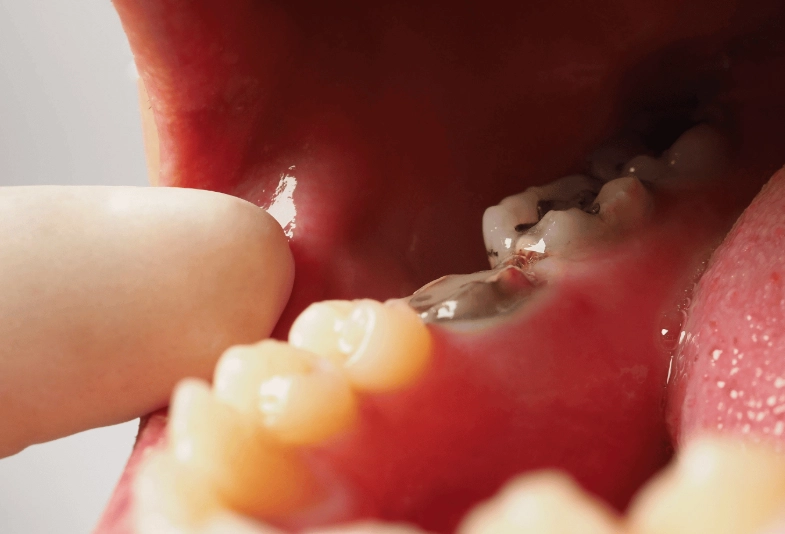
How Salt Water Actually Works on a Troubled Tooth
The idea that salt "draws out" infection is an old piece of folk medicine. People thought it worked like osmosis, pulling pus and bad stuff to the surface. Modern dentistry gives us a clearer, less magical explanation. A warm salt water rinse works through several gentle but effective mechanisms.
Osmotic Effect: This is the closest it gets to "drawing out." A hypertonic solution (like salty water) can encourage fluid to move from areas of high concentration (swollen tissues) to the solution itself. This can reduce minor swelling and edema in the gums, providing relief from that tight, throbbing feeling.
More importantly, it's a fantastic mechanical cleanser. Swishing it around helps dislodge food particles trapped between teeth or in gum pockets, which are a buffet for bacteria. It also temporarily alters the pH in your mouth, making it a less friendly place for some harmful microbes to thrive.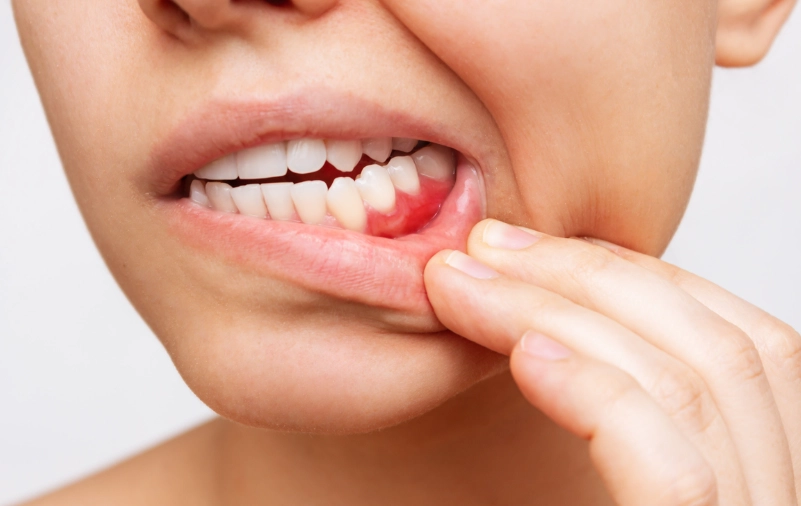
Then there's the soothing and healing aspect. The warmth increases blood circulation to the area, which can promote healing of superficial gum tissue. The salt itself is mildly antiseptic. The American Dental Association (ADA) recognizes saline rinses as a way to soothe minor mouth irritations, which includes the inflamed gums surrounding an infected tooth. You can read more about basic oral wound care on the ADA's Oral Health Topics page.
So, when you ask, "Does salt draw out an infection in a tooth?", think of it more as: "Does salt water create a cleaner, less inflamed, and more supportive environment around an infected tooth?" The answer to that is a resounding yes.
Why It Can't "Draw Out" a True Dental Abscess
This is the critical distinction that keeps people out of trouble. A true tooth infection, like an abscess, is not a surface-level problem. It's an interior job.
Anatomy is key. A periapical abscess forms at the tip of the tooth's root, deep inside the jawbone. A periodontal abscess forms in the gums and supporting bone next to the root. In both cases, the epicenter of the infection is inaccessible to a rinse swishing around the mouth. The infection is walled off inside tissue or bone. No amount of salt water can penetrate there to "pull" it out. The body's immune system has already contained it in a pocket (the abscess), which is why the pressure and pain build up.
Bacteria are the root cause. These aren't just surface germs you can rinse away; they've invaded the inner sanctum of the tooth (the pulp) through decay or a crack, or they've dug deep into the periodontal pocket. They're throwing a party in a place your rinse can't reach.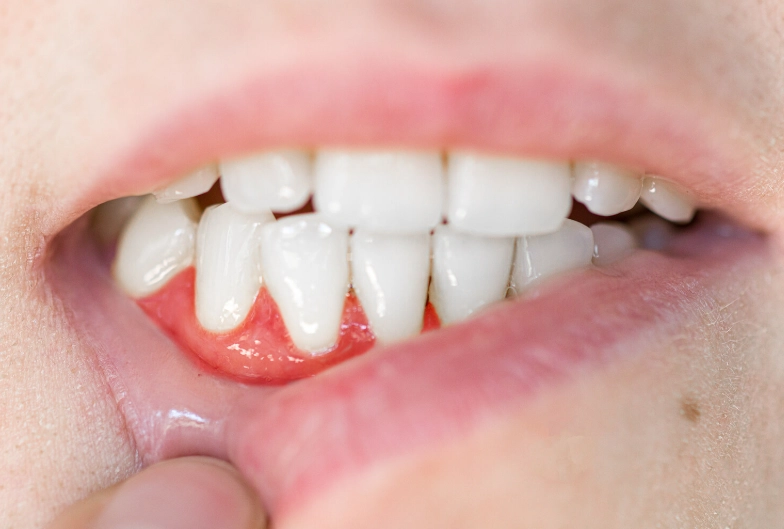
Let's be perfectly clear.
If you have a dental abscess, you need professional intervention.
The only way to truly "draw out" or, more accurately, eliminate that infection is for a dentist to physically drain the abscess and remove the source of the bacteria. This means a root canal treatment (to remove the infected pulp inside the tooth) or an incision and drainage procedure, often accompanied by antibiotics to tackle any spreading infection. The National Institute of Dental and Craniofacial Research (NIDCR) provides clear information on tooth decay and infection processes, underscoring the need for professional treatment. You can learn about the progression from decay to abscess on the NIDCR's tooth decay page.
The Right Way to Use a Salt Water Rinse (And Common Mistakes)
Since it's a useful tool, let's use it correctly. Doing it wrong can be ineffective or even irritating.
Your Simple, Effective Salt Water Rinse Recipe
This isn't a gourmet recipe. Precision matters.
- Ingredient: Non-iodized table salt or sea salt. Iodized salt is fine in a pinch, but some find it more irritating.
- Ratio: 1/2 teaspoon of salt dissolved in 8 ounces (1 cup) of warm water. This creates an isotonic to slightly hypertonic solution that's effective and safe.
- Water Temperature: Warm, not hot. Think comfortably warm bath water. Hot water can burn sensitive tissue and increase inflammation.
Step-by-Step Technique
- Mix thoroughly until no salt crystals remain.
- Take a comfortable mouthful. Don't overfill.
- Swish gently for 30-60 seconds, focusing the flow around the affected tooth. Vigorous swishing can hurt.
- Spit it out. Do not swallow the rinse, as it contains bacteria and debris from your mouth.
- Repeat 2-4 times a day, especially after meals and before bed. More is not better; overuse can dry out or irritate your mucous membranes.
| Do This | Avoid This | Why It Matters |
|---|---|---|
| Use warm water | Using scalding hot or cold water | Warmth soothes and increases circulation; extreme temps can cause pain/spasm. |
| Swish gently for 30-60 sec | Swishing violently or for too long | Gentle action cleanses without trauma. Over-swishing can cause fatigue or pain. |
| Spit out after rinsing | Swallowing the rinse | You're spitting out loosened debris and bacteria. Swallowing it is counterproductive. |
| Rinse after meals & at bedtime | Rinsing 10+ times a day | Consistency helps. Overuse can disrupt oral microbiome and cause tissue irritation. |
| See it as a symptom manager | Seeing it as a definitive cure | This is the most important distinction. It manages, it doesn't cure an internal infection. |
The Real Risks of Relying Solely on Home Remedies
This is where I get a bit stern, because I've seen the consequences of waiting too long. Using a salt water rinse for a tooth infection is like taking an aspirin for a broken leg. It might dampen the pain signal, but the structural damage is still there, getting worse.
The infection doesn't care that you're rinsing. It continues to spread. From the tip of the root, it can eat into your jawbone, causing bone loss. It can form a fistula (a draining pimple on your gum), which might provide temporary pressure relief but is a sign of an ongoing chronic infection.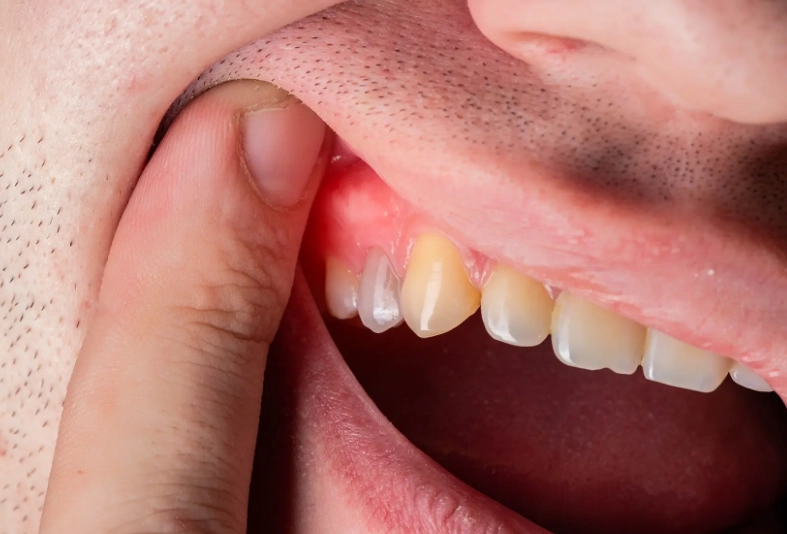
In worst-case scenarios, the infection can spread into the fascial spaces of your neck (Ludwig's Angina) or even into your bloodstream (sepsis), becoming life-threatening. These are medical emergencies. The U.S. National Library of Medicine's MedlinePlus resource details the serious nature of dental abscesses and the importance of urgent care. The potential for severe complications is covered in their article on tooth abscesses.
Delaying treatment almost always leads to more complex, more expensive, and sometimes less tooth-preserving procedures. A small cavity that could have been a simple filling turns into an infection needing a root canal and crown. An infection treatable with a root canal can progress to the point where the tooth is non-restorable and must be extracted.
You also risk developing antibiotic resistance if you try other misguided "remedies" like placing aspirin directly on the gum (which can cause a chemical burn) or using undiluted essential oils.
When a Salt Water Rinse is Perfect (And When to Sprint to the Dentist)
Let's categorize this clearly. Not all mouth pain is a deep infection.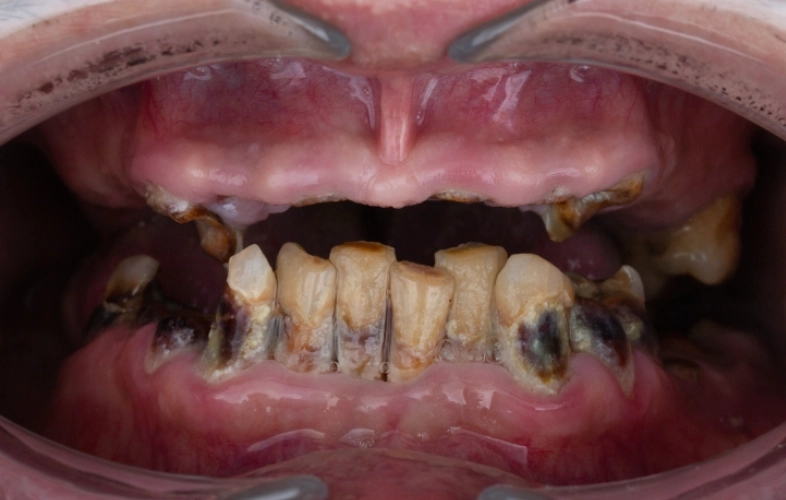
Good Scenarios for Salt Water Rinse (Symptomatic Relief)
- Minor gum inflammation (gingivitis) from food irritation or mild plaque buildup.
- After a dental procedure (like an extraction or deep cleaning) to keep the area clean.
- For a canker sore or minor mouth ulcer near a tooth.
- Temporary relief from the symptoms of a true infection while you wait for your dental appointment.
- Loosening a food particle stuck near the gums.
Red Flags: Symptoms That Mean You Need a Dentist NOW
If you experience any of the following, a salt water rinse is merely a stopgap on your way to the phone to call your dentist or an emergency dental clinic:
- Throbbing, persistent pain that interrupts sleep or isn't relieved by over-the-counter painkillers.
- Visible swelling in your cheek, jaw, or under your tongue.
- A pimple-like bump on your gums near the painful tooth (a fistula).
- Fever, chills, or general malaise – this signals your body is fighting a systemic infection.
- Difficulty swallowing or breathing – this is an emergency; go to the ER.
- A tooth that is significantly loose or feels raised compared to its neighbors.
- Pain that radiates to your ear, jaw, or neck.
I remember a friend who had that "pimple on the gum" for weeks. He'd press it to drain it and rinse with salt water, and the pain would subside. He thought he was managing it. By the time he saw a dentist, the infection had destroyed so much supporting bone that the tooth was hopeless. It was a hard lesson.
What the Dentist Will Actually Do: The Real "Drawing Out" Process
So if salt water can't draw out an infection in a tooth, what can? Here's what professional treatment looks like. This is the information that empowers you to make the right decision.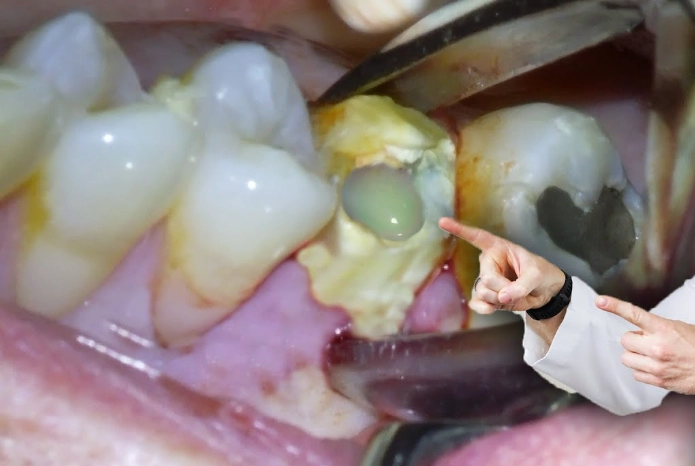
The primary goal is to remove the source of the infection. This involves getting to the bacteria's home base.
First Line of Defense: Drainage and Antibiotics
For an abscess with swelling, the dentist will likely numb the area and make a small incision in the gum to allow the pus to drain. This provides immediate pain relief from pressure. They may also place a small rubber drain for a day or two. Antibiotics are often prescribed if there's signs of spreading infection (fever, swelling), but antibiotics alone rarely cure a dental abscess because they can't effectively penetrate the abscess wall or remove the dead tissue inside the tooth. They are an adjunct to definitive treatment.
Definitive Treatments to Save (or Remove) the Tooth
Root Canal Treatment: This is the standard for saving a tooth with an infected pulp. The dentist or endodontist makes a small opening in the tooth, removes the entire infected or dead pulp tissue from the inside chambers and roots (this is the real "drawing out"), cleans and disinfects the space, and then fills and seals it. A crown is usually placed afterward to protect the now-brittle tooth. The success rate is very high.
Tooth Extraction: If the tooth is too damaged by decay or fracture to be saved, or if the infection is severe, extraction is the only option. The entire tooth, including the infected root tip, is removed. This definitively removes the source of infection. Replacement options (implant, bridge) can be discussed later.
The choice between these isn't always easy, and a good dentist will discuss the pros, cons, costs, and long-term outlook of each option with you.
Your Questions, Answered Honestly
Does salt draw out infection in a tooth abscess?
No. A salt water rinse cannot draw out the infection from inside a dental abscess. The abscess is a contained pocket of pus, usually in the bone or deep tissue. The rinse can clean the mouth surface and soothe surrounding gums, but it cannot penetrate to the abscess core. Definitive drainage by a dentist is required.
Can salt water heal an infected gum?
It can aid in healing superficial gum infections or inflammation (gingivitis) by reducing bacteria and debris. For a deeper gum infection (periodontal abscess or advanced periodontitis), it will only manage surface symptoms. The deep infection in the gum pocket requires professional scaling, root planing, or other periodontal therapy.
Is it better to use sea salt or table salt?
For a basic rinse, it makes little practical difference. Both are primarily sodium chloride. Some prefer non-iodized sea salt as it lacks anticaking agents or iodine, which might be slightly irritating to a few people. The concentration is far more important than the type.
How often should I rinse with salt water for a toothache?
2 to 4 times daily is the sweet spot. After each meal and before bed is a good schedule. Over-rinsing (e.g., every hour) can dry out your mouth's mucous membranes and potentially cause irritation.
Can I use salt water rinse for a child's tooth infection?
For a cooperative child old enough to swish and spit without swallowing (usually over age 6), a mild salt water rinse can be used for temporary comfort from gum soreness. However, any suspicion of a true tooth infection in a child requires immediate pediatric dental care. Do not delay.
What are stronger alternatives to salt water?
Over-the-counter antimicrobial rinses containing chlorhexidine (available by prescription in some places) or cetylpyridinium chloride can be more potent against bacteria. However, they are not a cure for an internal infection either and can have side effects like staining with prolonged use. They should be used under dental advice. Never use alcohol-based rinses on an open wound or severe infection, as they can be very painful.
So, the next time you or someone you know asks, "Does salt draw out an infection in a tooth?", you can give the full picture. It's a brilliant symptom manager and oral hygiene aid, but for the deep-down infection, the only thing that truly draws it out is the skilled hand of a dentist. Don't let the temporary relief a salt rinse provides fool you into a false sense of security. Listen to the pain—it's your body telling you to get expert help.