Let's be honest. Most of us know brushing and flossing matter. But what you put in your mouth three to six times a day might matter just as much, if not more, for the long-term health of your teeth. I've seen patients with impeccable hygiene still get cavities, and others with less-than-perfect routines have surprisingly resilient teeth. The difference often boils down to diet.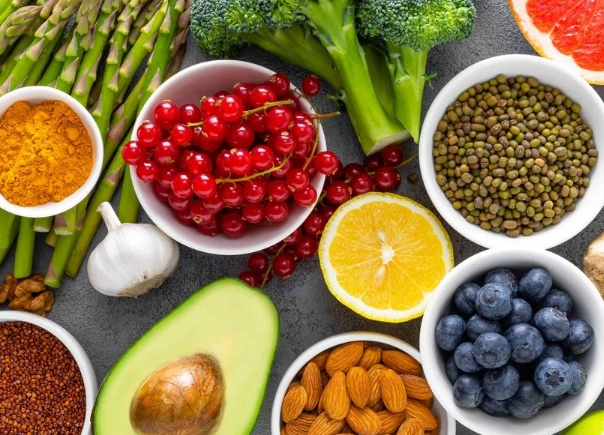
Food isn't just fuel for your body; it's the environment for your mouth. Every bite or sip can either feed the bacteria that cause decay and gum disease or help your teeth repair and defend themselves.
This isn't about a restrictive diet. It's about making smarter swaps and understanding the why behind the recommendations. Let's move beyond the generic "avoid sugar" advice and get into the specifics of what to eat, when to eat it, and why it works.
What's Inside This Guide
How Food Actually Impacts Your Teeth (It's Not Just Sugar)
Think of your mouth as a constant battlefield. On one side, you have cavity-causing bacteria (mainly Streptococcus mutans). They love carbohydrates—sugar and starch. When they metabolize these carbs, they produce acid. This acid dissolves the mineral crystals (calcium and phosphate) in your tooth enamel. We call this demineralization.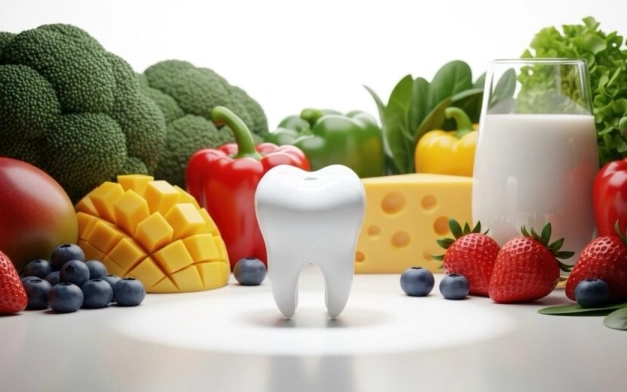
On the other side, you have your saliva. It's your mouth's natural defense system. Saliva washes away food particles, neutralizes acids, and contains minerals that can repair the early stages of acid damage. This repair process is called remineralization.
The key factor isn't just how much sugar you eat, but how often you expose your teeth to it. Sipping a sugary coffee for two hours is far more damaging than eating a small chocolate bar in five minutes because it extends the acid attack.
So, the goal with food is twofold:
- Reduce acid attacks: Limit the frequency and duration of sugary/acidic foods.
- Boost remineralization: Eat foods that provide the raw materials for repair (calcium, phosphate) and stimulate protective saliva.
A Quick Note on the Oral Microbiome
Newer research, like that highlighted by the National Institute of Dental and Craniofacial Research, shows it's not just about "bad" bacteria. A healthy, diverse oral microbiome is crucial for overall oral health. Some foods, particularly those high in fiber and polyphenols (like cranberries or green tea), may help promote a healthier bacterial balance, making your mouth more resistant to disease.
The Top Foods to Eat for Stronger Teeth & Healthier Gums
Instead of a vague list, here's a breakdown of food categories that actively contribute to dental health, with specific examples and the science behind them.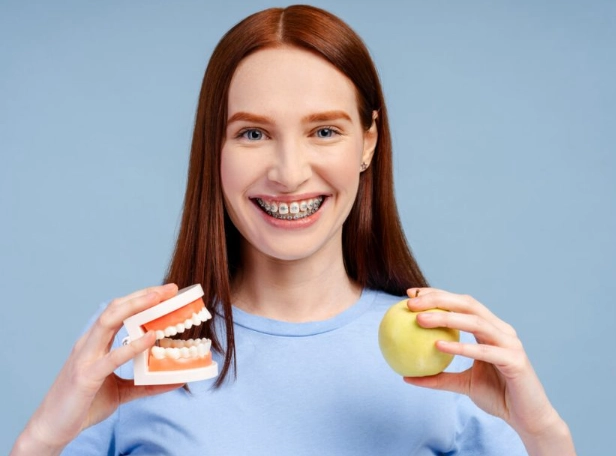
| Food Category & Examples | Key Dental Benefits | How to Use Them |
|---|---|---|
| High-Calcium Dairy Cheese (cheddar, Swiss), Plain Yogurt, Milk |
Raises mouth pH (neutralizes acid), stimulates saliva flow, provides calcium and casein phosphopeptides that help remineralize enamel. | Have a small cube of cheese after a meal as a "dessert." Use plain yogurt with fresh fruit for breakfast. |
| Crunchy, Fibrous Fruits & Veggies Apples, Carrots, Celery, Cucumbers |
Natural toothbrush effect. Their fibrous texture scrubs plaque, stimulates gums, and increases saliva production to wash away debris. | Eat them raw as a final course in a meal or as a standalone snack. |
| Phosphorus-Rich Foods Eggs, Fish, Lean Meat, Nuts, Beans |
Phosphorus is a key mineral that, along with calcium, makes up the crystalline structure of your enamel and dentin. | Include a source in your main meals. A handful of almonds is a great tooth-friendly snack. |
| Foods High in Polyphenols Green Tea, Black Tea, Cranberries (unsweetened) |
Polyphenols can interfere with the ability of bacteria to stick to teeth and produce acid. Green tea also contains natural fluoride. | Swap a sugary drink for unsweetened tea. Use dried cranberries sparingly due to stickiness. |
| Water (Especially Fluoridated) | The ultimate drink. Hydrates gums, washes away food and acids, and fluoride integrates into enamel structure, making it more acid-resistant. | Drink throughout the day, especially after eating. Use it to rinse your mouth if you can't brush. |
Let's zoom in on cheese for a second. It's a triple threat. First, chewing it makes you salivate. Second, the calcium and phosphate saturate your saliva, ready for remineralization. Third, and this is the cool part, certain compounds in cheese seem to form a temporary protective film on the enamel. I often recommend a piece of aged cheese as the perfect end to a meal, especially if that meal contained something acidic like tomatoes or citrus.
What About Leafy Greens and Vitamin C?
Spinach, kale, and broccoli are packed with vitamins and minerals, including calcium. They're fantastic for overall and dental health. Vitamin C, found in bell peppers and strawberries, is critical for gum health—it's essential for collagen production, which holds your teeth in place. A deficiency can lead to bleeding gums and loose teeth. Just be mindful that citrus fruits (oranges, lemons) are also highly acidic. Enjoy them as part of a meal, not sucked on alone for long periods.
Foods to Limit or Rethink for Better Oral Health
This isn't about never having these foods again. It's about strategy. Knowing the enemy helps you defend against it.
The Sticky & Starchy Saboteurs: This is where people get tripped up. It's not just candy. Dried fruit (raisins, fruit leather), potato chips, and white bread are major culprits. They get mushy and adhere to the grooves of your teeth for a long time, giving bacteria an extended buffet. If you eat them, do so with a meal (when saliva flow is higher) and rinse vigorously with water afterward.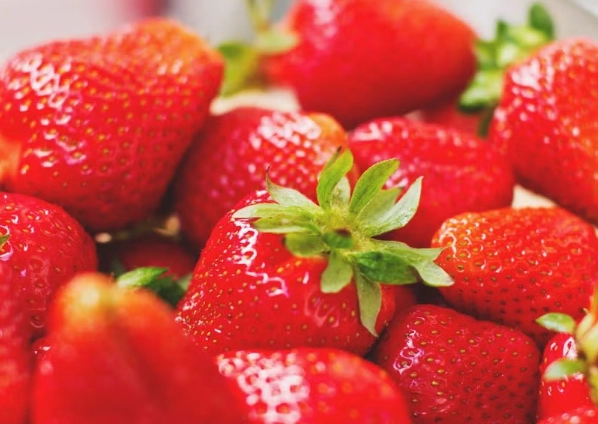
The Sipping Danger: This is the #1 habit I try to break with my patients. Sipping soda, juice, sports drinks, or even a sugary latte over hours. Every sip restarts a 20-30 minute acid attack. If you drink it, finish it in a reasonable time, preferably with a meal. Using a straw can help direct the liquid past your teeth.
The Sour Surprise: The sour candy trend is a dental nightmare. They combine high sugar with intense acidity (citric acid), which both feeds bacteria and directly erodes enamel. They're a double whammy you're better off avoiding.
Here's a personal observation from practice: I see more cavities linked to daily grazing on crackers, pretzels, and constant coffee with sugar than from the occasional birthday cake. Frequency is the silent killer.
Putting It All Together: A Day of Tooth-Friendly Eating
Let's make this practical. Here’s what a day focused on dental nutrition might look like.
Breakfast: Scrambled eggs with spinach (phosphorus, calcium, iron). A side of plain Greek yogurt with a handful of fresh blueberries (calcium, probiotics, polyphenols). Water or unsweetened tea to drink.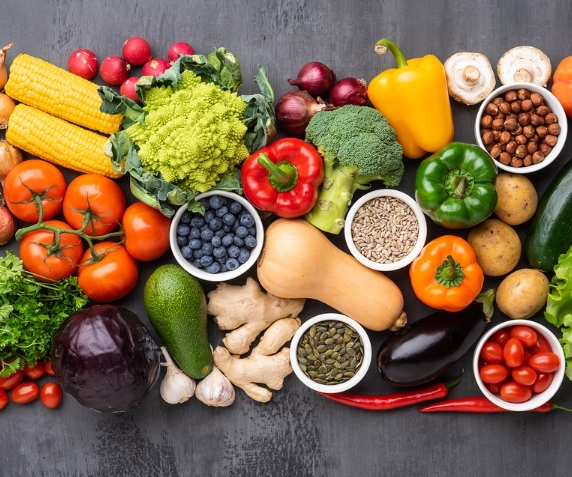
Mid-Morning Snack: An apple and a few almonds. The apple cleanses, the almonds provide protein, phosphorus, and healthy fats that don't feed bacteria.
Lunch: A big salad with grilled chicken, chickpeas, carrots, celery, and a vinaigrette. Crunchy veggies clean teeth, protein and legumes provide phosphorus. Finish with a small cube of cheddar cheese.
Afternoon: If you need a coffee, have it now, but try to limit added sugar. Drink a full glass of water afterward.
Dinner: Baked salmon (phosphorus, vitamin D), steamed broccoli (calcium, fiber), and quinoa. Drink water.
Evening: If you want a treat, dark chocolate (70%+ cocoa) is a better choice than gummy candy. It melts quickly, contains polyphenols, and is less likely to stick. Still, rinse with water.
See the pattern? Meals are combined, snacks are smart and non-sticky, water is the default drink, and acidic or sugary items are contained to specific times, not sipped or grazed on all day.
Your Questions on Food and Teeth, Answered
Final thought. Your diet is a long-term investment in your smile. You don't have to be perfect. Just be more strategic. Choose the cheese plate over the gummy bears. Grab the nuts instead of the chips. Drink the water. Your teeth—and your dentist—will thank you for decades to come.