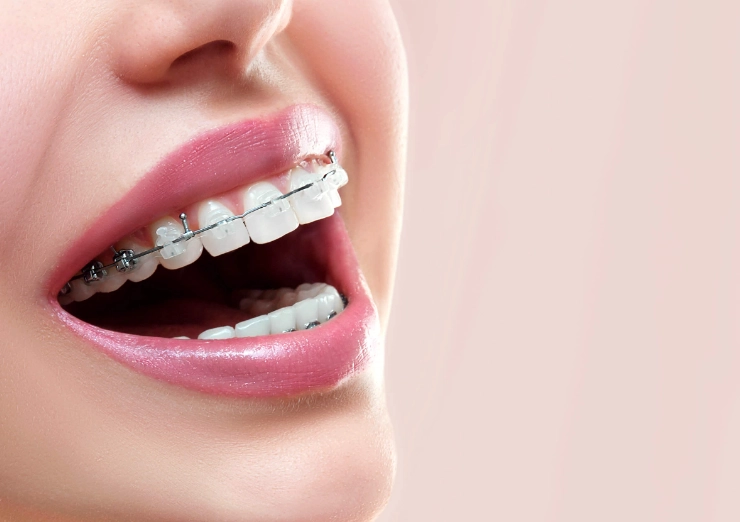
So, you're thinking about metal braces. Maybe your dentist mentioned them, or you've finally decided to tackle that crooked smile you've been hiding in photos for years. The internet is full of polished before-and-afters, but what's it really like? The tightness after adjustments, the food restrictions, the occasional cheek scratch? Let's cut through the marketing gloss. Traditional metal braces are a powerful, time-tested tool, and understanding the full journey—the good, the uncomfortable, and the downright practical—is key to making your decision.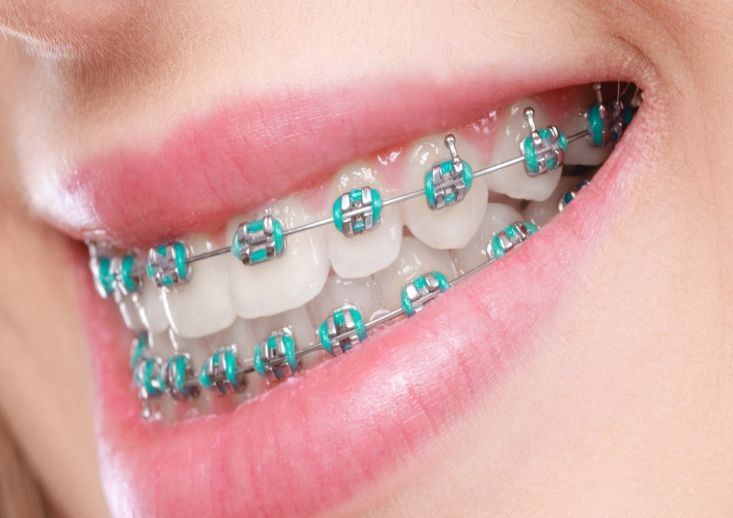
I've seen patients go through this for years, and the most successful ones aren't just compliant; they're informed. They know what to ask, how to prepare, and what pitfalls to avoid. This guide is for them, and for you.
What's Inside This Guide
- The Real Cost of Metal Braces (It's More Than the Sticker Price)
- Your Step-by-Step Journey: From Consultation to Retainer
- Daily Life & Care: The Non-Negotiable Routine
- Metal Braces vs. Invisalign: An Honest, Unbiased Comparison
- Expert Tips & Common Pitfalls to Avoid
- Your Top Questions, Answered Honestly
How Much Do Metal Braces Cost? A Transparent Breakdown
Let's start with the big one. The average cost for metal braces in the US ranges from $3,000 to $7,000. That's a wide range, and it often feels like a black box. Why the variation? It's not arbitrary. Here’s what you're actually paying for: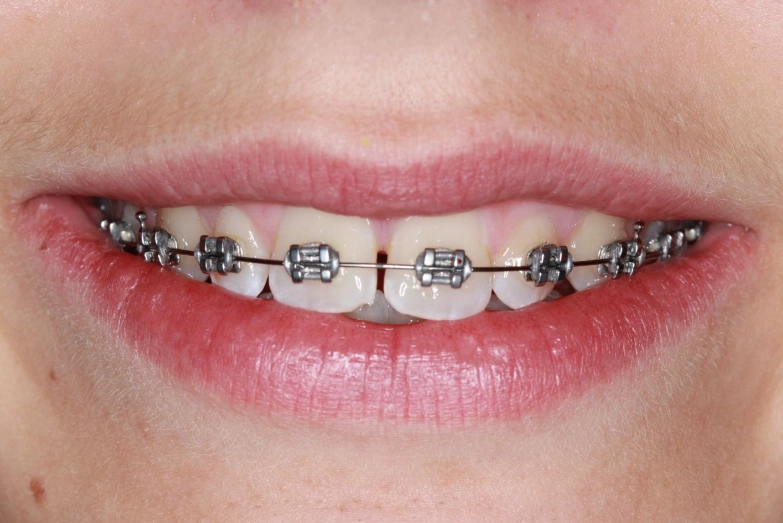
| Cost Factor | Typical Range/Detail | Why It Matters |
|---|---|---|
| Orthodontist's Expertise & Location | Varies by region and practice reputation. | A specialist in Manhattan will charge more than a general dentist in a rural area. Experience matters for complex cases. |
| Case Complexity | Mild crowding vs. severe overbite, crossbite, etc. | Simple alignment is cheaper. Correcting jaw issues or significant crowding requires more appointments, more complex mechanics, and longer treatment time. |
| Treatment Duration | 18-24 months on average. | Longer treatment = more adjustment visits = higher total cost. Your initial estimate should include the projected timeline. |
| Initial Consultation & Records | $100 - $300 (often applied to treatment) | Covers X-rays (like a panoramic or cephalometric), photographs, and digital scans or physical impressions to create your treatment plan. |
| Monthly Adjustments | Included in total cost. | You'll see your orthodontist every 4-8 weeks for wire changes, tightening, and progress checks. This is the core service. |
| Retainers (Post-Treatment) | $200 - $600 per set | Critical and often underestimated. Teeth shift. A quality retainer (like a bonded wire behind your front teeth and a removable one for night) is non-optional to maintain results. Ask if this is included! |
| Emergency Visits | Usually covered, but clarify. | For broken brackets or poking wires. Most plans include a few emergencies; confirm the policy. |
Insurance can offset a chunk, typically $1,500-$2,000 as a lifetime orthodontic benefit. Many practices offer payment plans. The key is to get 2-3 detailed consultations. The cheapest option isn't always the best, but the most expensive one isn't necessarily superior either. Compare the proposed plans and the orthodontist's communication style.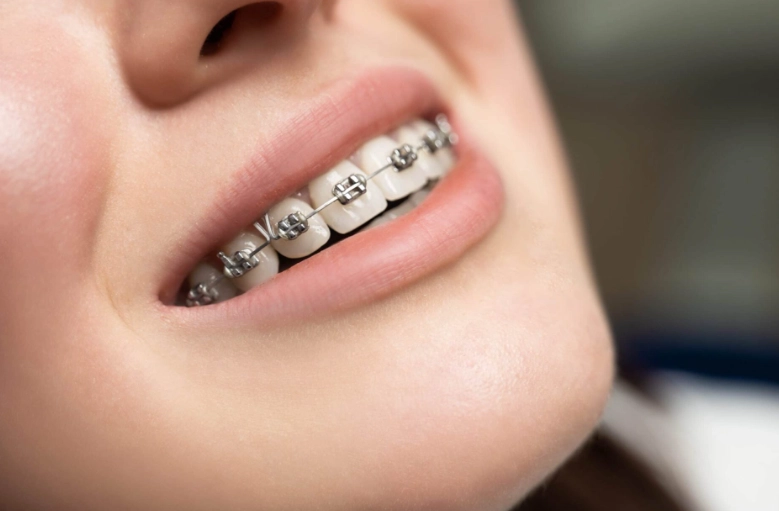
The Metal Braces Journey: What Actually Happens, Step by Step
Knowing the roadmap reduces anxiety. Here's what your 18-24 months will look like.
1. The Consultation and Planning Phase
This isn't just a quick look. A good orthodontist will take comprehensive records. They're building a 3D blueprint of your mouth. They'll discuss your goals—not just "straight teeth," but functional improvements like better bite or easier cleaning. This is your chance to ask every single question, no matter how small. Bring a list.
2. Getting Them On (Bonding Day)
It takes about 1.5-2 hours. Your teeth are cleaned, conditioned, and each bracket is precisely positioned and glued on. Then the archwire is threaded through and secured with elastic bands or clips. It doesn't hurt during the process, but pressure builds within a few hours.
Pro Tip from the Chair: Schedule your bonding appointment for a Friday afternoon if you can. That gives you the weekend to adjust to the feeling and the initial soreness (which peaks around day 2-3) before having to talk a lot at work or school. Stock up on soft foods—mashed potatoes, yogurt, smoothies, soup.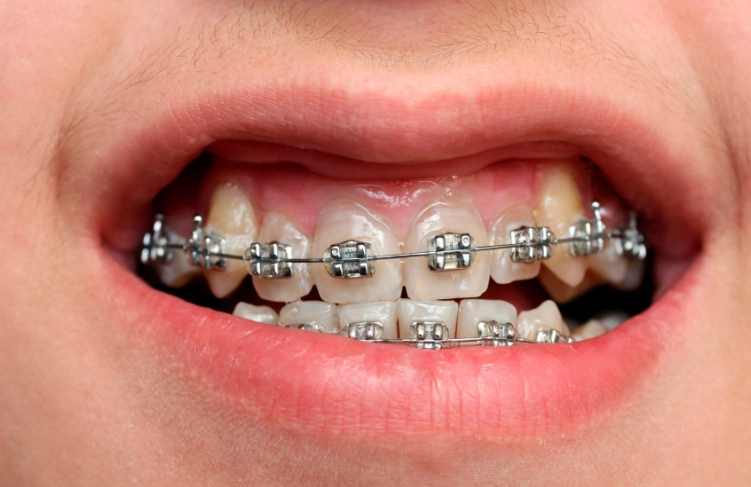
3. The Adjustment Cycle
Every 4-8 weeks, you'll go in for a tighten. The orthodontist changes the wire to a slightly thicker or differently shaped one to guide movement. Soreness returns for 2-3 days each time. This is the engine of the whole process.
4. The Finale: Debanding and Retention
When your teeth are perfect, the braces come off! It's a quick, pressure-free process. Then, impressions or scans are taken for your retainers. This is the most critical phase. I've seen too many patients neglect their retainers and watch their investment slowly revert. Wear them as instructed, forever.
Living with Metal Braces: Your Daily Survival Guide
This is where theory meets reality. Your routine needs an overhaul.
Cleaning is Your New Religion: Food gets trapped everywhere. Brushing after every meal is ideal. You'll need special tools:
- Proxabrush/Interdental Brush: Gets under the wire and between brackets. Non-negotiable.
- Water Flosser: A game-changer. Blasts away debris from hard-to-reach spots before you brush.
- Fluoride Rinse: Helps prevent white spots (decalcification) around brackets, a permanent stain if you're not careful.
The Food Blacklist: It's not just popcorn and gum. Sticky, hard, and chewy foods are bracket-breakers. Think caramels, nuts, hard pretzels, whole apples (cut them up), crusty bread, corn on the cob. A broken bracket means an extra visit and can delay treatment.
Discomfort Management: Orthodontic wax is your best friend for smoothing over a bracket rubbing your cheek. Over-the-counter pain relievers work for adjustment soreness. Rinsing with warm salt water can soothe minor sores.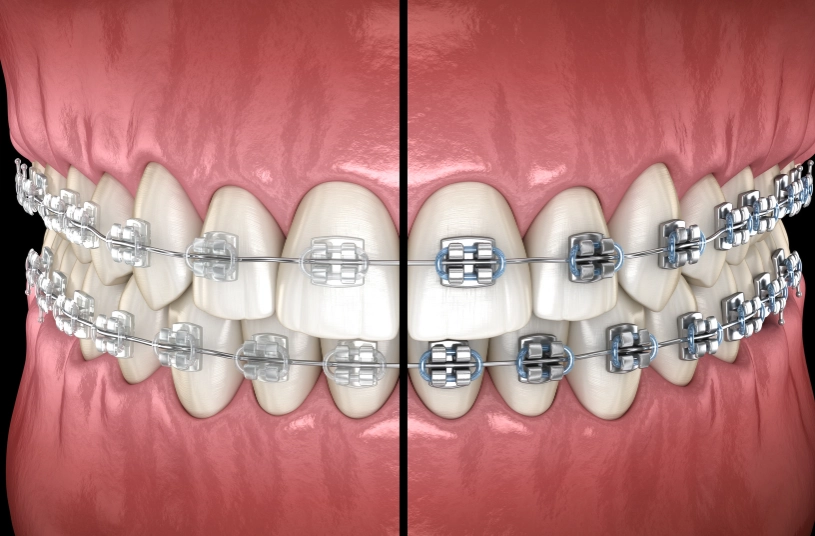
Metal Braces vs. Invisalign: The Real Trade-Offs
This is the most common debate. It's not about which is "better," but which is better for your specific situation and personality.
| Consideration | Traditional Metal Braces | Invisalign / Clear Aligners |
|---|---|---|
| Best For | Complex cases (severe rotations, vertical adjustments, significant bite issues). Teenagers (less reliant on patient compliance). | Mild to moderate crowding/spacing. Adults who prioritize aesthetics. Highly disciplined patients. |
| Key Advantage | Unmatched control and precision for difficult movements. No need to remember to wear them. | Nearly invisible. Removable for eating, drinking, and cleaning. |
| Biggest Disadvantage | Highly visible. Dietary restrictions. More challenging oral hygiene. | 100% reliant on compliance. Must be worn 22+ hours/day. Easy to lose or damage. Treatment can stall if not worn consistently. |
| Cost | Often less expensive for equivalent treatment. | Often comparable or slightly higher. |
A subtle point most don't consider: with metal braces, the orthodontist makes tiny adjustments at each visit based on how your teeth are responding—it's dynamic. With Invisalign, the entire movement sequence is pre-planned digitally. If your teeth don't move as predicted (which happens), you may need mid-course corrections or refinements, extending treatment time.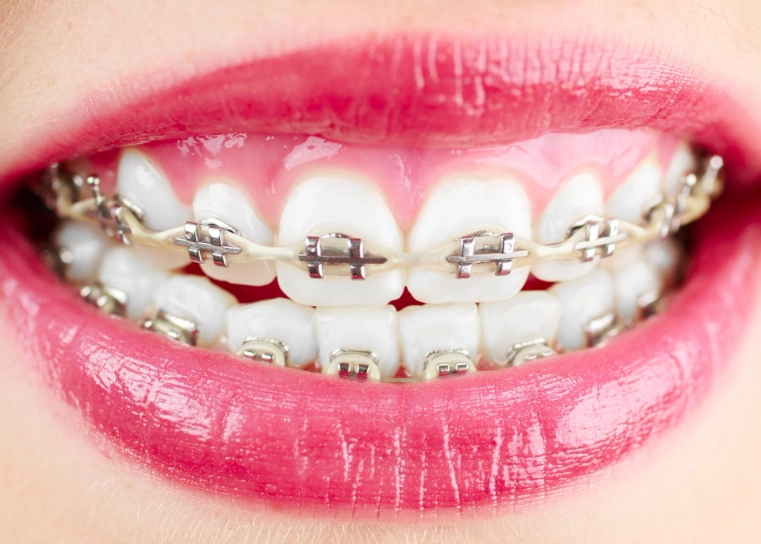
Expert Tips & Common Pitfalls to Sidestep
After years in the field, here are the mistakes I see smart people make.
Pitfall #1: Choosing an Orthodontist Based Solely on Price or Convenience. This is a medical treatment that will change your face and bite. Research their credentials, look at before/after photos of cases similar to yours, and gauge how well they explain things. You're entering a 2-year partnership.
Pitfall #2: Neglecting the Retainer Phase. I'll say it again. The retainer is phase 2 of treatment, not an optional accessory. Budget for it mentally and financially.
Pitfall #3: Poor Oral Hygiene Leading to Permanent Damage. Those white spots around the brackets after removal are permanent enamel scars from plaque buildup. They're more noticeable than slightly crooked teeth were. Your hygiene routine must be militant.
Pitfall #4: Not Speaking Up About Discomfort. A slightly poking wire can be fixed in 30 seconds at your appointment. Don't suffer for weeks until your next scheduled visit. Call the office; they can usually squeeze you in for a quick fix.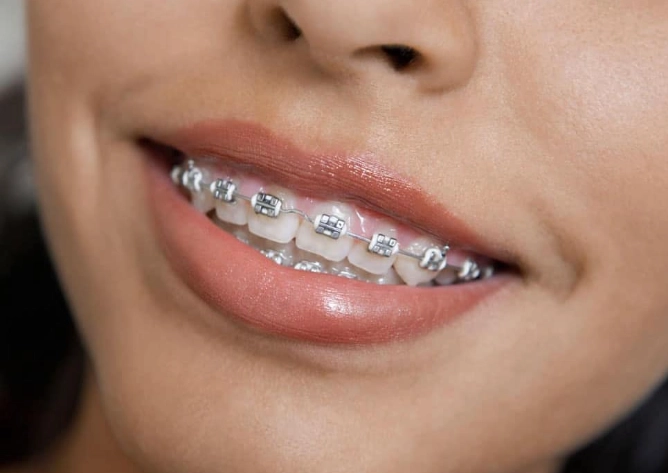
Honest Answers to Your Biggest Questions
Do metal braces hurt all the time?
Can I still play sports or a musical instrument with braces?
What's the one thing people most regret after getting braces?
Are there any new technologies in metal braces, or are they the same as 20 years ago?
How do I know if my orthodontist is doing a good job during treatment?
Metal braces are a commitment. They're not always fun, but they're incredibly effective. By going in with clear eyes—knowing the costs, the routine, the trade-offs, and the common traps—you set yourself up for a smooth journey and a result you'll be genuinely thrilled with for decades. The temporary inconvenience of wires and brackets pales in comparison to the lifelong confidence of a healthy, functional smile.
Do your homework, ask the hard questions at your consultation, and commit to the process. Your future self will thank you.