Let's be honest. We've all seen those lists: "10 Foods for a Hollywood Smile!" You read them, maybe buy some strawberries and celery, then wonder why your coffee habit still wins. The truth about using food to whiten teeth is more nuanced, and frankly, more interesting. It's not magic. It's basic chemistry and mechanics happening in your mouth every time you eat.
I've spent years looking into the intersection of diet and oral health, and the biggest mistake people make is treating this like a quick fix. You can't "rub and reveal." Effective natural whitening is about consistent, smart choices that leverage three key actions: mechanical scrubbing, chemical bleaching, and saliva stimulation. This guide breaks down exactly which foods do what, how to use them correctly, and the subtle pitfalls most articles never mention.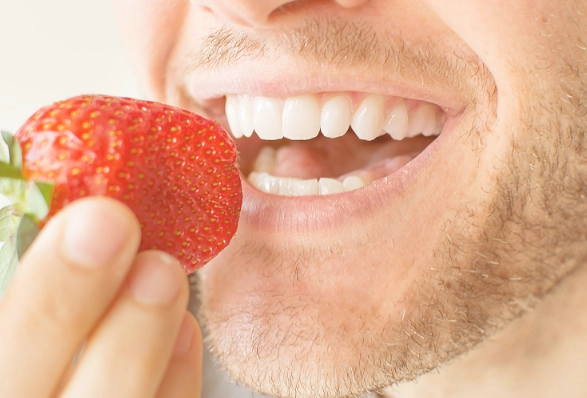
What's Inside?
How Food Actually Whitens Teeth (The Science, Simplified)
Forget the hype. Foods whiten teeth through a few specific, well-understood mechanisms. None involve overnight miracles.
1. The Mechanical Scrubbers: These are firm, fibrous, and crunchy foods. As you chew them, they physically scrub the surface of your teeth, helping to dislodge plaque and newly-forming stain particles before they harden. Think of them as nature's gentle abrasive pads. They also stimulate gums.
2. The Chemical Agents: Certain fruits contain natural acids (like malic acid) or enzymes (like bromelain) that can help break down the compound layer that holds stains to your enamel. It's a mild, superficial action. Crucially, these foods are often acidic, which leads to the next point.
3. The Saliva Stimulators: This is arguably the most important and overlooked mechanism. Saliva is your mouth's natural defense and repair fluid. It neutralizes acids, remineralizes enamel (strengthening it), and washes away food debris and stains. Foods that make you chew a lot or have certain components trigger saliva flow.
The American Dental Association emphasizes that while no food replaces brushing, a healthy diet is foundational for oral health. The key is leveraging these mechanisms without causing harm—like using an acidic fruit as a direct scrub (a big no-no).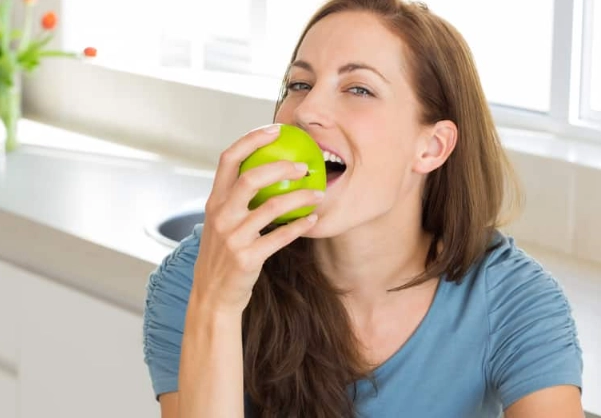
The Whitening Food Arsenal: Scrubs, Bleaches & Protectors
Here’s a breakdown of the top performers, categorized by their primary action. Most good ones play multiple roles.
| Food | Primary Mechanism | How It Works & Pro Tip |
|---|---|---|
| Apples, Celery, Carrots | Mechanical Scrubber / Saliva Stimulator | The high fiber and crunch require lots of chewing. This scrubs surfaces and generates a flood of saliva to rinse away debris. Eat them raw and last in a meal to help "clean up." |
| Strawberries | Chemical Agent (Malic Acid) | Contains malic acid, a natural astringent that can help remove surface discoloration. Critical tip: Eat them whole. The popular "mash and apply" method bathes teeth in acid and sugar—terrible for enamel. |
| Pineapple | Chemical Agent (Bromelain) | Contains the enzyme bromelain, which has anti-stain and anti-inflammatory properties. Again, eat it, don't rub it on your teeth. The acid content demands caution. |
| Hard Cheese & Yogurt | Protector / Saliva Stimulator | Rich in calcium and phosphate, which help remineralize and strengthen enamel. Cheese, especially hard varieties, also raises mouth pH, neutralizing acids and stimulating saliva. A cube after a sugary or acidic meal is a smart move. |
| Nuts & Seeds | Mechanical Scrubber | Their slight abrasiveness helps polish teeth. They're also packed with minerals good for enamel. Almonds and sesame seeds are great choices. |
| Onions (Raw) | Chemical Agent (Sulfur Compounds) | Surprised? Raw onions have antimicrobial sulfur compounds that reduce plaque-forming bacteria. Less plaque means fewer stains setting up shop. The downside is obvious, but it's effective. |
| Broccoli | Mechanical Scrubber / Protector | Eaten raw, the florets act like mini scrub brushes. Research in the European Journal of Dentistry suggests the iron content may help form an acid-resistant film on teeth. |
| Water | The Ultimate Rinse | Not a food, but essential. Swishing with water after eating or drinking anything pigmented physically flushes staining particles away before they adhere. It's the simplest, most effective habit you can build. |
See the pattern? The winners are whole, unprocessed foods that require work to eat. Processed, soft, and sticky foods are the enemies of a white smile—they cling to teeth and feed stain-causing bacteria.
The Saliva Superpower: Your Built-In Whitening Rinse
I want to stress this again because it's so crucial. If you only remember one thing, let it be this: whitening happens in a moist environment. A dry mouth is a stain magnet. Every time you chew a fibrous vegetable or savor a piece of cheese, you're not just getting nutrients—you're activating your personal, free, 24/7 stain-removal and enamel-repair system.
Dry mouth, often caused by medications, breathing through your mouth, or certain diets, dramatically increases staining and decay. If you're trying to whiten your teeth naturally, prioritizing saliva flow is non-negotiable.
Putting It All Together: Your Daily Whitening Food Strategy
This isn't about a "whitening diet" you go on for a week. It's about weaving these principles into your daily routine.
A Sample "Tooth-Friendly" Snack or Meal Enders:
Instead of a cookie or chips, try one of these combos that actively help your teeth:
- The Crunch Cleanse: A few apple slices with a handful of almonds. The apple scrubs, the almonds polish, and both make you salivate.
- The Calcium Finish: A small cube of aged cheddar or a few bites of plain Greek yogurt after lunch. It neutralizes acids and delivers enamel-building minerals.
- The Veggie Rinse: End a meal with a small raw broccoli floret or a piece of celery. It's like a final swipe for your teeth.
Timing matters. Having a cleansing food after a staining food (like coffee or berries) is more helpful than having it before. And always, always follow with water.
Common Mistakes That Undermine Your Efforts
Here's where that "10-year experience" perspective comes in. I've seen these errors repeatedly.
Mistake #1: The Direct Acid Application. Blending strawberries or lemon into a paste and brushing or rubbing it on your teeth is disastrous. You're essentially giving yourself a mini acid bath, which erodes enamel. Once enamel is gone, it's gone for good, and your teeth become more yellow (the underlying dentin shows through) and more susceptible to stains. Just eat the fruit.
Mistake #2: Overlooking the "Binder" Foods. You might eat an apple but then have a caramel latte. The sticky, sugary drink creates a glue-like film that binds stains to your teeth, undoing the apple's good work. Be mindful of sticky dried fruits, soft candies, and sugary drinks.
Mistake #3: Ignoring the pH. Your mouth's pH drops (becomes acidic) after eating. Acid softens enamel. If you immediately brush your teeth after eating an orange or soda, you're brushing away softened enamel. Wait 30-60 minutes for saliva to neutralize the environment. Eating a pH-raising food like cheese or rinsing with water speeds this up.
Mistake #4: Expecting Too Much, Too Fast. Dietary changes are for prevention and mild surface stain removal. If you have deep, set-in stains from years of coffee, tea, or smoking, no amount of broccoli will erase them. For that, you need professional whitening. Think of food as your maintenance crew, not your demolition and renovation team.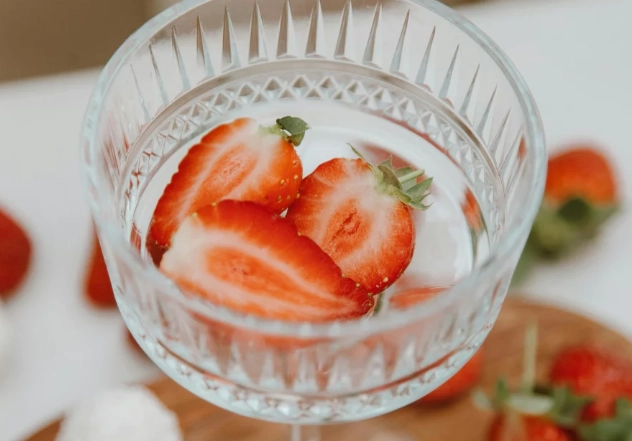
Your Questions, Answered (Beyond the Basics)
Can eating an apple after coffee really prevent stains?
It helps, but don't rely on it alone. The crisp texture of an apple provides a mild mechanical scrubbing action that can dislodge some surface stain particles before they set. Think of it as a quick, natural toothbrush. However, it doesn't neutralize the acids or pigments. For better protection, follow coffee with a drink of water and consider cheese or nuts to help neutralize the oral pH.
Are strawberries safe for whitening teeth, or do they damage enamel?
This is a classic case of getting the method wrong. Rubbing mashed strawberries directly on your teeth is a terrible idea. The malic acid is too concentrated and the sugar can feed bacteria. The safe way is to eat whole strawberries. The chewing action mixes the fruit's components with your protective saliva, diluting the acid while allowing the astringent properties to work on surface stains. Always rinse with water afterward.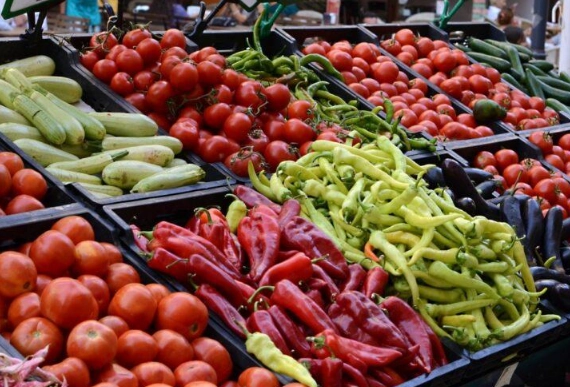
How long does it take to see results from eating whitening foods?
Manage your expectations. This is a gradual, maintenance-focused strategy, not an overnight treatment. You might notice a slight improvement in surface stain reduction within a few weeks if you consistently include crunchy vegetables and cheese in your diet. The primary benefit is preventing new stains from forming and strengthening enamel long-term. For significant whitening of deep-set stains, professional treatments are more effective.
What's the single most overlooked food for a whiter smile?
Plain water. It's not a 'food,' but it's the ultimate companion. Swishing water after eating or drinking anything pigmented (coffee, berries, sauce) physically flushes away staining particles and dilutes acids before they can attack enamel or set in. It also promotes saliva flow. Making a habit of drinking water is the simplest, most cost-effective supporting act for any natural whitening diet.
The path to a naturally whiter smile through food is less about finding a secret berry and more about understanding the daily chemistry in your mouth. It's a commitment to choosing foods that clean, protect, and strengthen, while avoiding those that stick, stain, and erode. Combine this smart dietary approach with good oral hygiene, and you'll have a foundation for a brighter, healthier smile that lasts.