In This Deep Dive
- How Do Crest White Strips Actually Work? It's Not Magic, It's Chemistry
- So, What Kind of Results Can You Realistically Expect?
- Who Are Crest White Strips BEST For? (And Who Should Skip Them)
- The Not-So-Fun Part: Potential Side Effects & Drawbacks
- How to Use Crest Strips for MAXIMUM Effectiveness (And Minimum Problems)
- Crest 3D White Strip Product Lineup: Which One Should You Choose?
- How Long Do the Results Last?
- The Final Verdict: Do Crest White Strips Work?
Let's cut to the chase. You're probably staring at a box of Crest 3D White Strips in the drugstore aisle, or you've got them sitting in your bathroom cabinet, wondering if you're about to waste your time and money. You've seen the ads with those impossibly bright, celebrity-level smiles and you're thinking... really? Can a sticky strip from a box actually do that?
I've been there. I've tried them. More than once, actually. And I've talked to dentists about them, read the clinical studies (yes, they exist), and sifted through hundreds of reviews from people just like you. So, do Crest White Strips work? The short answer is a qualified yes. But—and this is a huge but—it's not a magic wand for every single type of tooth stain, and your experience can vary wildly based on a bunch of factors.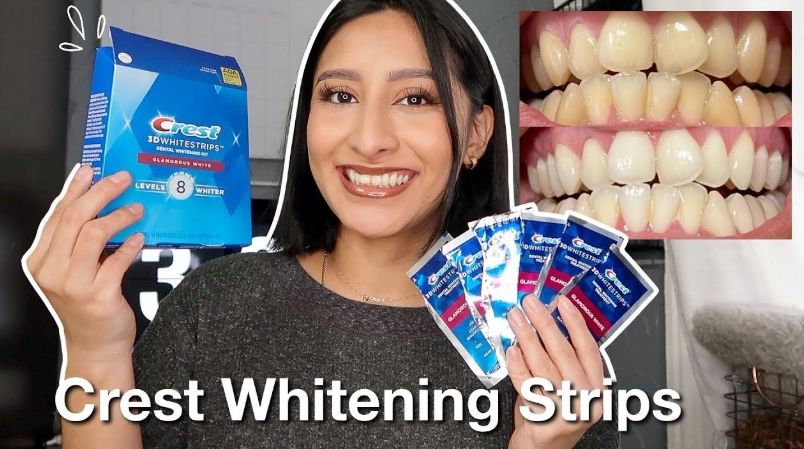
This isn't just a quick thumbs up or down. We're going to unpack everything: the science behind how they whiten, who they work amazingly for, who might be disappointed, the annoying side effects (hello, tooth sensitivity), and how to use them to actually get the best results. By the end, you'll know exactly what to expect, so you can decide if they're the right move for your smile.
How Do Crest White Strips Actually Work? It's Not Magic, It's Chemistry
First things first, understanding how something works tells you a lot about what it can and can't do. Crest White Strips aren't sandpaper scrubbing your enamel away. The active ingredient is usually hydrogen peroxide or carbamide peroxide, which are the same bleaching agents used in many professional dental offices, just at a lower concentration you can use at home safely.
Here's the simple chemistry: the peroxide gel penetrates your tooth enamel and breaks down the discolored molecules (the chromogens) that are causing the stains. It oxidizes them, breaking them into smaller, colorless pieces. Think of it like bleach for your laundry—it doesn't remove the shirt, it changes the stain itself. The sticky strip is just a delivery system that holds the gel tightly against your teeth for long enough (usually 30 minutes to an hour) for this chemical reaction to happen.
This is a key point. The strips physically whiten your teeth by altering stain molecules, they don't just polish surface gunk. That's why they can tackle stains from inside the tooth, like those from aging or certain medications, which regular toothpaste can't touch. The American Dental Association (ADA) has even granted its Seal of Acceptance to specific Crest 3D White strip products, which means an independent panel of experts reviewed scientific evidence and found them to be safe and effective for whitening when used as directed. You can check their official stance on whitening products on the ADA's Oral Health Topics page for tooth whiteners.
So, What Kind of Results Can You Realistically Expect?
This is where managing expectations is everything. Crest doesn't pull its results out of thin air. Many of their products cite results from clinical studies. For example, their Professional Effects variant often claims "up to 20 shades whiter" in the lab. Now, a "shade" in dentistry is a specific, measured unit on a guide. Moving 20 shades is a dramatic change.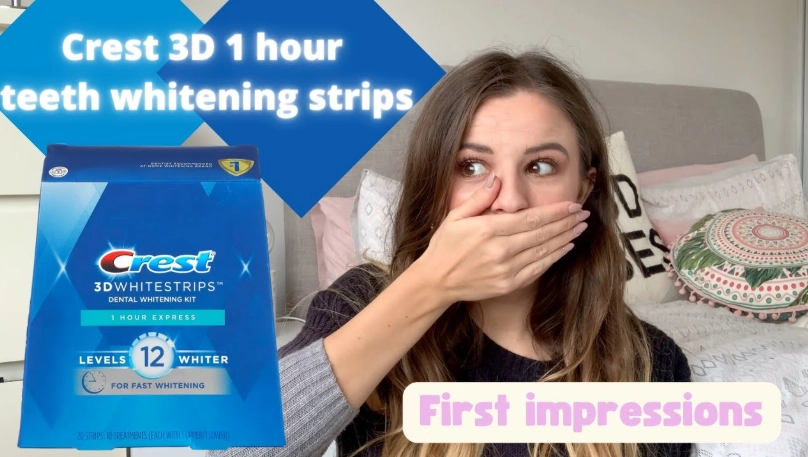
But here's the real-world translation: you probably won't hit the absolute maximum lab result. Most people see a noticeable, satisfying improvement. We're talking teeth that look cleaner, brighter, and several shades lighter. The stains from daily life—coffee, tea, soda, soy sauce, berries—typically respond very well.
To give you a clearer picture, let's break down what typically works great and what's tougher to tackle.
Stains That Crest Strips Handle Well (The Good News)
- Extrinsic Stains: These are surface stains from food, drinks, and smoking. Coffee, tea, red wine, cola, curry, tomato sauce—these are the prime targets. Strips are excellent for this.
- Mild Age-Related Yellowing: As we age, the outer enamel wears thin, revealing more of the naturally yellow dentin underneath. Whitening can brighten the enamel, counteracting this effect.
- General Dullness: That overall lack of "sparkle" that builds up over time.
Stains That Are Trickier (The Reality Check)
- Intrinsic Stains: These are stains that come from within the tooth, like those caused by certain antibiotics (tetracycline) taken during childhood or excessive fluoride (fluorosis). These stains are deep and can be gray or brown-streaked. Crest strips might lighten them somewhat, but they often can't eliminate them completely. Professional, stronger in-office treatments have a better shot.
- Stains from Trauma: A tooth that's been damaged may turn dark gray. This usually requires internal bleaching by a dentist.
- Very Dark or Set-In Stains: Years of heavy smoking or drinking dark liquids can create deeply embedded stains that require more power or time.
The bottom line? For the vast majority of people with common, everyday stains, the answer to "do Crest White Strips work?" is a resounding yes. They are highly effective. For more severe or intrinsic discoloration, temper your expectations and consider consulting a dentist.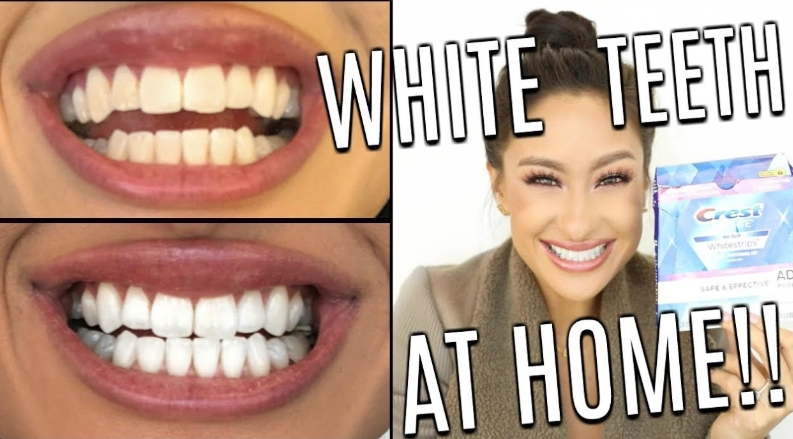
Who Are Crest White Strips BEST For? (And Who Should Skip Them)
Not every product is for every person. Knowing where you fit can save you frustration.
The Ideal Candidate:
- Adults with generally healthy teeth and gums. No cavities, no untreated gum disease.
- People with yellow or brown surface stains from lifestyle factors.
- Anyone looking for a convenient, at-home option that's cheaper than a professional treatment.
- People with realistic expectations who understand it's a gradual process.
Who Might Want to Think Twice or See a Dentist First:
- People with sensitive teeth or gums. The peroxide can irritate gums and cause significant tooth sensitivity. It's often temporary, but it can be unpleasant. If you already have sensitivity, proceed with caution.
- People with lots of dental work. The strips only whiten natural tooth enamel. They will NOT change the color of crowns, veneers, fillings, or dentures. If you have visible front fillings or a crown, whitening your natural teeth could create a mismatched, patchy look, necessitating expensive replacement work.
- People with cavities or gum recession. Applying bleach to exposed dentin or cavities can cause severe pain and damage. Get your teeth checked and cleaned first!
- Pregnant or breastfeeding women. While studies are limited, most dentists recommend erring on the side of caution and avoiding non-essential whitening during this time.
- Children and teenagers. Their teeth and nerves are still developing.
The Not-So-Fun Part: Potential Side Effects & Drawbacks
Let's be honest, no review is complete without talking about the downsides. I'm not here to sell you anything, so here's the unfiltered truth about what can go wrong or just be plain annoying.
Tooth Sensitivity: This is the big one. As the peroxide works its way into your teeth, it can temporarily increase sensitivity to hot, cold, or sweet things. For some people, it's a minor tingle. For others, it can be sharp and painful. It usually goes away a few days after you stop the treatment. Using a toothpaste for sensitive teeth (like Sensodyne) for two weeks before and during your whitening can really help.
Gum Irritation: If the gel oozes out from under the strip and touches your gums, it can cause a temporary chemical burn or irritation—a white, sore spot. This is why precise application is key. Don't overstuff the strip with gel, and wipe away any excess immediately with a dry finger or towel.
Uneven Whitening: If the strips don't conform perfectly to your teeth, you might get lighter spots where the gel had good contact and darker spots where it didn't. This is more common if your teeth are very crowded or uneven.
The "Fuzz" Factor: Some people hate the feeling of the strips. They can feel bulky, make you drool a bit, and you definitely can't eat or drink while wearing them. It's a 30-60 minute commitment where you just... sit there. Not exactly glamorous.
I'll admit, during one particularly aggressive whitening cycle I tried, the sensitivity was real. Drinking iced water made me wince for a couple of days. It reminded me that this is a chemical process, not a cosmetic cover-up.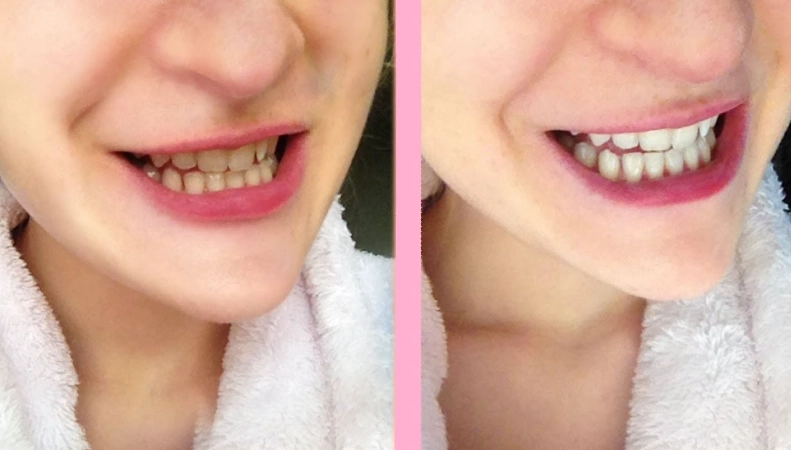
How to Use Crest Strips for MAXIMUM Effectiveness (And Minimum Problems)
You can drastically improve your results and reduce side effects by following these steps. Don't just slap them on.
- Start with Clean, Dry Teeth. Brush and floss first, but don't use a whitening toothpaste right before (it can increase sensitivity). Dry your teeth with a tissue—the strips adhere much better to dry enamel.
- Apply Precisely. Peel the strip off the plastic backing. Apply the gel-covered side to your teeth, starting with the front center and pressing outward. Smooth it down firmly, conforming it to the shape of each tooth. Fold the excess end over the back of your teeth if the strip is long.
- Set a Timer. Don't guess. Use the exact time on the box—usually 30 minutes for the standard ones, 5-10 minutes for the "Advanced" or "1-Hour Express" versions. More time does NOT mean better results; it means more risk of sensitivity.
- Remove & Discard. Peel off gently. Rinse your mouth thoroughly to remove any leftover gel. Rinse the strips down the drain or throw them in the trash.
- Avoid Staining Agents for 1-2 Hours. Your enamel pores are slightly more open after whitening. Avoid coffee, tea, red wine, dark soda, and colored foods (like berries or curry) for a while to prevent new stains from setting in immediately.
Crest 3D White Strip Product Lineup: Which One Should You Choose?
The lineup can be confusing. Glamorous White? Professional Effects? Luxe? Supreme? What's the difference? It mostly comes down to two things: peroxide concentration and wear time. Higher concentration or longer wear time generally means faster/more dramatic results, but also a higher chance of sensitivity.
Here’s a simplified breakdown of some popular options:
| Product Name | Key Feature / Claim | Typical Wear Time | Best For... |
|---|---|---|---|
| Crest 3D White Professional Effects | Often the standard, "up to 20 shades whiter" claim | 30 minutes, twice daily | First-timers, standard course of treatment (often 10-20 treatments) |
| Crest 3D White 1 Hour Express | Speed | 1 hour, once daily | People who want faster results in fewer days, less daily fuss |
| Crest 3D White Whitestrips with Light | Includes an LED light (academic debate on if lights add much) | 5-10 minutes | Those attracted to the "tech" aspect, very short treatment time |
| Crest 3D White Supreme Flexfit | "No-Slip Grip" material, designed to stay put better | 30 minutes | People who struggle with strips sliding or not adhering well |
| Crest 3D White Glamorous White | Often a higher concentration for more dramatic results | 30 minutes | Those seeking maximum whitening power (expect more sensitivity) |
My personal go-to has been the Professional Effects. It's the classic for a reason. The 1-Hour Express felt a bit harsher on my gums, but that's just my experience.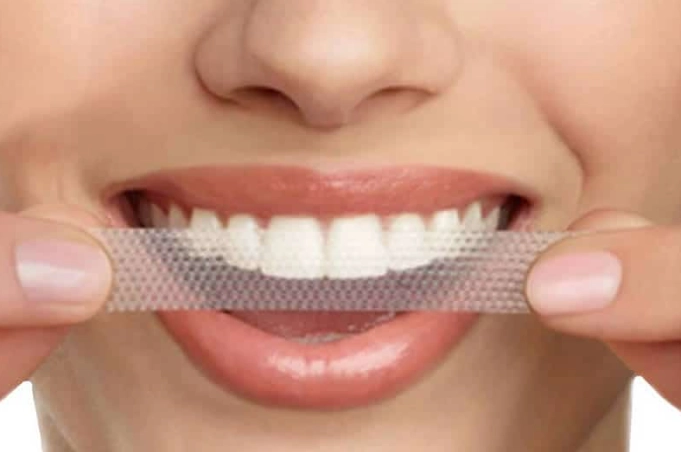
How Long Do the Results Last?
This is the million-dollar question. Whitening isn't permanent. Your teeth are constantly exposed to staining agents. The results from Crest strips typically last anywhere from 6 months to a year, sometimes longer with excellent maintenance.
To make your results last:
- Use a whitening toothpaste a few times a week to combat new surface stains.
- Drink staining beverages through a straw when possible.
- Rinse your mouth with water after consuming coffee, wine, etc.
- Consider a single "touch-up" strip every 3-6 months. Many kits come with a few extras for this purpose.
The Final Verdict: Do Crest White Strips Work?
After all this, let's circle back to the core question: do Crest White Strips work?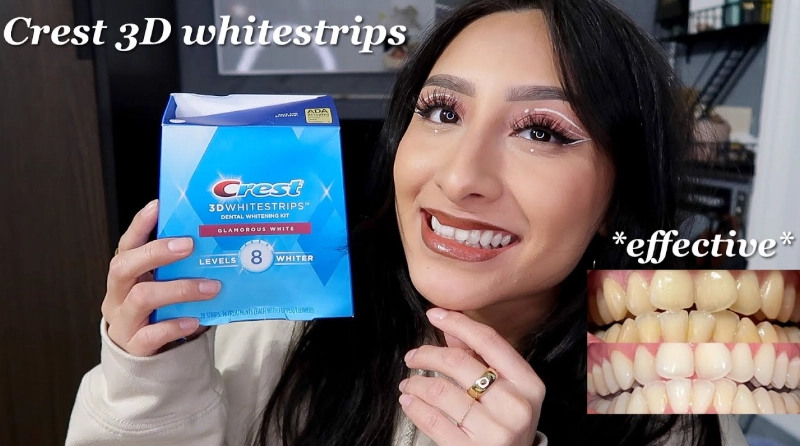
For the vast majority of people looking to remove common, extrinsic stains and brighten their smile by several shades, yes, they absolutely do work. They are a proven, cost-effective, and convenient way to whiten teeth at home. The science is solid, the ADA recognizes specific products, and millions of positive user experiences back it up.
But they are not a universal miracle cure. They work best on yellow/brown surface stains. They can cause sensitivity. They require consistency and proper technique. And they won't change the color of dental work.
My advice? If you have healthy teeth and realistic expectations, they are absolutely worth a try. Start with a standard kit like Professional Effects. Follow the instructions to the letter. Manage your expectations—you're getting a brighter version of your smile, not someone else's. And if you have any dental concerns at all, see your dentist first. They can give you personalized advice and might even offer a better solution for your specific situation.
Ultimately, the proof is in the results. For the price of a nice dinner out, you can likely answer the question "do Crest White Strips work" for yourself, with your own smile as the evidence.