You wake up. Your jaw feels like you’ve been chewing gravel all night. A dull headache pulses behind your eyes. Maybe you even hear a faint clicking when you open your mouth wide. If this sounds familiar, you’re not just having a rough morning—you’re likely experiencing bruxism, the medical term for teeth grinding and clenching. And if I had to bet, stress is playing the lead role in this nightly drama.
I’ve worked with patients on this for years. The most common thing I hear? “But I don’t feel that stressed.” Here’s the kicker: your conscious mind and your jaw’s nervous system are on different schedules. Bruxism, especially the sleep bruxism that happens at night, is your body’s physical outlet for tension it hasn’t processed during the day. It’s a subconscious habit, often fueled by anxiety, pressure, or an overactive nervous system.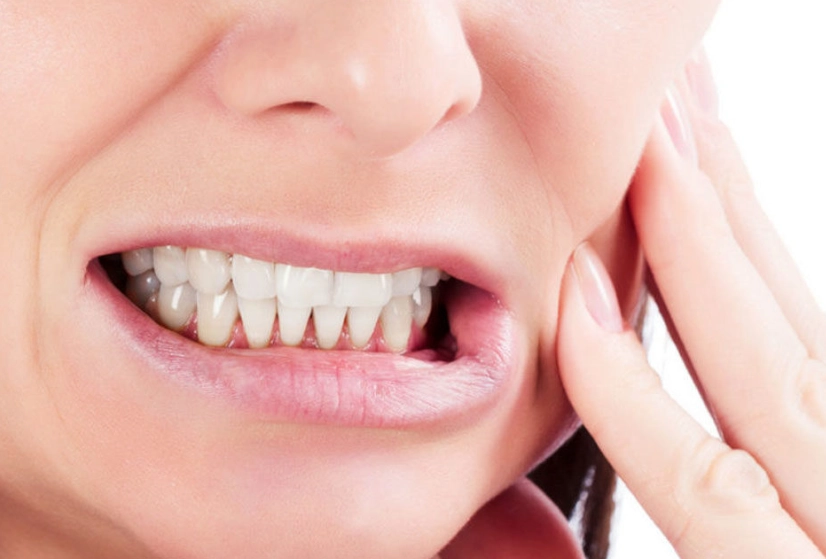
This isn’t just about saving your teeth (though that’s a huge part). It’s about short-circuiting a cycle where stress causes grinding, grinding ruins your sleep, and poor sleep makes you less able to handle stress. It’s a vicious loop.
What’s Inside This Guide
The Stress-Bruxism Cycle: A Vicious Loop Explained
Let’s get specific. Stress doesn’t just “cause” grinding like a simple on-off switch. It sets off a cascade in your body that primes your jaw for action.
When you’re under chronic stress, your body stays in a low-grade “fight-or-flight” mode. Your sympathetic nervous system is revved up. Cortisol and adrenaline levels are higher than they should be at rest. This state of hyperarousal doesn’t magically disappear when you close your eyes. In fact, sleep is when your brain processes the day’s events—including all that unresolved tension.
For some people, this processing manifests as bruxism. Your jaw muscles, some of the strongest in your body, become the physical release valve. You’re literally grinding through your problems.
Here’s the non-obvious part everyone misses: It’s not just about big, life-altering stress. It’s the micro-stressors. The constant ping of notifications, the background worry about a work deadline, the mental load of managing a household, the low-grade frustration from a long commute. This constant cognitive load keeps your nervous system buzzing, and for many, the jaw is where that buzz settles.
And the loop tightens. Grinding fragments your sleep. You spend less time in deep, restorative sleep stages. The American Sleep Apnea Association notes that sleep disturbances and bruxism often go hand-in-hand. You wake up fatigued, with muscle pain, and less resilient to the next day’s stressors. Your ability to cope dips, your tension rises, and the stage is set for another night of grinding.
See the problem? It’s self-perpetuating.
How to Break the Cycle: A Practical, Two-Pronged Approach
Tackling bruxism effectively means attacking it from both sides: protecting your teeth and addressing the root tension. Doing only one is like putting a bucket under a leaky ceiling without fixing the roof.
Prong 1: Physical Protection and Awareness
This is the damage control side. Your teeth and jaw need immediate relief.
The Gold Standard: A Custom Night Guard. Not a cheap, bulky boil-and-bite from the pharmacy. I’m talking about a guard made from a mold of your teeth by a dentist. The difference is night and day. A proper guard is slim, fits perfectly, and creates a smooth, even surface that prevents tooth damage and can slightly relax the jaw muscles by discouraging the most forceful clenching. It’s an investment, but compared to the cost of crowns, root canals, or jaw surgery down the line, it’s a no-brainer.
Daytime Awareness Training. This is where you can make huge gains. Most daytime clenchers have no idea they’re doing it. Set random phone alarms labeled “Jaw Check.” When it goes off, ask yourself:
- Are my teeth touching?
- Is my jaw clenched?
- Are my shoulders up by my ears?
The goal isn’t to tense up trying not to clench. It’s to cultivate awareness. When you notice tension, don’t just force your jaw open. Instead, place the tip of your tongue on the roof of your mouth just behind your front teeth, breathe deeply, and let your jaw muscles go slack. This “lips together, teeth apart, tongue up” position is a neutral, restful posture for your jaw.
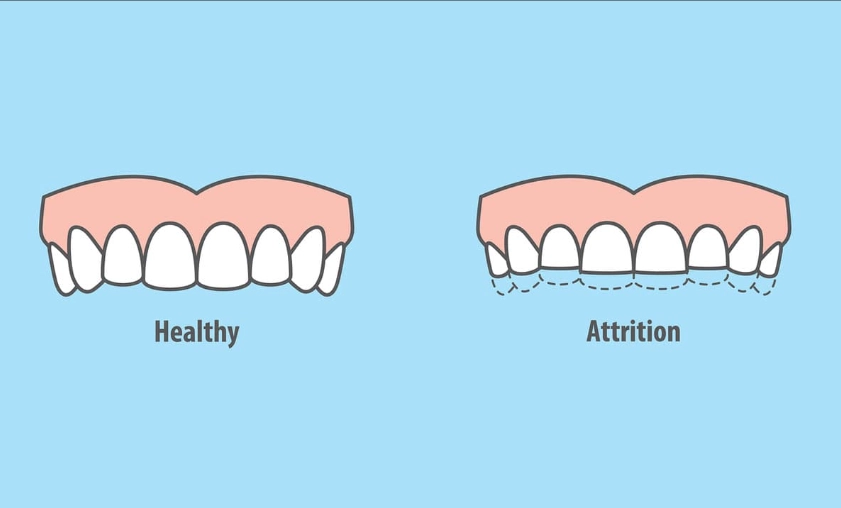
A common mistake: People buy a night guard and think they’re done. The guard is a tool, not a cure. If you don’t work on the stress/tension side, you’ll just grind harder into the guard, potentially worsening muscle fatigue and pain. The guard protects your teeth; the next step protects your entire system.
Prong 2: De-stressing the Nervous System
This is the long-game, root-cause work. You’re teaching your body to downshift out of fight-or-flight.
Targeted Jaw and Neck Relaxation. Generic “relaxation” doesn’t cut it. You need to speak directly to the clenched muscles. Try this simple exercise before bed: Apply warm heat to the sides of your face (over the masseter muscles) for 5 minutes. Then, using your fingertips, gently massage in small circles along your jawline, starting at the chin and moving back towards your ears. Open your mouth slightly as you do this. Follow it up by gently massaging the muscles at the base of your skull and down your neck. This sends a direct signal that it’s time to switch off.
Breathwork to Hack Your Nervous System. When you’re stressed, you breathe shallowly from your chest. To trigger your body’s relaxation (parasympathetic) response, you need diaphragmatic breathing. Lie down, place one hand on your chest and one on your belly. Breathe in slowly through your nose for a count of 4, feeling your belly rise. Hold for 2. Exhale slowly through pursed lips for a count of 6, feeling your belly fall. Do this for just 5 minutes in bed. That extended exhale is the key—it’s a physiological brake on stress.
Create a “Brain Dump” Ritual. An hour before bed, take 10 minutes to write down everything on your mind. Tasks, worries, ideas, annoyances. Get it out of your head and onto paper. This act tells your brain, “It’s noted. We can stop processing this now.” It’s surprisingly effective at reducing nocturnal mental churn that can fuel grinding.
When to Get Professional Help (And What to Ask For)
If self-management isn’t cutting it, or your symptoms are severe, it’s time to bring in the pros. Don’t just go to one.
Start with a Dentist. They can assess the damage to your teeth, diagnose bruxism, and make that essential custom night guard. A good dentist will also look for signs of sleep-disordered breathing, like sleep apnea, which is a major trigger for bruxism. Ask them: “Based on the wear patterns, do you suspect I grind more at night or clench during the day?” and “Can you evaluate my bite and jaw joint (TMJ) for any issues related to the grinding?”
Consider a Physical Therapist (Specializing in TMJ). This is a game-changer for many. They don’t just look at your jaw; they look at your posture, your neck, your shoulders—the whole kinetic chain. They can teach you specific exercises to retrain your muscles, use manual therapy to release trigger points, and provide biofeedback. Ask them: “Can you assess my head and neck posture for contributors to my jaw tension?”
Talk to Your Doctor. Rule out other contributing factors like sleep apnea, medication side effects (some SSRIs can increase bruxism), or nutritional deficiencies (like magnesium, which plays a role in muscle relaxation). In some persistent cases, they might discuss short-term muscle relaxants or referrals to a sleep specialist.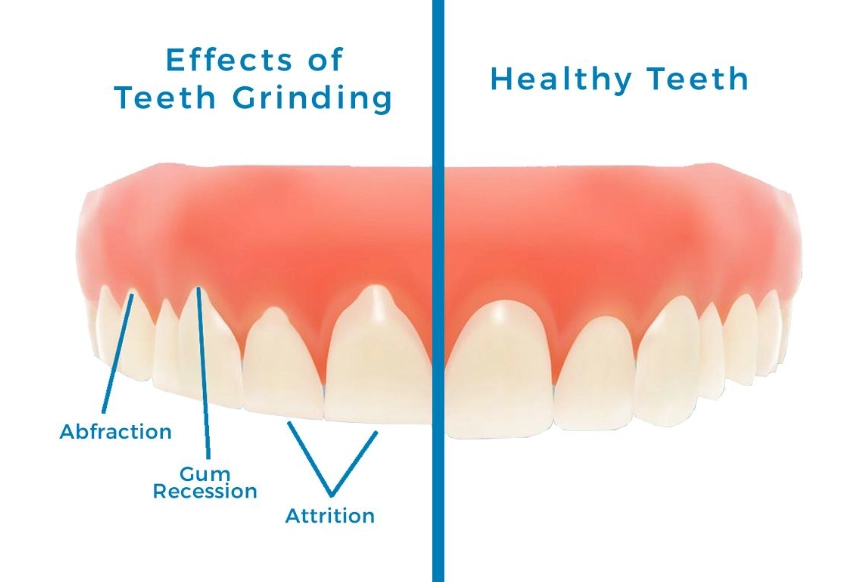
Your Bruxism Questions, Answered
 What's the biggest mistake people make when trying to stop clenching?
 The link between bruxism and stress is real, complex, and treatable. It requires you to be a detective in your own life, connecting the dots between your daily pressures and your body’s nighttime reactions. Start with awareness—notice the clenching, notice the tension. Then, take the two-pronged approach: protect your smile with professional help, and calm your nervous system with targeted practices. It’s not an overnight fix, but breaking that grinding cycle is one of the most impactful things you can do for your long-term oral health, your sleep, and your overall well-being.