If you're waking up with a sore jaw, headaches, or noticing worn-down teeth, you might be grinding your teeth at night—a condition called bruxism. It's more common than you think, and left untreated, it can lead to serious dental damage. But here's the good news: effective bruxism treatment exists, and it doesn't have to be complicated. In this guide, I'll walk you through the top options, based on years of seeing patients struggle and succeed. We'll cover everything from custom night guards to sneaky stress triggers, plus costs and insurance tips. Let's dive in.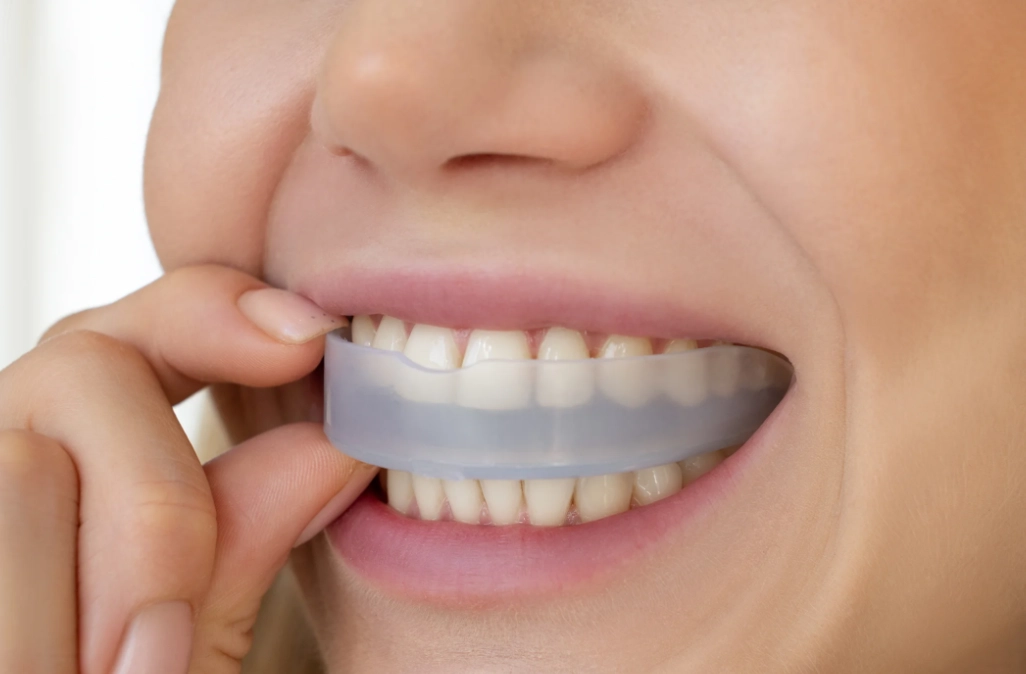
What You'll Find in This Guide
- What Exactly is Bruxism and Why Treat It?
- The Most Effective Bruxism Treatment Methods (Ranked)
- How Much Does Bruxism Treatment Cost? Insurance Tips Included
- Choosing the Right Treatment: A Step-by-Step Guide
- Long-Term Strategies to Prevent Bruxism from Coming Back
- Your Bruxism Treatment Questions Answered
What Exactly is Bruxism and Why Treat It?
Bruxism is the medical term for clenching or grinding your teeth, often unconsciously during sleep. It's not just a bad habit—it's a condition that can stem from stress, sleep disorders like apnea, or even misaligned teeth. According to the American Dental Association, about 10-15% of adults experience it, but many don't realize it until a dentist points out enamel wear.
Why treat it? Ignoring bruxism can lead to cracked teeth, jaw disorders (like TMJ), chronic pain, and expensive dental repairs. I've had patients who waited too long and ended up needing crowns or root canals. Treating it early saves money and discomfort.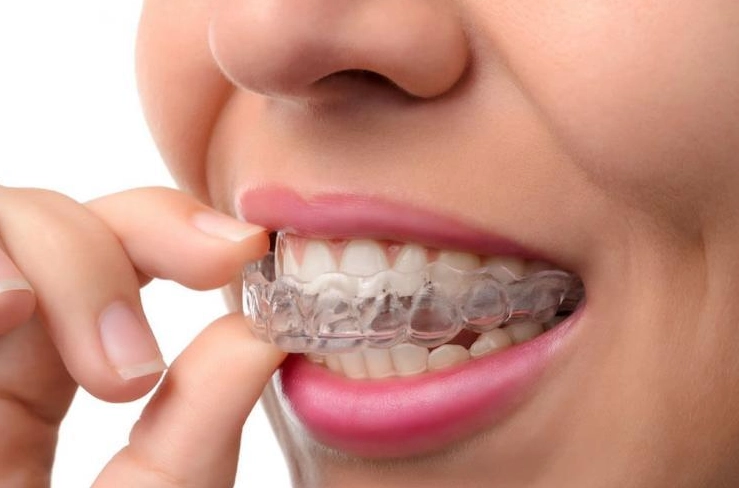
Quick tip: If you wake up with jaw tenderness or your partner hears grinding noises at night, it's time to see a dentist. Don't brush it off as normal stress.
The Most Effective Bruxism Treatment Methods (Ranked)
Not all treatments are created equal. Based on effectiveness and patient feedback, here's a breakdown of the top options.
Custom-Fitted Night Guards: Why They're the Gold Standard
A custom night guard, made from impressions of your teeth, is the go-to treatment for most people. It acts as a cushion, preventing teeth from grinding against each other. The key here is custom—over-the-counter guards often fit poorly and can worsen the problem by forcing your jaw into an awkward position.
Cost: $300 to $1,000, depending on material (soft, hard, or dual-laminate). They last 1-3 years with proper care. I recommend the hard type for heavy grinders; it's more durable.
Behavioral Therapy and Stress Management: More Than Just "Relaxing"
If stress is a trigger, therapy can help. But it's not just about taking deep breaths. Cognitive-behavioral therapy (CBT) targets the underlying anxiety, while biofeedback teaches you to control jaw muscle tension. I've seen patients reduce grinding by 50% with consistent practice over 3-6 months.
Common mistake: People try relaxation apps but give up too soon. It takes daily effort—like 10 minutes of mindfulness before bed.
Medications and Botox Injections: When Other Methods Fall Short
For severe cases, medications like muscle relaxants (e.g., cyclobenzaprine) or Botox injections might be recommended. Botox temporarily weakens the masseter muscles, reducing grinding force. Effects last 3-6 months, and costs range from $500 to $1,000 per session. It's not a cure, but it can provide relief while you work on other treatments.
Note: Botox is off-label for bruxism, so insurance coverage varies. Always consult a specialist.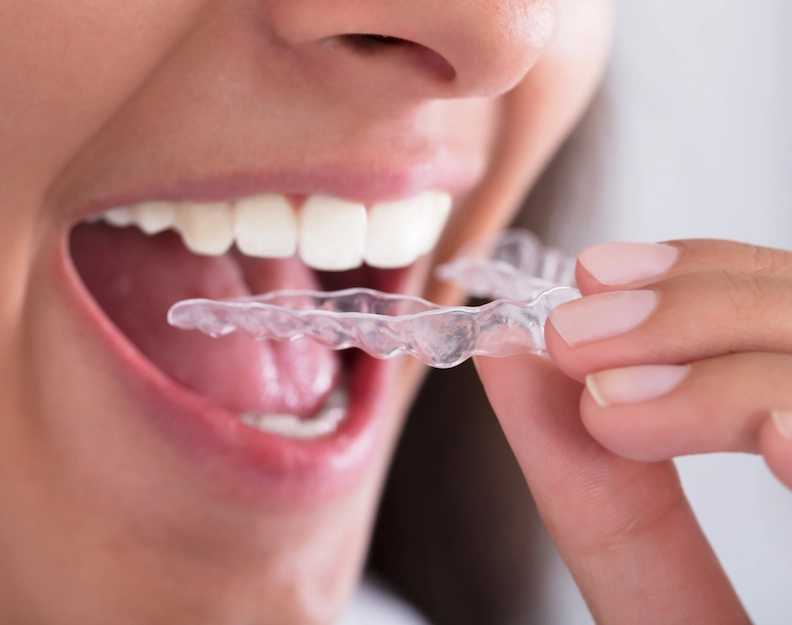
| Treatment Method | Average Cost | Effectiveness | Best For |
|---|---|---|---|
| Custom Night Guard | $300 - $1,000 | High | Most bruxism cases, especially nighttime grinding |
| Behavioral Therapy | $100 - $200/session | Moderate to High | Stress-related bruxism, mild to moderate cases |
| Botox Injections | $500 - $1,000/treatment | High for symptom relief | Severe grinding, when other treatments fail |
How Much Does Bruxism Treatment Cost? Insurance Tips Included
Let's talk money. Bruxism treatment can be pricey, but there are ways to manage it.
Custom night guards: As mentioned, $300-$1,000. Many dental insurance plans cover part of the cost if it's deemed medically necessary—usually 50-80%. Check your plan's "oral appliance" coverage. For example, Delta Dental often includes it under major services.
Behavioral therapy: Sessions cost $100-$200 each. Some health insurance plans cover mental health services, so submit claims accordingly.
Botox: Typically $500-$1,000 per treatment. Medical insurance might cover it if linked to a condition like TMJ disorder, but pre-authorization is crucial.
Pro tip: Ask your dentist for a pre-treatment estimate and insurance codes. I've helped patients save hundreds by navigating this paperwork.
Choosing the Right Treatment: A Step-by-Step Guide
Feeling overwhelmed? Here's a simple process to decide.
- Get a diagnosis: Visit a dentist for an exam. They might recommend a sleep study if sleep apnea is suspected.
- Assess severity: Mild bruxism might respond to stress management, while moderate to severe cases often need a night guard.
- Consider lifestyle: If you're highly stressed, combine a guard with therapy. For budget concerns, start with a custom guard—it's a one-time investment.
- Try and adjust: Treatment isn't always perfect on the first try. I've adjusted night guards multiple times for some patients.
Personal story: One patient, Sarah, tried a store-bought guard first. It caused more pain, so she switched to a custom one and saw improvement in days. Lesson: Don't skip the professional fit.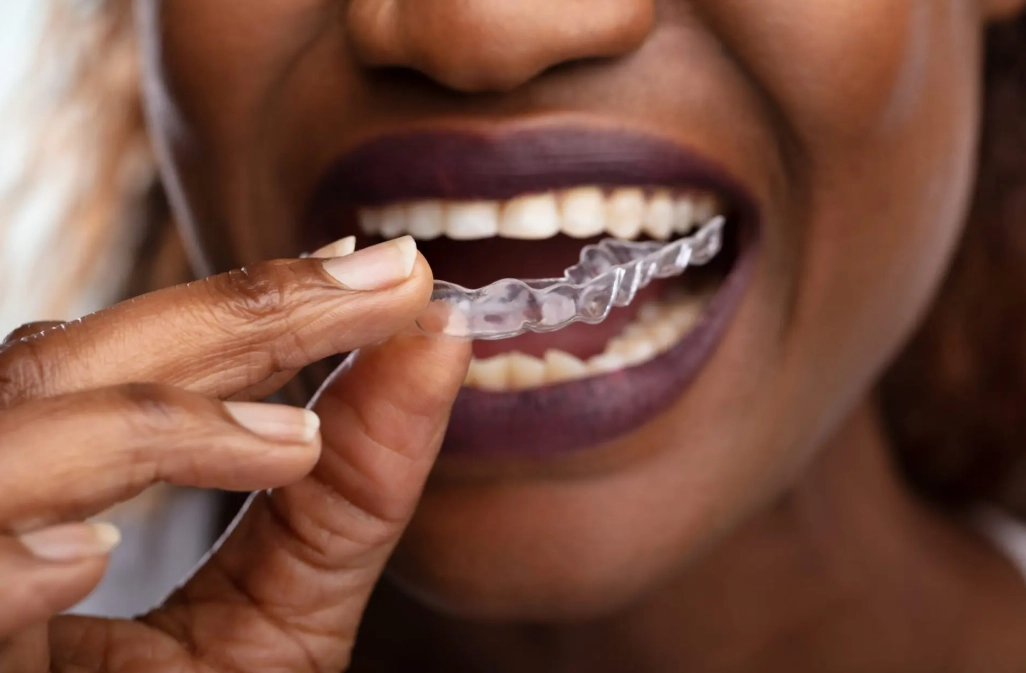
Long-Term Strategies to Prevent Bruxism from Coming Back
Treatment isn't just a quick fix; it's about long-term management.
- Regular dental check-ups: See your dentist every 6 months to monitor wear and tear.
- Stress maintenance: Incorporate daily relaxation techniques—even a short walk helps.
- Sleep hygiene: Improve sleep quality by avoiding caffeine before bed and maintaining a consistent schedule.
- Jaw exercises: Gentle stretches can reduce tension. Try opening and closing your mouth slowly a few times a day.
I've noticed that patients who stick with these habits have fewer flare-ups. It's about consistency, not perfection.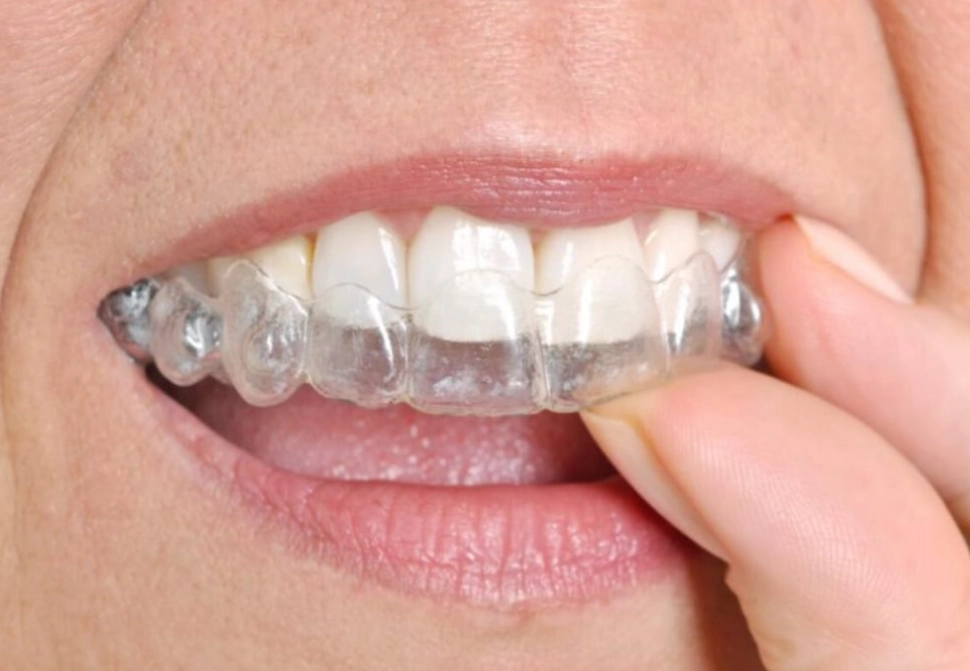
Your Bruxism Treatment Questions Answered
Bruxism treatment is a journey, but with the right approach, you can protect your smile and sleep better. Start by consulting a dentist, and don't hesitate to ask questions—your jaw will thank you.