Quick Navigation
Let's be honest. When you first hear "milk rot," it sounds like something that happens to a carton left in the sun too long. But when you realize it's about your baby's tiny, perfect teeth? That's a whole different kind of panic. I remember staring at my niece's first little tooth, wondering how on earth to keep it safe. The advice out there is a mess—some of it overly simple, some of it terrifyingly clinical.
This isn't about scaring you. It's about giving you a clear, practical, no-nonsense road map. Because knowing how to prevent milk rot is one of the most impactful things you can do for your child's long-term health, and honestly, it's not as complicated as some dental websites make it seem.
What is Milk Rot, Really? In plain English, "milk rot" is the common name for Early Childhood Caries (ECC) or, more specifically, Baby Bottle Tooth Decay. It's not caused by milk itself, but by how and when milk (or any sugary liquid) sits in contact with those new teeth. The bacteria in the mouth feast on the sugars, produce acid, and that acid eats away at the tooth enamel. It often starts on the front upper teeth, but can spread anywhere.
Why Bother? Baby Teeth Fall Out Anyway...
I used to think this too. It's a big misconception. Those baby teeth are placeholders. They guide the permanent teeth into the right position. Lose one too early from severe decay, and you're looking at potential crowding issues, speech problems, and even difficulty eating nutritious food. The pain from a cavity can also be awful for a little one who can't tell you what's wrong. Preventing this isn't just cosmetic; it's foundational.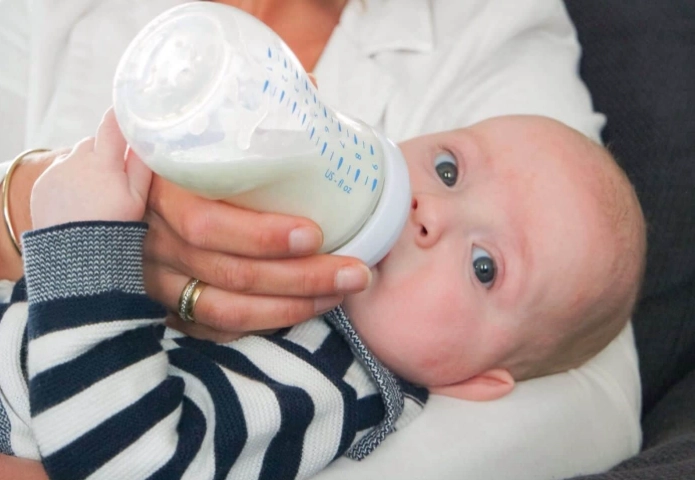
The Four Pillars of How to Prevent Milk Rot
Think of prevention as a stool with four strong legs. If one is wobbly, the whole thing is unstable. Let's build a rock-solid stool.
Pillar 1: Smart Feeding Habits (This is the Big One)
Most problems start here. The goal is to minimize the time teeth are bathed in sugar.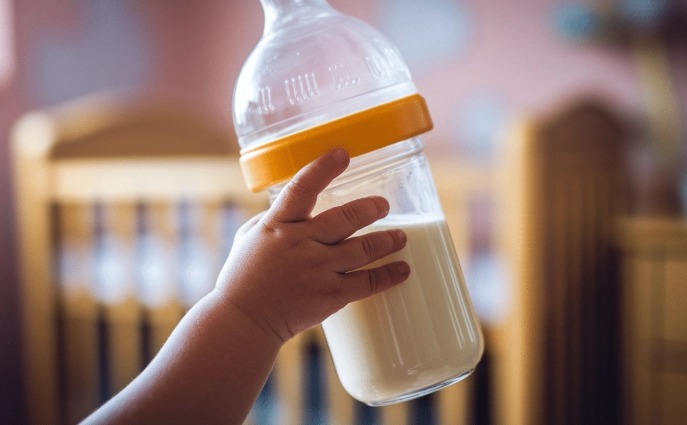
The #1 Rule to Prevent Milk Rot: Never put your baby to bed with a bottle containing anything other than water. Not milk, not formula, not juice. When they sleep, saliva flow decreases, so the sugary liquid pools around the teeth for hours, creating a perfect storm for decay.
Weaning from the bottle to a sippy cup by around 12-14 months is a huge step. Sippy cups are for mealtime and snack time, not for all-day, leisurely sipping. If they carry it around like a security blanket, it's just a bottle in a different shape. Stick to water in the between-meal cup.
And juice? The American Academy of Pediatrics is pretty clear: avoid it altogether for the first year, and severely limit it after that. It's a concentrated sugar bomb with none of the fiber of whole fruit. If you do give juice, make it a rare treat in a cup, with a meal, and done.
My friend learned this the hard way. Her toddler loved his "bedtime bottle" of warm milk. He'd fall asleep peacefully. By age 2.5, he had significant decay on his four front teeth. The dentist explained the nighttime feeding link immediately. Switching to a water-only bedtime bottle was a fight for a few nights, but it was the single most important change they made. It's a classic example of why understanding how to prevent milk rot starts with breaking that habit.
Pillar 2: Oral Hygiene Before You See a Tooth
Yes, before. Start by wiping your baby's gums with a clean, damp washcloth or a piece of gauze after feedings. This gets rid of milk residue and bacteria and gets them used to the feeling of oral care.
When the first tooth erupts (that exciting, gummy smile with a little white speck!), it's time for a toothbrush. Use a tiny, soft-bristled infant brush and a smear of fluoride toothpaste no bigger than a grain of rice. The fluoride is crucial—it helps remineralize and strengthen the enamel. Brush twice a day, gently covering all surfaces.
Pro Tip: Make it fun, not a battle. Let them hold a brush, you use another. Sing a silly song. Brush your own teeth alongside them. The goal at this stage is establishing the routine, not achieving surgical perfection.
As more teeth come in, start flossing as soon as two teeth touch each other. Those tight contacts are prime real estate for hidden plaque.
Pillar 3: Diet and Nutrition Choices
What your child eats matters just as much as when they eat it. Frequent snacking, even on seemingly healthy foods, creates a constant acid attack.
Structure meals and snacks instead of allowing constant grazing. After eating, saliva needs about 30-60 minutes to neutralize mouth acids. If they're always eating, saliva never gets a chance to do its repair job.
Choose tooth-friendly snacks: cheese, yogurt, cucumber slices, apple slices (with a meal), and other crunchy veggies. Limit sticky, sugary foods like raisins, fruit leather, and cookies that cling to teeth. If they have a treat, it's best right after a main meal when saliva flow is higher.
| Food/Drink Category | Better Choices (Lower Risk) | Limit These (Higher Risk) | Why It Matters |
|---|---|---|---|
| Beverages | Water, plain milk with meals | Juice, soda, flavored milk, sports drinks, milk at bedtime | Liquid sugars coat every tooth surface easily. |
| Snacks | Cheese, nuts, veggies, plain yogurt | Dried fruit, gummies, cookies, crackers that stick | Sticky foods provide a long-lasting sugar supply for bacteria. |
| Sweeteners | --- | Any added sugar, honey on pacifiers | Bacteria metabolize all simple sugars into enamel-eroding acid. |
That last point is critical. I've seen well-meaning grandparents dip a pacifier in honey. It's a terrible idea. The sugar feeds bacteria just the same, and honey can pose other risks for infants. Just don't.
Pillar 4: Professional Care and Fluoride
Don't wait for a problem. The American Dental Association and the American Academy of Pediatric Dentistry both recommend a child's first dental visit by their first birthday or within 6 months of the first tooth erupting. This early visit isn't for a major cleaning; it's a "well-baby checkup" for the mouth.
The dentist will check for early signs of trouble, apply a protective fluoride varnish (a huge help in learning how to prevent milk rot), and give you personalized advice. They can also assess your child's specific cavity risk.
Ask about your water supply. If your tap water is not fluoridated, your dentist or pediatrician may recommend fluoride supplements. This is a key, evidence-based strategy supported by public health authorities like the Centers for Disease Control and Prevention (CDC), which recognizes community water fluoridation as one of the top public health achievements.
What If You See Something? Signs of Early Milk Rot
Catching it early changes everything. Early decay might look like white, chalky spots or lines near the gumline. These are areas where minerals have been lost. At this stage, the process can often be reversed with better hygiene, dietary changes, and fluoride.
If it progresses, the spots turn brown or yellow, and eventually, you'll see cavities (holes). You might notice pain, sensitivity to hot or cold, or even swelling in advanced cases.
If you see any of this, don't panic and don't delay. Call a pediatric dentist. The treatments for early childhood caries are much more advanced and child-friendly than they used to be.
Treating Milk Rot: If Prevention Falls Short
Sometimes, despite your best efforts, a cavity appears. Maybe it was a genetic predisposition to weaker enamel, an illness that required sugary medicine, or just a habit that was harder to break than expected. It happens. The key is to address it immediately to prevent pain, infection, and damage to the adult tooth underneath.
Treatment depends on severity:
- Fluoride Treatments: For the earliest white spot lesions.
- Fillings (Restorations): For small to medium cavities. Tooth-colored materials are common.
- Pulpotomy: A "baby root canal" if decay reaches the nerve. It saves the tooth.
- Stainless Steel Crowns: For teeth with extensive decay. They're durable covers.
- Extraction: A last resort for a severely damaged, non-restorable tooth, often followed by a space maintainer.
Pediatric dentists are trained in behavior management techniques to make these procedures as stress-free as possible, sometimes using sedation for very young or anxious children.
Your Burning Questions, Answered
Q: Is breastfed baby teeth decay a thing? Do I need to know how to prevent milk rot if I'm breastfeeding?
A: Yes, it can be. Breast milk contains sugar (lactose). While breastfeeding on demand is different from bottle-feeding on demand (the latch and milk flow are different), the same principle applies: prolonged, frequent exposure, especially at night without cleaning, can contribute to decay. The same prevention rules apply—good oral hygiene and avoiding letting the baby use the breast as a pacifier all night long once teeth are present.
Q: Are some kids just more prone to cavities, no matter what you do?
A: Unfortunately, yes. Genetics play a role in enamel strength and the composition of oral bacteria. Some medical conditions or medications that cause dry mouth also increase risk. This is why a personalized plan from a pediatric dentist is so valuable. If your child is high-risk, you might need to be even more vigilant with hygiene, diet, and fluoride.
Q: What's the best toothpaste? And when do I switch to a pea-sized amount?
A: Use a fluoride toothpaste approved by your country's dental association (like the ADA). The "smear" (grain-of-rice amount) is for kids under 3. Switch to a "pea-sized" amount around age 3, when they're better at spitting and not swallowing it. Supervise brushing until at least age 7 or 8 to ensure they're doing a thorough job.
Q: Are silver diamine fluoride (SDF) and sealants part of preventing milk rot?
A: Great question. They are powerful tools. Sealants are plastic coatings applied to the chewing surfaces of back molars to seal out decay. They're highly effective and recommended by the American Dental Association. SDF is a liquid that can stop an existing cavity from growing. It's a non-invasive treatment that turns the decayed area black but stops the pain and progression. It's a fantastic option for very young children or those who can't tolerate traditional drilling. Your dentist can advise if these are right for your child.
Look, at the end of the day, learning how to prevent milk rot boils down to a mix of common sense and consistency. It's not about being a perfect parent. It's about building a few good habits that become second nature.
Start tonight. If the bedtime bottle is anything but water, make the switch. Tomorrow, buy that infant toothbrush. Schedule that first dental visit if you haven't already. You're not just cleaning teeth; you're building the foundation for a lifetime of healthy smiles and saving yourself from a lot of stress, pain, and expensive dental bills down the road.
You've got this.