What You'll Find in This Guide
Let's cut to the chase. If you're wearing braces, you probably want them off as soon as possible. I remember my own orthodontic journey—two years felt like forever, and I made every mistake in the book before figuring out what actually works. The good news is, there are real, science-backed ways to speed up braces treatment, and I'm here to share them without the fluff.
Orthodontics has evolved. It's not just about waiting for teeth to move; you can actively influence the pace. But beware: not all advice online is accurate. Some tips are myths, and others can even damage your teeth. In this guide, we'll dive into practical strategies, from daily habits to advanced options, based on my experience and insights from dental professionals.
What Accelerated Orthodontics Really Means
Accelerated orthodontics isn't a magic pill. It's a combination of techniques designed to reduce treatment time, often by stimulating bone remodeling around your teeth. The American Association of Orthodontists notes that traditional braces take 18-24 months on average, but with focused efforts, you might shave off months.
Think of it like this: your teeth move through bone when pressure is applied. By optimizing that process, you can speed things up. But here's a non-consensus point many miss—rushing too fast can lead to root resorption, where tooth roots shorten. I've seen patients push too hard and end up with weaker teeth. Balance is key.
Why You Might Want to Shorten Your Braces Time
It's not just about vanity. Longer treatment means more discomfort, higher costs for adjustments, and increased risk of issues like cavities. A friend of mine extended her treatment by six months because she skipped cleanings, leading to gum problems.
User pain points include:
- Discomfort: Braces can cause soreness, especially after tightenings.
- Inconvenience: Regular dental visits disrupt your schedule.
- Oral hygiene challenges: Cleaning around braces is tedious.
Speeding up treatment addresses these directly. But remember, your orthodontist's plan is tailored to your case—don't deviate without consulting them.
Proven Methods to Speed Up Braces Treatment
These methods aren't equally effective for everyone. I've ranked them based on impact and ease of implementation.
1. Master Your Oral Hygiene Routine
This sounds obvious, but most people do it wrong. Plaque buildup around braces slows movement by causing inflammation. Use a soft-bristled brush, angle it at 45 degrees to the gums, and clean each bracket individually. Add a water flosser—it's a game-changer for reaching tight spaces. I started using one and noticed less swelling, which my orthodontist said helped my teeth move smoother.
2. Optimize Your Diet for Tooth Movement
What you eat matters more than you think. Calcium and vitamin D support bone health, while crunchy foods can stimulate blood flow. But avoid hard foods that break brackets—a broken bracket sets you back weeks. Here's a quick table:
| Food Type | Benefit for Braces | Example |
|---|---|---|
| Soft, nutrient-rich | Promotes healing | Yogurt, mashed potatoes |
| Crunchy (in moderation) | Stimulates gums | Apples (cut small), carrots |
| Avoid: Sticky/hard | Prevents damage | Caramel, nuts |
3. Use Vibration Devices (Like AcceleDent)
Devices that apply gentle vibration can accelerate bone remodeling. Studies, such as those cited in the Journal of Clinical Orthodontics, show they may reduce treatment time by up to 30%. But they're expensive—around $300—and not always covered by insurance. I tried one for a month and felt less soreness, but the effect varies. Talk to your orthodontist first.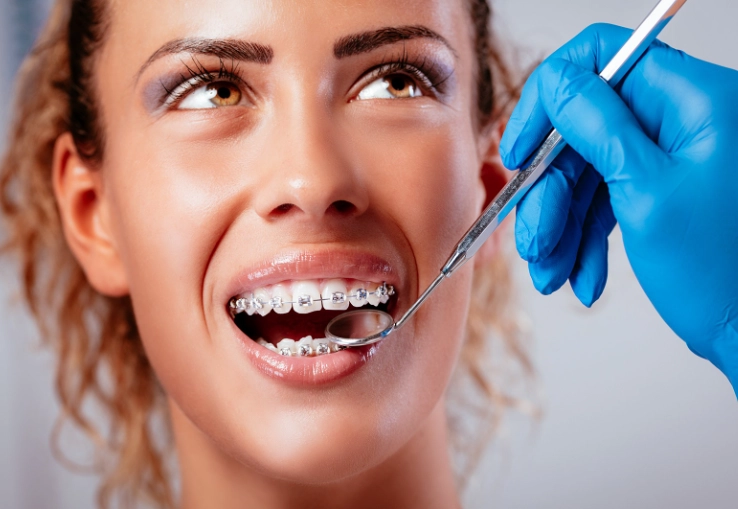
4. Stick to Appointment Schedules
Missing appointments is a huge setback. Orthodontists adjust wires to maintain pressure; delays mean teeth stop moving. I once postponed a visit due to travel, and my treatment extended by a month. Set reminders and treat appointments as non-negotiable.
Common Mistakes That Slow Down Your Progress
Here's where experience counts. I've made some of these errors, and so do many patients.
- Over-cleaning aggressively: Scrubbing too hard can damage enamel and gums, causing setbacks. Use gentle motions.
- Ignoring minor issues: A loose wire might seem trivial, but it reduces effectiveness. Report problems immediately.
- Self-adjusting braces: Never try to tighten wires yourself—it can misalign teeth and require costly fixes.
Another subtle mistake: not communicating discomfort levels to your orthodontist. They can adjust treatment based on your feedback.
Your Questions Answered: Braces Treatment FAQs
Wrapping up, speeding up braces treatment is about smart, consistent actions. Don't fall for quick fixes; instead, invest in daily care and open communication with your orthodontist. My journey taught me patience, but with these tips, you might just get that straight smile sooner than expected.