Let's cut to the chase. You grab a bottle of mouthwash, swish for 30 seconds, and hope for fresh breath. But if that's all you're getting, you're leaving a lot on the table. I've been in dental hygiene for over a decade, and I've seen people make the same mistakes with mouthwash—treating it like a magic potion without understanding how it works. The benefits of mouthwash go way beyond masking odors; they can transform your oral health if you use it right. In this guide, I'll break down the science, share some hard-earned insights, and help you avoid the pitfalls that most blogs don't mention.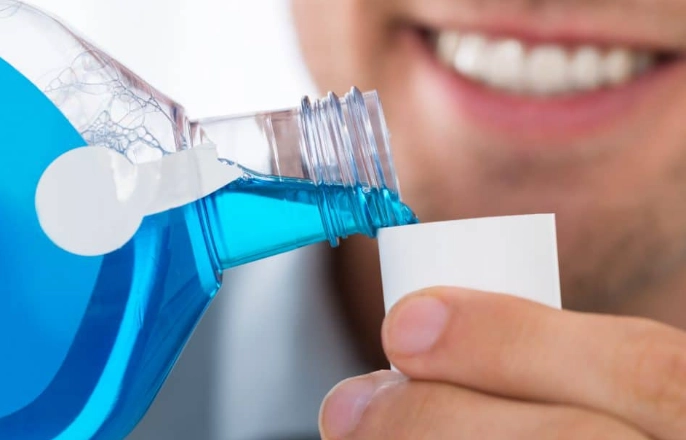
What's Inside This Guide
What Are the Core Benefits of Mouthwash? It's Not Just About Fresh Breath
Most people think mouthwash is a quick fix for bad breath. Sure, it helps, but that's like using a band-aid for a deep cut. The real benefits are preventative and therapeutic. Here's what you should focus on.
Fighting Cavities and Strengthening Enamel
If you're prone to cavities, this is a game-changer. Many mouthwashes contain fluoride, which remineralizes tooth enamel. Think of it as a shield for your teeth. The American Dental Association (ADA) notes that fluoride mouth rinses can reduce cavity risk by up to 40% when used daily. I've had clients who switched to a fluoride mouthwash and saw fewer cavities in their next check-up—it's that effective.
Reducing Plaque and Gingivitis
Plaque is that sticky film on your teeth that turns into tartar if you don't remove it. Mouthwash with antibacterial agents like cetylpyridinium chloride or essential oils can kill bacteria that cause plaque and gingivitis. A study published in the Journal of Clinical Dentistry found that certain mouthwashes reduce plaque by 30-50% compared to brushing alone. But here's the catch: it's not a replacement for flossing. I've seen people skip flossing because they use mouthwash, and their gums suffer.
Freshening Breath Effectively (But Not Permanently)
Yes, mouthwash freshens breath, but it's temporary. The key is targeting the root cause—often bacteria on the tongue or between teeth. Alcohol-based mouthwashes can dry out your mouth, making bad breath worse over time. I prefer alcohol-free options with zinc or chlorine dioxide; they neutralize odors without the burn.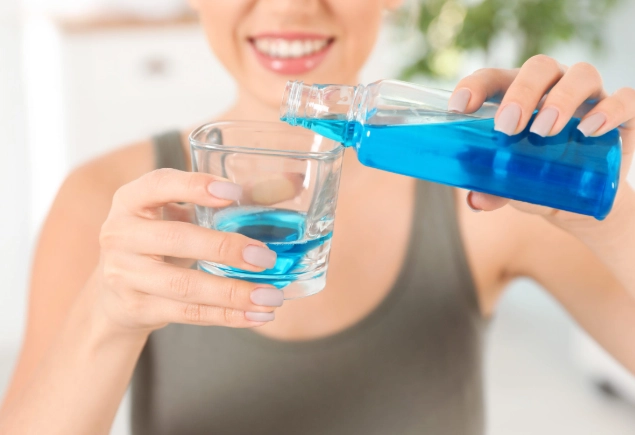
Quick Tip: Swish for a full 30 seconds. Most people rush it, but that time lets the ingredients penetrate plaque and bacteria. Set a timer if you have to—it makes a difference.
How to Choose the Right Mouthwash for Your Specific Needs
Walk into a store, and you'll see shelves packed with options: whitening, antiseptic, fluoride, natural. It's overwhelming. Let's simplify it based on what you actually need.
I remember a patient who bought a whitening mouthwash hoping for brighter teeth, but she had sensitive gums. The peroxide in it irritated her, and she ended up with more problems. Match the mouthwash to your oral health goals.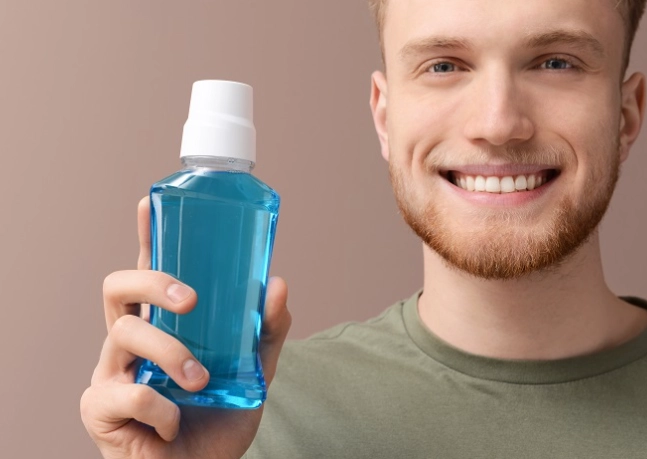
| Type of Mouthwash | Key Ingredients | Best For | What to Watch Out For |
|---|---|---|---|
| Fluoride Mouthwash | Sodium fluoride, stannous fluoride | Preventing cavities, strengthening enamel | Not for young children (risk of swallowing) |
| Antiseptic Mouthwash | Cetylpyridinium chloride, essential oils | Reducing plaque, gingivitis, bad breath | Can stain teeth with prolonged use |
| Whitening Mouthwash | Hydrogen peroxide, carbamide peroxide | Surface stain removal, brighter smile | May cause sensitivity or gum irritation |
| Alcohol-Free Mouthwash | Zinc, chlorine dioxide, aloe vera | Dry mouth sufferers, sensitive mouths | Less intense burn, but check for artificial sweeteners |
| Natural Mouthwash | Tea tree oil, peppermint, xylitol | Chemical-free approach, mild freshening | May lack fluoride; effectiveness varies |
If you have dry mouth, avoid alcohol-based formulas—they'll make it worse. For cavity prevention, go with fluoride. And if you're dealing with gum issues, look for the ADA Seal of Acceptance on antiseptic types; it means they're proven to work.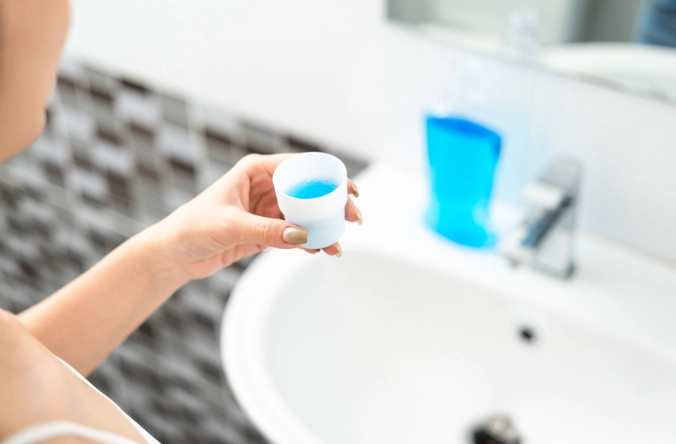
Common Mistakes People Make with Mouthwash (And How to Fix Them)
I've coached hundreds of patients, and these errors pop up again and again. They might seem minor, but they undermine the benefits.
Mistake 1: Using Mouthwash Right After Brushing. This is a big one. If you rinse with mouthwash immediately after brushing, you're washing away the concentrated fluoride from your toothpaste. Wait at least 30 minutes. I tell my clients to use mouthwash at a different time, like after lunch.
Mistake 2: Swishing Too Hard or Too Fast. Aggressive swishing can cause the liquid to hit your gums too forcefully, leading to irritation. Gentle swishing for 30 seconds is enough. Think of it as coating your mouth, not scrubbing it.
Mistake 3: Assuming Mouthwash Replaces Brushing or Flossing. It doesn't. Mouthwash can't remove food particles or plaque mechanically. I've seen patients who neglect flossing because they use mouthwash, and their gum health declines. Use it as a supplement, not a substitute.
Mistake 4: Choosing Based on Flavor Alone. That cinnamon blast might taste great, but if it's loaded with alcohol and sugar, it could harm your teeth. Check the label for active ingredients first.
Personal Take: I used an alcohol-based mouthwash for years because I liked the tingling sensation. Turns out, it was drying out my mouth and making my breath worse in the long run. Switched to an alcohol-free version, and the difference was night and day.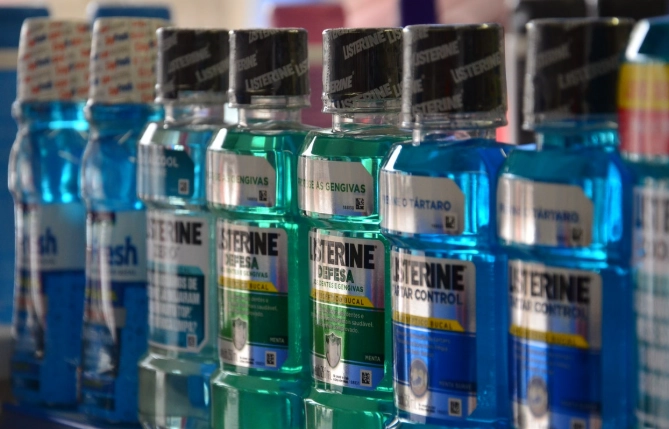
The Science Behind Mouthwash: What Does Research Actually Say?
Let's get nerdy for a minute. The benefits of mouthwash aren't just marketing hype; they're backed by studies. But not all mouthwashes are created equal.
According to the American Dental Association, mouthwashes with fluoride or antibacterial agents can significantly improve oral health when used as directed. For example, a review in the International Journal of Dental Hygiene found that mouth rinses containing cetylpyridinium chloride reduce plaque and gingivitis by up to 35% compared to a placebo.
However, there's controversy around alcohol-based mouthwashes. Some research, like a report from the National Institutes of Health, suggests that frequent use of high-alcohol mouthwashes might be linked to oral cancer risk, though the evidence isn't conclusive. I err on the side of caution and recommend alcohol-free options for daily use.
Another point: mouthwash can disrupt your oral microbiome. It kills bad bacteria, but also good ones. That's why I advise against overuse—stick to once or twice a day unless your dentist says otherwise.
FAQ: Your Top Questions About Mouthwash Benefits Answered
Wrapping up, the benefits of mouthwash are real, but they require smart usage. Don't just grab any bottle—think about your needs, avoid common pitfalls, and integrate it into a broader oral care routine. Your mouth will thank you.