Let's cut to the chase. Mouthwash isn't inherently evil, but the way most people use it? That's where things go wrong. After a decade in dental hygiene, I've seen patients swear by their minty rinse while unknowingly worsening dry mouth or killing off good bacteria. The truth is, mouthwash can be a double-edged sword—great for freshening breath, risky if overused or chosen poorly. In this guide, I'll break down the real dangers, highlight ingredients that raise red flags, and share practical tips to keep your mouth healthy without the side effects.
What You'll Find in This Guide
When Mouthwash Actually Does Good
Don't get me wrong—mouthwash has its place. I recommend it in specific scenarios, like after oral surgery when brushing is tricky. The American Dental Association notes that therapeutic mouthwashes with fluoride can help reduce cavities, especially for high-risk patients. Think of it as a supplement, not a substitute. If you have gingivitis, an antiseptic rinse with chlorhexidine (under dental supervision) can curb bacteria temporarily. But here's the catch: most over-the-counter products aren't designed for daily long-term use. They're like a band-aid; they cover up issues without fixing the root cause, which is often poor brushing or flossing habits.
I had a client, Mark, who used mouthwash religiously after meals. His breath was fresh, but his gums were inflamed. Turns out, he was skipping flossing, relying on the rinse to do all the work. Mouthwash can't remove plaque physically—only brushing and flossing can. So, if you're using it to mask laziness, you're setting yourself up for trouble.
The Hidden Risks: Why Mouthwash Can Backfire
This is where things get interesting. Most blogs repeat the same warnings about alcohol, but few dig deeper. Let's explore the subtle ways mouthwash can harm you.
Alcohol Content and the Dry Mouth Trap
Alcohol-based mouthwashes—think brands like Listerine—are notorious for drying out your mouth. Saliva is your mouth's natural defense; it neutralizes acids, washes away food, and contains minerals to repair enamel. Strip that away with alcohol, and you're inviting cavities and bad breath. I've seen patients who complain of a constant cotton-mouth feeling, only to realize their mouthwash was the culprit. Dry mouth isn't just uncomfortable; it increases tooth decay risk by up to three times, according to studies from the National Institute of Dental and Craniofacial Research.
Disrupting Your Oral Microbiome: The Good Bacteria Massacre
Here's a non-consensus point many dentists overlook. Your mouth hosts a delicate ecosystem of bacteria, both good and bad. Antiseptic mouthwashes are like nuking the entire city to take out a few criminals. They kill beneficial strains that help regulate inflammation and prevent pathogens. A study in the journal Scientific Reports found that regular use of antiseptic mouthwash can reduce oral nitrate-reducing bacteria, which are crucial for blood pressure regulation. So, you might be hurting your heart health without knowing it. I recall a patient who used mouthwash three times a day and developed persistent oral thrush because the good fungi-fighting bacteria were gone.
Chemical Overload and Long-Term Concerns
Some ingredients, like chlorhexidine, can stain teeth brown with prolonged use. Others, such as cetylpyridinium chloride, may cause tartar buildup or alter taste. There's even debate about preservatives like parabens, though evidence is mixed. The key is moderation. Using harsh chemicals daily can irritate mucosal tissues, leading to sores or sensitivity. It's like washing your hands with bleach every hour—effective in the short term, damaging over time.
Ingredients to Avoid in Your Mouthwash
When shopping, turn the bottle around. Here's a quick table of common offenders and why they're problematic.
| Ingredient | Commonly Found In | Potential Risks | Safer Alternatives |
|---|---|---|---|
| Alcohol (Ethanol) | Listerine, some generic brands | Dry mouth, tissue irritation, increased cavity risk | Alcohol-free formulas with xylitol |
| Sodium Lauryl Sulfate (SLS) | Foaming mouthwashes | Canker sores, dryness, enamel erosion | SLS-free options or natural surfactants |
| Chlorhexidine | Prescription rinses like Peridex | Tooth staining, taste alteration, not for daily use | Use only as directed by a dentist |
| High Menthol/Essential Oils | Strong minty rinses | Burning sensation, may mask underlying issues | Milder flavors or aloe-based rinses |
If you see these topping the list, think twice. I always advise clients to opt for alcohol-free, fluoride-containing mouthwashes if they need cavity protection, or look for ones with the ADA Seal of Acceptance—it's a good starting point, though not a guarantee of safety.
How to Use Mouthwash Safely: A Step-by-Step Plan
Let's get practical. Here's a routine I recommend based on clinical experience, not just textbook advice.
Step 1: Timing is Everything. Use mouthwash at a different time than brushing. If you brush with fluoride toothpaste, wait at least 30 minutes before rinsing. Otherwise, you'll wash away the fluoride's protective effects. I suggest using mouthwash after lunch or before bed, but not right after brushing.
Step 2: Measure, Don't Guzzle. Most bottles say "use 20 mL," but people pour freely. Overusing increases chemical exposure. Use a capful—no more. Swish for 30 seconds, not the full minute some brands push. Longer exposure doesn't mean better cleaning; it raises irritation risk.
Step 3: Spit, Don't Swallow. Sounds obvious, but kids or distracted adults might swallow traces. Mouthwash isn't meant for ingestion; it can cause nausea or alcohol poisoning in high doses. Supervise children under six, and consider alcohol-free versions for them.
Step 4: Listen to Your Body. If you feel burning, dryness, or see sores, stop immediately. Your mouth is telling you something's off. Switch to a gentler formula or take a break. I've had patients who thought the burn meant it was working—it's not. Comfort matters.
For context, imagine Sarah, a busy professional. She used mouthwash after morning brushing, felt dry all day, and developed cavities. After adjusting to an alcohol-free rinse at noon, her dryness vanished, and her check-ups improved. Small changes, big impact.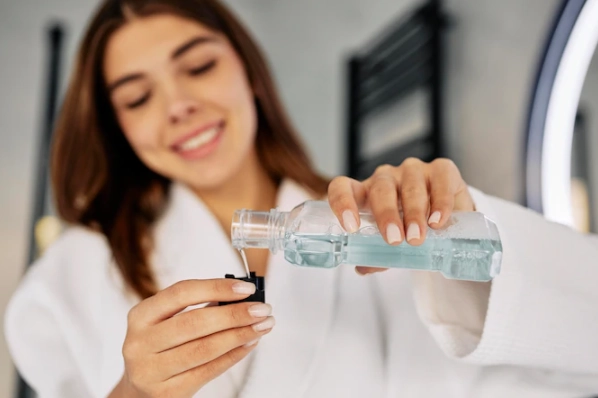
Natural Alternatives to Commercial Mouthwash
If you're wary of chemicals, try these DIY options. They're not as potent but safer for daily use.
- Saltwater Rinse: Mix half a teaspoon of salt in warm water. Swish for 30 seconds. It's anti-inflammatory and great for sores or after extractions. Cheap and effective.
- Oil Pulling with Coconut Oil: Swish a tablespoon of coconut oil for 10-15 minutes daily. Studies in the Journal of Traditional and Complementary Medicine suggest it reduces plaque and gingivitis. It's messy, but some swear by it.
- Herbal Infusions: Steep peppermint or sage tea, let it cool, and use as a rinse. Adds freshness without harshness. I often recommend this for patients with sensitive gums.
Remember, these aren't replacements for brushing. They're complements. And if you have serious dental issues, consult a professional—don't rely on home remedies alone.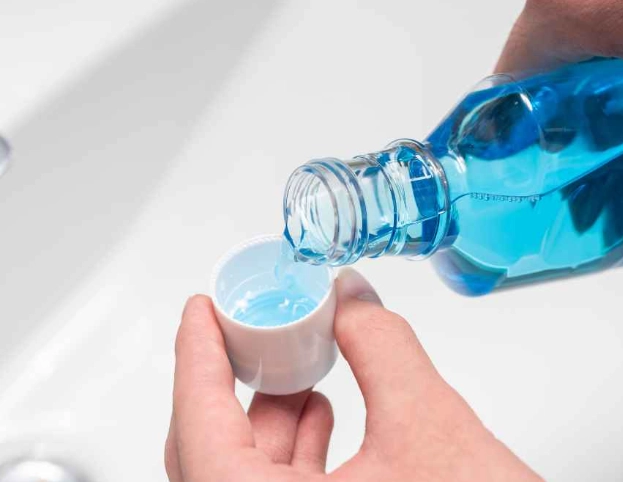
Your Burning Questions Answered
Wrapping up, mouthwash isn't a villain, but it's not a hero either. Use it smartly: choose alcohol-free when possible, limit frequency, and never skip the basics like flossing. Your mouth will thank you. If you're unsure, chat with your dentist—they can tailor advice to your unique needs. After all, oral health is personal, and what works for one might backfire for another.