Let's cut to the chase. You're here because you're thinking about straightening your teeth. Maybe you've been scrolling through Instagram, feeling a pang of envy at those perfectly aligned smiles. Or perhaps your dentist mentioned your bite is off, and it's starting to cause headaches. Whatever the reason, you're now faced with a maze of information: braces, Invisalign, at-home kits... it's overwhelming.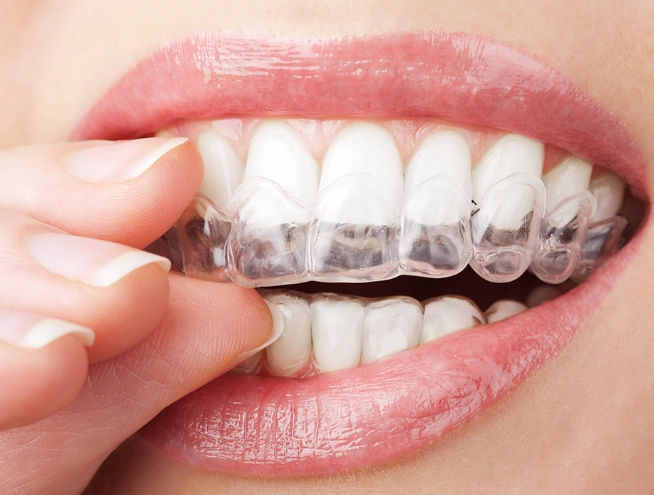
I get it. I spent years debating whether to fix my own slightly crooked front teeth. I worried about cost, looking "metal-mouthed" in my 30s, and whether it was even worth the hassle. After finally taking the plunge and talking to multiple orthodontists (and wearing a retainer every night for the last five years), I learned a ton. This guide isn't just a rehash of product brochures. It's the honest, detailed breakdown I wish I'd had.
We'll walk through every option for how to straighten teeth, not just listing them, but digging into the nitty-gritty: what the process actually feels like, the hidden costs no one talks about, and how to avoid the biggest mistake people make after treatment ends.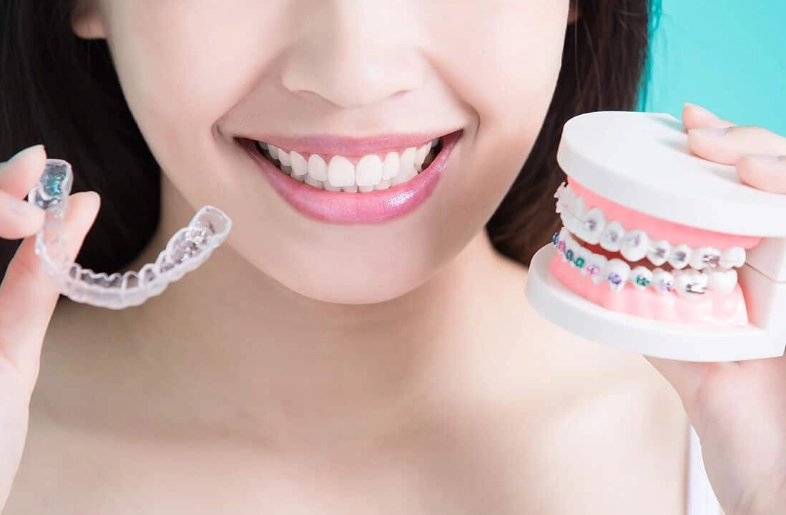
What's Inside This Guide
- Why Bother Straightening Teeth? It's Not Just About Looks
- The Complete Menu of Teeth Straightening Options
- How to Choose the Right Method for You
- What the Process Actually Looks Like: A Step-by-Step Walkthrough
- The Real Cost Breakdown: More Than Just Monthly Payments
- The Most Important Part: The Truth About Retainers
- Your Questions, Answered (Without the Fluff)
Why Bother Straightening Teeth? It's Not Just About Looks
Sure, a confident smile is a huge benefit. But focusing only on aesthetics sells orthodontic treatment short. The American Association of Orthodontists emphasizes that straight teeth are healthier teeth.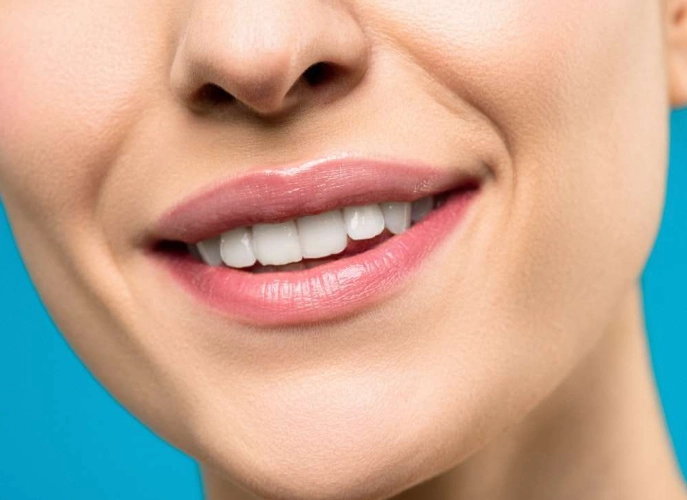
Think about it. Crowded teeth are like a city with no parking spaces. It's impossible to clean properly. Floss can't reach, toothbrush bristles miss spots. This creates a permanent invitation for plaque, which leads to cavities and gum disease. I've seen patients in their 40s needing extensive dental work because crooked teeth made maintenance a nightmare.
A misaligned bite, called malocclusion, is another silent culprit. If your top and bottom teeth don't meet correctly, it can strain your jaw muscles. This manifests as chronic headaches, neck pain, and even worn-down teeth. One friend thought she had migraines for years; turns out, it was her bite. After orthodontic treatment, the headaches vanished.
So, when you're considering how to straighten teeth, frame it as a long-term health investment, not just a cosmetic upgrade.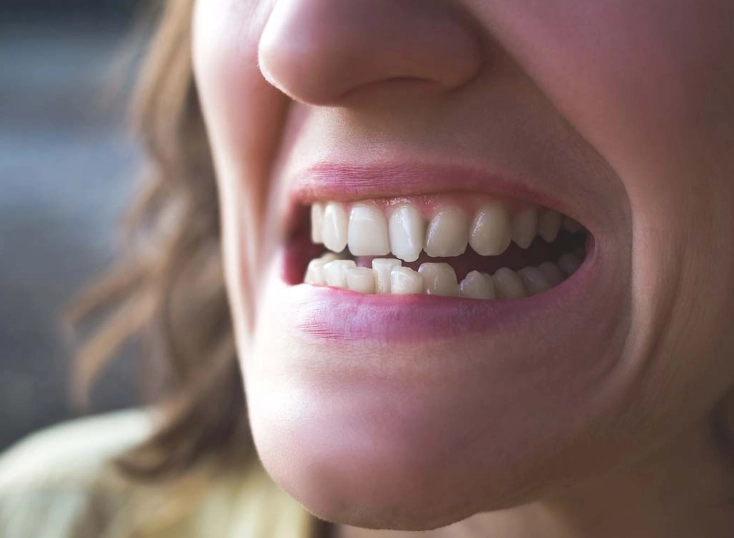
The Complete Menu of Teeth Straightening Options
Here's where most blogs just list names. Let's go deeper. I've put together a comparison table, but the real insights are in the details below it.
| Method | Best For | Typical Duration | Estimated Cost Range (US) | The Big Trade-Off |
|---|---|---|---|---|
| Traditional Metal Braces | Complex cases, all ages, especially children/teens. | 18-36 months | $3,000 - $7,000 | Most noticeable but often the most powerful and cost-effective for severe issues. |
| Ceramic ("Clear") Braces | Adults & teens who want a less visible fixed option. | 18-36 months | $4,000 - $8,000 | Less visible than metal, but brackets can stain and are more fragile. |
| Lingual Braces | Maximum discretion for complex cases. | 18-36 months | $8,000 - $10,000+ | Completely hidden (behind teeth), but can be uncomfortable for the tongue and harder to clean. |
| Invisalign & Clear Aligners (Dentist-led) | Mild to moderate crowding/spacing, disciplined adults. | 12-18 months | $3,500 - $8,000 | Discreet and removable, but requires 22+ hours/day wear. Compliance is everything. |
| At-Home Impression Kits (e.g., SmileDirectClub, Byte) | Very minor, specific cosmetic adjustments in adults with healthy teeth/gums. | 4-8 months | $1,500 - $2,300 | Low cost and convenience, but no in-person supervision. Major risk for bite problems if not suitable. |
Now, the stuff the table can't show you.
The Metal Braces Revival
They're not your little brother's braces. Modern metal braces are smaller, and the wires are more advanced, often requiring fewer adjustments. For a complex case involving extractions or significant jaw alignment, they are frequently the most efficient tool. An orthodontist friend told me, "I can often finish a tough case 6 months faster with traditional braces than with aligners." Don't write them off.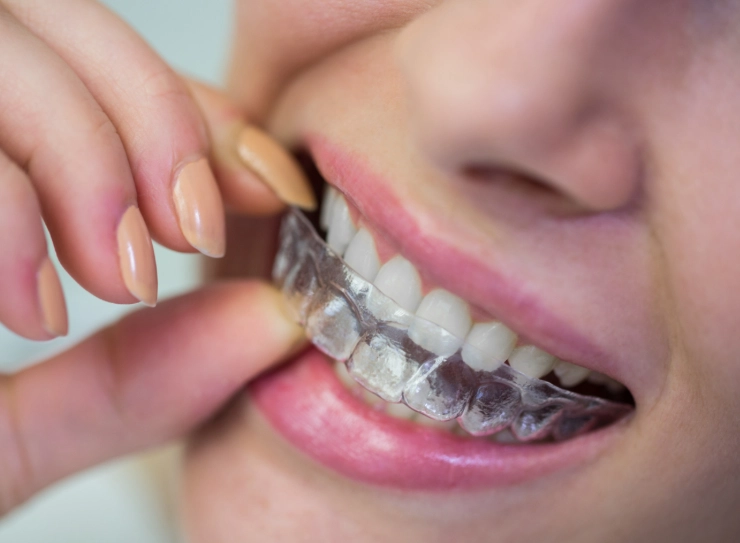
The Clear Aligner Reality Check
Invisalign is a fantastic system, but it's not magic. The biggest pitfall? Patients treat it like a part-time job. You must wear the trays 22 hours a day. If you're the type who loses sunglasses, this might be a struggle. Also, they aren't ideal for every type of movement, like rotating a round tooth or extruding a tooth that's shorter than its neighbors.
The At-Home Kit Controversy
This is the most critical section. Direct-to-consumer aligners are seductive: cheap, fast, no office visits. But here's the non-consensus view most dental professionals share quietly: They are appropriate for a very narrow slice of the population. The problem is self-diagnosis. You might think you just have a gap, but an orthodontist sees how closing that gap might tip your front teeth into a traumatic bite. Without X-rays and in-person monitoring of your gum health and roots, you're flying blind. The American Dental Association has expressed concerns about the lack of initial comprehensive exam. I've seen cases where at-home kits created open bites that then cost thousands to fix with professional care.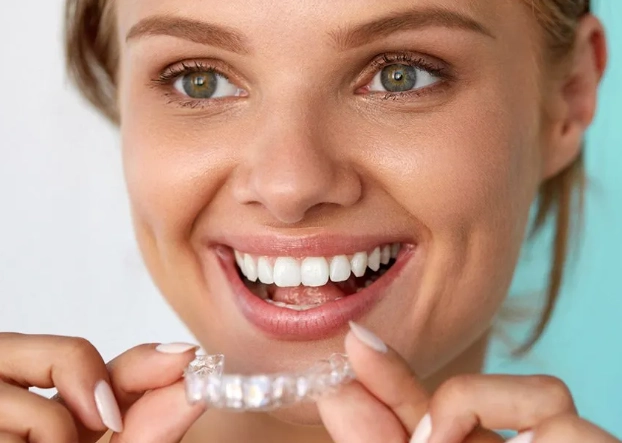
Bottom Line: If your case is anything beyond the absolute simplest cosmetic tweak, the oversight of an orthodontist or specially trained dentist is not a luxury—it's essential insurance for your oral health.
How to Choose the Right Method for You
Don't start by picking the tool. Start by defining the problem and your lifestyle.
First, get a professional consultation. Most orthodontists offer free ones. Go to two or three. Ask each: "What is the core issue with my bite/teeth? What are 2-3 ways to fix it? What method do you recommend for my specific anatomy and why?" Their answers should be similar on the diagnosis. If they're wildly different, be wary.
Second, audit your own habits. Are you meticulous and routine-driven? Clear aligners could work. Are you forgetful or love snacking throughout the day? Fixed braces might be less stressful because you can't mess up the treatment by forgetting to wear them.
Third, consider the social factor honestly. If you're a 14-year-old, metal braces are a rite of passage. If you're a 45-year-old lawyer worried about client perceptions, lingual braces or aligners might be worth the extra cost for your peace of mind. It's a valid consideration.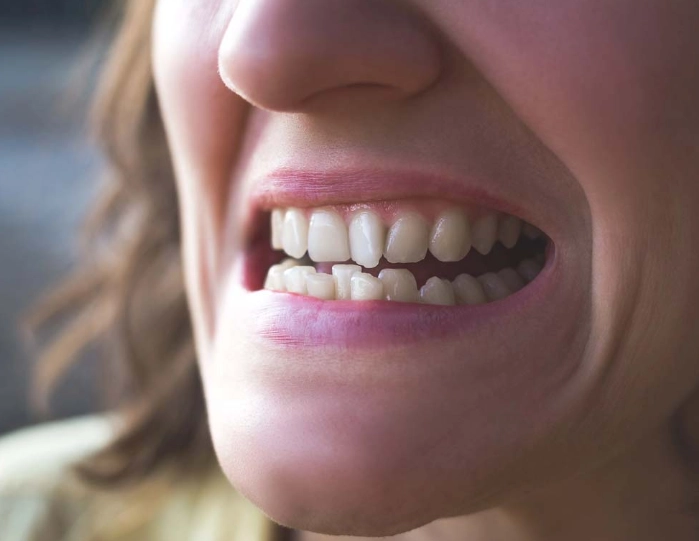
What the Process Actually Looks Like: A Step-by-Step Walkthrough
Let's demystify the journey. For most professional treatments, it follows this path:
1. Records Appointment: This is more than impressions. They'll take panoramic X-rays to see your roots and jaw joints, photographs, and a digital or physical mold of your teeth. This data is used to create your treatment plan.
2. Plan Presentation: The orthodontist will show you a simulation (like Invisalign's ClinCheck) or explain the stages of movement. This is where you ask ALL your questions. How many visits? Will I need elastics? Are there any teeth at risk?
3. The Fitting Day: For braces, this is a 1-2 hour appointment where they bond the brackets. It doesn't hurt, but your mouth will feel full. For aligners, you might get attachments (tooth-colored bumps) placed and pick up your first few sets of trays.
4. The Adjustment Phase: Here's the rhythm. For braces, visits every 4-8 weeks to change wires/elastics. For aligners, you switch trays every 1-2 weeks at home, with check-ins every 6-10 weeks. Soreness is normal for 2-3 days after each change—soft foods are your friend.
5. The Debond/Refinement: When your teeth are aligned, the braces come off. This is a glorious day. For aligners, you might do a set of "refinement" trays to perfect details. Then, they take final records for your retainers.
The Real Cost Breakdown: More Than Just Monthly Payments
The sticker shock is real. But look at what's included. A comprehensive fee typically covers:
- All appointments and adjustments for the entire treatment.
- The braces/aligners themselves.
- Retainers (usually one set).
- Emergency visits for broken brackets or wires.
Hidden costs? Ask about these:
- Retainer replacements: You will need new ones every few years. Budget $200-$500 per set.
- Broken retainer fees: If your dog eats it, you pay for a new one.
- Pre-treatment dental work: You often need a cleaning and any cavities filled before starting.
- Post-treatment bonding/contouring: Sometimes small black triangles or uneven edges remain; fixing them is cosmetic and extra.
Most offices offer payment plans, and many accept HSAs/FSAs. Get the full financial picture in writing before you start.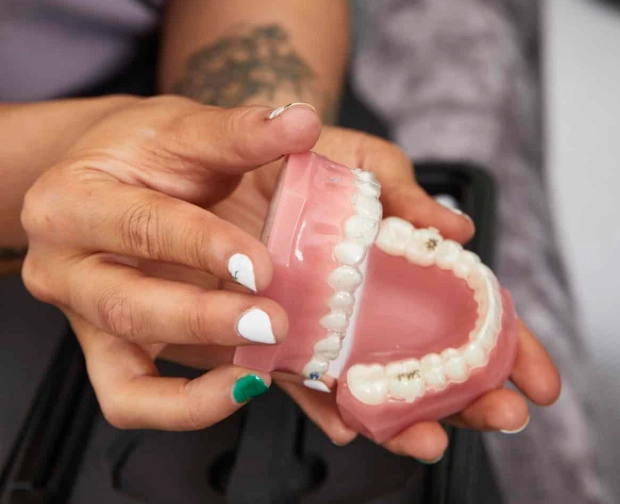
The Most Important Part: The Truth About Retainers
This is the hill I will die on. Orthodontic treatment is not permanent without retainers. Your teeth have memory and want to shift back. I've met too many adults who had braces as teens, stopped wearing their retainer, and are now considering a second round.
The protocol has changed. It's not "wear it for a year at night." The current standard is full-time wear (day and night) for 3-6 months after treatment, then nightly wear for the rest of your life. Yes, for life. It becomes as routine as brushing your teeth. I pop mine in every night without thinking. It's a small price to pay to protect your investment.
You have options: a clear plastic retainer (like a thin aligner), a fixed wire bonded behind your front teeth (great for forgetful people, but harder to floss around), or a traditional Hawley retainer. Discuss the pros and cons with your provider.
Your Questions, Answered (Without the Fluff)
Does getting braces or aligners hurt?
"Hurt" is a strong word. It's more like pressure and soreness. When teeth start moving, they can feel tender for a few days, especially when you bite down. It's manageable with over-the-counter pain relievers if needed. The inside of your cheeks might also need a week or two to toughen up against braces. Wax is your best friend during that time.
Are invisible aligners like Invisalign as effective as traditional braces?
For the cases they are designed to treat, yes, they can achieve excellent results. The key is case selection. An experienced orthodontist knows which movements aligners excel at and which are better suited to braces. For simple to moderate crowding and spacing, aligners are highly effective. For severe rotations, large bite corrections, or cases requiring precise root movement, braces often provide more control and predictability.
What's the biggest mistake people make when choosing how to straighten their teeth?
Prioritizing cost and convenience over proper diagnosis and supervision. Choosing a method solely because it's cheaper or faster, without a full clinical evaluation by a qualified professional, can lead to unsatisfactory results or even damage. You're moving the foundations of your mouth. It's worth investing in the expertise to do it safely.
I'm an adult in my 40s/50s. Is it too late for me to straighten my teeth?
Absolutely not. Healthy teeth can be moved at any age. Adult orthodontics is incredibly common. The biology is the same, though treatment might take slightly longer than for a teenager because adult bone is denser. The benefits for gum health and bite function are just as significant, if not more so.
How do I find a good orthodontist or dentist for this?
Start with referrals from your general dentist. Look for a specialist (an orthodontist has 2-3 years of additional training after dental school). Check their before-and-after gallery for cases similar to yours. Read reviews, but pay more attention to how the practice handles questions and concerns during your consultation than just the star rating. You want someone who listens and explains clearly.
Deciding how to straighten your teeth is a big step. It's an investment of time, money, and effort. But armed with this detailed, no-BS guide, you can walk into those consultations with confidence. You know the right questions to ask. You understand the long-term commitment. And you're focused on the real goal: a healthy, functional, and beautiful smile that lasts a lifetime.
Take that first step. Schedule a consultation. Your future self will thank you.