Let's cut to the chase. Yes, Crest 3D Whitestrips do work for most people. They contain hydrogen peroxide, the same active ingredient dentists use, and multiple studies back their ability to lighten surface stains. But—and this is a big but—your results depend entirely on why your teeth are discolored and how you use them. I've seen friends get dazzling results and others waste their money because they missed a few key details. This isn't just a yes/no answer; it's a guide to making them work for you.
What You'll Find in This Guide
- How Whitening Strips Actually Work (The Science)
- Navigating the Crest Whitestrips Lineup
- What Realistic Results Look Like
- How to Use Crest Strips Correctly (Most People Get This Wrong)
- 3 Common Mistakes That Ruin Your Results
- Safety, Side Effects, and Sensitive Teeth
- Professional Whitening vs. Strips: Which is Right For You?
- Your Questions, Answered
How Whitening Strips Actually Work (The Science)
It all boils down to chemistry. The gel on Crest strips contains hydrogen peroxide (usually between 6% and 14% for over-the-counter versions). This molecule is small enough to penetrate your tooth enamel. Once inside, it breaks down into unstable molecules called free radicals. These free radicals attack the long-chain, deeply colored stain molecules (from coffee, tea, red wine, smoking) that are trapped in your enamel. They break these big, dark molecules into smaller, colorless pieces. Think of it like using bleach on a stained shirt—it breaks down the stain so it becomes invisible.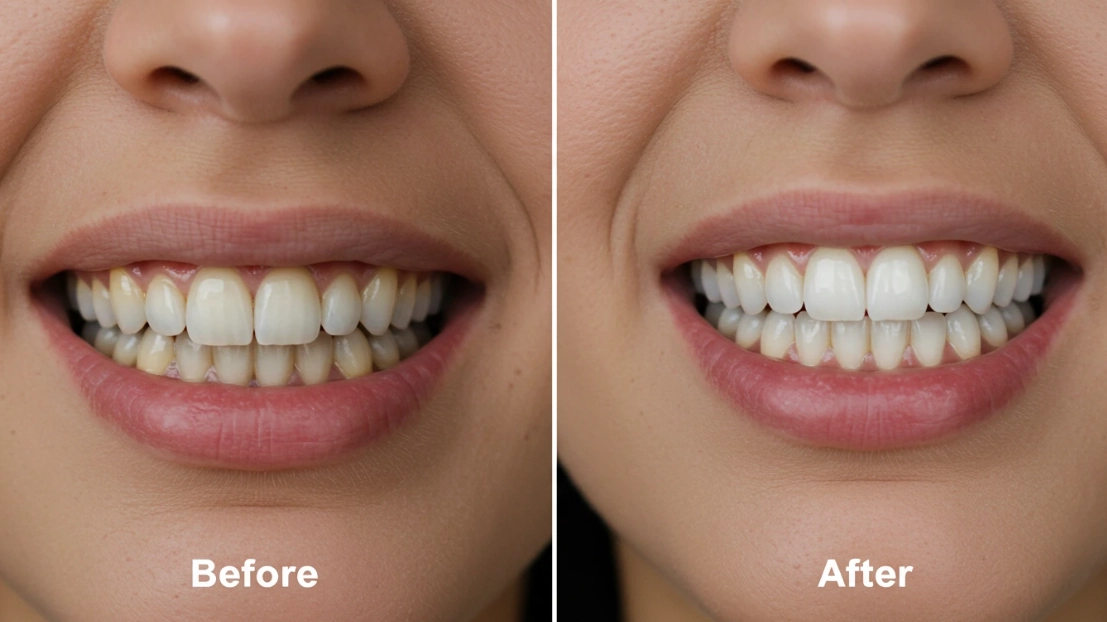
The key thing most people don't realize: whitening strips only work on extrinsic stains (on the surface) and some intrinsic stains (within the tooth). They will not change the natural color of your dentin (the layer beneath the enamel), nor will they work on stains from tetracycline antibiotics or fluorosis. If your teeth have a grayish hue, the results will be limited.
My take: The effectiveness is real, but it's not magic. It's a controlled chemical reaction. Managing your expectations here is half the battle.
Navigating the Crest Whitestrips Lineup
Crest has a confusing array of options. Picking the wrong one is the first stumble. Here’s a breakdown of their core 3D Whitestrips lineup to cut through the marketing.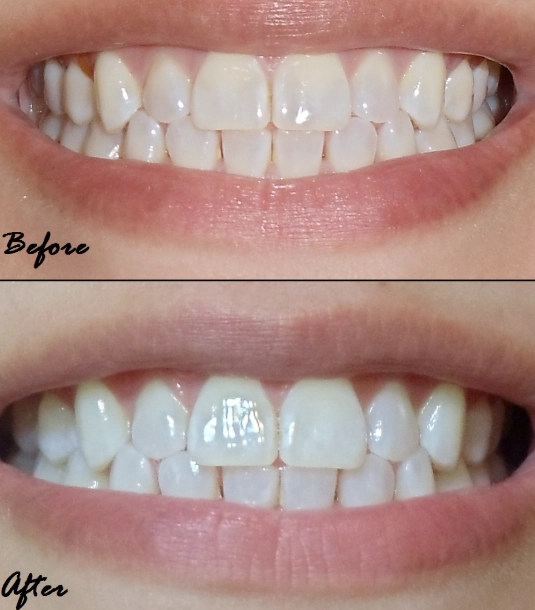
| Product Name | Key Feature / Peroxide %* | Treatment Duration | Best For | Realistic Outcome |
|---|---|---|---|---|
| 3D White Professional Effects | Highest OTC peroxide level (~10%) | 20 treatments (30 mins/day) | Significant stain removal, first-time users wanting max impact. | Up to 3-4 shades lighter on yellow/brown stains. |
| 3D White Glamorous White | Advanced seal technology, mid-level % | 10 treatments (30 mins/day) | Those who find strips slide around. Better adhesion. | Noticeable brightening, 2-3 shades lighter. |
| 3D White Brilliance | Two-step system (pre-whiten + intensify) | 14 treatments (5 mins + 10 mins/day) | People with sensitivity concerns or busy schedules. | Gradual, gentle brightening over 2 weeks. |
| 3D White 1 Hour Express | Speed. Single 1-hour application. | 1 treatment | A quick fix before an event. Not for deep stains. | Immediate surface brightening (1-2 shades), less lasting. |
*Exact percentages are proprietary, but industry analysis and patent filings place the Professional Effects at the top of the OTC range.
I usually steer first-timers toward Professional Effects. It's the benchmark. If you've had sensitivity before, start with Brilliance. Avoid the 1-hour express for anything but a last-minute touch-up; the results fade faster.
What Realistic Results Look Like
Crest claims shades of difference, and they're right—within a specific context. The American Dental Association (ADA) has granted its Seal of Acceptance to several Crest Whitestrips products, which means independent experts have reviewed data confirming they are safe and effective when used as directed.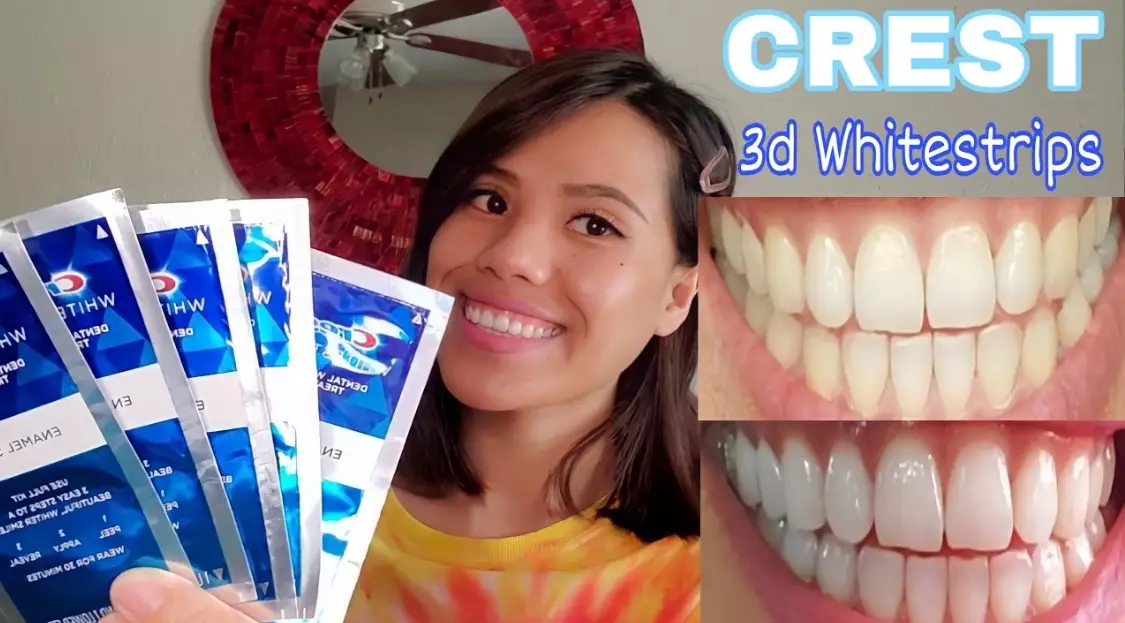
But let's get concrete. On the standard Vita shade guide dentists use:
- Yellow/Brown Coffee & Tea Stains: This is where strips shine. You might move from an A3 (brownish) to an A1 (light) shade. That's a significant, visible change.
- General Dullness from Aging: Good improvement, likely 2-3 shades brighter, removing the film that makes teeth look lackluster.
- Gray Tones or Tetracycline Stains: Minimal to no change. This is crucial to understand. The strips can't alter the underlying tooth structure.
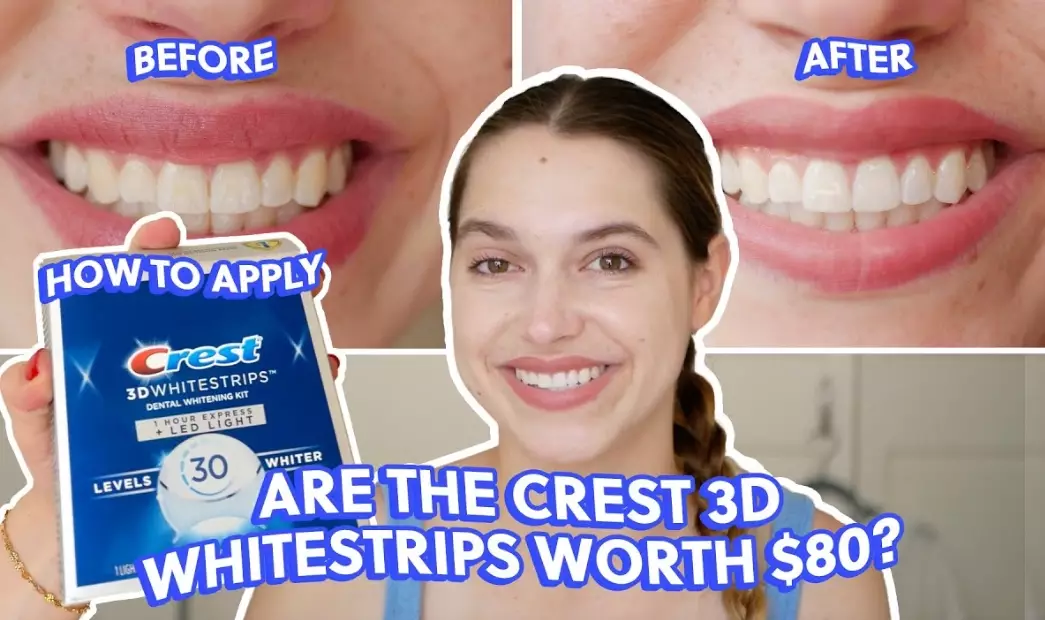
A friend of mine, a dedicated coffee drinker, used Professional Effects for the full 20 days. Her teeth went from noticeably stained to what I'd call "naturally, clean white." Not Hollywood fake, but like she'd just had a professional cleaning times ten. The change was most dramatic after about day 10.
The results typically last 4-6 months, but that's heavily influenced by your diet. If you go right back to three cups of black coffee a day, they'll darken again quicker.
How to Use Crest Strips Correctly (Most People Get This Wrong)
The instructions seem simple, but the devil's in the details. Here’s the protocol I recommend, refined from seeing common slip-ups.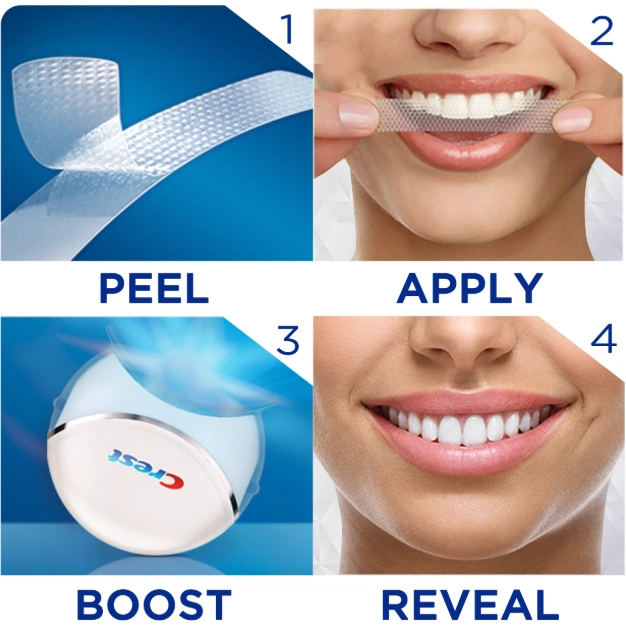
Step-by-Step for Maximum Effect
1. Prep is Everything. Brush and floss gently with a non-whitening toothpaste. Whitening toothpaste can be abrasive and increase sensitivity. Dry your teeth thoroughly with a tissue. A wet tooth dilutes the gel and ruins adhesion. This is the step almost everyone skips, and it makes the strip slide right off.
2. Apply with Precision. Center the strip on your teeth, then press it down starting at the center and smoothing outward. Use your fingers to firmly mold the strip around the curves of each tooth, especially at the gumline. The goal is to avoid bubbles where the gel isn't touching the enamel.
3. Mind the Gumline. Do not place the strip on your gums. It should stop right at the edge of your tooth. Hydrogen peroxide can irritate soft tissue. If you have excess gel oozing out, you've used too much pressure or didn't wipe off excess after sealing the strip.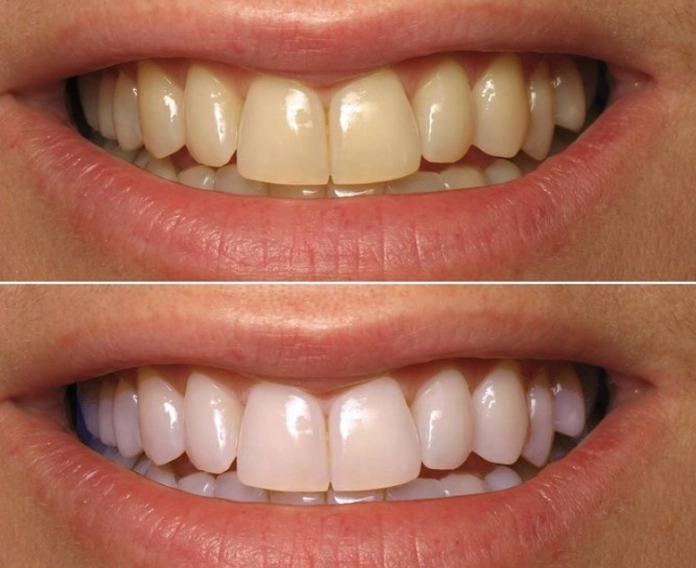
4. The Waiting Game. Set a timer. Don't guess. 30 minutes means 30 minutes. Less time means less efficacy. More time increases sensitivity risk without much added benefit.
5. Removal and Cleanup. Peel from the back teeth forward. Rinse your mouth gently. Avoid deeply pigmented foods and drinks (coffee, red wine, soy sauce) for at least an hour afterward—your enamel pores are temporarily more open.
3 Common Mistakes That Ruin Your Results
I've talked to enough disappointed users to see patterns.
Mistake 1: Expecting Perfection from One Box. These are not one-and-done. Consistency is key. Using a strip every other day or skipping days drastically reduces the cumulative chemical effect. You're essentially restarting the process.
Mistake 2: Using Them on Top of Dental Work. Strips will not whiten crowns, veneers, fillings, or bonding. If you have visible front-tooth fillings, whitening your natural teeth can make those fillings look even more yellow by contrast. It's a mismatch waiting to happen.
Mistake 3: Ignoring "Zingers." That sharp, fleeting pain in a random tooth? It's a "zing." It means the peroxide has reached the nerve. It's normal, but if you power through severe sensitivity, you can inflame the pulp. If zingers are intense or last more than a few seconds, take a 2-day break. Using a toothpaste for sensitive teeth (like Sensodyne) for two weeks before and during treatment is non-negotiable for many people.
Safety, Side Effects, and Sensitive Teeth
Are they safe? With proper use, yes, which is why the ADA grants its seal. The main risks are user-error: gum irritation and tooth sensitivity.
- Gum Irritation: This is almost always from the strip touching the gum. If it happens, it's usually a temporary white spot or redness that fades in a day. Be more careful with placement next time.
- Tooth Sensitivity: This is the big one. As the peroxide penetrates, it can temporarily increase fluid flow in the microscopic tubules in your dentin, which irritates the nerve. For most, it's mild. For others, it's a deal-breaker.
My strategy for sensitivity: Don't wait for it to start. Pre-treat for two weeks with a potassium nitrate toothpaste (Sensodyne Pronamel is a good dual-action choice). During treatment, if sensitivity hits, switch to using strips every other day. You can also apply a smear of sensitive toothpaste to your teeth and let it sit for 10 minutes after removing the strip before rinsing.
Professional Whitening vs. Strips: Which is Right For You?
It's not an either/or, but a matter of scale, speed, and budget.
Crest Whitestrips (At-Home):
Cost: $30 - $60 per kit.
Peroxide: 6-10%.
Control: You. Results depend on your technique.
Best for: Maintaining professional results, treating mild to moderate surface stains, budget-conscious users, those who prefer gradual change.
Time to Result: 1-3 weeks.
In-Office Professional Whitening:
Cost: $500 - $1,000+.
Peroxide: 25-40%.
Control: Dentist. Gums are protected with a barrier.
Best for: Significant discoloration, fast results (often in one visit), stubborn stains, anyone with dental work they need to match.
Time to Result: 1-2 hours.
Many dentists actually recommend using strips like Crest for maintenance after an in-office treatment. It's a cost-effective way to touch up every 6-12 months.
Your Questions, Answered
So, do Crest whitening strips work? The evidence and experience say a qualified yes. They are a powerful, convenient, and cost-effective tool for brightening your smile, provided you have realistic expectations (yellow/brown stains, not gray), follow the technique to the letter, and manage sensitivity proactively. They're not a substitute for dental care or a solution for all discoloration, but for their intended purpose, they deliver.