That sharp, throbbing sensation in your tooth isn't just annoying—it's your body's alarm system. I've been a dentist for over a decade, and the one thing I wish everyone understood is that a toothache is almost never a "wait and see" situation. The pain might fade temporarily, but the problem beneath the surface is progressing. This guide cuts through the noise. We'll walk through what's likely causing your pain, what you can realistically do at 2 AM, what actually happens at the dentist's office (I'll demystify the process), and how to avoid this happening again.
What's Inside This Guide
- What's Actually Causing Your Toothache?
- How to Relieve Tooth Pain at Home (What Works, What Doesn't)
- When to See a Dentist & What to Expect
- Professional Treatment Options Explained
- Navigating Costs and Dental Insurance
- Long-Term Prevention: It's More Than Just Brushing
- Your Toothache Questions, Answered
What's Actually Causing Your Toothache?
Pinpointing the cause is step one. The type of pain—sharp, dull, throbbing, sensitive to temperature—is a big clue.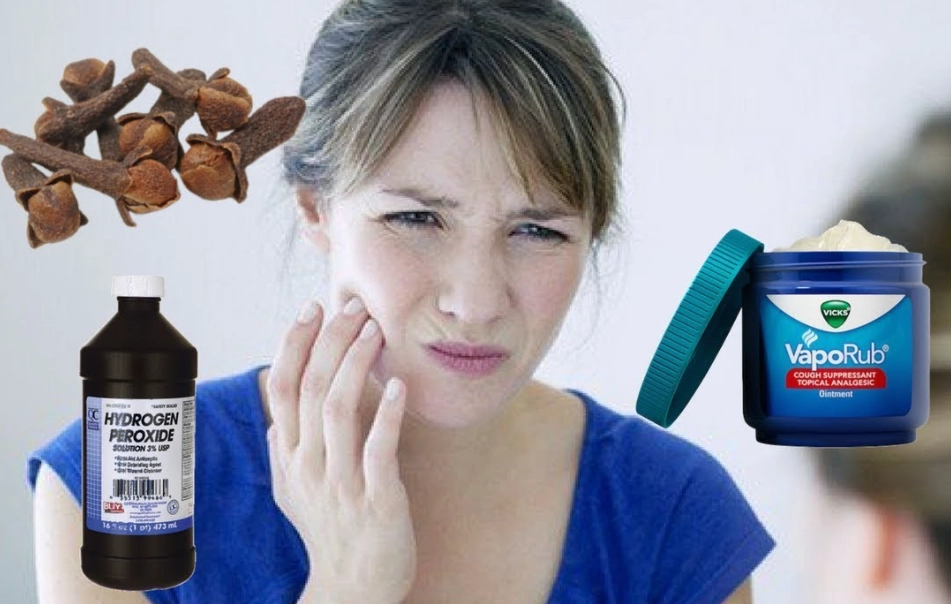
Tooth Decay (Cavities): This is the classic. Bacteria produce acid that eats through your enamel. Once it reaches the softer dentin layer, you get sensitivity. When it invades the pulp (the nerve center), the pain becomes constant and severe. A common mistake? Assuming a small cavity isn't urgent. I've seen tiny surface spots hide massive decay underneath on an X-ray.
Abscess: This is an infection at the root tip or in the gums. The pain is intense, often throbbing in time with your heartbeat. You might see a pimple-like bump on your gums, and the tooth can feel "high" when you bite. This is a true dental emergency. The infection can spread.
Cracked or Fractured Tooth: The pain is sharp and comes when you release biting pressure. It can be elusive, making it hard to identify which tooth is the culprit. Hairline cracks don't always show up on X-rays immediately.
Gum Disease: Advanced periodontitis can cause recession, exposing sensitive root surfaces and creating pockets that get infected. The pain is often a dull ache or soreness in the gums themselves.
Other Triggers: Sinus infections can press on the roots of your upper teeth. Teeth grinding (bruxism) causes widespread aching. A lost filling or crown leaves the tooth vulnerable.
How to Relieve Tooth Pain at Home (What Works, What Doesn't)
It's Friday night, and your dentist's office is closed until Monday. Here's your action plan. Remember, this is management, not a cure.
Strategies That Actually Help
Over-the-Counter Pain Relievers: Ibuprofen (Advil, Motrin) is typically more effective for dental pain than acetaminophen (Tylenol) because it reduces inflammation. You can alternate them as per package directions for overlapping relief. Never place a pill directly against your gum—this can cause a nasty chemical burn.
Cold Compress: Apply a cold pack wrapped in a thin cloth to the outside of your cheek for 15-minute intervals. This constricts blood vessels, reducing swelling and throbbing.
Salt Water Rinse: Dissolve half a teaspoon of salt in a cup of warm water. Swish gently for 30 seconds. It's a mild disinfectant and can help soothe inflamed gums and dislodge trapped debris.
Elevation: Prop your head up with an extra pillow when lying down. This reduces blood pressure in the area, which can lessen that pounding sensation.
Common Home Remedies That Can Backfire
Clove Oil: It contains eugenol, a natural anesthetic. Using a tiny amount on a cotton ball applied to the area can numb it. But pure clove oil is potent—it can irritate your gums or soft tissues if used undiluted or too frequently.
Garlic or Alcohol: Placing a garlic clove or swishing hard alcohol (like whiskey) on the tooth is folk advice. The antibacterial properties are minimal at best, and the alcohol will dry out and irritate your gums. Not recommended.
OTC Numbing Gels: Products like Orajel can provide 15-20 minutes of numbness for superficial gum pain (like from a canker sore). For deep tooth pain, they're practically useless and can sometimes make tissues feel weird or slough off.
When to See a Dentist & What to Expect
If the pain lasts more than 1-2 days, or if it's severe from the start, make the call. The anxiety about the visit is often worse than the visit itself. Let me walk you through what typically happens.
First, we'll talk. I'll ask you to describe the pain in your own words: when it started, what makes it better or worse, the character of the pain. Then comes the exam. I'll look at the tooth and surrounding gums, tap on your teeth (this checks for an abscess), and test them with cold (to check nerve vitality).
The most important step is the X-ray. It shows me what's invisible to the eye: decay between teeth, the extent of a cavity, bone loss from gum disease, and infections at the root tips. It's the map that guides all treatment decisions.
Based on the findings, I'll explain what I see, what I think is causing the problem, and what our options are for fixing it. You should leave this consultation understanding the diagnosis and the proposed treatment plan, including alternatives and costs.
Professional Treatment Options Explained
The right treatment depends entirely on the diagnosis. Here’s a breakdown of the most common procedures.
| Cause of Pain | Typical Treatment | What It Involves | Goal |
|---|---|---|---|
| Small/Medium Cavity | Dental Filling | Numbing the area, removing decay, filling the space with composite resin. | Stop decay, restore tooth shape/function. |
| Large Cavity / Crack | Dental Crown | After removing decay, the tooth is reshaped, an impression is taken, and a custom cap is cemented on. | Protect and strengthen a weakened tooth. |
| Infected Tooth Pulp | Root Canal Therapy | Removing infected nerve tissue, cleaning/disinfecting the inner canals, sealing them, then usually placing a crown. | Save the natural tooth and eliminate infection. |
| Severe Infection / Non-restorable Tooth | Tooth Extraction | Numbing the area and removing the tooth. Options for replacement (implant, bridge) are discussed. | Remove source of infection/pain. |
| Gum Disease (Periodontitis) | Deep Cleaning (Scaling & Root Planing) | Numbing the gums and cleaning tartar from deep under the gumline, often over multiple visits. | Halt disease progression, promote gum reattachment. |
A personal note on root canals: They have a terrible reputation, but with modern techniques and anesthesia, they're no more uncomfortable than getting a deep filling. The relief of having that intense, throbbing pain gone is immediate. Saving your natural tooth is almost always the best long-term option if it's viable.
Navigating Costs and Dental Insurance
Let's talk money, because cost anxiety stops many people from getting care. Transparency is key.
Always ask for a pre-treatment estimate. Your dental office can submit a plan to your insurance company to find out your expected out-of-pocket costs before any work begins. Don't be shy about this.
Understand your insurance plan's annual maximum (the most they'll pay in a year) and waiting periods for major work. Many plans have a $1,000-$1,500 annual max, which a single crown or root canal can easily consume.
If you don't have insurance, ask about:
- In-house membership plans: Many practices offer annual plans for a flat fee that covers cleanings, exams, and discounts on other treatments.
- Payment plans: CareCredit or similar third-party financing is common.
- Dental schools: Treatment is provided by supervised students at a significantly reduced cost. The trade-off is time—appointments are longer.
View dental treatment as an investment in your health. A $200 filling now prevents a $2,000 root canal and crown later.
Long-Term Prevention: It's More Than Just Brushing
After we fix the immediate problem, the real work begins. Preventing the next toothache.
The Brushing Flaw Everyone Misses: It's not just about brushing twice a day. It's about timing. Don't brush immediately after vomiting or drinking something acidic (like soda or orange juice). The acid softens your enamel. Wait 30 minutes for your saliva to remineralize the surface, then brush gently.
Flossing is Non-Negotiable: Cavities between teeth are the most common kind I see. If you hate string floss, try a water flosser or interdental brushes. Find a tool you'll actually use nightly.
Diet is a Silent Culprit: It's not just candy. Sipping coffee with sugar, sports drinks, or even frequent snacking on crackers or dried fruit keeps your mouth acidic. Try to limit eating to mealtimes and drink water afterwards.
Get a Night Guard if You Grind: Waking up with a sore jaw or dull toothache is a classic sign. A custom-fit night guard from your dentist (not the cheap boil-and-bite kind) protects your teeth from thousands of pounds of force nightly.
And finally, see your dentist for cleanings and check-ups before you have pain. We catch things at the "sensitive to cold" stage, not the "can't sleep" stage.
Your Toothache Questions, Answered
The bottom line? Listen to your toothache. It's telling you something is wrong. Address it early, be proactive with your home care, and build a relationship with a dentist you trust. That's the real formula for a pain-free mouth.