You're sitting in the dentist's chair, and they just said the words you hoped never to hear: "This molar needs a root canal." Your mind races. Is it as bad as they say? Will it hurt? How much will it cost? Let's cut through the noise. An RCT molar, or Root Canal Treatment on a molar, is a dental procedure to save a badly damaged or infected back tooth. It's not the medieval torture session pop culture makes it out to be. Modern dentistry has transformed it into a manageable, often pain-relieving process. But there's a lot your dentist might not have time to explain in detail—like why molars are trickier, what truly happens during each visit, and the critical decisions you need to make after the RCT to ensure it lasts a lifetime.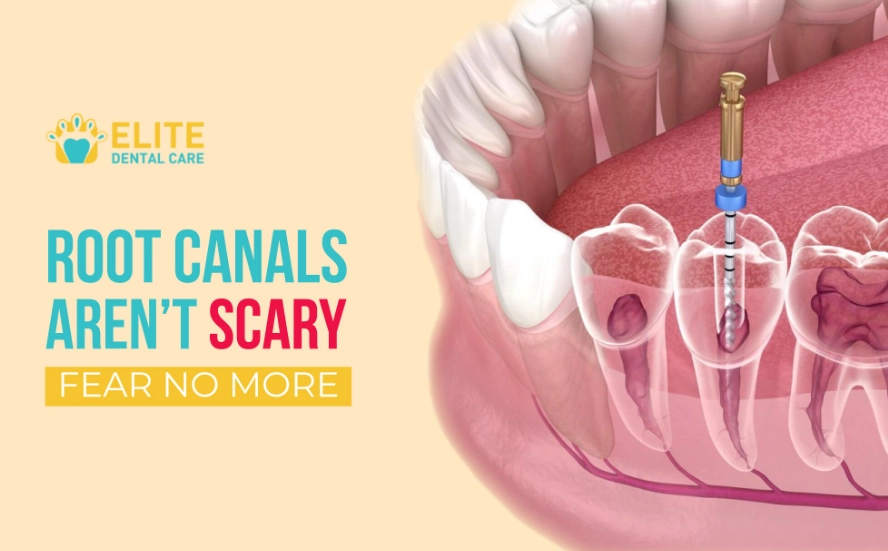
What You'll Learn in This Guide
Why Would a Molar Need a Root Canal?
Molars are the workhorses of your mouth. They grind food, taking immense pressure. This also makes them uniquely vulnerable. The need for an RCT arises when the pulp—the soft tissue inside the tooth containing nerves and blood vessels—becomes inflamed or infected.
Deep decay is the usual suspect. A cavity that starts small breaches the hard enamel, moves through the dentin, and finally invades the pulp chamber. Once bacteria are in the pulp, they multiply. The body's immune response causes swelling. But because the pulp is trapped inside rigid tooth walls, the swelling creates intense pressure and pain—that infamous toothache.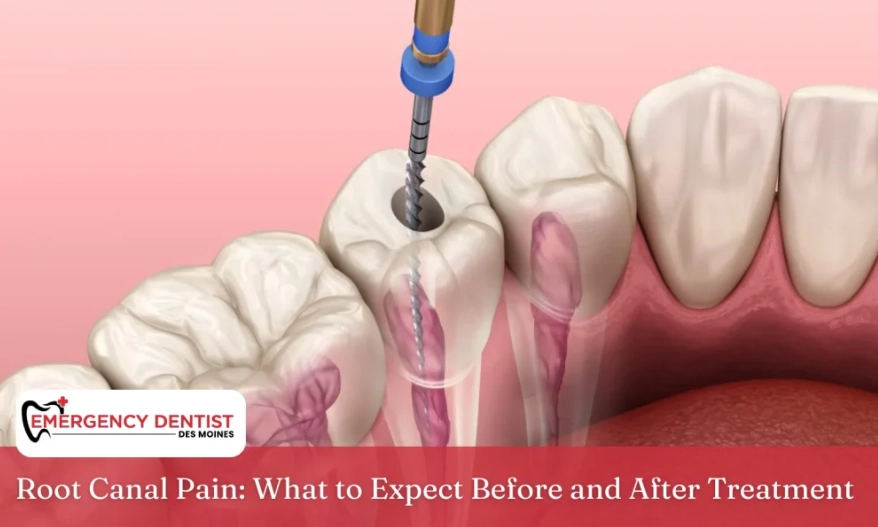
Other common culprits include:
- Repeated dental procedures on the same tooth. Each large filling gets closer to the nerve.
- A crack or chip in the tooth that exposes the pulp.
- Trauma from a blow to the face, even if the tooth doesn't look broken.
Here's a subtle point most blogs miss: sometimes, a molar needs an RCT with no pain at all. You might feel nothing, but an x-ray reveals a dark shadow at the tip of the root—an abscess. The nerve died quietly, and the infection is now draining into your jawbone. This is why regular check-ups are non-negotiable.
Key Symptoms That Scream "Possible RCT": Persistent throbbing pain, especially when lying down. Sensitivity to hot and cold that lingers long after the stimulus is gone. Pain when chewing or applying pressure. Swelling or tenderness in the gums near the tooth. A pimple-like bump on the gums. Tooth discoloration (a graying tooth).
What Exactly Happens During a Molar Root Canal?
The goal is simple: remove the infected pulp, clean and disinfect the intricate inner canals, and then seal them shut to prevent re-infection. But on a molar, it's a complex microsurgery. A front tooth might have one canal. A molar can have two, three, or even four, each with tiny branches, curved and hidden deep in your jaw.
Step-by-Step Breakdown of the Procedure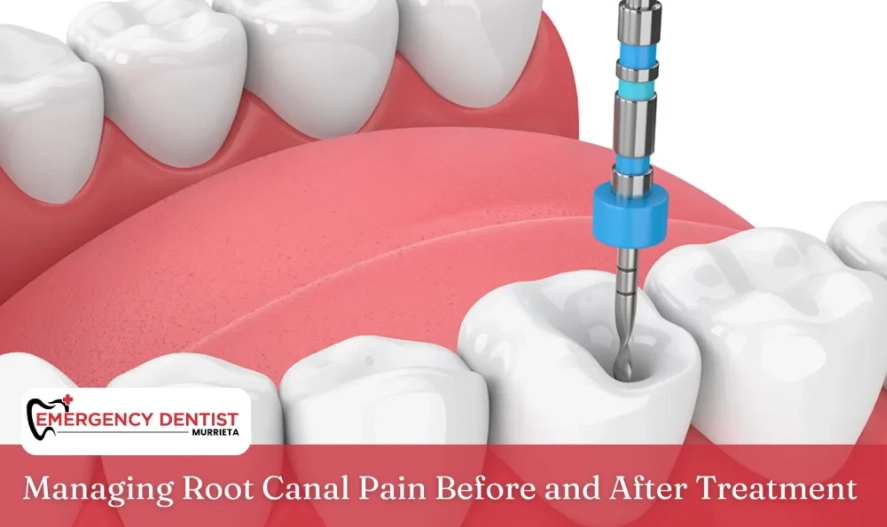
1. Diagnosis and Anesthesia: It starts with x-rays to see the root anatomy and infection extent. Then, they numb the area completely. If you're anxious, talk about sedation options. A numb patient is a cooperative patient, and that makes the dentist's job easier and more precise.
2. Access and Cleaning: The dentist places a rubber dam (a small sheet of latex) around the tooth to keep it dry and sterile. They drill a small opening in the tooth's chewing surface to access the pulp chamber. Using very fine files, they remove the diseased pulp and meticulously shape each canal. This is where the skill gap between dentists shows. Rushing or missing a canal is the leading cause of RCT failure. They flush the canals repeatedly with antiseptic solutions.
3. Filling and Sealing: Once clean and dry, the empty canals are filled with a biocompatible material, usually a rubber-like compound called gutta-percha. A permanent or temporary filling seals the access hole.
4. The Final Restoration (The Most Important Step): This is the part patients often underestimate. An RCT removes the tooth's blood supply, making it drier and more brittle. A molar, which bears chewing forces, is at high risk of fracturing without a crown. Think of it like a hollowed-out tree—strong on the outside, but a strong wind can snap it. A crown acts as a helmet, redistributing force and protecting the tooth.
RCT Molar vs. Extraction: The Real Cost Comparison
When faced with the cost, it's tempting to ask, "Why not just pull it?" Let's be brutally honest about the numbers and long-term consequences.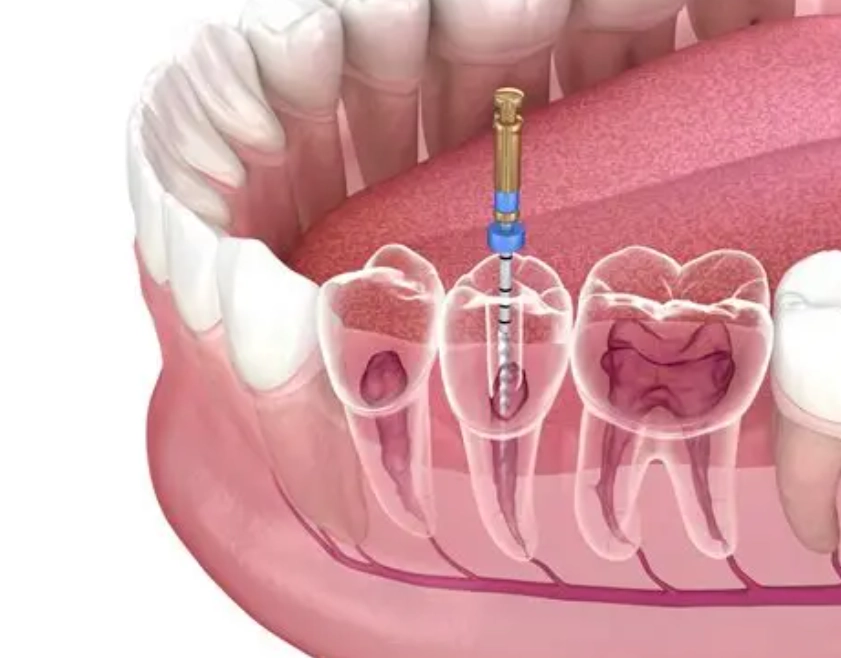
| Factor | Root Canal Treatment + Crown | Tooth Extraction |
|---|---|---|
| Upfront Cost (Avg. USA) | $1,200 - $1,800 (RCT) + $1,000 - $1,500 (Crown) = $2,200 - $3,300 | $150 - $400 |
| Long-Term Oral Health Impact | Preserves your natural tooth, bone, and bite alignment. | Bone loss begins in the jaw where tooth was removed. Neighbor teeth can shift, causing bite problems. |
| Future Costs | A well-done RCT with a crown can last decades with proper care. | Requires a replacement: Dental implant ($3,000 - $5,000) or bridge ($2,000 - $5,000) to prevent bone loss and shifting. |
| Procedure Time | 1-2 appointments, each 60-90 mins. | One short appointment (20-40 mins). |
| Recovery & Comfort | Mild soreness for a few days. You keep your tooth. | Sore gums for a week or more. You have a gap. |
The math is clear. Extraction seems cheaper now but often kicks a much more expensive and complex problem down the road. Saving your natural tooth is almost always the better biological and financial investment, provided the tooth structure is salvageable.
Pain, Recovery, and What Comes After the RCT
Let's tackle the big fear: pain. During the procedure, you shouldn't feel sharp pain, just pressure and vibration. The real story is the recovery.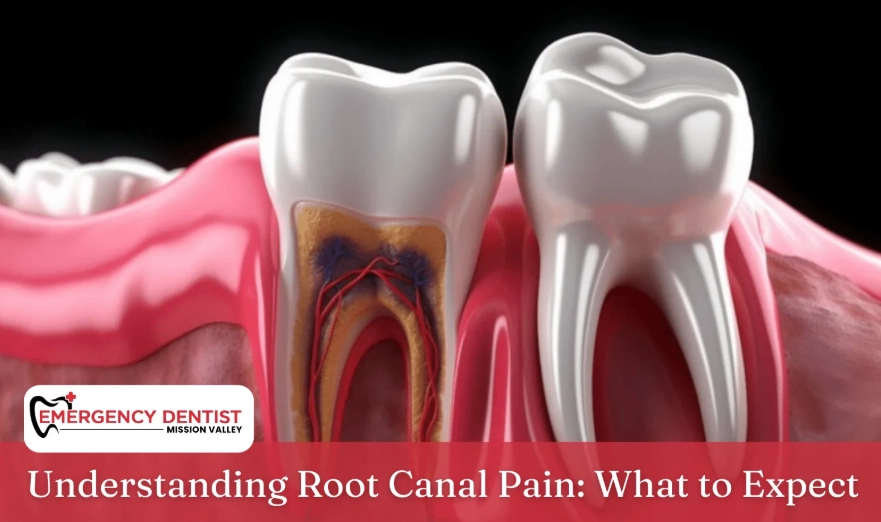
After the anesthesia wears off, it's normal to have some tenderness in the area for 2-4 days. Your tooth might feel slightly "different" or sensitive to pressure. This is the surrounding ligament healing. Over-the-counter pain relievers like ibuprofen are usually sufficient. I've had patients who went back to work the same afternoon, and others who took it easy for a day.
The critical rule: Until your permanent crown is placed, do not chew hard or sticky foods on that tooth. That temporary filling is just a plug. I've seen more than one patient crack their tooth on a bagel or caramel because they forgot this rule.
Getting the crown placed (usually 2-3 weeks later) is straightforward. They remove the temporary, shape the tooth, take an impression, and fit a temporary crown. A couple weeks later, the custom-made permanent crown is cemented on. That's when you can finally use the tooth normally again.
How to Find the Right Dentist for Your Molar RCT
Not all RCTs are created equal. A general dentist can do it, but for a complex molar, you might want a specialist called an endodontist. They do root canals all day, every day. They have advanced training and use operating microscopes to see the tiny, complex anatomy clearly.
Ask these questions before you commit:
- Do you use a dental dam? (The answer must be YES. It's the standard of care).
- Will you be using a microscope during the procedure?
- How many canals do you typically find in a tooth like mine? (Shows their diagnostic approach).
- What is your plan for the final restoration (crown)?
Check reviews, but look for specifics about RCT experiences. A friendly office is great, but technical skill is what saves your tooth for 30 years. The American Association of Endodontists (AAE) website has a "Find an Endodontist" tool—a great place to start.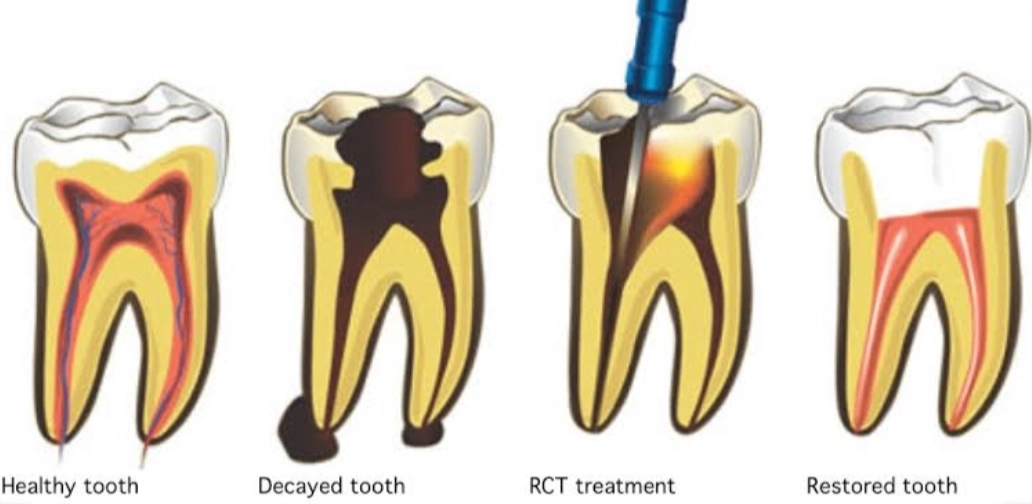
Your Top RCT Molar Questions Answered
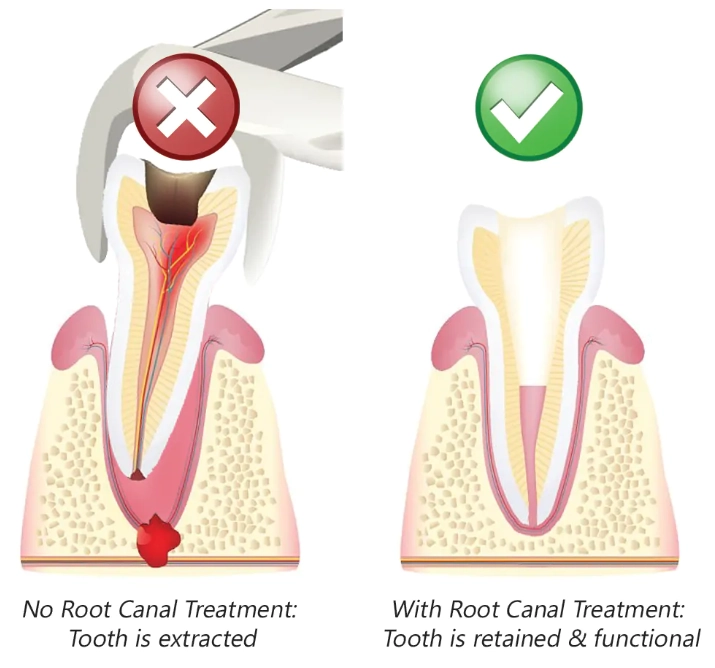 So, what is an RCT molar? It's a precise, modern dental procedure designed to rescue a tooth you'd otherwise lose. It's an investment—of time, money, and trust in your dental professional. But when you weigh it against the alternative of extraction and the cascade of problems that can follow, saving your natural tooth is almost always the smartest path. The key is to go in informed, ask the right questions, and follow through with that crucial crown. Your future self, happily chewing on that side of your mouth, will thank you.