Yes, a root canal can absolutely be done on a molar. In fact, molars are the most common teeth to require this procedure. If you're asking this question, you're likely facing a serious toothache or a dentist has just delivered the news. The thought of a "root canal" on a big, back tooth can sound daunting. I've seen the anxiety in the chair firsthand. But here's the straight truth: a molar root canal is a routine, highly successful procedure designed to save your natural tooth and stop the pain for good. The real question isn't "can it be done?" but "what makes a molar root canal different, and how do you ensure it's done right?" Let's get into the details that matter.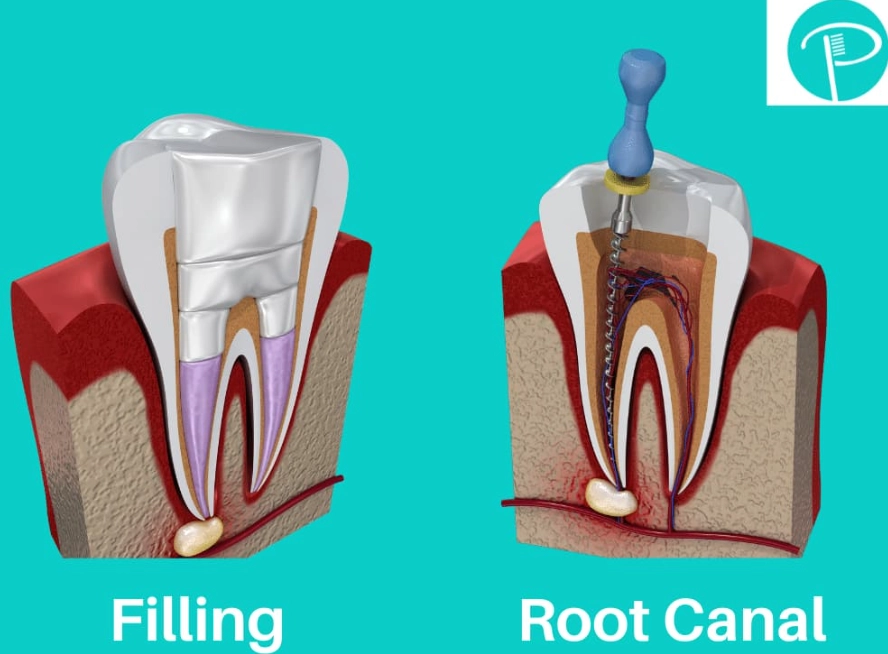
What’s Inside This Guide
Why Molars Are Prime Candidates for Root Canals
Molars are your workhorse teeth. They grind food, taking immense pressure. This function, combined with their anatomy, makes them vulnerable.
Deep Grooves and Pits: The chewing surfaces of molars have fissures that are perfect traps for bacteria. Even with good brushing, decay can start here and burrow deep before you feel a thing.
Multiple Roots and Canals: This is the big one. While a front tooth might have one root and one canal, a molar typically has two or three roots, and each root can contain one, two, or even more tiny canals. My upper first molar had four canals—a common configuration. Missing one during treatment is a leading cause of failure.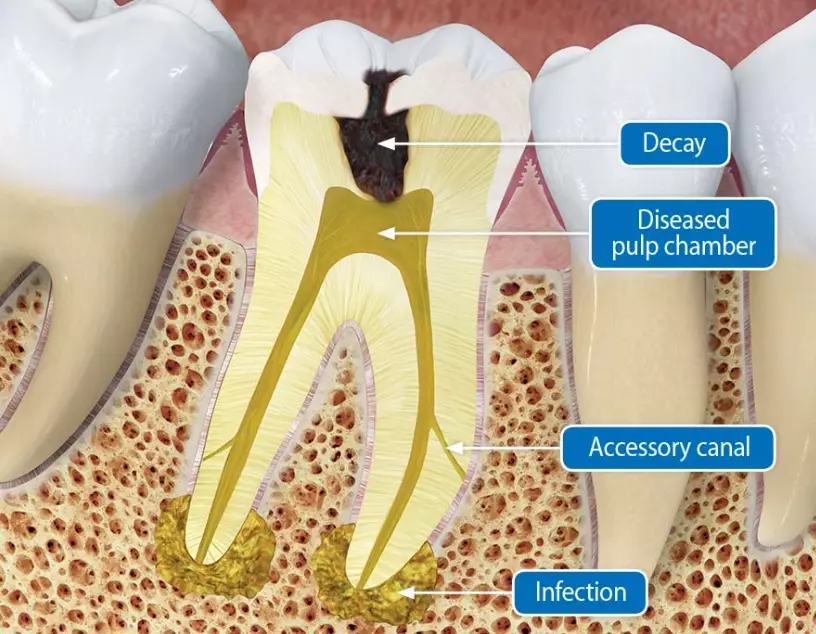
Previous Large Fillings: Molars often get big fillings early in life. Over decades, these fillings weaken the tooth structure. Eventually, a crack can develop, or new decay can sneak in under the filling, reaching the pulp.
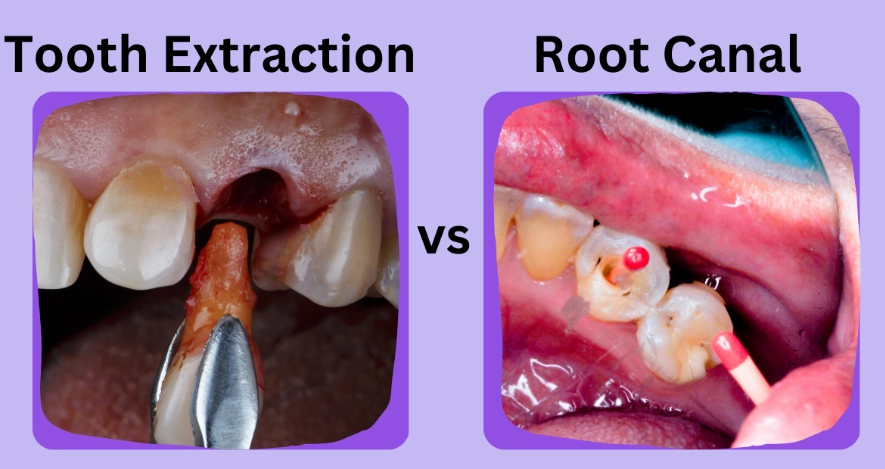
The pain starts when bacteria infect the pulp—the soft tissue inside the tooth containing nerves and blood vessels. It's not just a cavity anymore; it's an infection inside the tooth itself. An abscess can form at the root tip. At this point, the choice is clear: a root canal or an extraction.
A Quick Reality Check
Pulling the molar might seem cheaper and faster. But losing a back tooth has domino effects. Neighbor teeth shift, opposing teeth can over-erupt, and your chewing efficiency drops. A dental implant or bridge to replace it costs significantly more and is more invasive than saving the original tooth with a root canal and crown. Saving your natural tooth is almost always the best long-term investment.
The Molar Root Canal Process: Step-by-Step
Understanding what happens can take the fear out of it. It's a precise, mechanical procedure focused on removing the infection.
1. Diagnosis and Numbing
Your dentist will take an X-ray to see the shape of the roots and the extent of the infection. Then, they'll numb the area completely. With modern anesthetics, you should feel pressure, not pain. If you're anxious, talk about sedation options.
2. Access and Cleaning
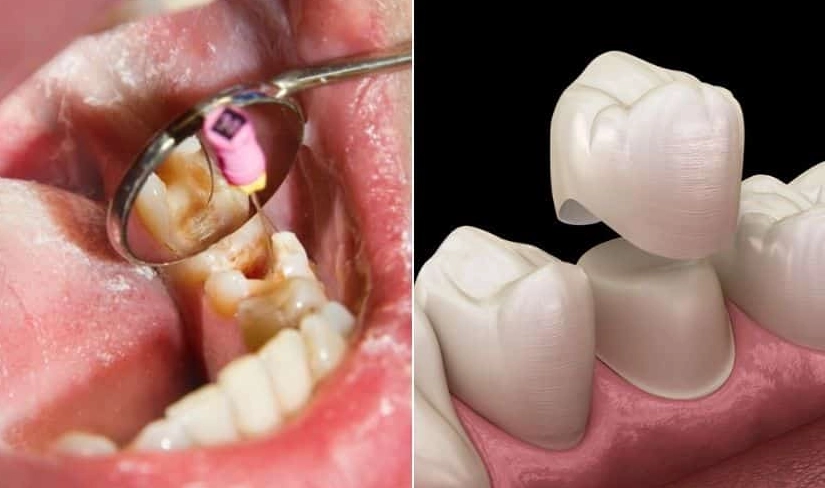
A small opening is made in the top of the tooth. Using microscopic instruments, the dentist removes the infected pulp from the pulp chamber and each root canal. This is where the complexity lies—finding and cleaning all the canals. Missed canals harbor bacteria and lead to future problems.
3. Shaping, Disinfecting, and Filling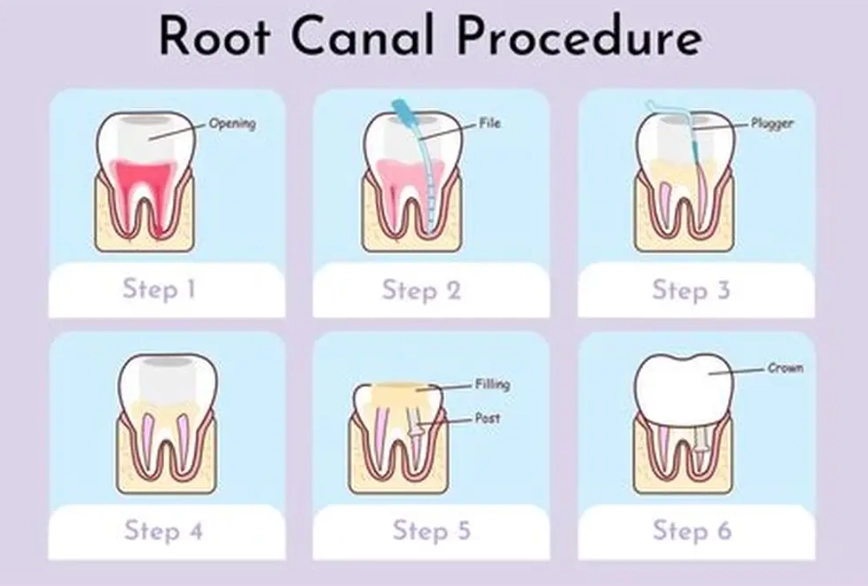
The canals are shaped into smooth, tapered tunnels. They're flushed with antibacterial solutions. Once clean and dry, they are filled with a rubber-like material called gutta-percha to seal them off from future infection.
4. The Temporary Seal and The Crown
The access hole is sealed with a temporary filling. Here's the critical part many patients underestimate: a root canal weakens the molar structure. A filling alone isn't enough. You must return for a permanent crown. This custom-made cap covers the entire tooth, preventing it from cracking under chewing forces. Skipping the crown is the most common post-root canal mistake I see.
Cost, Complexity, and Why Molars Are Pricier
A molar root canal costs more than one on a front tooth because of the time, skill, and technology required. Let's break it down.
| Factor | Front/Canine Tooth | Molar Tooth | Impact on Cost & Complexity |
|---|---|---|---|
| Number of Canals | Usually 1 | Usually 3 or 4 (sometimes more) | More canals = more time, more materials. |
| Access & Visibility | Easy, at the front of the mouth. | Difficult, at the back of the mouth. | Requires greater skill and patience from the dentist. |
| Technology Needed | Often manageable with standard X-rays. | Greatly benefits from a dental microscope and CBCT scan. | Advanced tech improves success rates but adds to the cost. |
| Final Restoration | Often a simple filling or small crown. | Almost always requires a full-coverage crown. | The crown is a separate, significant cost added to the root canal itself. |
In the US, the total cost for a molar root canal and crown can range from $1,500 to $3,500 or more, depending on location, dentist specialization, and insurance. Dental insurance often covers 50-80% of the procedure. Always get a detailed treatment plan and estimate upfront.
Considering the complexity, you might be referred to an endodontist. These are dentists who specialize *only* in root canals. They have extra training and advanced equipment like high-powered microscopes. For a tricky molar—especially one with curved roots or a previous failed treatment—seeing an endodontist can be the best investment for long-term success.
Success Rates and The Critical Aftercare Step Everyone Misses
With modern techniques, root canal treatment has a success rate of over 95%. The treated tooth can last a lifetime. But "success" depends on two people: the dentist doing a thorough job, and you protecting the investment.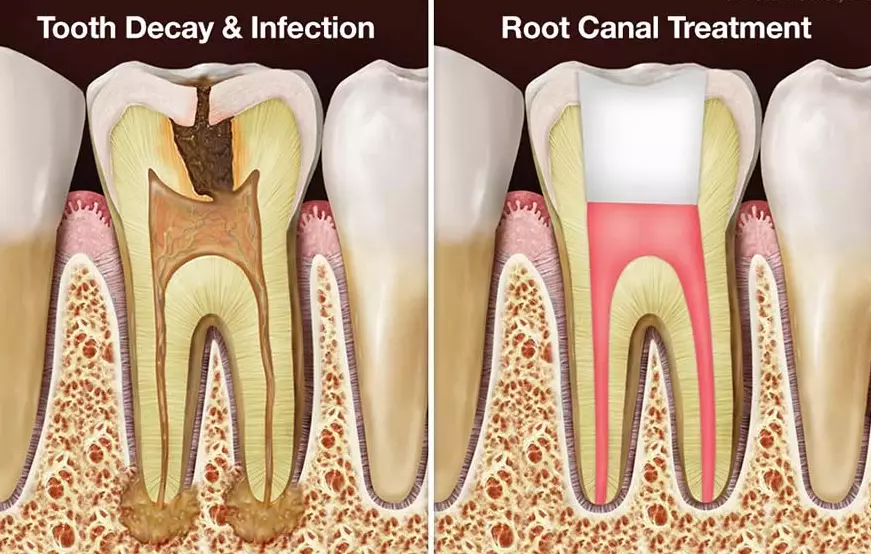
The aftercare is straightforward but non-negotiable:
- Get the Crown, and Get It On Time: Don't delay this. A root-canaled molar is brittle. I've seen patients wait six months, only to bite on an olive pit and split the tooth vertically. That tooth is now unsalvageable. Schedule the crown appointment before you leave the endodontist's office.
- Practice Excellent Oral Hygiene: The tooth can still get cavities around the crown or at the gumline. Brush, floss, and use mouthwash.
- Attend Regular Check-ups: Your dentist will monitor the tooth with X-rays to ensure the bone around the root is healthy.
Your Molar Root Canal Questions, Answered
 What happens if my regular dentist misses a canal during the root canal?
 So, can a root canal be done on a molar? Not only can it be done, it's a standard, predictable procedure that preserves your natural tooth, function, and bone. The key is understanding the commitment: it's a two-part process (canal therapy + crown) that requires a skilled practitioner and your follow-through. If you're facing this decision, focus on finding a dentist or endodontist you trust, ask about their technology (microscopes are a huge plus), and commit to the full restoration. Your molar is worth saving.