If you wince when you sip ice coffee or brush your teeth, you've probably reached for a tube of desensitizing toothpaste. But here's the thing most people miss: not all desensitizing toothpaste ingredients are created equal. The active ingredient listed on the back is the single most important factor that determines whether your pain will fade or stick around. I learned this the hard way after trying three different "sensitive" brands with zero results before finally looking at the fine print. This guide will save you that frustration. We'll strip away the marketing and look directly at the science of how these ingredients work, rank them by effectiveness, and give you a clear plan to choose the right one.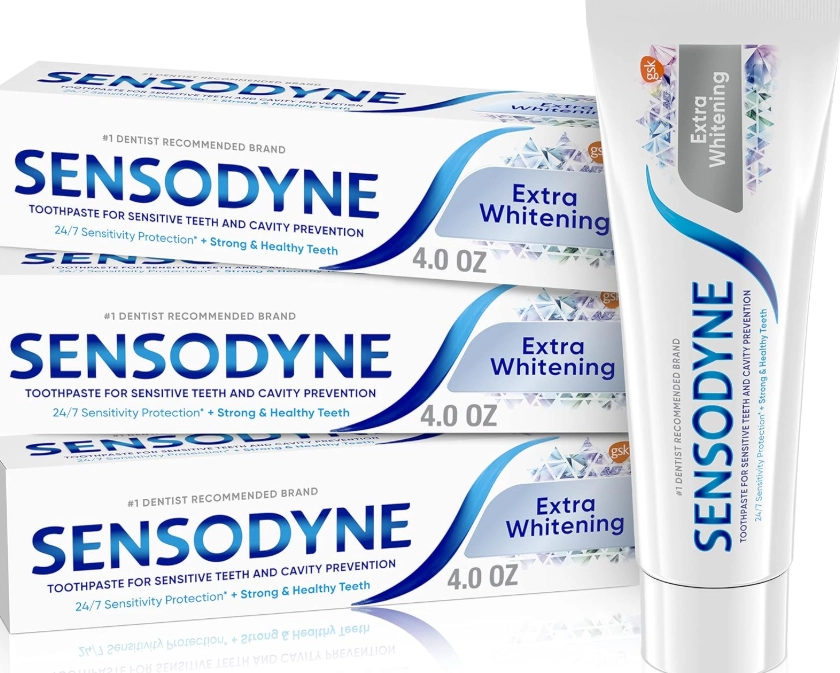
What You'll Learn in This Guide
How Desensitizing Toothpaste Ingredients Actually Work
Tooth sensitivity happens when the protective enamel on your teeth wears down, or your gums recede, exposing a layer underneath called dentine. Dentine is full of microscopic tubes (dentinal tubules) that lead directly to the nerve center of your tooth. Hot, cold, sweet, or acidic stimuli can travel down these tubes and trigger a sharp pain signal.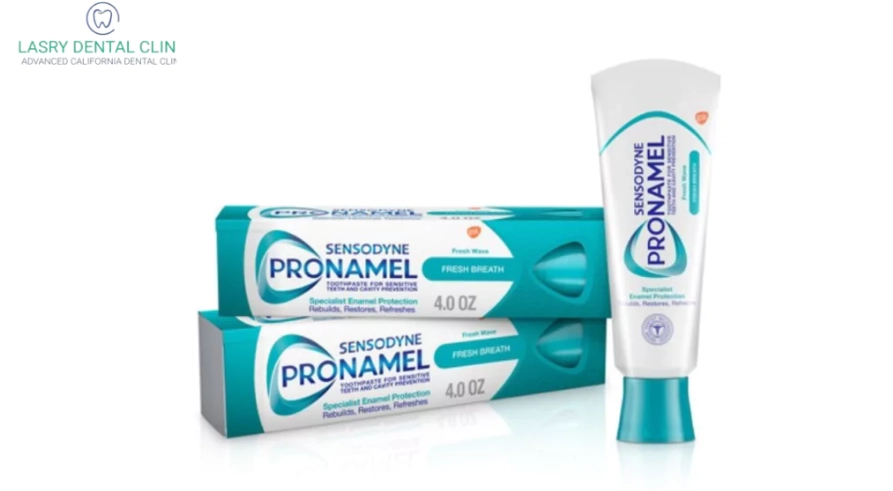
Desensitizing toothpaste ingredients tackle this problem through one of two main mechanisms:
1. The Pluggers (Occluding Agents): These ingredients physically block the open dentinal tubules. Think of them like putting a cork in a bottle. They create a barrier that prevents stimuli from reaching the nerve. Ingredients like stannous fluoride, calcium sodium phosphosilicate (Novamin), and arginine fall into this category.
2. The Numb-ers (Nerve Desensitizers): This group works on the nerve itself. The most common one is potassium nitrate. It soaks into the tubules and calms the nerve's ability to send pain signals. It doesn't fix the hole; it just turns down the volume on the alarm system.
The Top 5 Desensitizing Agents Ranked by Effectiveness
Based on clinical studies, dental professional recommendations, and my own deep dive into ingredient databases, here’s how the major players stack up. This isn't just a list; it's a ranked comparison of their real-world performance.
| Rank & Ingredient | How It Works | Effectiveness & Speed | Key Brand Examples (U.S.) | The Fine Print |
|---|---|---|---|---|
| 1. Calcium Sodium Phosphosilicate (Novamin) | Occluding Agent. Forms a robust, mineral-like layer over dentine, sealing tubules. | Very High. Relief can start within days. Effects are cumulative and long-lasting. | Sensodyne Repair & Protect (in some regions), available through dental professionals. | Considered a "bioactive glass." Its distribution is limited by patent, often found in professional-grade products. |
| 2. Stannous Fluoride | Dual Action: Occludes tubules AND has strong antibacterial/anti-gingivitis properties. | High. Good relief from sensitivity and improves overall gum health. | Crest Gum & Sensitivity, Parodontax for Sensitive Teeth. | Can cause temporary tooth staining in some people, but modern formulations have minimized this. |
| 3. Arginine + Calcium Carbonate | Occluding Agent. The arginine helps deposit calcium carbonate into the tubules to plug them. | High. Clinically proven to seal tubules quickly, often providing relief after one brush. | Colgate Sensitive Pro-Relief (the Instant Relief variant). | Works well for many, but the seal may be more susceptible to acidic erosion over time compared to Novamin. |
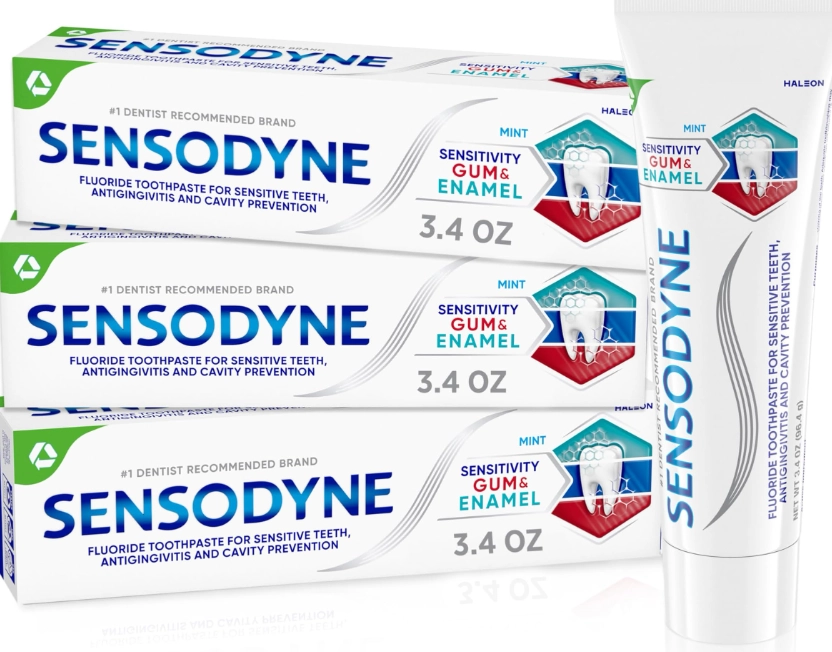
| 4. Potassium Nitrate | Nerve Desensitizer. Penetrates tubules to calm nerve activity. | Moderate to Good. Requires consistent use (2-4 weeks) for full effect. Best for mild, generalized sensitivity. | Most Sensodyne variants (like Rapid Relief), many store-brand sensitive toothpastes. | The most common and affordable. It's safe but think of it as managing symptoms rather than "fixing" the dentine. |
| 5. Strontium Chloride / Acetate | Occluding Agent. Older technology that exchanges ions to form a barrier. | Moderate. An older ingredient, largely replaced by more effective options above. | Found in some older or generic formulations. |
How to Choose the Right Desensitizing Toothpaste For You
Don't just grab the first red-and-white box you see. Follow this decision checklist.
Step 1: Flip the Tube and Read the "Drug Facts" Panel
This is non-negotiable. In the U.S., the active ingredient is legally required to be listed here. Ignore the big claims on the front. Look for the name in the table above. Is it potassium nitrate (5%) or stannous fluoride (0.454%)? This tells you everything about its mechanism.
Step 2: Match the Ingredient to Your Sensitivity Type
For sudden, sharp, cold-triggered pain in specific teeth (often from a receded gumline or a small area of worn enamel): You likely have exposed dentine with open tubules. Prioritize an occluding agent (Novamin, Stannous Fluoride, Arginine).
For a general, dull ache or sensitivity all over after whitening or due to thin enamel: A nerve desensitizer (Potassium Nitrate) might be sufficient and is more wallet-friendly.
Step 3: Consider the "Extras"
Fluoride: Almost all should have it. It strengthens enamel to prevent further wear. If you're using a prescription high-fluoride paste at night, check with your dentist about your morning paste.
SLS (Sodium Lauryl Sulfate): This foaming agent can irritate some people's mouths and worsen sensitivity for a small subset. If you have canker sores or feel irritation, look for an SLS-free formula.
Abrasiveness (RDA): If your sensitivity is from abrasion, you need a low-abrasion paste. Unfortunately, RDA numbers aren't on labels. As a rule, most sensitive toothpastes are moderately low in abrasion. Avoid anything labeled "whitening" for sensitive teeth, as it will be more abrasive.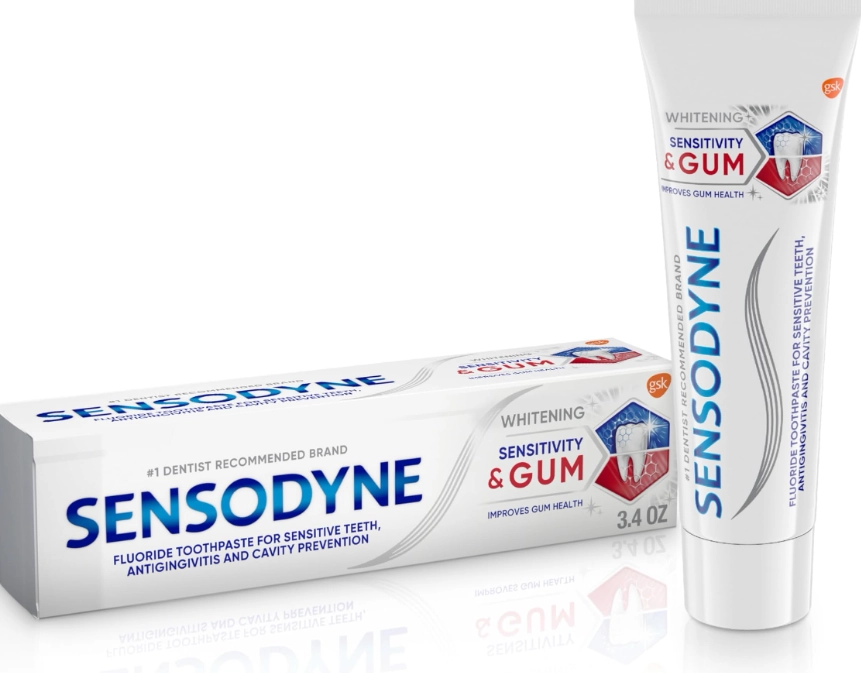
Are You Using It Wrong? Common Mistakes & Pro Tips
Using desensitizing toothpaste isn't like using regular paste. Here’s how to get the most out of it.
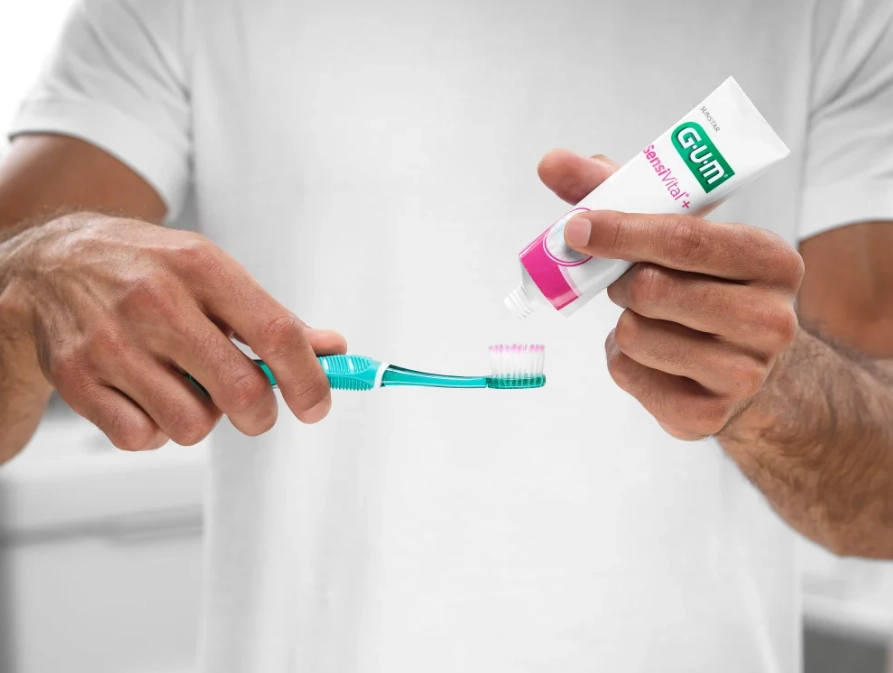
Don't rinse immediately. This is the golden rule. After brushing, spit out the excess foam, but don't swish with water for at least 30 minutes. Let the active ingredient sit on your teeth. I tell clients to brush before breakfast and just spit, then have their coffee. The residue continues working.
Use a soft-bristled brush and gentle pressure. You're not scrubbing a floor. You're painting a therapeutic coating. Scrubbing harder will wear away the protective layer you're trying to build and worsen gum recession.
Try the "finger application" method for severe spots. For one particularly sensitive tooth, my dentist told me to put a dab of paste on my clean fingertip and rub it directly onto the spot for a minute before bed. Don't rinse. This delivers a high concentration right where you need it.
Remember, toothpaste is a treatment, not a cure. If your sensitivity is caused by a cavity, cracked tooth, or severe gum disease, you need a dentist. The paste can help manage symptoms, but it won't fix the underlying problem.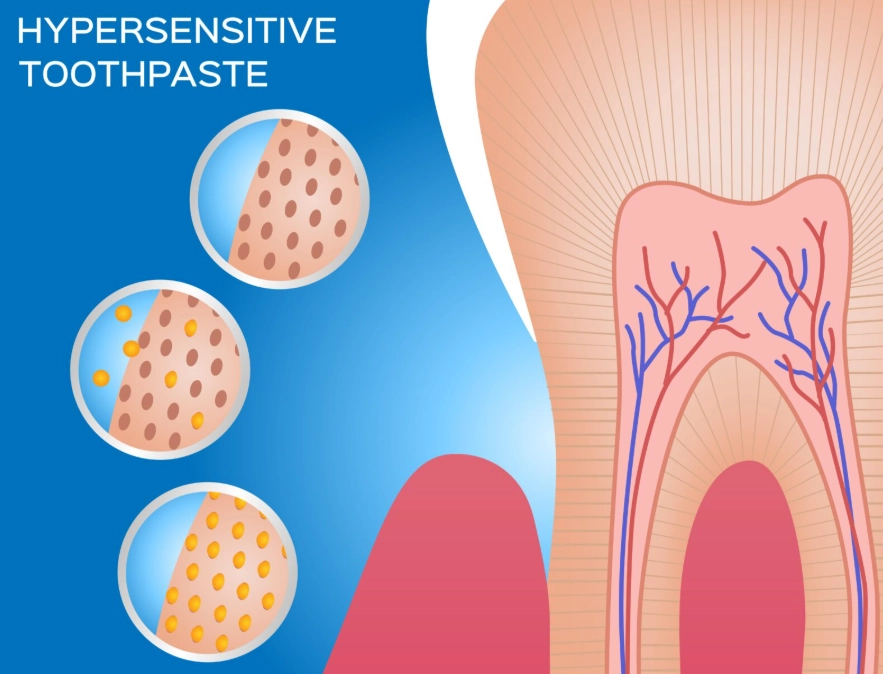
Your Top Questions on Sensitive Toothpaste Answered
 Is it safe to use desensitizing toothpaste every day, long-term?
 The bottom line is simple: knowledge of desensitizing toothpaste ingredients turns a guessing game into a strategic choice. Stop judging by the packaging. Start reading the Drug Facts panel, pick an ingredient that matches your pain, use it correctly, and give it time. Your teeth—and your enjoyment of ice cream—will thank you.