That sudden, sharp zap when you sip ice water or bite into something sweet isn't just annoying—it can feel like a direct hit to a raw nerve. If you're searching for "toothpaste for nerve pain in teeth," you're likely hoping for a simple solution from the drugstore aisle. Here's the straight truth: a good desensitizing toothpaste can be incredibly effective for certain types of tooth nerve pain, specifically pain caused by exposed dentin (the sensitive layer under your enamel). But you have to pick the right one and use it correctly. This guide cuts through the marketing to show you how these toothpastes work, which ingredients matter most, and the mistakes that waste your time and money.
What You'll Find in This Guide
- Understanding Tooth Nerve Pain: Is It Really Sensitivity?
- How Desensitizing Toothpaste Works: The Science Behind the Relief
- Choosing the Right Desensitizing Toothpaste: A Brand and Ingredient Breakdown
- How to Use Desensitizing Toothpaste Correctly for Maximum Effect
- Common Mistakes and Expert Tips for Long-Term Relief
- When Desensitizing Toothpaste Isn't Enough: Signs You Need a Dentist
- Your Questions Answered: The Desensitizing Toothpaste FAQ
Understanding Tooth Nerve Pain: Is It Really Sensitivity?
First, let's clarify the pain. When people say "nerve pain," they often mean one of two things:
Dentin Hypersensitivity: This is the classic "sensitive teeth" scenario. Your gum tissue has receded, or your tooth enamel has worn down, exposing the dentin underneath. Dentin is full of microscopic tubules that lead directly to the nerve (pulp) in the center of your tooth. Cold, heat, acid, or pressure can travel down these tubules and trigger that sharp, sudden pain. This is the primary target for desensitizing toothpaste.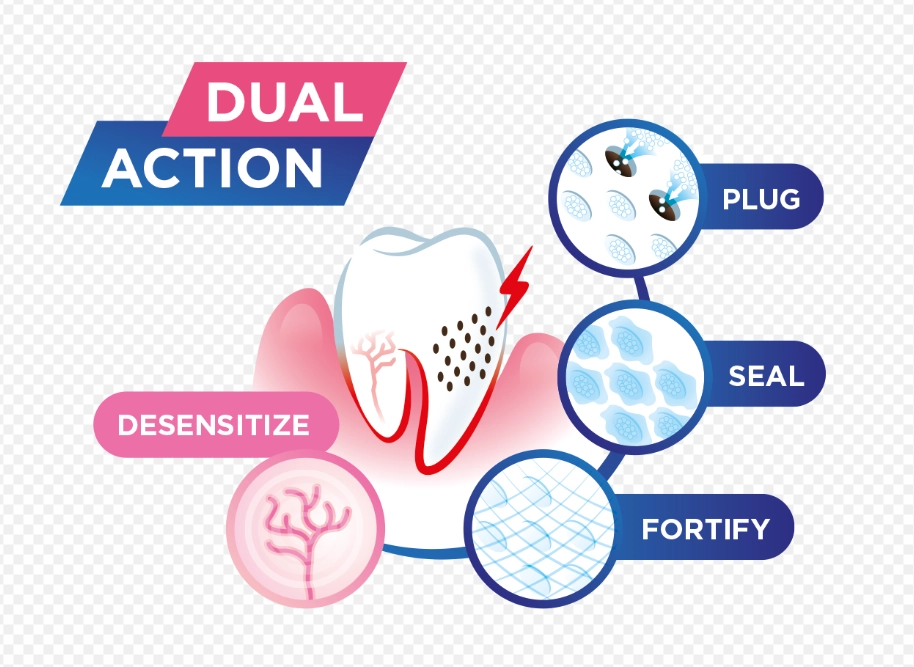
Pulpitis (Inflamed Nerve): This is a deeper problem. It's an inflammation or infection of the tooth's pulp, often caused by a large cavity, crack, or trauma. The pain might be spontaneous, throbbing, and linger long after the trigger is gone. A key sign? Pain that wakes you up at night. Important: Desensitizing toothpaste will NOT fix pulpitis. This requires professional dental treatment, often a root canal.
So, the first step is figuring out which type you have. If the pain is quick, sharp, and directly linked to triggers like cold drinks, you're likely in the first category.
How Desensitizing Toothpaste Works: The Science Behind the Relief
These toothpastes aren't painkillers. They don't numb the nerve. Instead, they work by physically blocking those microscopic tubules in the dentin. Think of it like sealing thousands of tiny straws that lead to the nerve.
There are two main mechanisms, and the best toothpastes often use both:
- Nerve Signal Interruption (Potassium Salts): Ingredients like potassium nitrate or potassium citrate diffuse into the tubules. They calm the nerve endings inside, reducing their ability to send pain signals. This is a "neurological" block. It's effective but can take 2-4 weeks of consistent use to build up.
- Physical Tubule Blockage: This is the more immediate and, in my experience, more reliable method. Ingredients like stannous fluoride, arginine/calcium carbonate, or nano-hydroxyapatite physically occlude (plug) the tubules. They create a barrier so stimuli can't reach the nerve. Stannous fluoride also has anti-bacterial and anti-inflammatory benefits for the gums.
Many people don't realize you need to give these toothpastes time. You're not just cleaning teeth; you're performing a daily, cumulative treatment.
Choosing the Right Desensitizing Toothpaste: A Brand and Ingredient Breakdown
The aisle is crowded. Here’s a breakdown of leading brands and their active strategies, based on both published research and clinical observation.
| Brand / Common Name | Key Active Ingredient(s) | Primary Action | Notes & Considerations |
|---|---|---|---|
| Sensodyne Pronamel | Potassium Nitrate, Stannous Fluoride (in some variants) | Nerve calming + enamel strengthening/blockage | The Pronamel line is great if acid erosion (from diet, GERD) is a factor. The Stannous Fluoride versions offer dual-action blockage. |
| Sensodyne Rapid Relief | Stannous Fluoride | Physical tubule blockage + anti-gingivitis | My top pick for fast results. The stannous fluoride can cause superficial staining, but it brushes off. The trade-off for faster relief is worth it. |
| Colgate Sensitive Pro-Relief | Arginine + Calcium Carbonate | Instant physical tubule occlusion | Uses a patented technology to form a plug over dentin. Some patients report feeling a difference after the first use. Doesn't contain potassium. |
| Toothpastes with Nano-Hydroxyapatite (n-HAp) (e.g., Boka, RiseWell) | Nano-Hydroxyapatite | Biomimetic remineralization & tubule sealing | n-HAp is the building block of tooth enamel. It fills micro-cracks and tubules, effectively rebuilding a protective layer. A fantastic, natural-feeling option gaining popularity. |
| Prescription Strength Fluoride (from dentist) | High Concentration Fluoride (5000 ppm) | Enhanced remineralization & strengthening | Not a true "desensitizer" in mechanism, but by strengthening all tooth structure, it can reduce sensitivity. Often used in tandem with other toothpastes. |
My non-consensus take? Don't get hung up on brand loyalty alone. Look at the active ingredient. If a potassium-only paste isn't working after a month, switch to one focused on physical blockage (stannous fluoride or arginine).
How to Use Desensitizing Toothpaste Correctly for Maximum Effect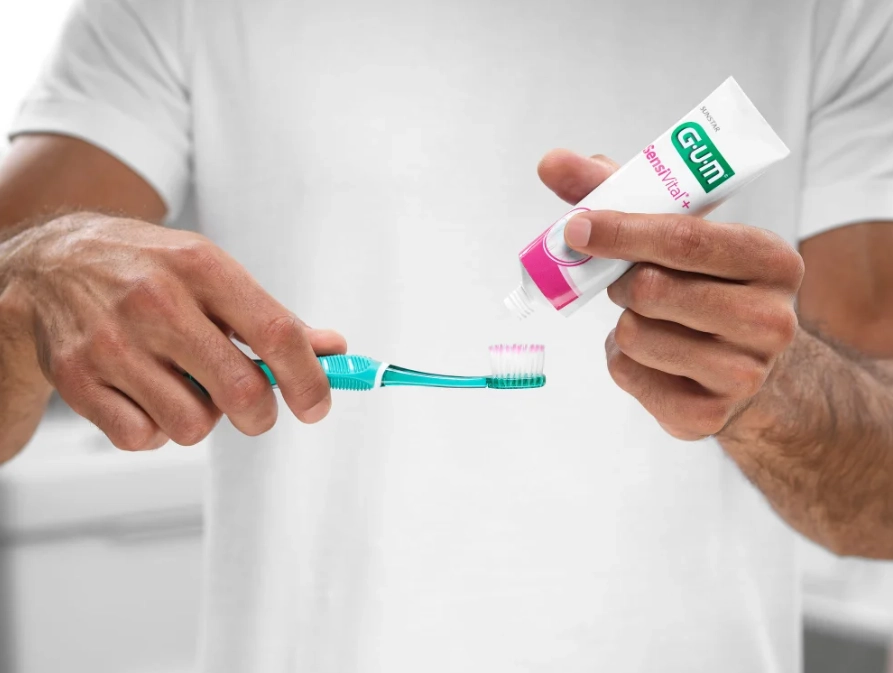
This is where most people fail. You can't use it like regular paste.
- Don't Rinse Immediately. This is the biggest mistake. After brushing, spit out the excess foam, but do NOT swish with water. Let a thin film of the paste remain on your sensitive teeth, especially near the gumline. This allows the active ingredients more contact time to work.
- Use a Soft-Bristled Brush. Hard brushing worsens gum recession and enamel wear. Use gentle, circular motions. Consider an electric brush with a pressure sensor.
- Apply Directly. For a particularly bad spot, try applying a small dab of the paste directly to the sensitive tooth with your finger and leave it on for a few minutes before bed.
- Be Consistent. Use it for both morning and night brushing. It's a treatment, not an occasional spot solution.
- Give It Time. Expect to use it for at least two weeks consistently before judging its effectiveness.
Pro Tip: Keep a separate tube of your desensitizing toothpaste. Don't let family members use it for general cleaning—it's your medication. This also ensures you always have it when you need it.
Common Mistakes and Expert Tips for Long-Term Relief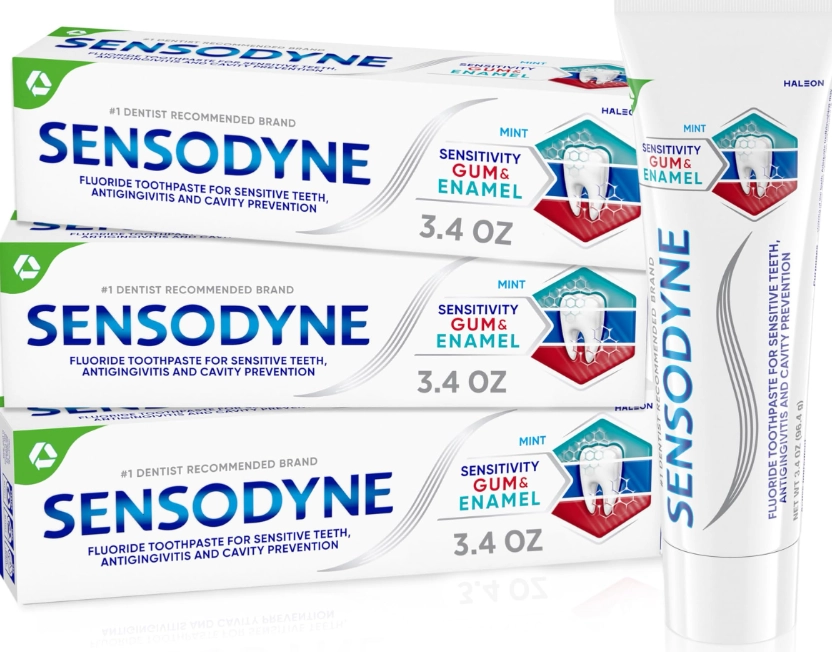
Beyond brushing technique, your daily habits make or break your progress.
Acid is Your Enemy: Every time you drink soda, citrus juice, wine, or even seltzer, you soften your enamel for about 30-60 minutes. Brushing immediately after is like scrubbing softened rock—you wear it away. Rinse with water after acidic drinks and wait at least 30 minutes before brushing.
Grinding and Clenching: This puts massive force on teeth, flexing them at the gumline and causing microscopic cracks (abfractions) that expose dentin. If you wake up with jaw soreness or your partner hears grinding, talk to your dentist about a night guard. It's a game-changer.
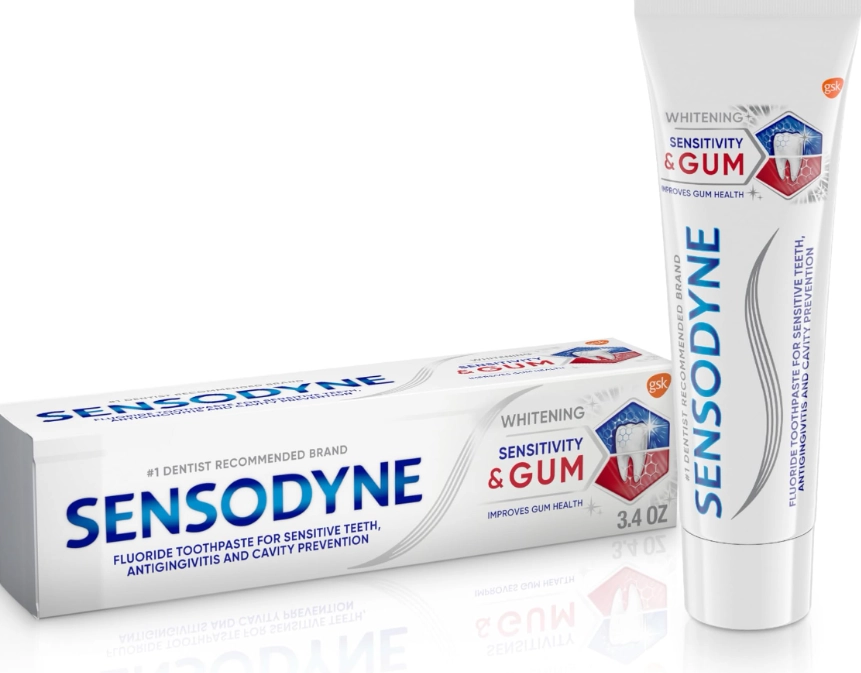
Whitening Toothpaste Sabotage: Most whitening toothpastes are highly abrasive. Using them daily on sensitive teeth is like using sandpaper on an open wound. If you whiten, use the desensitizing toothpaste for at least two weeks before and after the treatment.
When Desensitizing Toothpaste Isn't Enough: Signs You Need a Dentist
If you've given a good toothpaste 4-6 weeks of proper use and see no improvement, or if your pain has these characteristics, it's time for a professional:
- Severe, spontaneous pain that isn't triggered by anything specific.
- Pain that lingers for more than 30 seconds after a trigger is removed.
- Pain focused on a single tooth.
- Swelling in your gums or face near the tooth.
- Discoloration of a tooth.
- Pain when biting down.
A dentist can offer in-office treatments like fluoride varnishes, bonding agents, or even a small gum graft to cover exposed roots. These are powerful next steps when toothpaste alone isn't cutting it.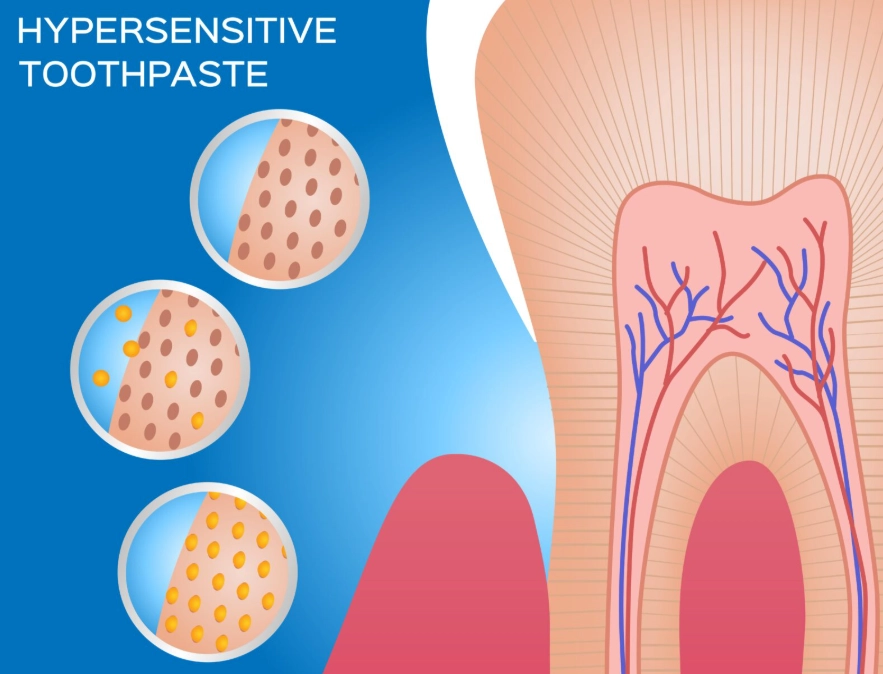
Your Questions Answered: The Desensitizing Toothpaste FAQ
 My dentist recommended a prescription fluoride paste. Should I use it instead of or with my over-the-counter desensitizing toothpaste?